
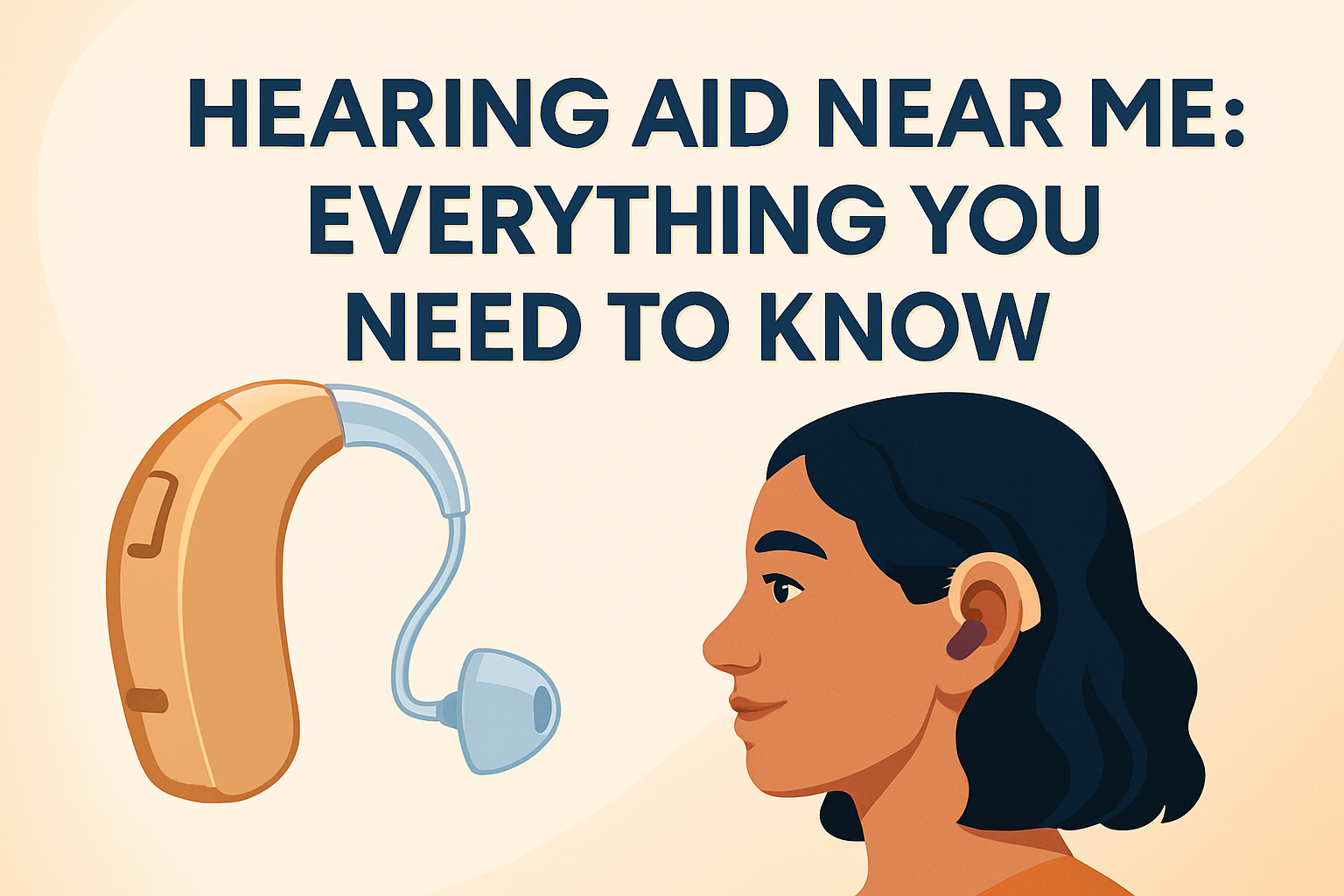
Hearing loss is a condition that affects millions of people worldwide, and it’s not just an inconvenience; it’s a significant health issue that impacts quality of life. When searching for “hearing aid near me,” you’re looking for a solution that could profoundly change your communication abilities and social interactions. This search matters because finding the right hearing aid allows individuals to engage more fully in conversations, enjoy music, and respond to environmental cues. Understanding what to expect from hearing aids, how they work, and where to find them is critical in making informed decisions.
Hearing aids are electronic devices that amplify sound, making it easier for individuals with hearing loss to hear more clearly. They consist of a microphone to pick up sounds, a processor to amplify them, a battery for power, and a speaker to send the amplified sounds into the ear. The key advantage of using hearing aids is improved hearing ability, which leads to better communication and overall quality of life. There are various styles of hearing aids, including behind-the-ear (BTE), in-the-ear (ITE), in-the-canal (ITC), and completely-in-the-canal (CIC), each suitable for different levels of hearing loss and user preference.
Choosing a hearing aid can be daunting, especially when searching for options available locally. This introduction aims to explore essential aspects of finding a hearing aid near you, such as types of hearing aids, how to choose the right one, the benefits of getting a hearing aid locally, and the overall process involved. Understanding these aspects can empower individuals to take control of their hearing health and choose the best solution for their needs.
The Types of Hearing Aids Available
When you’re searching for a “hearing aid near me,” it’s crucial to be aware of the different types of aids that are available. Hearing aids are not one-size-fits-all devices; they vary in terms of design, technology, and functionality.
The most common types of hearing aids include:
- Behind-the-Ear (BTE): These are the most familiar types, with the main part of the device resting behind the ear and connected to an earpiece that fits inside the ear canal. They are versatile and suitable for all age groups for mild to profound hearing loss.
- In-the-Ear (ITE): These are custom-made devices that fill the outer part of the ear. They are beneficial for people with mild to severe hearing loss and offer features like volume control and more powerful batteries.
- In-the-Canal (ITC) and Completely-in-the-Canal (CIC): Smaller and less visible than BTE and ITE models, these fit partly or completely inside the ear canal. They are suitable for mild to moderate hearing loss. However, customization is often required, and they may not have as many features due to their smaller size.
A real-world example could be someone named Jane, a freelance writer experiencing mild hearing loss. After researching online with the term “hearing aid near me,” Jane decides on a BTE model because it offers the amplification she needs while being versatile enough to handle her wide range of activities—from attending meetings to writing in quiet environments.
How to Choose the Right Hearing Aid
Choosing the right hearing aid near you involves several considerations that can significantly impact your listening experience. Cost, lifestyle, degree of hearing loss, and personal preferences all come into play.
First, the level of hearing loss needs to be assessed by a professional audiologist. It’s advisable to have a hearing test done before making any decisions. Locations that offer hearing aids typically also provide these tests.
One should also consider features that suit their lifestyle. For example, if someone frequently interacts in environments with a lot of background noise, noise reduction features in a hearing aid might be necessary. Mobile connectivity is another popular feature, allowing the device to connect with smartphones for direct audio streaming.
| Feature | Benefit |
|---|---|
| Noise Reduction | Improves the clarity of speech in noisy environments. |
| Directional Microphones | Enhances focus on the sounds coming from a specific direction. |
| Rechargeable Batteries | Eliminates the need to frequently change batteries. |
| Bluetooth Connectivity | Facilitates streaming audio from phones and other devices directly to the hearing aid. |
Consider Sarah, an active executive who needs her hearing aids to have Bluetooth connectivity for her numerous conference calls. She focuses her search for “hearing aids near me” on those that have noise reduction and connectivity features. By prioritizing her needs, Sarah finds a hearing aid that perfectly complements her dynamic lifestyle.
The Importance of Finding a Hearing Aid Locally
The phrase “hearing aid near me” isn’t just about convenience. Accessing local services brings several advantages, including personalized service, timely adjustments, and ongoing support.
Purchasing a hearing aid made from a local audiologist or hearing center means having access to personalized fittings and adjustments. The initial fitting of a hearing aid often requires several adjustments to ensure the device is comfortable and is meeting the amplification needs of the user correctly. These adjustments are more efficient and can be frequently revisited when using a local provider.
Local providers can also offer timely repair and maintenance services, which are critical for the prolonged effectiveness of the device. Hearing aids are sophisticated devices that occasionally need repairs or updates, and local services can offer faster turnaround times than remote options.
John, a retired teacher, experienced this first-hand. He initially bought a hearing aid from an online provider, but when issues arose, he faced long delays in obtaining the needed support. When he opted for a local solution, the service was quick and effective, providing peace of mind for ongoing maintenance and service.
The Hearing Aid Acquisition Process
Securing a “hearing aid near me” involves several steps from initial consultation to post-purchase support. Understanding the process can bring confidence and clarity.
A typical acquisition process includes:
- Initial Consultation: This usually involves a hearing test and consultation with an audiologist to discuss options.
- Selection and Fitting: Based on the results and professional recommendations, you can choose the model that fits your needs best. This is followed by a fitting session.
- Trial Period: Most hearing aid purchases include a trial period which allows you to test the device in your everyday environment.
- Post-purchase Adjustments: After initial use, adjustments may be necessary to optimize the hearing experience.
- Ongoing Support: Regular check-ups and cleanings are usually part of aftercare services offered by local providers.
Mary, who works in customer service, followed these steps diligently when seeking out a “hearing aid near me.” The local provider offered a comprehensive trial period, during which Mary was able to test her hearing aids in different work scenarios and found follow-up adjustments invaluable in achieving optimal performance.
Conclusion: Making Sound Choices for Better Hearing
Navigating the realm of hearing aids can be a complex journey, beginning with understanding what these devices are and ending with ongoing support from local providers. The various types of hearing aids cater to different needs, and finding the ideal match requires recognizing your hearing condition and lifestyle demands.
Key takeaways include the significance of localized services when searching for “hearing aid near me.” Local providers offer personalized fitting, quicker access to adjustments, and thorough follow-up care, enabling users to effectively manage their hearing health.
Empower your journey toward better hearing by starting with a local consultation, understanding your options, and prioritizing features that enhance your personal lifestyle. Take the first step by scheduling a hearing test at your nearest provider and explore the transformative potential of the right hearing aid today.
By recognizing the integral role of local providers and the specific attributes that matter most to you, finding the right hearing aid nearby can be a seamless and life-enhancing process.
Frequently Asked Questions
1. What should I consider when searching for a hearing aid near me?
When you’re starting your search for a hearing aid nearby, there are several factors to consider to ensure you make the best choice for your needs. First, understand what level of hearing loss you have; an audiologist can help with a thorough assessment. Location is also important as you’ll want to find a provider that’s conveniently accessible for fittings, adjustments, and check-ups. Additionally, consider the range of hearing aid models available, including technology levels and features such as Bluetooth connectivity, rechargeable batteries, and water-resistance. Don’t forget to inquire about ongoing support and aftercare services, which are crucial for long-term satisfaction with your hearing aid. Cost is another vital aspect, so explore pricing, insurance coverage, and any available payment plans. Lastly, look at customer reviews and testimonials to gauge other clients’ satisfaction with both the product and provider.
2. How do hearing aids improve quality of life?
Hearing aids play a significant role in enhancing an individual’s quality of life by addressing hearing loss, a condition that affects millions globally. When you use a properly fitted hearing aid, you can regain clarity in conversations, making social interactions more enjoyable and less stressful. This improvement can lead to better relationships with friends and family due to enhanced communication. Moreover, hearing aids allow individuals to better enjoy music, movies, and other auditory experiences they might have been missing out on. From a safety perspective, hearing aids improve the ability to hear important environmental sounds like alarms, sirens, or approaching vehicles, reducing the risk of accidents. By wearing a hearing aid, many people also report increased confidence and independence, helping them to participate fully in social activities and community events without hesitation or embarrassment due to their hearing ability.
3. How do I determine which type of hearing aid is best for me?
The best hearing aid for you depends on several personalized factors, which a hearing healthcare professional can help you determine. Consider your specific type and degree of hearing loss as a primary factor. In-the-ear (ITE), behind-the-ear (BTE), in-the-canal (ITC), or completely-in-canal (CIC) hearing aids all offer different solutions catering to these variations in hearing loss. Lifestyle needs are equally important; if you lead an active lifestyle, look for durable options with features like moisture resistance or anti-shock features. Consider technology levels, like AI capabilities or smart connectivity that syncs with your smartphone for easy control and adjustments. Comfort and aesthetics also matter, so try various models to see what feels and looks good. Finally, discuss your budget and insurance coverage with your provider to find an optimal balance between cost and necessary functionality.
4. Are there financial options to help cover the cost of hearing aids?
Yes, there are several financial avenues to explore when looking to purchase a hearing aid. Traditional health insurance sometimes covers a portion of the cost, so reviewing your policy details is a good starting point. Medicare doesn’t typically cover hearing aids, but some Medicare Advantage plans may offer additional benefits. Medicaid coverage varies by state but may be an option if you qualify based on income. Additionally, some veterans may be eligible to receive hearing aids through Veterans Affairs benefits. Many hearing aid providers offer financing plans that allow you to pay off the device over time, making it more manageable. Even non-profit organizations and local health departments sometimes provide financial assistance for hearing aids, particularly if you are in a low-income bracket. It’s worth exploring all avenues to ensure you get the necessary assistance to afford the hearing aid that fits your needs.
5. How often should I have my hearing aid serviced or adjusted?
Regular maintenance and adjustments are essential to keep your hearing aid functioning optimally. It’s generally advised to have a follow-up appointment with your audiologist or hearing aid provider about one to two weeks after you first receive your hearing aid to make initial adjustments based on your early experiences. After the initial period, routine check-ups every six months are recommended to ensure the hearing aid is working as expected. During these visits, your audiologist may clean and inspect your device for any signs of wear or damage, replace small parts like wax filters or tubing, and adjust the programming to accommodate any changes in your hearing needs. If at any point you notice a decline in performance, persistent discomfort, or issues like feedback or whistling noises, schedule an appointment immediately to address these problems and keep your hearing aid in proper working condition.