
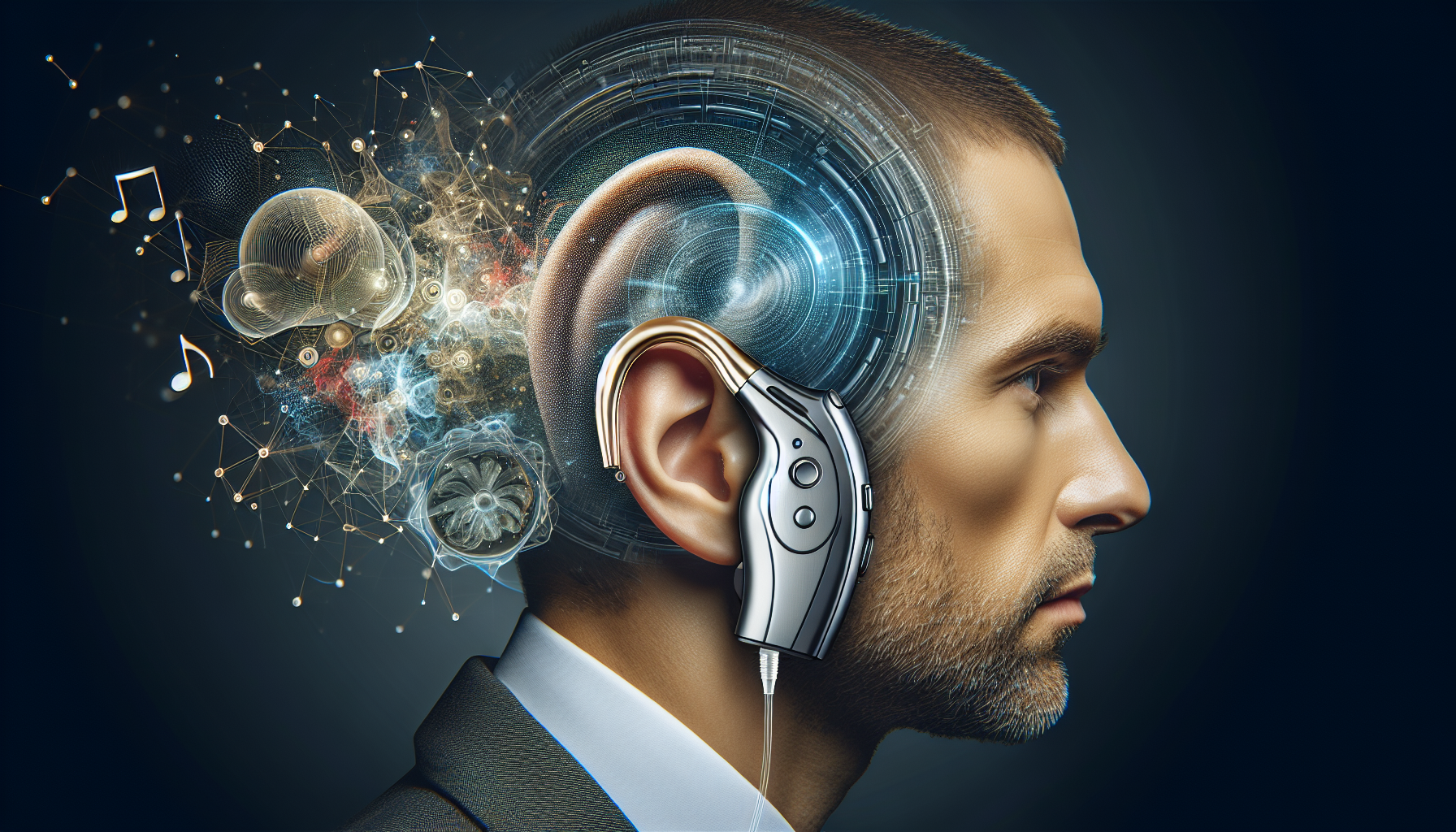
Hearing aid Miracle-Ear is a topic many people search when they first notice conversations sounding muffled, television volume creeping upward, or restaurants becoming exhausting places to listen. Miracle-Ear is a well-known hearing care brand and retail network that offers hearing tests, hearing aids, fittings, follow-up care, and ongoing support. A hearing aid, in simple terms, is a small electronic medical device that amplifies and processes sound to help a person with hearing loss hear speech and environmental sounds more clearly. The reason this matters is straightforward: untreated hearing loss can affect communication, work performance, social connection, balance, and overall quality of life. In practice, I have seen people wait years before getting help, often because they assume hearing aids are all the same, too expensive, too visible, or too difficult to manage. That delay usually makes daily frustration worse, not better.
As a hub topic, this guide covers the essentials you need before choosing Miracle-Ear or comparing it with other hearing aid providers. It explains how the process works, what technologies are commonly available, what costs to expect, and where the brand fits in the wider hearing care market. It also addresses practical questions people ask first: Are Miracle-Ear hearing aids any good? Who are they best for? What features matter most? What should you ask at an appointment? The most useful way to evaluate any hearing aid provider is not by marketing alone, but by looking at hearing assessment quality, fitting accuracy, aftercare, warranty terms, pricing transparency, and whether the devices match your hearing profile and lifestyle. Those are the factors that usually determine satisfaction over the long term.
What Miracle-Ear Is and How the Model Works
Miracle-Ear is best understood as a hearing care network rather than a single product. The company operates through local centers that provide hearing evaluations, device recommendations, fittings, adjustments, cleanings, and follow-up services. Depending on location and product generation, Miracle-Ear hearing aids are often based on technology platforms produced by major manufacturers and then branded, programmed, and serviced through the Miracle-Ear network. For many consumers, that bundled model is the main appeal. Instead of buying hardware alone, they are buying professional support over time. That distinction matters because hearing aid success depends heavily on programming, counseling, real-world fine-tuning, and maintenance, not just on the chip inside the device.
In a typical patient journey, the process starts with a consultation and hearing test. If hearing loss is present, the provider reviews your audiogram, asks about listening needs, and recommends style and technology levels. A first fitting follows, then a period of adaptation and adjustment. In my experience, people do best when they understand that hearing aids are not like reading glasses. They do not instantly restore normal hearing. Instead, they improve access to sound, especially speech, and the brain gradually relearns how to sort useful sound from background noise. Providers that set realistic expectations tend to produce better outcomes, and that is one of the biggest factors to watch when evaluating any hearing center, including Miracle-Ear.
Types of Hearing Aids and Features You Can Expect
Miracle-Ear centers typically offer the same major form factors seen throughout the hearing aid industry. These usually include behind-the-ear models, receiver-in-canal designs, custom in-the-ear devices, and smaller in-the-canal or completely-in-canal options for selected hearing losses. Receiver-in-canal devices are among the most common because they balance cosmetic appeal, power, rechargeability, and directional microphone performance. Custom devices can be attractive for comfort and visibility concerns, but they may have tradeoffs in battery size, wireless features, or wind-noise handling depending on the model.
Core features often include digital signal processing, feedback suppression, directional microphones, noise reduction, tinnitus masking options, telecoil support in some models, Bluetooth connectivity, smartphone apps, and rechargeable lithium-ion batteries. More advanced technology tiers generally improve performance in difficult listening environments such as busy restaurants, meetings, worship spaces, and moving vehicles. Premium devices may offer faster environmental classification, better speech-in-noise management, motion sensors, fall alerts in some ecosystems, remote adjustments, and seamless streaming from phones or televisions. The important point is that features should match your daily routine. A retired person who mainly talks one-on-one at home may not benefit from paying for the same feature set as someone who works in sales, attends conferences, and takes calls all day.
How Hearing Testing, Fitting, and Follow-Up Shape Results
The quality of the hearing test and fitting process has more impact on satisfaction than most first-time buyers realize. A strong appointment should include case history, otoscopy, pure-tone air and bone conduction testing when appropriate, speech testing, and discussion of medical red flags such as sudden hearing loss, asymmetrical hearing loss, pain, drainage, or unilateral tinnitus that may require physician referral. If a provider skips straight to a sales recommendation without a proper evaluation, that is a concern. Good hearing care is clinical first, retail second.
After the hearing test, proper fitting should include verification and counseling. The gold standard for verifying hearing aid output is real-ear measurement, a process that uses a tiny probe microphone in the ear canal to confirm that amplification matches prescriptive targets such as NAL-NL2. Many consumers have never heard of this, but it is one of the clearest markers of evidence-based fitting. Some practices perform it routinely; some rely more on manufacturer first-fit software. In real-world use, verified fittings tend to be more accurate and comfortable from the start. Follow-up also matters. Speech in noise complaints, occlusion, sharp sounds, own-voice issues, and Bluetooth frustrations are normal early adjustment topics. The best outcomes usually come after several visits, not one.
Miracle-Ear Costs, Value, and What You Are Really Paying For
One of the biggest questions around Miracle-Ear hearing aids is cost. Prices vary by technology level, style, local market, bundled services, warranty length, and whether accessories are included. In the broader U.S. hearing aid market, professionally fitted prescription devices commonly range from a few thousand dollars to several thousand dollars per pair. Miracle-Ear generally sits in that conventional clinic-based pricing category rather than the lower-priced over-the-counter segment. That means the value proposition is tied to service, convenience, and support, not only the physical devices.
When comparing costs, ask what is bundled. Some packages include testing, fitting, follow-up visits, routine cleanings, loaner devices, loss-and-damage coverage, and multiyear warranties. Others separate those charges. A lower upfront quote can become more expensive if every adjustment or repair carries a fee. Financing options, insurance benefits, health savings accounts, flexible spending accounts, veterans’ benefits, and state vocational programs may help depending on eligibility. For shoppers trying to decide whether the price is justified, the practical question is this: will you use the service model? People who want in-person support often find value in a local center. People comfortable with self-management may compare clinic pricing with direct-to-consumer or over-the-counter alternatives.
| Factor | What to Ask | Why It Matters |
|---|---|---|
| Testing | Is a full hearing evaluation included? | Accurate diagnosis guides device selection |
| Verification | Do you use real-ear measurement? | Confirms amplification matches targets |
| Follow-up | How many visits are included? | Most users need adjustments after fitting |
| Warranty | How long is repair and loss coverage? | Protects against unexpected replacement costs |
| Connectivity | Will this work with my phone and TV setup? | Avoids daily usability problems |
| Battery | Rechargeable or disposable? | Changes convenience and maintenance |
How Miracle-Ear Compares With Other Hearing Aid Paths
Miracle-Ear is one route among several. Others include independent audiology clinics, ENT-affiliated hearing centers, big-box retailers such as Costco Hearing Center, manufacturer-owned practices, and over-the-counter hearing aid brands for adults with perceived mild to moderate hearing loss. Each path has tradeoffs. Independent clinics may offer multiple major brands and a more brand-agnostic recommendation. Big-box retailers can offer strong value and lower prices but may have a narrower product ecosystem. Over-the-counter devices have improved significantly since the FDA category opened, but they are not ideal for everyone, especially people with complex hearing loss, poor dexterity, unclear diagnosis, or a strong need for in-person counseling.
The best option depends on your hearing loss, budget, comfort with technology, and preference for service. If you want a local office, structured follow-up, and a guided process, Miracle-Ear may fit well. If you want broad cross-brand comparison, an independent practice may be more appealing. If cost is the dominant issue and your hearing loss is mild to moderate, over-the-counter products may be worth exploring. The mistake I see most often is shoppers comparing only sticker prices. A better comparison is total hearing care: testing quality, fitting standards, troubleshooting access, return policy, and how easily you can get help six months later when a dome tears, a receiver fails, or speech still sounds unclear in noise.
Who Is a Good Candidate and What Questions Should You Ask
Miracle-Ear can be a good fit for adults with mild, moderate, or severe hearing loss who want professional guidance and ongoing support. It may be especially useful for first-time wearers who need counseling, hands-on coaching, and multiple adjustments. It can also suit older adults whose families want a known retail presence and easier appointment scheduling. However, no brand or center is automatically right for everyone. People with sudden hearing changes, one-sided symptoms, active ear disease, dizziness, or significant asymmetry need medical evaluation before routine amplification decisions. That is not a brand issue; it is standard hearing care practice.
Go into any consultation with a list of questions. Ask which style best fits your audiogram and dexterity. Ask whether the recommendation is based on speech-in-noise needs, phone use, tinnitus, rechargeability, and ear anatomy. Ask about trial periods, return fees, adjustment schedules, repair turnaround, wax management, and battery replacement expectations. Ask whether accessories such as remote microphones or TV streamers could help in your most difficult environments. Most importantly, ask how success will be measured. Better hearing is not a vague promise. It should mean clearer speech in specific places that matter to you, such as family dinners, meetings, church, the car, or the phone.
Practical Buying Tips, Maintenance, and Long-Term Satisfaction
Buying hearing aids is only the start. Long-term satisfaction comes from daily use, realistic expectations, and routine care. New users should wear devices consistently, not only in difficult situations. That helps the brain adapt more quickly to amplified sound. Clean microphones and wax guards regularly, keep devices dry, store them properly, and update firmware or apps when recommended. If you choose rechargeable models, establish a charging routine. If you choose disposable batteries, keep spares and learn the warning signs of low power, such as intermittent streaming or weaker sound.
It is also smart to think beyond the hearing aids themselves. Communication strategies still matter. Face the speaker, reduce background noise when possible, use good lighting for visual cues, and consider captioned phones or assistive listening devices if needed. Annual hearing evaluations are useful because hearing can change gradually, and settings may need to be updated. If speech remains difficult despite adjustments, ask about real-ear recheck, speech-in-noise testing, custom programs, remote microphones, or referral for cochlear implant evaluation in severe cases. The biggest benefit of working with a structured hearing care provider is access to these next steps instead of being left alone with a device that is merely adequate.
Hearing aid Miracle-Ear becomes much easier to evaluate once you focus on the right criteria: clinical quality, technology fit, service model, total cost, and long-term support. Miracle-Ear offers a familiar path into professional hearing care, and for many people that combination of testing, fitting, adjustments, and local follow-up is the real product. The devices matter, but the process matters just as much. A well-fit midlevel hearing aid with strong follow-up often outperforms a premium device that is poorly programmed or rarely adjusted.
If you are considering Miracle-Ear, start with a hearing test and compare the experience as carefully as the product. Ask about verification, warranty coverage, included follow-up, and whether the recommendation clearly matches your listening goals. The best hearing aid is the one that fits your hearing loss, your daily life, and your willingness to use it consistently. Take the next step by scheduling an evaluation, bringing a list of real-world listening challenges, and using that appointment to judge both the technology and the care behind it.
Frequently Asked Questions
What is Miracle-Ear, and what services does it typically provide?
Miracle-Ear is a widely recognized hearing care brand and retail network that helps people identify, treat, and manage hearing loss. Many people first come across Miracle-Ear when they begin noticing early warning signs such as needing the television louder than everyone else, asking people to repeat themselves, struggling to follow conversations in restaurants, or feeling like speech sounds muffled. Rather than simply selling devices, Miracle-Ear locations generally provide a full hearing care process that may include a hearing evaluation, consultation about hearing concerns and lifestyle needs, hearing aid recommendations, professional fitting, programming adjustments, maintenance, and follow-up support.
In practical terms, this means the experience is often more comprehensive than just buying a product off a shelf. A hearing care professional typically works with the patient to understand where communication is breaking down most often, whether that is in one-on-one conversation, group settings, work meetings, telephone use, or noisy environments. Based on that information and the results of a hearing assessment, the provider can recommend hearing aid styles and technology levels designed to address those specific challenges. Ongoing care is an important part of the process, because hearing aids usually need fine-tuning as the wearer adapts to amplified sound and learns what settings work best in daily life.
How do Miracle-Ear hearing aids work?
Miracle-Ear hearing aids work on the same basic principles as modern digital hearing aids from other established providers. They use tiny microphones to pick up sound from the environment, a digital processor to analyze and adjust that sound, and a speaker, often called a receiver, to deliver the customized sound into the ear. The purpose is not simply to make everything louder. A well-programmed hearing aid is designed to amplify speech and important environmental sounds in a way that matches the wearer’s hearing loss, while also helping reduce the strain of listening.
Today’s devices typically include digital sound processing features that can help with speech clarity, background noise management, feedback control, and listening comfort. Depending on the model, some hearing aids may automatically adapt when the wearer moves from a quiet living room to a noisy restaurant. Others may offer directional microphones that focus more strongly on sounds coming from in front of the listener, which can be especially helpful in face-to-face conversation. Certain models may also include rechargeable batteries, smartphone connectivity, tinnitus features, and user controls for volume or listening programs.
It is important to understand that hearing aids are not a cure for hearing loss, and they do not restore hearing to exactly the way it was before. What they can do is improve access to sound, especially speech, and reduce the effort required to listen. The best results usually come from proper fitting, realistic expectations, and ongoing adjustments based on real-world listening experiences.
How do I know if I need a Miracle-Ear hearing aid or a hearing test?
If you are wondering whether you need a hearing test, that question alone is often a good reason to schedule one. Hearing loss commonly develops gradually, so many people adapt without realizing how much they are missing. Signs that it may be time for a hearing evaluation include feeling like others are mumbling, misunderstanding words, increasing the TV or radio volume, struggling in meetings or family gatherings, avoiding noisy restaurants because conversation feels exhausting, or hearing better in quiet situations than in crowds. Friends and family may also notice the problem before the person with hearing loss does.
A hearing test at a Miracle-Ear location or another hearing care provider can help determine whether hearing loss is present, how significant it is, and what frequencies are most affected. That information matters because not all hearing loss looks the same. Some people hear low-pitched sounds relatively well but miss higher-pitched speech sounds such as “s,” “f,” or “th.” Others may have more broad-based hearing difficulty. A professional evaluation helps identify the pattern so treatment recommendations are based on actual hearing needs rather than guesswork.
If the test shows hearing loss that could benefit from amplification, the provider may recommend hearing aids. If not, they may suggest monitoring, communication strategies, medical follow-up, or referral to a physician if something unusual appears. The key point is that hearing trouble should not be self-diagnosed based only on symptoms or online advice. A formal hearing assessment gives you clarity and helps you make informed decisions about whether Miracle-Ear hearing aids or another course of care makes sense.
What should I expect during a Miracle-Ear hearing aid fitting and adjustment process?
The fitting and adjustment process is one of the most important parts of successful hearing aid use. After the hearing evaluation and device selection, the hearing care professional will physically fit the hearing aids to your ears and program them according to your hearing test results and personal listening needs. The goal is to make amplified sound audible, comfortable, and useful, not harsh or overwhelming. During the fitting, you may learn how to insert and remove the devices, charge or change the batteries, clean them, and use any controls or smartphone features that come with your model.
It is also normal to need a period of adjustment. Many first-time wearers expect to put hearing aids on and instantly hear perfectly in every setting, but the reality is usually more gradual. Your brain has to re-familiarize itself with sounds it may not have heard clearly for a long time, such as footsteps, rustling paper, dishes clinking, turn signals, or the subtle consonants in speech. At first, some of these sounds may seem unusually sharp simply because they have been missing or reduced for months or years. Follow-up visits are where the device can be fine-tuned based on what you are hearing in real life.
These adjustments may include changing volume levels, improving comfort in noisy environments, refining speech clarity, or modifying how aggressively the hearing aid reduces background noise. The most successful users are usually the ones who wear their devices consistently, keep track of where they struggle, and communicate openly with their provider. Hearing aid care is rarely a one-time transaction. It is an ongoing process of personalization that can make a major difference in day-to-day communication.
How much do Miracle-Ear hearing aids cost, and are they worth it?
The cost of Miracle-Ear hearing aids can vary based on several factors, including the style of device, level of technology, included services, and local provider pricing. In general, hearing aid pricing often reflects more than the hardware alone. It may also include the hearing evaluation, fitting, programming, follow-up visits, cleanings, adjustments, warranty coverage, and support over time. That is why hearing aids can appear expensive compared with basic consumer electronics; they are medical devices that require individualized setup and ongoing professional care.
Whether they are worth it depends on the person’s hearing needs, communication goals, and how much untreated hearing loss is affecting daily life. For many people, the value becomes clear when they are able to follow conversations more easily, participate in family events with less frustration, hear important sounds more reliably, and reduce the mental fatigue that comes from constantly straining to listen. Untreated hearing loss can affect relationships, confidence, work performance, and overall quality of life, so improving hearing can have benefits that extend well beyond simply hearing things louder.
If cost is a concern, it is reasonable to ask about different technology tiers, financing options, warranty details, trial periods, and exactly what services are included. The best approach is to compare not just price tags, but also the level of care and support you receive. A less expensive option that does not fit well, perform reliably, or come with proper follow-up may be less valuable in the long run than a solution that is professionally tailored and maintained. For many users, that combination of technology and ongoing care is what makes the investment worthwhile.