
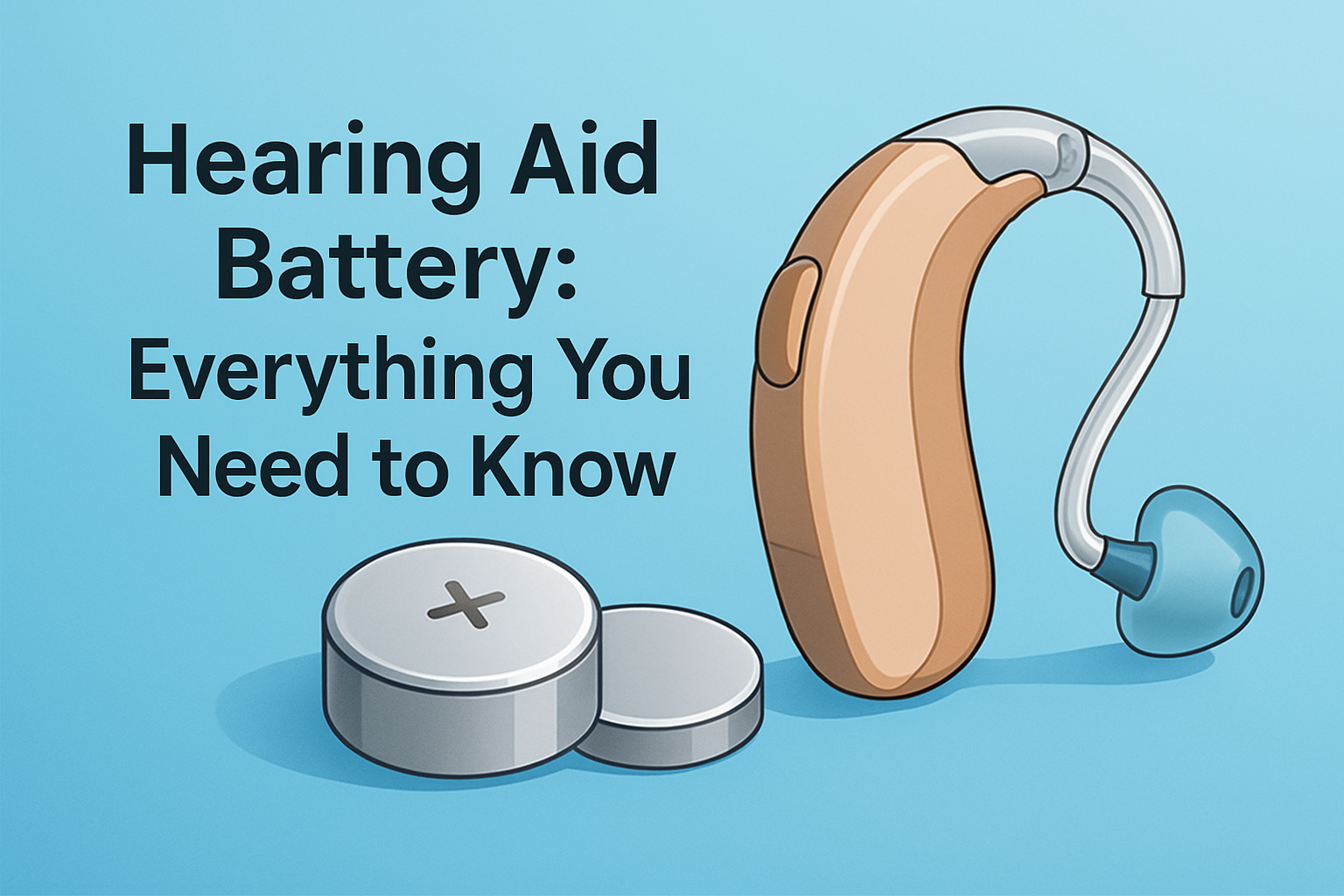
Hearing aids are life-changing devices, restoring the power of sound to those who experience hearing loss. At the heart of every hearing aid lies a small yet critical component: the battery. This article will delve into everything you need to know about hearing aid batteries, covering their types, lifespan, maintenance, and the pivotal role they play in your hearing experience. Understanding these aspects is crucial, as the quality and reliability of a hearing aid are directly influenced by its battery. This guide will empower you to make informed decisions, ensuring you choose the best option for your lifestyle and needs.
Types of Hearing Aid Batteries
There are several types of hearing aid batteries to choose from, primarily categorized into disposable and rechargeable batteries. Each type comes with its unique features, benefits, and limitations, which can affect your choice based on personal needs and preferences. Let’s take an in-depth look into these categories.
Disposable Zinc-Air Batteries
Disposable hearing aid batteries, commonly zinc-air batteries, are the most widely used type for their reliability and cost-effectiveness. These batteries come in standard sizes, marked with color codes for easy identification: size 10 (yellow), size 13 (orange), size 312 (brown), and size 675 (blue). Once the protective tab is removed, air activates the battery, ready to power your hearing device.
Real-World Example: A user with mild to moderate hearing loss might opt for a size 312 (brown) battery to power their compact in-the-ear (ITE) hearing aid. This choice ensures a discreet look without compromising on power, as this battery size offers reliable performance for up to two weeks before replacement is needed.
Rechargeable Hearing Aid Batteries
In recent years, rechargeable hearing aids have gained popularity, offering users an eco-friendly and cost-efficient alternative to disposable batteries. These batteries are typically lithium-ion or nickel-metal hydride and can be recharged daily, much like a smartphone.
Real-World Example: A hearing aid user who values sustainability might choose a device compatible with rechargeable lithium-ion batteries. These batteries last for a full day on a single charge, offering the convenience of simply placing the device in its charging station overnight. This option eliminates the need to keep spare batteries on hand or engage in frequent replacements.
Lifespan and Replacement Frequency
The lifespan of hearing aid batteries varies considerably depending on the type. Disposable zinc-air batteries typically last between 3-14 days, depending on the model of the hearing aid, the size of the battery, and the usage patterns. On the other hand, rechargeable batteries are designed to last for the life of the hearing aid, generally about three to five years before needing replacement.
Factors Influencing Battery Life
Several factors affect battery consumption, including streaming time (Bluetooth usage), the complexity of the listening environment (e.g., quiet room vs. noisy street), and the hearing aid settings. Increased functionality, such as wireless streaming, often leads to higher power usage.
Maintaining Battery Life
Proper maintenance of hearing aid batteries can significantly enhance their performance and lifespan. Keeping batteries dry and at room temperature, storing them away from moisture and heat, and letting zinc-air batteries breathe for a minute or two after removing the tab can make a noticeable difference in their longevity.
Choosing the Right Battery for Your Needs
Deciding which hearing aid battery is appropriate depends on your lifestyle, preferences, and specific hearing aid model. You should consider factors such as the device size, your daily schedule, environmental concerns, and your dexterity or ability to handle small batteries.
Common Myths About Hearing Aid Batteries
- Bigger batteries always last longer: The lifespan depends more on the power consumption of the hearing aid rather than the battery size alone.
- Batteries aren’t affected by temperature: Extreme temperatures, both hot and cold, can significantly affect battery performance.
- Running devices 24/7 is fine: Switching off your hearing aid when not in use saves battery life and prolongs the device’s overall lifespan.
Real-World Impact of Battery Choices
Consider Sarah, a working professional who spends most of her day connected to digital meetings. She finds great value in the convenience of rechargeable batteries. Charging her hearing aids nightly ensures that she’s always ready for her busy workday, promoting an uninterrupted digital experience.
Meanwhile, John, a retiree who enjoys quiet reading at home, prefers the reliability of disposable zinc-air batteries. The routine of replacing batteries every two weeks fits seamlessly into his lifestyle, and he appreciates not dealing with charging devices.
How to Replace Hearing Aid Batteries
Replacing batteries in a hearing aid is a straightforward task, often detailed in the user manual. To replace a disposable zinc-air battery, start by opening the battery door, carefully removing the old battery, and inserting a new one. Ensure the batteries are inserted correctly, matching the positive and negative sides as indicated.
| Battery Type | Activation | Lifespan |
|---|---|---|
| Zinc-Air | Air Exposure | 3-14 Days |
| Rechargeable | Charger | 3-5 Years |
Troubleshooting Common Battery Issues
Even with proper care, battery issues can occasionally arise. Common problems include short battery life, inconsistent performance, and difficulties with battery doors. Often, these can be resolved by cleaning the contact points, replacing the battery, or consulting a professional for more complex issues.
Planning for the Future
As technology advances, hearing aid users can look forward to continued improvements in battery efficiency and sustainability. Innovations like solar-powered solutions and enhanced battery chemistry hold the promise of longer-lasting, environmentally conscious options. Staying informed about these advancements will help you make proactive decisions about integrating future technologies into your hearing care regime.
Conclusion
Understanding the nuances of hearing aid batteries is essential to maximizing the performance and convenience of your hearing aid devices. From choosing between disposable zinc-air and rechargeable batteries to maintaining optimal battery health, each decision plays a crucial role in your hearing experience. With the right knowledge, you can tailor your battery choices to fit your unique lifestyle, ensuring consistent hearing aid performance.
In addition to understanding the mechanics behind the batteries, remember that proactive maintenance and staying informed about advancements can greatly enhance your hearing aid’s efficacy. Whether you are managing routine replacements or exploring innovative solutions, taking informed actions will ultimately empower you to maintain a seamless auditory experience.
If you’re contemplating a switch or simply looking for ways to improve your current setup, consult with a hearing care professional. They can provide tailored advice and expert recommendations suited to your needs, ensuring that your hearing aid continues to serve you efficiently.
Start today by evaluating your personal hearing habits, and consider which battery choice aligns best with your lifestyle and environmental priorities. This small yet impactful step can significantly influence the quality of your hearing aid journey.
Embrace this knowledge and make choices that power your world with sound clarity and reliability.
Frequently Asked Questions
1. What are the different types of hearing aid batteries and how do I choose the right one?
Hearing aid batteries come in a few different types and sizes, and choosing the right one for your device is essential. The most commonly used types are zinc-air button disposable batteries, which come in sizes 10, 312, 13, and 675. These sizes are color-coded across brands for easy identification: yellow (size 10), brown (size 312), orange (size 13), and blue (size 675). The size required depends on the model and size of your hearing aid. Some hearing aids, especially the newer models, also come with rechargeable battery options, which are convenient and environmentally friendly. Always refer to your hearing aid manufacturer’s instructions or consult with your audiologist or hearing aid provider to ensure you’re using the correct battery type. This choice can influence battery life, device performance, and your overall user experience.
2. How long does a hearing aid battery typically last?
Hearing aid battery life varies depending on the type and size of the battery as well as the user’s lifestyle, device settings, and environmental factors. For disposable zinc-air batteries, their lifespan can range between 3 to 10 days. Size 10 batteries generally have the shortest lifespan due to their small size, running around 3 to 5 days. Size 312 can last approximately 3 to 7 days, size 13 can last about 6 to 14 days, and size 675 usually lasts from 9 to 20 days. However, since these batteries are activated by exposure to air, usage also affects how long they last. Rechargeable lithium-ion batteries, on the other hand, typically last for a day on a single charge and can last a few years before needing replacement, which makes them a convenient option for daily users. Knowing when and how often you use your hearing aids can help you predict battery life better and prepare accordingly.
3. Can I extend the life of my hearing aid batteries? If so, how?
Yes, there are several strategies to maximize the life of your hearing aid batteries. For zinc-air batteries, a simple trick is the “Five-Minute Rule,” which involves peeling off the protective tab and letting the battery ‘breathe’ for about five minutes before inserting it into the hearing aid. This allows the battery to absorb enough air to fully activate, which can extend its lifespan. Additionally, turning off your hearing aids when not in use and opening the battery door at night can help conserve battery power. Store batteries at room temperature; high temperatures and humidity can reduce battery life. Keep your hearing aids and batteries clean, as dirt and moisture can also affect performance. If you use rechargeable batteries, form a habit of charging them nightly but avoid overcharging or exposing them to heat, which could decrease their capacity over time.
4. How important is it to maintain hearing aid batteries and what are the best practices to ensure they work efficiently?
Proper maintenance of hearing aid batteries is crucial to ensuring they work efficiently and prolonging their lifespan. Regularly cleaning your hearing aids and their battery compartments to remove any built-up dust or moisture is important, as these can corrode and interfere with battery contacts. Always handle batteries with clean, dry hands and avoid dropping them, as impact can damage the cells. Consider using a battery tester from time to time to check the battery’s remaining power, ensuring you’re not left without sound unexpectedly. Finally, always have a spare pack of batteries on hand, as well as traveling with a charger if you use rechargeable hearing aids, to prevent being caught off guard if a battery runs out. Following these practices ensures that your hearing aids are always ready to deliver clear, consistent sound.
5. What should I do if my hearing aid battery appears to be draining too quickly?
If your hearing aid battery is draining faster than expected, start by checking for simple issues, like whether the battery is correctly seated in its compartment or if the battery compartment is closed properly. Also, inspect for any debris or moisture in the battery compartment that might affect contact, cleaning gently if necessary. Ensure you are allowing time for batteries, particularly zinc-air types, to fully air activate before use. If these checks don’t reveal a solution, the issue could result from a malfunction in the hearing aid itself or changes in power settings (e.g., frequent use of streaming features increases battery drain). In these cases, it’s advisable to have your hearing aid assessed by an audiologist or hearing aid professional who can offer a detailed diagnosis and solutions, potentially recalibrating your device’s settings or identifying if a different type of battery might serve you better.