
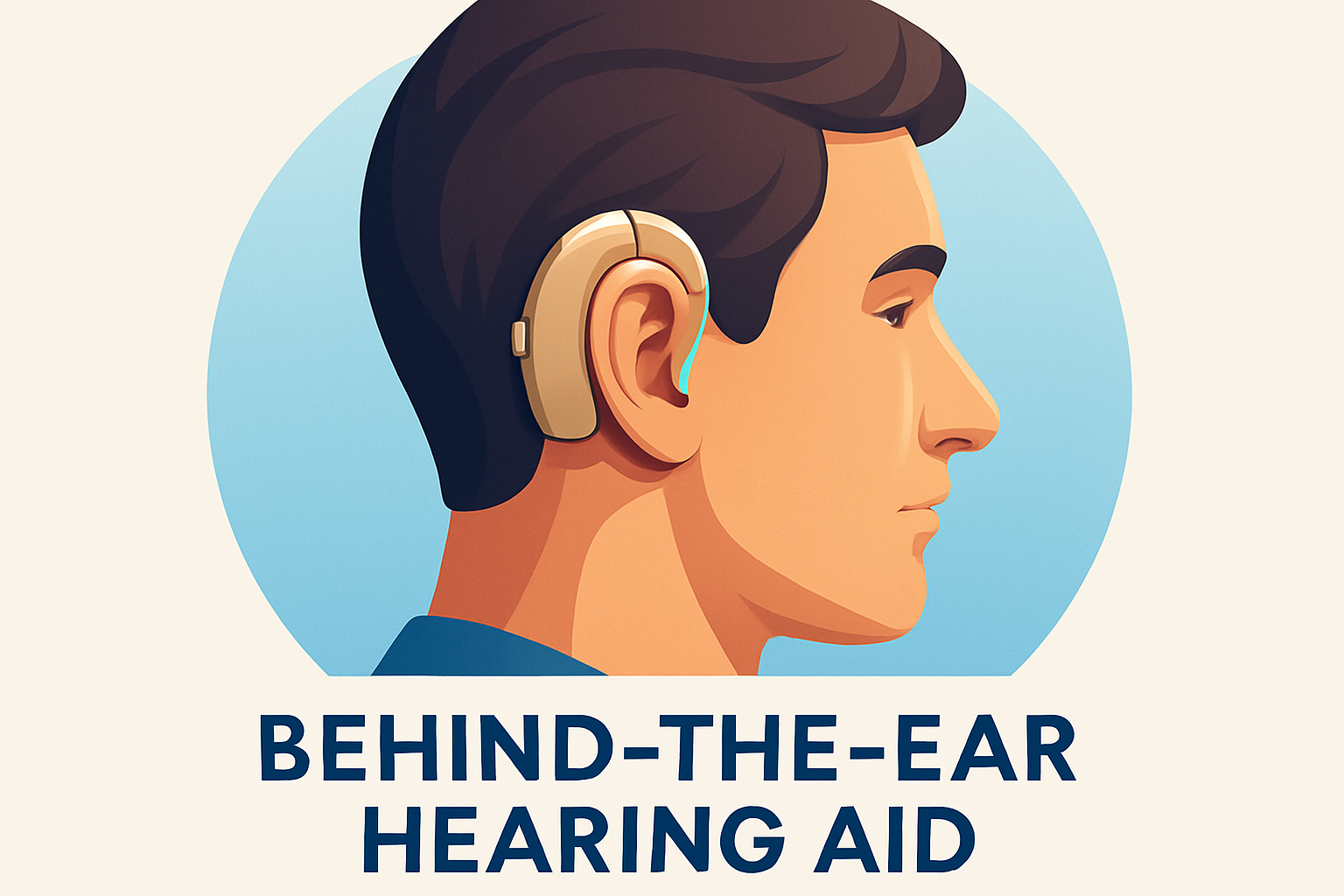
Hearing loss can significantly affect an individual’s quality of life. From difficulties in communication to avoidance of social settings, the implications are profound. In many cases, hearing loss can be effectively managed, allowing individuals to regain much of their auditory function. One such solution is the behind-the-ear (BTE) hearing aid. These devices are among the most common and versatile types of hearing aids available today. Designed to cater to a variety of hearing loss levels, they offer the convenience of being easy to handle and adjust. Understanding the intricacies of BTE hearing aids, from their components to their benefits, will help you make an informed decision about whether they are the right choice for you or a loved one.
Before diving into the specifics of BTE hearing aids, it’s important to understand what they are. A BTE hearing aid sits comfortably behind the ear, with a tube that connects to an earmold or a dome placed inside the outer ear canal. This design not only aids in sound amplification but also ensures comfortable and effective listening for the user. The reason why these hearing aids are vital to discuss is that they cater to all ages and varying degrees of hearing impairment, ranging from mild to profound hearing loss. By the end of this article, you’ll be equipped with comprehensive knowledge about BTE hearing aids, why they matter, and how they can dramatically improve quality of life for those with hearing impairments.
Components and Features of Behind the Ear Hearing Aids
The behind-the-ear hearing aid is a comprehensive piece of technology that combines several essential components. These include microphones, which capture sound, an amplifier that increases the sound’s volume, and a speaker that delivers the amplified sound into the ear. Additionally, BTE hearing aids are equipped with batteries that power the device, which can be either disposable or rechargeable. Advanced models are also equipped with digital sound processors that customize the listening experience by tailoring the amplification to specific sound environments.
For example, consider Sarah, a college student who found herself struggling to hear the lectures in large auditorium settings. After getting fitted with a BTE hearing aid equipped with digital sound processing, she could adjust the settings to better focus on the professor’s voice while minimizing background noise. This made it significantly easier for her to follow along and take comprehensive notes, enhancing her academic performance and confidence.
Advantages of Behind the Ear Hearing Aids
BTE hearing aids offer several advantages that make them a popular choice for many users. One of the most noteworthy benefits is their ability to accommodate a wide range of hearing loss levels. Their robust design allows for more powerful sound amplification compared to smaller hearing aids. Additionally, they are generally more durable and, due to their size, easier to handle for those with dexterity issues.
Another advantage is their ability to house additional features, such as Bluetooth connectivity. This technology allows users to connect their hearing aids directly to smartphones or other Bluetooth-enabled devices, providing a seamless auditory experience. For instance, John, a retired musician, was thrilled to discover that he could directly stream his favorite music from his smartphone to his BTE hearing aids, allowing him to enjoy clear and vibrant sound without the interference of background noise.
Considerations When Choosing Behind the Ear Hearing Aids
While BTE hearing aids offer numerous benefits, there are considerations to keep in mind when choosing them. One such consideration is visibility; due to their larger size and placement, they are more visible than other types of hearing aids, such as in-the-ear (ITE) models. This factor can significantly influence the decision for individuals concerned about aesthetics or discretion.
Another factor to consider is maintenance. BTE hearing aids may require more upkeep due to their external components. Regular cleaning and maintenance are essential to ensure they function correctly and last for many years. This can be particularly important for individuals like Mary, who lives in a humid climate. She noticed that moisture build-up affected her BTE hearing aids’ performance, prompting her to invest in a dehumidifier specifically for her hearing aid storage.
How Behind the Ear Hearing Aids Adapt to Technology
The landscape of hearing aids is rapidly evolving, and BTE models are not left behind in this advancement. Many manufacturers have integrated smart technology into their products, allowing users to monitor and adjust their hearing aids through smartphone applications. These apps provide the ability to control volume, switch between preset programs tailored to different environments, and track battery levels.
Additionally, BTE hearing aids are increasingly equipped with features to enhance sound quality, such as directional microphones that can focus on sounds coming from a specific direction. An example of this is in busy environments like a restaurant, where such technology helps the user focus on the conversation at their table rather than being overwhelmed by the ambient noise.
| Feature | Benefit |
|---|---|
| Bluetooth Connectivity | Allows direct streaming from smart devices. |
| Directional Microphones | Focuses hearing in specific directions to minimize background noise. |
| Rechargeable Batteries | Convenient and eco-friendly, reducing the need for frequent replacements. |
Real-World Application of Behind the Ear Hearing Aids
One of the most compelling aspects of BTE hearing aids is their real-world applicability, making daily life more accessible for users. Take the experience of Lydia, an elderly woman who deeply values spending time with her grandchildren. However, her profound hearing loss was preventing her from comfortably participating in their conversations and activities. After being fitted with BTE hearing aids, Lydia enjoyed clear sound, whether they were reading books together or engaging in lively discussions over dinner. Her relationship with her family was notably improved as she could partake in their cherished interactions more fully.
Additionally, BTE hearing aids frequently appear in educational settings for children with hearing impairments. Schools have adopted various strategies to integrate these devices into classroom settings, ensuring students have the tools they need for effective learning. This may include the use of FM systems, which are compatible with many BTE hearing aids, providing a direct connection between the teacher’s microphone and the student’s device for crystal-clear sound.
Behind the Ear Hearing Aids and the Stigma Challenge
Despite the range of benefits they offer, there is still a lingering stigma surrounding the use of hearing aids among some individuals. BTE hearing aids, with their visible profile, can sometimes exacerbate this issue. However, changing perceptions about hearing aids have been fostered by advocacy from user communities and hearing professionals alike. Many are working to normalize the presence of hearing aids and promote them as valuable tools for improving life quality rather than signs of disability.
An illustrative story can be that of Tom, who initially hesitated to wear his BTE hearing aids due to the stigma. However, after joining a local support group, he was inspired by others who proudly wore their devices, using them as conversation starters to advocate for hearing awareness. This helped Tom embrace his hearing aids, turning what was once seen as a challenge into a newfound confidence.
Summary and Call to Action
Behind-the-ear hearing aids are an innovative solution that can significantly enhance auditory experience and quality of life for those with hearing impairments. From their versatile design and advanced technology features, they provide tangible benefits across various real-world settings. Whether it’s reducing the strain of hearing in complex sound environments or allowing seamless integration with digital devices, BTE hearing aids are a reliable choice for many.
The key takeaway here is that these devices are more than just hearing aids—they are gateways to a fuller life, enabling individuals to engage actively in social and familial relationships and educational or professional settings. As society continues to shift towards a more inclusive understanding of hearing loss, the stigma associated with hearing aids is decreasing, making it an opportune time to explore hearing aid options.
If you or a loved one is experiencing hearing loss, consider scheduling a consultation with an audiologist. They can provide guidance on the best hearing aid solutions tailored to specific needs. Taking this step could mean transforming the way you experience sound in your daily life. Do not delay in exploring the transformative benefits presented by behind-the-ear hearing aids.
Frequently Asked Questions
1. What is a Behind-the-Ear (BTE) Hearing Aid and how does it work?
The Behind-the-Ear (BTE) hearing aid is a type of hearing device designed to sit comfortably behind the ear. It is popular due to its versatility and ability to accommodate a wide range of hearing loss levels— from mild to profound. The BTE hearing aid comprises several components: a small plastic case housing the electronic amplifier and microphone, an ear hook to secure it behind the ear, a tube that directs sound to a customized earmold or ear dome that fits snugly in the ear canal, and in some models, a thin wire connecting the unit to the speaker/receiver positioned inside the ear. This configuration allows sound to be collected by the microphone, processed and amplified in the casing, and transmitted into the ear canal for hearing. Its design not only ensures effective amplification but also supports features like directional microphones, telecoils, and Bluetooth connectivity for enhanced audio experiences.
2. Who is a good candidate for a BTE hearing aid?
BTE hearing aids are suited for a broad array of users, from children to elderly individuals, due to their flexibility and robust features. They are particularly beneficial for those with mild to profound hearing loss. The large casing allows for more powerful amplification and housing of additional features that benefit different users’ lifestyles. It’s versatile for both occasional users and those who need extensive support throughout the day. The adjustable nature, combined with the capability to accommodate different types of earmolds and domes, makes it favorable for users with varying ear shapes and sizes. Furthermore, individuals with dexterity issues may find BTE aids easier to handle due to their larger size and easier battery replacement options.
3. What are the advantages of using a BTE hearing aid compared to other types?
BTE hearing aids come with several advantages that make them a preferred choice for many. Firstly, their size allows for more powerful amplification, making them suitable for a wide range of hearing loss levels. They also offer more features than many smaller, in-the-ear models, including telecoils—which help in hearing over telephones—and directional microphones that enhance hearing in noisy environments. The larger size also accommodates Bluetooth technology, allowing for direct streaming of audio from electronic devices. Additionally, they are more durable and have a longer battery life compared to smaller hearing aids. Maintenance and cleaning are notably easier due to their component separation. Lastly, they are often easier to repair and adjust, resulting in a lower overall cost of ownership in the long run.
4. Are there any disadvantages to BTE hearing aids?
While BTE hearing aids offer many benefits, they also come with certain disadvantages. Their visibility is often more pronounced compared to smaller, in-ear models, which some users may find undesirable if they prefer discreet options. Users may experience initial discomfort as they adjust to wearing the device behind their ears, and it can sometimes interfere with wearing spectacles or face masks. Moisture and sweat accumulation due to the position can also lead to discomfort or device malfunctions. Furthermore, individuals who engage in high-impact sports or activities without adequate protection may experience movement or dislodging of the device. The tubing connecting the casing to the earmold may need regular replacement due to wear and tear, especially if not properly maintained or if exposed to moisture frequently.
5. How can I properly maintain and care for my BTE hearing aid?
Proper maintenance of your BTE hearing aid is crucial for its performance and lifespan. Regular cleaning involves wiping down the casing with a dry, soft cloth to remove any moisture or earwax. The earmold or ear dome should be cleaned regularly to avoid blockages by using the appropriate tools or solutions recommended by your audiologist. Periodically replace the tubing if you notice any discoloration, hardening, or moisture inside, as these can affect the sound quality. Always store your hearing aid in a dry case when not in use and remove the batteries if you plan on not using it for extended periods to prevent corrosion. Additionally, regular check-ups with an audiologist for professional cleaning, adjustments, or repairs are highly recommended to ensure optimal performance and to address any changes in hearing needs.