
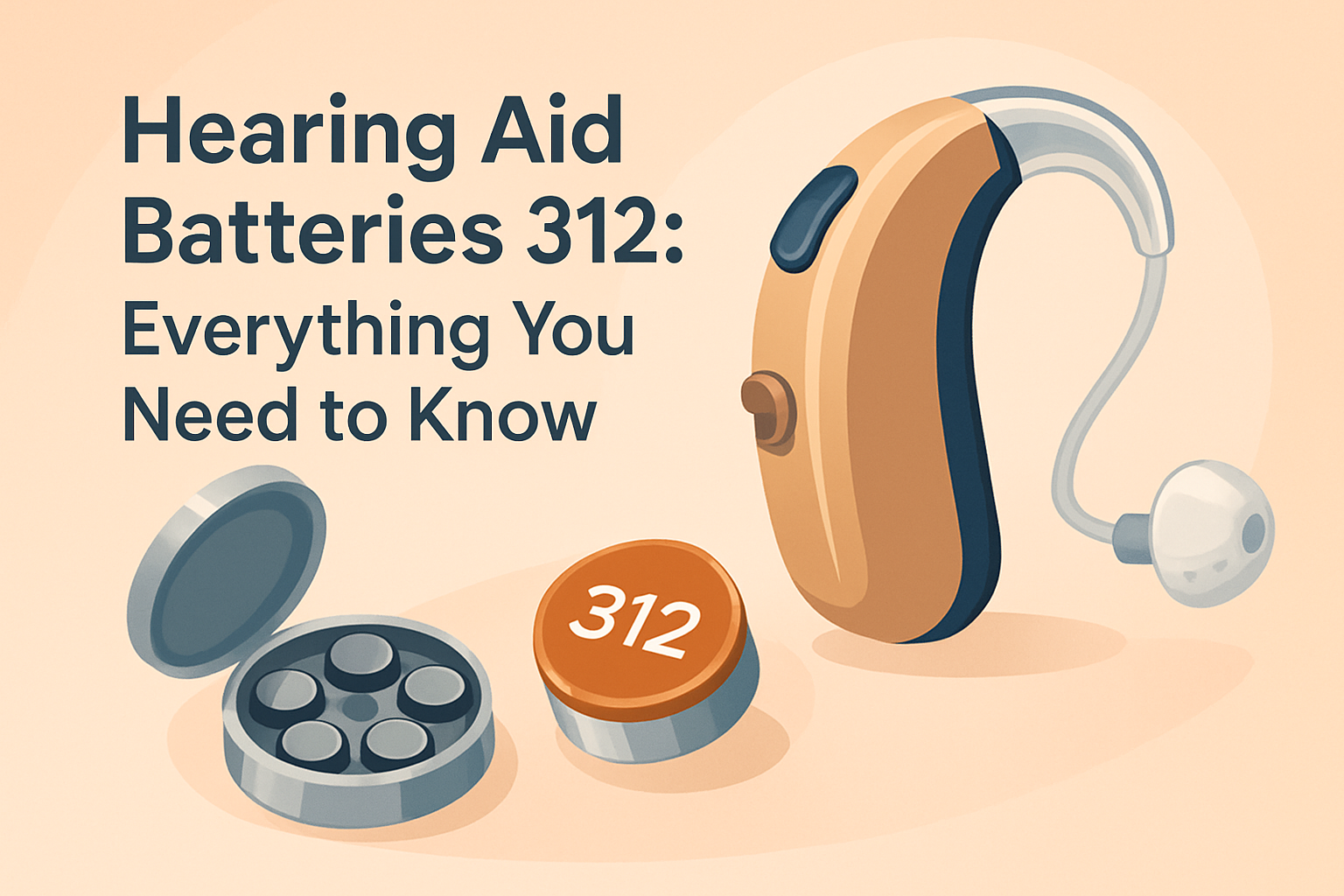
Hearing aid batteries 312 are small zinc-air power cells designed to run many behind-the-ear and in-the-ear hearing aids, and knowing how they work can save money, prevent frustrating outages, and help you get the most from every device. Battery size 312 is one of the most common hearing aid battery formats, typically identified by a brown tab and standardized dimensions that allow compatibility across a wide range of models from major brands. If you wear hearing aids, support a family member who does, or manage devices in a clinic, understanding 312 batteries matters because battery performance affects sound quality, streaming reliability, and day-to-day confidence.
In practice, I have seen more hearing aid problems traced to battery handling than to actual device failure. Users often assume any short battery life means the hearing aid is defective, yet simple factors such as removing the tab too early, storing batteries in humid bathrooms, or mixing old and new packs can dramatically shorten usable life. The term zinc-air refers to the chemistry inside the cell. Once the protective tab is removed, air enters tiny holes in the battery, activating the chemical reaction that generates electricity. Unlike rechargeable hearing aid systems, disposable 312 batteries begin depleting as soon as they are activated, whether or not the hearing aid is used continuously.
A standard 312 hearing aid battery delivers about 1.45 volts and is intended for low-drain medical devices that need steady output in a very compact form. Typical capacity often falls around 160 to 180 milliamp-hours, though exact performance depends on brand, age, storage conditions, hearing aid power demands, Bluetooth streaming use, and environmental factors such as altitude or humidity. These batteries follow industry sizing conventions used by manufacturers including Duracell, Rayovac, Power One, and Energizer, so the battery door on the hearing aid and the color code on the package help ensure a correct match.
Why does this topic deserve a full guide? Because the wrong battery habits create avoidable cost and inconvenience. For many users, especially older adults, hearing aids are not optional electronics; they are essential health devices tied to communication, cognition, safety, and quality of life. A battery that dies unexpectedly during a medical appointment, family gathering, work call, or trip can immediately reduce access to speech. Better battery knowledge also supports search intent across practical questions people ask every day: how long 312 batteries last, whether all brands are the same, how to store them, how to dispose of them, and when rechargeable hearing aids may be a better choice.
This guide answers those questions directly and clearly. You will learn what hearing aid batteries 312 are, how long they usually last, what affects lifespan, how to choose a reliable brand, and which handling habits actually improve performance. You will also see the tradeoffs between disposable and rechargeable options, along with safety guidance and a straightforward buying checklist. If you want fewer battery surprises and more dependable hearing aid use, mastering the basics of 312 cells is one of the highest-value steps you can take.
What hearing aid batteries 312 are and how they work
Hearing aid batteries 312 are disposable zinc-air button cells built to a standardized size used in many hearing aids that balance compact design with moderate power demand. The size designation refers to the physical dimensions, not just the brand. Most 312 cells measure roughly 7.9 millimeters in diameter and 3.6 millimeters in height, making them smaller than size 13 batteries but larger than size 10. The brown color tab is the quickest visual identifier, and hearing aid packaging, manuals, and battery doors usually match this color coding to reduce selection mistakes.
The chemistry is important because it explains battery behavior. Inside a zinc-air cell, zinc reacts with oxygen from the air to produce electrical energy. The adhesive tab on a fresh battery seals the air holes, preventing activation during storage. Once that tab is removed, oxygen enters the cell and the reaction begins. That is why hearing aid professionals often recommend waiting about one to five minutes after removing the tab before inserting the battery. This short waiting period, sometimes called “air activation,” can help the battery reach full operating voltage more consistently, especially in devices sensitive to startup performance.
Not every hearing aid uses size 312. Power-hungry models, older high-output devices, or some specialty instruments may use other sizes or rechargeable systems instead. Still, 312 remains widely used because it offers a practical middle ground: enough capacity for many modern hearing aids without adding unnecessary bulk. In my experience fitting and troubleshooting hearing aids, users often appreciate 312-based devices because the batteries are easy to handle compared with tiny size 10 cells, while still keeping the hearing aid itself relatively discreet.
One common misconception is that all 312 batteries perform identically because they share the same size. In reality, manufacturing quality, freshness, packaging integrity, and consistency under high-drain use can vary. A premium battery from a reputable manufacturer may not always last dramatically longer in every situation, but it often delivers more stable performance, fewer duds, and better shelf reliability. That matters most for hearing aids with wireless features, frequent environmental adjustments, or all-day wear patterns.
How long 312 hearing aid batteries last in real use
The average lifespan of hearing aid batteries 312 is usually about three to ten days, but the practical answer depends on how the hearing aid is used. For a traditional digital hearing aid without frequent wireless streaming, many users see four to seven days of service. For devices that stream phone calls, television audio, or music over Bluetooth, battery life can drop faster, sometimes into the three-to-five-day range. For lighter daily use or lower-gain fittings, a fresh 312 battery may stretch beyond a week.
Battery drain is driven by the hearing aid’s workload. A mild hearing loss generally requires less amplification than a severe hearing loss, so the device may consume less power. Features such as directional microphones, feedback cancellation, tinnitus masking, environmental classification, and wireless synchronization between left and right aids also add energy demand. Streaming is especially significant because radio transmission draws more current than basic amplification alone. This is why two people wearing the same hearing aid model can report very different battery life.
Environmental conditions also matter. Zinc-air batteries can perform poorly in very dry or very humid conditions, and high altitude may alter oxygen availability enough to affect output. Storage age is another factor. Even before activation, batteries slowly age on the shelf, so fresher stock generally performs better. I advise clients to check package dates when possible and buy from sellers with high turnover rather than from random marketplace listings where stock may sit for long periods. If a “new” pack gives consistently short life, age or poor storage is often the reason.
When users ask, “How do I know whether my battery life is normal?” I tell them to track three things: days per battery, average daily wear time, and streaming hours. That simple log reveals patterns quickly. If your 312 battery usually lasts six days and suddenly falls to two, the cause may be increased streaming, a battery door not closing tightly, moisture in the hearing aid, or a device issue that needs professional inspection. Consistency is the benchmark; a sudden change deserves attention.
Factors that shorten or extend battery performance
Several practical habits have a measurable effect on 312 battery life. The first is tab handling. If you remove the tab and immediately insert the battery, the cell may still work, but giving it a brief activation period can improve reliability. The second is storage. Keep batteries at room temperature in their original packaging, away from metal objects, humidity, and direct sunlight. Refrigeration is not recommended for modern hearing aid batteries because condensation can damage both the cell and the hearing aid.
Moisture management is another major variable. Hearing aids sit in a warm, humid environment near the skin and can accumulate sweat or ear moisture. Excess moisture increases current leakage risks and can make users blame the battery when the real issue is the device. A hearing aid dehumidifier or drying cup is often worthwhile, especially for active users, people in hot climates, and anyone with recurring battery drain. In clinic settings, I have repeatedly seen “bad battery” complaints disappear once the hearing aid was dried and cleaned properly.
Battery contacts also deserve attention. Oils from fingers, wax residue, or corrosion on the hearing aid contact points can interrupt current flow and cause intermittent operation. Open the battery door at night to reduce moisture buildup and inspect the compartment regularly. If contacts look dirty, have them cleaned during a routine hearing aid service rather than scraping them yourself. Small mechanical parts are easy to damage.
Brand quality, package age, and purchasing source also influence results. Buying in bulk can save money, but only if you can use the batteries before they age significantly. For many wearers, a six-month supply is reasonable; a multi-year stockpile is usually not. And while low-cost generic batteries may seem attractive, inconsistent quality control can erase savings if cells expire early or fail unexpectedly.
| Factor | Effect on 312 Battery Life | Best Practice |
|---|---|---|
| Immediate insertion after tab removal | May reduce startup consistency | Wait 1 to 5 minutes before inserting |
| High Bluetooth streaming use | Shortens lifespan noticeably | Carry spares and monitor streaming hours |
| Humid storage area | Can degrade battery and device performance | Store in a cool, dry room |
| Old or poorly stored inventory | Leads to weak or inconsistent output | Buy from reputable high-turnover sellers |
| Dirty battery contacts | Causes intermittent power issues | Schedule professional cleaning |
How to choose the best 312 battery brand and where to buy
The best hearing aid batteries 312 are not defined by marketing claims alone. They are the batteries that provide stable voltage, predictable lifespan, low failure rates, and reliable packaging from a trusted source. Well-known names in this category include Duracell Hearing Aid, Rayovac Extra Advanced, Power One, and Energizer. In comparative user experience, differences are often modest in ideal conditions, but noticeable gaps can appear in demanding devices or after long shelf storage. Consistency matters more than headline claims.
When selecting a brand, start with your hearing aid manufacturer’s recommendations and your own usage pattern. If you use Bluetooth heavily, choose a premium brand with strong distribution and fresh stock. If your hearing aid use is lighter and you replace batteries on a predictable schedule, several mainstream brands may perform similarly. I recommend testing one or two packs from different manufacturers rather than committing immediately to a very large order. A short trial reveals whether a battery works well with your specific hearing aid and routine.
Where you buy matters almost as much as what you buy. Audiology clinics often stock fresh, appropriate batteries and can quickly confirm the correct size. Pharmacies, medical suppliers, warehouse clubs, and reputable online retailers are also common sources. Be careful with third-party marketplace listings that do not show clear expiration information or seller accountability. Counterfeit and stale batteries are not the norm, but they exist. A suspiciously low price, damaged packaging, or missing color coding is enough reason to avoid a purchase.
Finally, evaluate total cost, not just price per cell. A battery that costs slightly more but lasts longer, fails less often, and avoids emergency replacements is often the better value. For households managing multiple hearing aid users, subscription delivery from a reliable seller can simplify inventory while keeping stock fresh. Think in terms of dependability first, bargain hunting second.
Safety, disposal, and the rechargeable alternative
Safety is essential because 312 batteries are small enough to be swallowed by children or pets, and button battery ingestion is a medical emergency. Store unopened packs and used batteries well out of reach, preferably in a locked drawer or high cabinet. If ingestion is suspected, contact emergency services or poison control immediately; do not wait for symptoms. Hearing aid wearers who live with grandchildren or pets should treat battery handling as seriously as medication storage.
Disposal should also be deliberate. Although modern hearing aid batteries are mercury-free in many markets, local recycling and waste rules still apply. Many pharmacies, hearing clinics, and community recycling programs accept used batteries. Do not leave spent batteries loose in pockets, purses, or countertops where they can contact metal or be mistaken for fresh ones. A simple labeled container for used cells makes disposal safer and more organized.
Some users ask whether rechargeable hearing aids make 312 batteries obsolete. The answer is no. Rechargeable models are increasingly popular because they reduce handling demands and eliminate frequent battery purchases, but disposable systems still have clear advantages. A 312-powered hearing aid can be revived instantly with a fresh cell during travel, long workdays, power outages, or camping trips. Rechargeable devices require charging discipline and eventual battery service as internal cells age. For users with dexterity issues, rechargeables may be preferable; for users who value instant replacement and broad battery availability, 312 remains highly practical.
The right choice depends on lifestyle, hearing aid design, and backup planning. I often tell users that disposables offer flexibility while rechargeables offer convenience. Neither is universally better. What matters is choosing the system you can manage confidently every day.
Hearing aid batteries 312 remain a dependable power source for millions of hearing aid users because they combine standardized sizing, broad compatibility, and practical all-day performance in a compact format. The most important facts are straightforward: size 312 batteries use zinc-air chemistry, activate when the tab is removed, typically last several days rather than weeks, and perform best when stored properly, handled carefully, and purchased from reputable sources. For most users, dependable battery life comes less from brand loyalty alone and more from consistent habits.
If you remember only a few points, remember these. Use the correct brown-tab 312 size for compatible hearing aids. Let the battery breathe for a minute or two after tab removal. Store packs in a cool, dry place, not in the bathroom or refrigerator. Track your average days per battery so you can spot abnormal drain early. Keep spare batteries with you if you stream often, travel, or rely on hearing aids for work and safety-critical situations. And treat every button battery as a safety risk around children and pets.
There is no single best battery for everyone. The best 312 battery is the one that delivers stable performance in your specific hearing aid, under your specific daily conditions, from a seller you trust. Premium brands often justify their cost through better consistency, but even the best battery will underperform if it is old, poorly stored, or inserted without good handling practices. Likewise, if battery changes have become burdensome, rechargeable hearing aids may be worth discussing with your audiologist.
Ultimately, better battery knowledge leads to better hearing aid reliability, and better reliability supports clearer communication, stronger independence, and less daily stress. Review your current battery routine, check your storage habits, and ask your hearing care professional whether your present 312 brand and usage pattern are the right fit for your device. A few small changes can produce noticeably better results.
Frequently Asked Questions
1. What are 312 hearing aid batteries, and how do I know if they fit my hearing aids?
Hearing aid batteries 312 are small zinc-air batteries made to power many behind-the-ear and in-the-ear hearing aids. They are one of the most widely used battery sizes in modern hearing devices because they offer a practical balance between compact size and dependable runtime. Size 312 batteries are typically identified by a brown color code on the package and pull tab, which makes them easier to recognize when shopping in stores or online. They also follow standardized dimensions, so a 312 battery from one reputable brand should match the same physical size as a 312 battery from another.
The best way to confirm compatibility is to check your hearing aid user manual, the battery compartment label, or the manufacturer’s product information. Many hearing aids have the battery size printed either inside the battery door or on the device documentation. If your device requires a 312 battery, you should always use that exact size rather than trying to substitute another battery type, even if it looks similar. Using the correct size ensures proper fit, reliable power delivery, and safe operation. If you are unsure, your audiologist or hearing care provider can quickly verify the right battery size for your specific model.
2. How do zinc-air 312 hearing aid batteries work, and why is there a tab on them?
Size 312 hearing aid batteries use zinc-air technology, which means they are activated by air rather than being fully switched on at the factory. The small tab attached to the battery seals tiny air holes on the surface. Once you remove the tab, oxygen enters the battery and starts a chemical reaction with the zinc inside, generating power for your hearing aid. This design helps keep batteries fresh while they are sealed and gives them a long shelf life when stored properly.
The tab is not just there for handling convenience. It plays an important role in preserving the battery before use. After removing the tab, it is a good idea to wait about one to two minutes before placing the battery into your hearing aid. This short waiting period allows air to fully activate the battery, which can help improve initial performance and support more consistent power delivery. One important thing to remember is that once the tab is removed, the battery begins discharging, even if it is not immediately installed in a device. That is why it is best to remove the tab only when you are ready to use the battery.
3. How long do 312 hearing aid batteries usually last?
The lifespan of a 312 hearing aid battery depends on several factors, including the type of hearing aid, how many hours per day you wear it, streaming features, sound processing demands, and environmental conditions. In general, many users find that a size 312 battery lasts anywhere from about three to ten days. Devices with more advanced features, such as Bluetooth connectivity, frequent audio streaming, tinnitus masking, or stronger amplification, often use more power and may shorten battery life. Simpler devices or more moderate daily use may allow the battery to last longer.
Humidity, temperature, and storage habits also affect runtime. Batteries stored in very hot or damp places may lose performance faster, and a hearing aid exposed to moisture can consume power less efficiently. To get a more accurate expectation, it helps to track how often you replace batteries over a few weeks. If you notice a sudden drop in battery life, it could point to excessive moisture, a battery door issue, debris in the contacts, or a change in device performance that should be checked by a hearing professional. A dramatic change does not always mean the batteries are bad; sometimes the hearing aid itself needs servicing or cleaning.
4. What is the best way to store and use 312 hearing aid batteries to make them last longer?
Proper storage and handling can make a meaningful difference in both battery performance and reliability. Keep 312 hearing aid batteries in their original packaging until you are ready to use them, and store them at room temperature in a dry place. Avoid keeping them in bathrooms, cars, windowsills, or anywhere they may be exposed to excess heat, cold, or humidity. Refrigeration is generally not recommended for modern hearing aid batteries because moisture and condensation can interfere with performance.
When you are ready to replace a battery, remove the brown tab and let the battery sit for a minute or two before inserting it into the hearing aid. Make sure your hands are clean and dry, since oils or moisture can affect the battery and the device contacts. At night, many users open the battery door on their hearing aids to reduce moisture buildup and allow the device to dry out, which can support more consistent operation. It is also smart to carry spare batteries, especially when traveling or spending long days away from home. If your hearing aids stop working unexpectedly, replacing the battery with a fresh one is often the first and simplest troubleshooting step.
5. Are all 312 hearing aid batteries the same, and what should I look for when buying them?
All genuine size 312 hearing aid batteries share the same standardized size, but they are not necessarily identical in overall quality, consistency, packaging, or shelf life. Reputable brands generally offer reliable performance, clear expiration dates, and good manufacturing standards. While one brand may seem to last slightly longer than another in a specific hearing aid, the difference often comes down to device power demands, freshness of stock, and storage conditions rather than size alone. The most important thing is to buy the correct battery size from a trusted source.
When shopping for 312 batteries, look for the brown color coding, check the expiration date, and choose sealed packaging that appears undamaged. It is often worth buying from established pharmacies, hearing clinics, medical suppliers, or well-known online retailers to reduce the risk of old or poorly stored batteries. If you use batteries regularly, multipacks can save money and help ensure you always have extras on hand. You should also think about your routine: if you travel often, individually secured packaging may be more convenient, while bulk packs may offer better value for everyday home use. If your hearing aid manufacturer recommends a specific battery brand, that guidance can be helpful, but in most cases any high-quality size 312 zinc-air hearing aid battery should work as long as it is fresh and compatible with your device.