
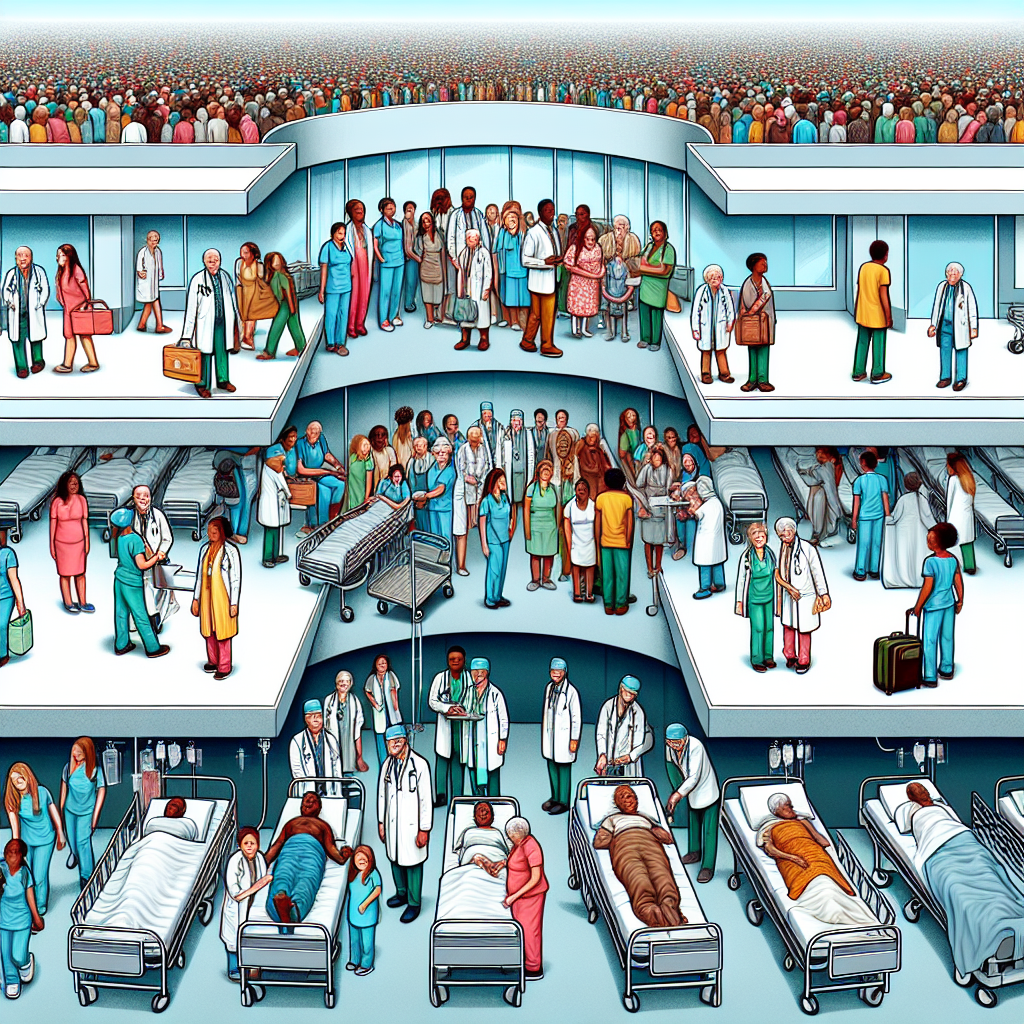
In recent years, there has been an increasing awareness of the wide array of challenges faced by individuals with hearing loss and deafness in various facets of life. One prominent area where these challenges are notably prevalent is healthcare. Hospitals and healthcare providers often fall short in effectively accommodating the needs of deaf and hard-of-hearing patients, resulting in significant healthcare disparities. It is imperative for society to recognize and address these issues to ensure that these individuals receive equitable healthcare services. Legal rights and social advocacy play a critical role in bridging these gaps by promoting better accessibility and cultural competence within the healthcare system.
Communication is essential in healthcare settings, as it directly impacts patient outcomes. For the deaf community, communication barriers can lead to misunderstandings, misdiagnoses, or inadequate medical treatment. These issues not only compromise the health of deaf individuals but also infringe upon their legal rights. Despite existing legislation aimed at protecting the rights of disabled individuals, such as the Americans with Disabilities Act (ADA), gaps in enforcement and awareness persist.
Legal frameworks provide a foundation for ensuring the rights of deaf patients, but active steps towards social advocacy are required to forge substantial improvements in accessibility. Social advocacy encompasses a variety of efforts, including raising awareness, educating healthcare providers, and fostering inclusive environments. As we delve deeper into the intersection of legal rights and social advocacy, we can uncover actionable strategies and showcase successful models that effectively address these disparities.
Legal Rights of Deaf Individuals in Healthcare
Legal protections for the deaf community in the United States are designed to eliminate barriers and promote equal access. The Americans with Disabilities Act (ADA), enacted in 1990, prohibits discrimination against individuals with disabilities in various areas, including public accommodations, employment, transportation, and services provided by state and local governments. In healthcare, this means that hospitals and clinics are legally obliged to offer services that cater to the needs of deaf patients.
The ADA mandates that healthcare facilities provide auxiliary aids and services to ensure effective communication. These aids may include qualified interpreters, note takers, written materials, or assistive listening systems. However, compliance with these regulations varies widely among healthcare providers, often due to a lack of awareness or misinterpretation of the requirements.
Additionally, the Rehabilitation Act of 1973, particularly Section 504, alongside the Affordable Care Act, bolsters the ADA’s intent by prohibiting disability discrimination in any program or activity receiving federal financial assistance. These legal instruments are pivotal in establishing a framework for inclusive healthcare, yet the execution often falls short, leaving a significant portion of the deaf population underserved.
To drive change, it’s crucial that both patients and healthcare professionals are informed of these legal rights. Knowledge empowers deaf individuals to advocate for themselves, demanding better services and holding facilities accountable for compliance. Simultaneously, educating healthcare providers about their legal obligations fosters a culture of inclusivity and respect for patient rights, reducing instances of negligence and ensuring that deaf patients receive the care they deserve.
Barriers to Healthcare Accessibility
Despite the legal framework aimed at enhancing accessibility, deaf individuals continue to encounter numerous obstacles in healthcare environments. A primary barrier is the lack of effective communication, which is often exacerbated by insufficiently trained personnel or an absence of qualified interpreters. Communication difficulties can lead to incomplete patient histories, inaccurate diagnoses, or inappropriate treatments, all of which severely compromise patient care.
Additionally, misconceptions and biases about deafness can influence the attitudes of healthcare providers. Some may underestimate the cognitive abilities of deaf individuals or consider them incapable of participating in their healthcare decisions. This paternalistic view further marginalizes deaf patients, reducing their opportunities for active engagement in their own health management.
Technological barriers also play a part in the challenges faced by deaf individuals in healthcare. While technology such as video remote interpreting (VRI) can provide solutions, the reality is that not all facilities have access to reliable technology or trained staff to operate such systems. Furthermore, the availability and usability of assistive technologies often vary, making it difficult for deaf patients to consistently receive the same level of care.
Addressing these barriers requires a multi-faceted approach that includes enhancing provider education, improving technology access, and promoting a cultural shift towards inclusivity and patient-centered care. By tackling these issues head-on, we can create a healthcare system that truly accommodates the diverse needs of all patients, including those who are deaf or hard of hearing.

The Role of Social Advocacy
Social advocacy is a powerful catalyst for advancing the rights and quality of life for deaf individuals, particularly in healthcare. Advocacy efforts focus on educating society about deafness, promoting inclusive policies, and pushing for systemic changes that can lead to substantial improvements in healthcare access and delivery.
Successful advocacy campaigns often involve collaboration between various stakeholders, including deaf individuals, healthcare professionals, legal experts, and advocacy organizations. These groups work together to identify key issues, develop strategies for change, and implement initiatives that drive progress. Programs designed to increase cultural competence within healthcare organizations are essential in reducing communication barriers and creating more welcoming environments for deaf patients.
Advocacy can also take the form of public awareness campaigns, which aim to dismantle stereotypes and educate the general public and healthcare providers about the unique challenges faced by deaf individuals. These campaigns can lead to increased understanding and empathy, encouraging more inclusive practices and policies.
At the grassroots level, empowering deaf individuals to advocate for themselves is crucial. Providing resources and education about legal rights, effective communication strategies, and self-advocacy skills equips deaf patients to demand better care and foster change within the healthcare system. By transforming awareness into action, social advocacy serves as a vital mechanism for closing the accessibility gap in healthcare.
Implementing Inclusive Strategies in Healthcare Facilities
To tackle healthcare disparities and ensure equitable access, healthcare facilities need to implement inclusive strategies designed around the unique needs of deaf patients. These strategies should prioritize effective communication and foster an environment of understanding and respect.
Comprehensive training programs for healthcare staff are a foundational element of creating inclusive environments. Training should cover not only the technical aspects of communicating with deaf patients, such as the use of interpreters or assistive devices, but also cultural sensitivity and deaf awareness education. By understanding the cultural and linguistic differences within the deaf community, healthcare providers are better equipped to deliver personalized and compassionate care.
Moreover, facilities should invest in reliable and accessible technology to aid communication efforts. This includes ensuring that video remote interpreting is available and functioning correctly, developing protocols for obtaining on-site interpreters when necessary, and equipping rooms with appropriate assistive devices. Additionally, written communication tools should be integrated into standard procedures for healthcare delivery.
Encouraging patient-centered care approaches can also enhance the healthcare experiences of deaf individuals. By involving patients in their own care plans, acknowledging their preferences, and actively seeking their input, providers can ensure that treatments are better aligned with patient needs. This shift towards shared decision-making fosters trust and builds a strong provider-patient relationship, crucial for positive health outcomes.
The Impact of Policy Change and Legislation
While grassroots advocacy and facility-level changes are vital in promoting accessibility, policy change and legislation remain significant drivers of systemic improvements in healthcare for the deaf community. Legislative efforts aimed at tightening the enforcement of existing laws and introducing new supportive policies are required to eliminate disparities and guarantee equitable care.
Policies that mandate the availability of qualified interpreters, subsidize the cost of assistive technologies, and offer incentives for healthcare facilities that exceed compliance requirements can contribute to a more accessible healthcare landscape. Furthermore, specific guidelines for monitoring and evaluating the effectiveness of accessibility measures can ensure that policy changes have the desired impact.
Collaboration between policymakers, healthcare providers, and advocacy groups is essential in crafting legislation that effectively addresses current gaps. By leveraging the expertise and firsthand experiences of deaf individuals, we can create policies that are truly reflective of their wants and needs.
Ultimately, sustainable improvement hinges on the combination of policy-driven change and community-level action. Together, these forces can transform healthcare into a system where accessibility is a given, not an aspiration, providing equal opportunities for health and wellness to every individual, regardless of hearing ability.
Conclusion
The journey towards eliminating healthcare disparities for the deaf community is complex and ongoing, but it is one that must be pursued with determination and solidarity among all involved stakeholders. Legal rights provide a crucial backdrop for advocacy efforts, yet true accessibility is only achieved through the concerted action of everyone in society.
Healthcare providers have the responsibility to not only comply with legal mandates but to embrace a mindset of inclusivity and respect. By empowering their staff with the knowledge and skills to communicate effectively with deaf patients, and by investing in the necessary resources, hospitals can become models of equitable healthcare.
Advocacy organizations and deaf individuals must continue to champion the cause, using their voices and expertise to push for more inclusive policies and practices. This collective advocacy can lead to a transformation where the healthcare system is responsive, culturally informed, and fully accessible to all.
As we move forward, maintaining an open dialogue on the challenges and opportunities in deaf healthcare can enable us to develop more effective solutions. By nurturing empathy, understanding, and awareness, we contribute to a world where healthcare disparities are a thing of the past, ensuring that every patient has the chance to live a healthy, fulfilling life.