
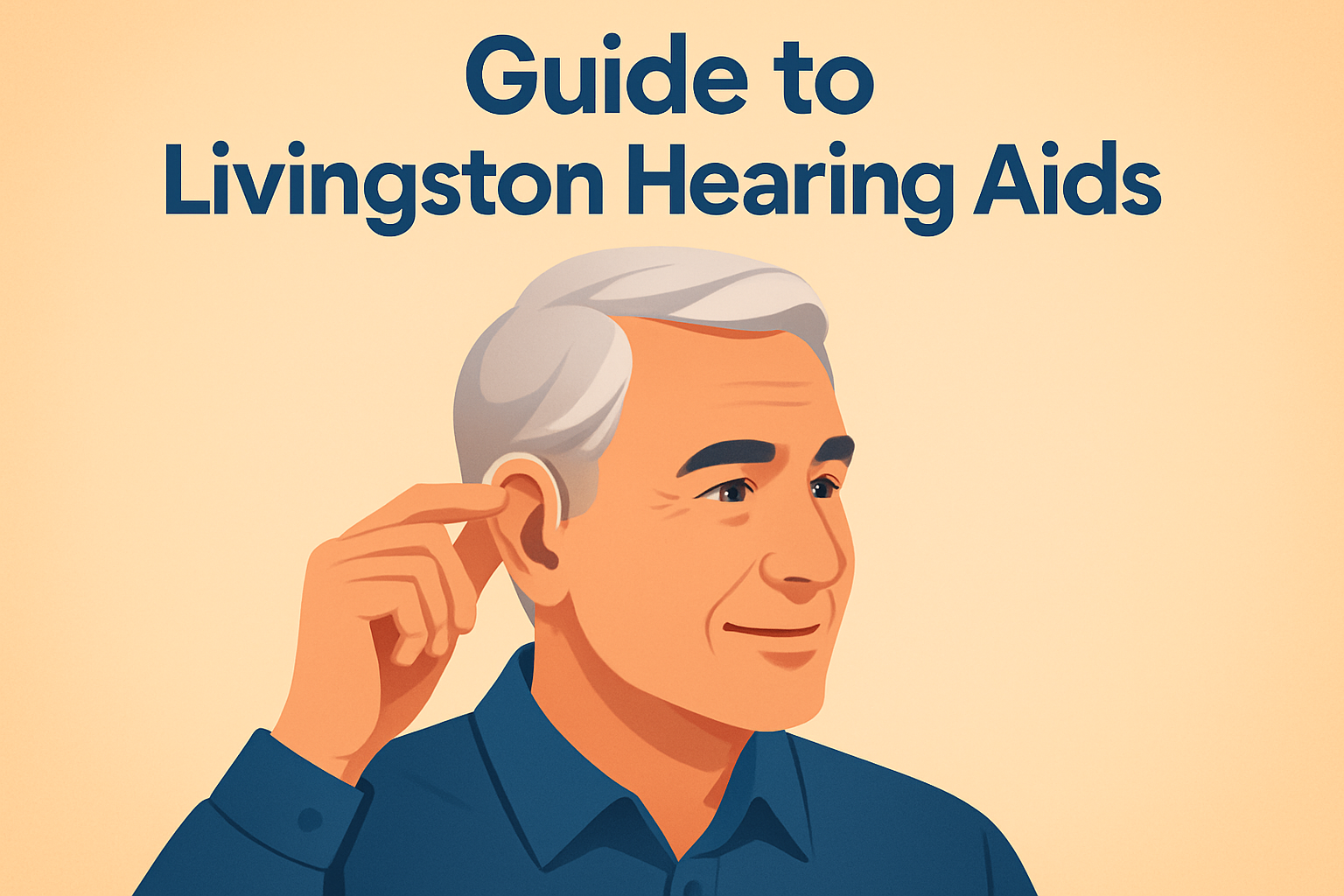
Hearing aids have transformed the way individuals with hearing impairments engage with the world and lead fulfilling lives. Livingston hearing aids, in particular, offer a range of devices that cater to diverse hearing needs and preferences. This guide will explore the significance of Livingston hearing aids, delve into their features, and demonstrate how these devices improve the quality of life for those with hearing loss. Understanding hearing aids is essential, as over 466 million people worldwide experience disabling hearing loss, which can impact communication, social interaction, and emotional well-being. With the right hearing aids, individuals can regain their confidence, reconnect with loved ones, and participate in everyday activities.
Understanding Livingston Hearing Aids
The first step in exploring Livingston hearing aids is understanding what they are and how they function. Livingston hearing aids are advanced electronic devices designed to enhance hearing by processing and amplifying sound. These devices consist of a microphone to pick up sound, an amplifier to increase its strength, a receiver to deliver the sound into the ear, and a battery to power the components. Livingston hearing aids come in various styles, including behind-the-ear (BTE), in-the-ear (ITE), and completely-in-canal (CIC) options, allowing users to select devices based on their lifestyle and degree of hearing loss. To illustrate, consider John, a teacher who struggled to hear students in his classroom due to mild hearing loss. By opting for a discrete ITE Livingston hearing aid, John was able to engage more effectively with his students and maintain his professional performance.
The Importance of Customization
A crucial benefit of Livingston hearing aids is their ability to be customized to fit an individual’s specific hearing loss patterns, lifestyle needs, and personal preferences. The level of customization ensures that users receive the optimal hearing assistance tailored to their unique requirements. For example, someone with an active lifestyle might favor a water-resistant model, while a frequent traveler may prefer one with extended battery life. Livingston hearing aids are fitted by hearing specialists, ensuring that each device is programmed to address the specific frequencies and volume levels where a user has lost hearing. Consider Sarah, an avid swimmer, whose hearing aids would suffer damage during her regular pool sessions. Livingston offers water-resistant variants, allowing Sarah to enjoy swimming without any concern about her hearing devices.
Features of Livingston Hearing Aids
Livingston hearing aids stand out due to their sophisticated features, which enhance user experience and improve hearing clarity. These features include directional microphones, noise reduction technology, and wireless connectivity. Directional microphones focus on sound from a specific direction while minimizing background noise, essential in environments like restaurants or busy streets. Noise reduction technology further enhances this by filtering unwanted ambient sounds, allowing clearer understanding of conversations. Wireless connectivity is a game-changer for users as it allows seamless integration with smartphones, TVs or laptops, enabling them to control hearing settings remotely and stream audio directly to their hearing aids. Mark, a businessman who constantly joins meetings on his laptop, finds wireless connectivity particularly useful, ensuring that he remains engaged and informed without missing crucial information.
Real-World Application
To illustrate the impact of these features, consider the scenario of a person attending a family gathering, where multiple conversations and background noises abound. A user with Livingston hearing aids can utilize directional microphones and noise reduction technology to hone in on a specific speaker. Meanwhile, their hearing aids can be synced with a video call on a smartphone to catch up with a family member who couldn’t attend. Integration with telecoil technology means hearing aids can connect to hearing loop systems for events such as concerts or public speaking engagements, providing clear sound directly to the user’s ears. Alternatively, Jessica, a music enthusiast and concert-goer, appreciates the seamless experience her Livingston hearing aids offer in large, noisy environments.
Livingston Hearing Aids Styles and Options
Since everyone’s hearing needs and comfort preferences differ, Livingston provides various styles of hearing aids to cater to specific demands. The three primary classes are behind-the-ear (BTE), in-the-ear (ITE), and completely-in-canal (CIC). BTE models rest behind the ear and fit a wide range of hearing losses, ideal for any age. ITE devices are custom-made to fit within the outer ear, offering a middle-ground option that is less visible than BTE models. For the most discreet option, CIC styles remain hidden within the ear canal, although they may not be suitable for those with severe hearing loss. Lucy opted for BTE hearing aids because she values their extensive battery life and easy operation due to her arthritis, which makes handling smaller devices challenging.
| Livingston Hearing Aid Style | Features | Best for |
|---|---|---|
| Behind-the-Ear (BTE) | Durable, versatile, easy to adjust | All ages, various hearing loss levels |
| In-the-Ear (ITE) | Custom fit, less visible | Moderate to mild hearing loss |
| Completely-in-Canal (CIC) | Most discreet, minimal visibility | Mild to moderate hearing loss, appearance-conscious users |
The Role of Professional Assessment and Fitting
A significant aspect of ensuring Livingston hearing aids perform optimally is the involvement of a qualified hearing specialist for assessment and fitting. A professional audiologist is equipped to conduct tests to diagnose the type and severity of hearing loss and provide personalized recommendations. These experts work with individuals to fine-tune the hearing aids, enhancing user comfort and functionality. For instance, Frank found that after his hearing test and fitting, his Livingston hearing aids provided unparalleled performance, boasting frequency adjustments tailored to his hearing profile. Professionals provide ongoing maintenance and support, assisting with future adjustments to account for any changes in hearing over time. Mary, who uses hearing aids, joins routine check-ups to ensure her devices remain in prime working condition.
Financial Considerations and Accessibility
Livingston hearing aids are an investment in one’s quality of life, and while costs may vary depending on style, features, and connectivity, understanding the financial aspect is vital for potential users. Insurance policies sometimes impact the financial expense, with some factors contributing to lower out-of-pocket costs. Additionally, government programs or financial aid might be available to support purchasing hearing aids. Evaluating these options is crucial for making informed decisions about enhancing hearing capabilities. Consider Tom, who manages his budget while exploring options to purchase his Livingston hearing aids, available financing plans, and insurance claims to optimize costs. It matters to confirm with insurance providers or local agencies to determine eligibility and financial solutions, hence obtaining affordable, quality hearing aids.
Comparing Livingston with Other Brands
Understanding the competitive landscape can aid in selecting hearing aids that meet personal needs. While multiple brands offer similar devices, Livingston distinguishes itself through customization options, cutting-edge technology, and excellent customer support. Comparing features across various brands can reinforce confidence in the choice to invest in Livingston, considering long-term satisfaction, functionality, and sustainability. Anna researched extensively, weighing options based on user reviews, price, and corresponding technology, eventually opting for Livingston due to their emphasis on understanding complex customer needs and offering innovative solutions.
Summarizing the Guide to Livingston Hearing Aids
Livingston hearing aids are a versatile, advanced solution for those experiencing hearing loss, providing enhanced auditory experiences through tailored customization and technological innovations. This guide has explored crucial aspects, including their functionality, different styles, professional involvement, financial considerations, and a comparison with other brands. The key takeaway for users is that opting for Livingston hearing aids can significantly improve the quality of life, ensuring users remain connected and active in their daily environments. Finally, taking steps such as consulting with a hearing specialist or exploring financial assistance programs can smooth the transition to a better auditory future. Ready to enhance your hearing experience? Contact a hearing specialist today to explore Livingston hearing aids and discover the world of sound anew.
Frequently Asked Questions
1. What makes Livingston hearing aids unique compared to other brands?
Livingston hearing aids are renowned for their commitment to innovation, user-centric design, and technology tailored for various degrees of hearing loss. One aspect that sets Livingston apart is their broad spectrum of hearing aids available, each designed to meet specific auditory challenges and lifestyle needs. Whether you require a device for mild hearing loss or need advanced support for severe impairments, Livingston offers solutions ranging from discreet in-ear styles to more robust behind-the-ear models. Their focus on customization enables users to have a perfectly fitted device that maximizes comfort and performance.
Additionally, Livingston hearing aids are equipped with state-of-the-art features such as noise reduction, feedback cancellation, and wireless connectivity to smartphones and other devices. These attributes ensure that users experience a seamless auditory experience, decreasing common frustrations faced by those with hearing impairments, such as background noise interference in busy environments. Livingston’s dedication to ongoing research and development means that they continually optimize their products, ensuring users benefit from the latest advancements in hearing aid technology.
2. How do Livingston hearing aids improve quality of life for those with hearing impairments?
The use of Livingston hearing aids significantly elevates the quality of life for individuals with hearing loss by enhancing their ability to communicate effectively, engage socially, and perform day-to-day activities without added stress. Hearing is crucial for understanding speech, and with proper amplification through Livingston devices, users can experience clarity in conversations, which promotes better relationships and social integration.
The ergonomic design and advanced features of Livingston hearing aids mean they can be worn comfortably for extended periods, providing a natural auditory experience without fatigue. They are designed to compensate for different hearing environments, whether at home, in a crowded place, or during outdoor activities, thus empowering users to participate fully in their surroundings. The increase in confidence and independence stemming from improved hearing capabilities in turn contributes positively to mental wellbeing, reducing instances of isolation or depression that are often associated with hearing loss.
3. What features should I look for when choosing a Livingston hearing aid?
When selecting a Livingston hearing aid, it’s important to consider several key features to ensure you find the perfect match for your needs. Start by evaluating the type and degree of your hearing loss. Consult with a hearing specialist who can help diagnose your condition and recommend appropriate models. Look for devices with advanced audio processing technology, such as noise reduction and feedback cancellation, which help maintain sound clarity in diverse settings.
Consider the device’s form factor – whether you prefer In-The-Ear (ITE), Behind-The-Ear (BTE), or Completely-In-Canal (CIC) styles – as comfort and aesthetic preferences play a critical role. Connectivity features, such as Bluetooth capability, are also essential for users who wish to stream audio directly from smartphones or engage in hands-free calling. Battery life and options for rechargeability can also influence your decision, particularly if you require a device that can last through the day without frequent recharging. Ultimately, the best choice combines practical functionality with personal comfort and ease of use.
4. How do I maintain and care for my Livingston hearing aids to ensure their longevity?
Proper care and maintenance are vital for extending the life of your Livingston hearing aids and maintaining optimal performance. Start by establishing a routine cleaning schedule. Use a soft, dry cloth to clean your devices daily, removing any earwax or debris that may accumulate on the surface. Do not use water, alcohol, or cleaning agents as they may damage the sensitive components of the device.
Regularly check and replace wax guards or filters if your model uses them, as these prevent earwax from reaching the internal electronics. Store the hearing aids in a dry, safe place when not in use, preferably in a dehumidifier case to minimize moisture exposure, which can be harmful. Additionally, schedule periodic check-ups with your audiologist to assess the performance of your hearing aids and make any necessary adjustments. By treating them with care, you can ensure that your Livingston devices continue to function smoothly and reliably for years to come.
5. Can Livingston hearing aids be customized for my specific hearing needs?
Yes, Livingston hearing aids offer a high degree of customization to cater to the specific hearing requirements and preferences of each user. The customization process begins with a comprehensive hearing assessment by a certified audiologist, who can identify the nature and severity of your hearing loss. Based on this evaluation, they can recommend the most suitable Livingston hearing aid model and tailor its settings to enhance your auditory experience.
Many Livingston aids come with programmable features that allow an audiologist to adjust sound frequencies, volume levels, and personalized listening profiles according to your environment and personal comfort. Some models include app-based controls, allowing you to make minor adjustments or switch between modes directly from a smartphone. This level of personalization ensures that the hearing aid not only fits well physically but also aligns with how you perceive and process sound, enabling you to enjoy a clearer and more enjoyable hearing experience.