
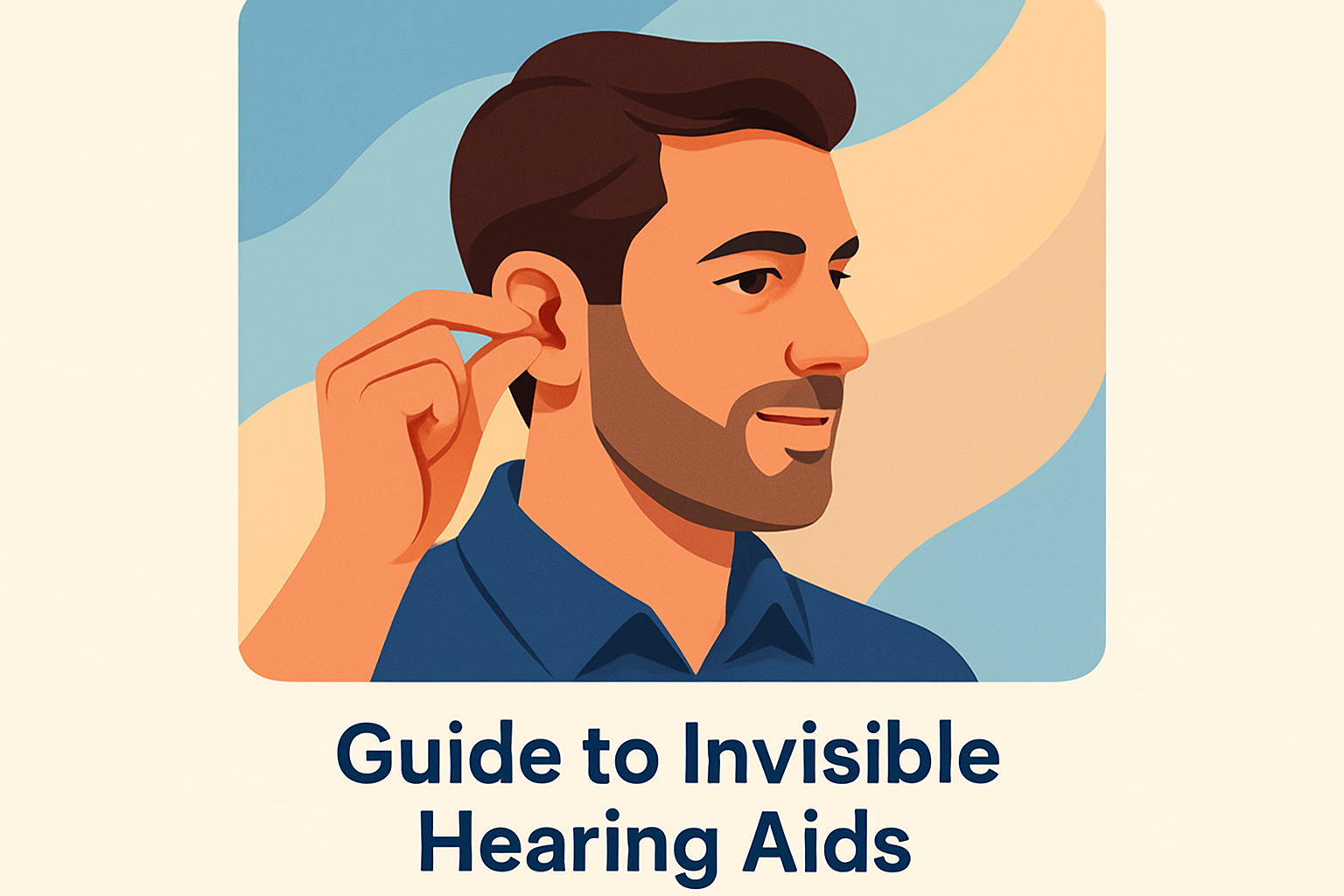
Invisible hearing aids have emerged as a revolutionary solution in the world of audiology, offering cosmetic appeal, enhanced technology, and improved convenience for users. As the technology behind hearing aids continues to advance, invisible hearing aids are becoming increasingly popular among those who prefer discretion without sacrificing performance. This guide aims to delve into the intricacies of invisible hearing aids, exploring their benefits, types, and suitability for different hearing impairments. Understanding these factors is crucial for anyone considering or currently using a hearing aid, as it can significantly impact their overall hearing experience and quality of life.
Understanding Invisible Hearing Aids
Invisible hearing aids, as the name suggests, are hearing aids designed to be invisible or hardly noticeable when worn. Unlike traditional hearing aids that rest behind the ear, invisible models are placed deeper in the ear canal, offering not only discretion but also a more natural listening experience. These devices harness advanced technological features that enhance sound clarity, reduce noise, and improve speech understanding. The appeal of invisible hearing aids lies in their seamless integration into one’s daily life without drawing attention to the fact that the user has a hearing impairment.
Types of Invisible Hearing Aids
Invisible hearing aids come in various forms, each designed to meet specific lifestyle needs and degrees of hearing loss. The primary types include Completely-in-Canal (CIC) and Invisible-in-Canal (IIC) hearing aids. CIC hearing aids are custom-fitted and sit deep inside the ear canal, making them nearly invisible. They are suitable for mild to moderate hearing loss and offer features like wireless connectivity and noise reduction. IIC hearing aids, on the other hand, are placed even deeper in the canal, making them completely invisible under most circumstances. These are typically used for mild to moderately severe hearing loss and are known for their comfort and superior sound quality.
Features of Modern Invisible Hearing Aids
Modern invisible hearing aids are equipped with cutting-edge features that redefine user experience. These include:
- Sound Enhancement Technology: Advanced hearing aids incorporate digital signal processing to enhance speech sounds while minimizing background noise. This helps in understanding conversations in noisy environments, a common challenge for those with hearing loss.
- Wireless Connectivity: Connecting to smartphones, TVs, and other devices allows users to stream audio directly, improving accessibility and convenience.
- Auto-Sensing Capabilities: Many invisible hearing aids can automatically adjust settings based on the listening environment, providing a tailored hearing experience.
- Feedback Management: Advanced feedback management systems reduce the annoying whistling sounds associated with hearing aids, enhancing comfort and usability.
These features not only elevate the performance of hearing aids but also ensure that users can navigate through diverse soundscapes with ease and comfort.
Real-World Examples and Usage
Consider Jane, a professional marketing executive who recently transitioned to an invisible hearing aid. Due to her demanding job, Jane often attends meetings in dynamic environments. Her previous behind-the-ear hearing aid drew unwanted attention, affecting her confidence. Switching to an invisible IIC device equipped with noise reduction and wireless features allowed her to effortlessly stream audio from her laptop during online meetings. The nearly invisible design restored her confidence, ensuring that her hearing aid remained a discreet part of her professional and personal life.
Advantages of Invisible Hearing Aids
Invisible hearing aids offer several distinct advantages. The primary benefit is their discretion, as these devices are almost invisible to others, making them a popular choice for those who feel self-conscious about wearing hearing aids. Furthermore, their deep placement in the ear allows for a more natural sound experience, as the outer ear still plays a role in collecting sound. This placement also means that they’re typically protected from wind noise, a common issue with traditional models. Additionally, modern invisible hearing aids are equipped with the latest digital technology, offering enhanced sound quality and processing capabilities. These factors combined make them an attractive option for many users.
Considerations and Potential Limitations
While invisible hearing aids offer numerous benefits, it’s important to consider their potential limitations. Due to their small size, they may not be suitable for individuals with severe hearing loss, as they can house fewer technological features compared to larger models. Moreover, their fit inside the ear canal means they are more susceptible to earwax buildup, which can require more frequent cleaning and maintenance. Battery life is another consideration, as smaller hearing aids typically use smaller batteries, which may need more frequent replacement. Lastly, the custom nature of these devices often means a higher price point compared to traditional hearing aids.
Suitability for Different Hearing Loss Levels
Invisible hearing aids are best suited for individuals with mild to moderate hearing loss, as they offer enough amplification to support these levels of impairment. Their discreetness and technological advancements make them a desirable option for those looking to balance auditory needs with aesthetics. However, individuals with severe hearing loss will likely require behind-the-ear or larger in-the-ear models capable of delivering more powerful amplification and technological features. The decision should always be made in consultation with an audiologist, who can assess hearing needs and recommend the most appropriate solution.
Cost Considerations
The cost of invisible hearing aids can vary significantly based on the brand, technology, and customization required. On average, prices range from $1,500 to $4,000 per device. This might place them out of reach for some potential users; however, the investment is often justified by the benefits they provide, such as enhanced sound quality, discretion, and advanced features. It is advisable to explore insurance options, financing plans, or government programs that may offer assistance with the cost. Comparing multiple brands and consulting with an audiologist can help in finding a device that fits both needs and budget.
Ensuring a Proper Fit
The effectiveness of invisible hearing aids largely depends on their fit. A snug fit ensures that sound does not leak, maintaining the integrity of sound quality. Most invisible hearing aids are custom-molded to fit the unique contours of the user’s ear canal. The fitting process usually involves taking a precise impression of the ear canal, ensuring that the device fits comfortably and remains secure. This is crucial not only for comfort but also for minimizing the risk of the hearing aid falling out during normal activities. Periodic evaluations are recommended to ensure that the fit remains optimal, especially if there are changes in ear health or structure.
Maintaining Invisible Hearing Aids
Given their size and placement, invisible hearing aids require diligent maintenance. Regular cleaning is essential to prevent earwax blockages that can impair functionality. Most devices come with cleaning kits specifically designed to address such needs. Users should also be mindful of moisture, as excess exposure can damage sensitive electronic components. Proper storage when not in use, such as in a dry case, can help prolong the life of the hearing aid. It is also advisable to have routine check-ups with an audiologist to ensure that the device operates correctly and to address any potential issues promptly.
Real-life Testimonials and Outcomes
Many users of invisible hearing aids report significant improvements in their quality of life. John, a retired school teacher, shares how his CIC hearing aids have enabled him to reengage with community activities he had previously avoided due to hearing difficulties. The ease of use, coupled with the discretion offered by his invisible devices, has restored his confidence in social settings. Similarly, Amanda, a young professional, highlights the seamless integration of her IIC hearing aids with her lifestyle. The ability to stream music and phone calls directly to her hearing aids while enjoying the invisibility they offer has profoundly impacted her daily interactions for the better.
Conclusion: Embracing the Benefits of Invisible Hearing Aids
Invisible hearing aids represent a significant advancement in audiology technology, offering users a blend of aesthetics and functionality. With improvements in digital sound processing and customization options, these devices provide a nuanced approach to managing hearing loss unobtrusively. While they may not be suitable for every level of hearing impairment, the advantages they offer make them an appealing option for many. For those considering invisible hearing aids, consulting with a qualified audiologist is essential to determine the best fit for individual hearing needs. By understanding the options available and making an informed decision, individuals can significantly enhance their hearing experience and, in turn, their quality of life.
For those interested in exploring invisible hearing aids further, the next step is to schedule a consultation with a hearing care professional. This will provide an opportunity to discuss specific hearing challenges, explore the latest technology, and find a solution that meets both auditory and lifestyle needs.
Frequently Asked Questions
1. What are invisible hearing aids and how do they differ from traditional hearing aids?
Invisible hearing aids, as their name suggests, are designed to be unnoticeable when worn, thereby providing users with a discreet option for hearing support. Unlike traditional hearing aids, which are typically larger and worn behind the ear, invisible hearing aids are placed deep within the ear canal. This placement makes them virtually unnoticeable from the outside. They are custom-fitted to each individual’s ear canal, ensuring a snug fit and optimized hearing improvement. The principal difference between invisible and traditional hearing aids lies in their size, placement, and cosmetic appearance. Invisible hearing aids manage to pack advanced technology into a tiny form, offering features like noise reduction, wireless connectivity, and even adaptable algorithms that adjust to different environments, all while being small enough to remain unseen.
2. What types of invisible hearing aids are available and how do I know which one is suitable for me?
There are several types of invisible hearing aids, including Completely-In-Canal (CIC) and Invisible-In-Canal (IIC) models. CIC hearing aids fit entirely within the ear canal and are slightly visible when deeply examining the ear, whereas IICs are inserted even deeper into the ear canal, making them entirely invisible from an outsider’s perspective.
To determine which type is suitable for you, a consultation with an audiologist is essential. They will assess the degree and nature of your hearing loss, the size and shape of your ear canal, and your personal preferences to recommend the most suitable model. Additionally, some people may have specific ear canal shapes or sizes that can impact the fit and effectiveness of invisible aids, so professional guidance is crucial for optimal results.
3. Are invisible hearing aids suitable for all types of hearing loss?
Invisible hearing aids are best suited for individuals with mild to moderate hearing loss. Their compact size limits them in terms of battery life and power output compared to larger models, thus making them less effective for severe or profound hearing loss. However, for those with a suitable range of hearing loss, they provide an exceptional blend of discretion and performance. Again, an audiologist will carry out tests to determine whether invisible hearing aids are appropriate for your specific condition. It’s also worth mentioning that technological advancements are continually enhancing the capabilities of invisible hearing aids, so it’s a good idea to remain informed about new developments in the field.
4. What benefits do invisible hearing aids offer over other hearing aid options?
Invisible hearing aids offer several compelling benefits, making them a preferred choice for many. First and foremost is their cosmetic appeal—being virtually invisible, they provide users with confidence and comfort in social and professional settings without drawing attention. Furthermore, their deep placement within the ear canal takes advantage of the outer ear’s natural ability to funnel and amplify sounds, leading to a more natural auditory experience.
In terms of technology, many invisible hearing aids are designed with features that enhance listening clarity and ease. They often include sophisticated noise reduction algorithms, feedback cancellation, and adaptive directionality to minimize background noise and focus on the primary sound source. Some models even offer wireless streaming capabilities, allowing users to connect to smartphones and other audio sources seamlessly. These innovations combined with the inconspicuous nature of invisible hearing aids provide an unmatched user experience.
5. Are there any drawbacks to using invisible hearing aids compared to other options?
While invisible hearing aids offer numerous advantages, there are a few potential drawbacks to consider. Due to their small size, the batteries used in invisible hearing aids are smaller, which often means they need to be replaced more frequently, adding to maintenance tasks for users. Extracting and inserting tiny hearing aids can be challenging for users with limited dexterity, so ease of handling may vary based on individual capabilities.
Additionally, their smaller size may mean a reduction in the power output, resulting in them being less suitable for severe hearing loss. Because they’re placed deep within the ear canal, they’re also more exposed to earwax and moisture, which could potentially lead to maintenance issues if not appropriately cared for. Nevertheless, routine care and occasional professional cleaning can generally mitigate these risks.