
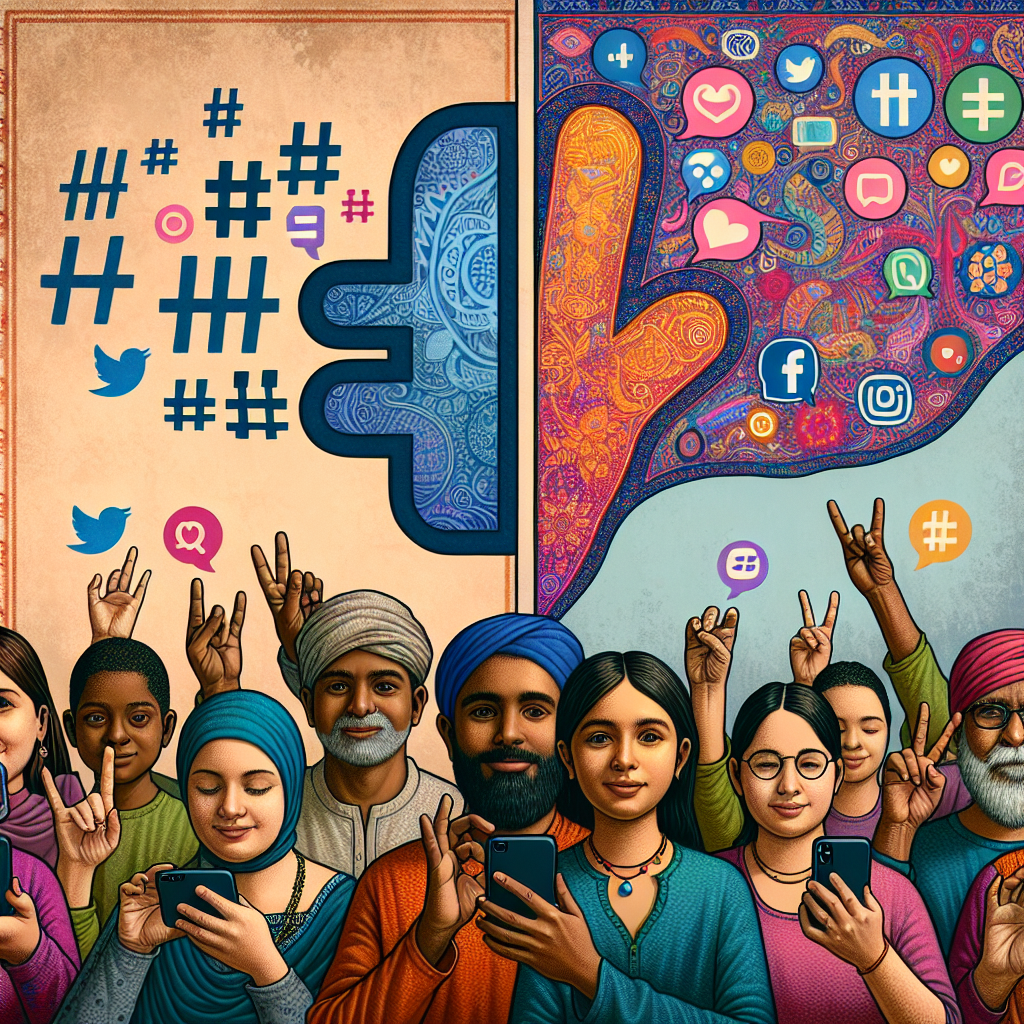
In recent years, the ever-evolving landscape of social media has profoundly impacted various social movements and advocacy efforts, including those centered around Deaf education and awareness. With its ability to disseminate information instantaneously and connect individuals from diverse backgrounds, social media has become an indispensable tool for advocates and allies within the Deaf community. It serves as a platform to both share stories and educate the masses, thus fostering an environment where awareness and understanding can flourish. This article delves into the transformative power of social media movements in promoting Deaf advocacy through the lens of storytelling and education.
As digital platforms continue to embed themselves into our daily lives, their capacity to reach audiences surpassing traditional methods of communication has gained prominence. Social media’s immediacy allows Deaf advocates to broadcast messages, organize campaigns, and foster discussions that might otherwise go unheard. The stories shared through these platforms often focus on real-life experiences, challenges, and successes within the Deaf community, providing a unique insight into their world. This storytelling aspect is crucial, as it not only highlights the struggles encountered but also celebrates the achievements and resilience of Deaf individuals, encouraging a more inclusive society.
Furthermore, social media is a catalyst for education about Deaf culture and Sign Language. Platforms such as YouTube, Instagram, and TikTok feature content creators who share educational videos and tutorials, spreading awareness and teaching Sign Language to a global audience. By bridging the communication gap, these resources empower both Deaf and hearing people to engage with each other more inclusively, fostering mutual understanding and respect. Exploring the dynamics of social media movements in this context reveals a multifaceted approach to Deaf advocacy that combines personal storytelling with practical educational tools.
The Power of Storytelling in Raising Deaf Awareness
Storytelling is an ancient art, a tradition that predates the written word. It serves as a powerful conduit for language, culture, emotions, and experiences. When it comes to raising awareness about Deaf culture, storytelling becomes an indispensable tool. Through narratives, real-life experiences, and relatable tales, the abundant and diverse stories of the Deaf community are brought to the forefront. This section of the article explores how storytelling on social media platforms has become a pivotal aspect of Deaf advocacy.
In the digital age, storytelling has evolved and taken on new forms. Platforms such as Facebook, Instagram, and Twitter now provide avenues for Deaf individuals to share their unique experiences and narratives with a broader audience. By leveraging video content, these stories transcend language barriers, as visual narratives are accessible to both Deaf and hearing people. They have empowered a multitude of voices within the Deaf community, giving them the space and visibility often denied in mainstream narratives.
Personal stories have the capacity to influence perceptions and provoke empathy and understanding. When a Deaf individual shares their journey, it humanizes the often misunderstood aspects of their daily life and challenges stereotypical perceptions about Deafness. These stories are not only educational but also serve as a call to action, urging society to rethink and reshape its approach to inclusivity and accessibility. The power lies in the raw authenticity of each narrative, emphasizing that the Deaf community is not monolithic but rather varied and complex, each individual with their own story to tell.
The potential of storytelling extends beyond individuals, impacting policy and creating cultural shifts. As these stories garner attention and support online, they can influence media coverage, inspire legislation, and foster greater acceptance. Modern technology ensures that stories reach traditional media, extending their influence and bridging gaps between the Deaf community and the hearing world. By raising awareness through storytelling, social media has undoubtedly redefined the landscape of advocacy for Deaf education and awareness.
Educational Empowerment Through Digital Platforms
Social media is not only a storytelling paradise but also an educational powerhouse. The accessibility of digital platforms has transformed the ways in which information is shared and consumed, especially within the realms of education. For the Deaf community, this shift has paved the way for unprecedented access to learning resources, enhancing Deaf education, and promoting greater advocacy for inclusive learning environments. Let’s explore how digital platforms empower education for the Deaf community.
The advent of video-focused platforms like YouTube and TikTok has witnessed an explosion of educational content tailored for the Deaf community. Channels dedicated to Sign Language instruction, Deaf culture, and tips for accommodating Deaf individuals are readily available. Creators, often with lived experiences, offer authentic perspectives and valuable insights, bridging the knowledge gap for those eager to learn. These resources are invaluable for both Deaf and hearing individuals, promoting a culture of mutual learning and respect.
One of the significant advantages of these platforms is their ability to transcend geographical boundaries. Deaf education can often be limited by the availability of resources and trained professionals; however, online platforms break down these barriers. Anyone with internet access can tap into a wealth of information, accessing tutorials and lessons in Sign Language, cultural nuances, and awareness tips. Thus, social media democratizes education, making it accessible to a broader audience than ever before.
Moreover, these digital platforms facilitate interactive learning experiences. For example, live video sessions and webinars allow participants to engage, ask questions, and receive real-time feedback, enhancing their educational journey. This dynamic form of learning, combined with the visual and auditory elements suited to diverse learners, underscores the value of technology in fostering an inclusive educational environment. Through accessible and diverse educational content, social media empowers the Deaf community and their allies to advocate for more informed and inclusive societal structures.
The Role of Influencers and Advocates
The emergence of social media influencers and advocates has become a cornerstone of online Deaf advocacy movements. With their growing popularity, influencers play an instrumental role in shaping perceptions, promoting inclusion, and pushing for policy changes that impact the Deaf community. This section of the article delves into how influencers and advocates leverage their platforms to prioritize Deaf education and awareness.
Social media influencers who identify as Deaf or are closely related to the community use their digital presence to amplify marginalized voices. They create content that highlights issues facing the Deaf community, such as accessibility in public spaces, the importance of inclusive education, and pushing back against ableism. By sharing their personal stories, challenges, and successes, they foster a dialogue that encourages societal change and acceptance.
Influencers also play a key role in educating their audiences about Deaf culture and Sign Language. Their engaging and often entertaining content breaks down complex topics into relatable narratives, making them digestible for a wider audience. Through collaborations with educators, NGOs, and other influencers, they can further their advocacy efforts and reach greater audiences, thus increasing awareness and understanding.
Moreover, influencers can leverage their platforms to mobilize resources and drive real-world impact. By organizing fundraisers, rallies, and charity drives, they contribute to initiatives that benefit Deaf individuals and organizations dedicated to advocating for their rights. This further coinfluences legislative and systemic changes, as public awareness and pressure can lead to actionable shifts in policy. In this way, influencers and advocates do more than just inform; they catalyze change, reinforcing the role of social media as a potent tool in Deaf advocacy.
Strategies for Effective Social Media Advocacy
For social media advocacy to be effective in promoting Deaf education and awareness, strategic practices are essential. The evolving nature of digital platforms requires adaptive approaches to ensure messages are impactful and reach intended audiences. This section outlines several key strategies for optimizing social media advocacy for Deaf issues.
A fundamental strategy is understanding the platform dynamics. Each social media channel serves different purposes and audience demographics, requiring tailored content to maximize engagement. For example, Instagram and TikTok, with their focus on visual content, are ideal for storytelling and educational videos, while Twitter is suitable for discussions and advocacy campaigns.
It is also essential to create engaging, informative, and accessible content. This includes ensuring that video content features subtitles or Sign Language interpretation, and text posts allow readability for screen readers. By prioritizing accessibility, advocates ensure their content can reach as many people as possible, including both Deaf and hearing individuals.
Collaboration is another powerful strategy. By partnering with other advocates, influencers, and organizations, advocacy campaigns can gain traction and reach broader audiences. Collaborative efforts emphasize community strength and cohesion, fostering a united front in the push for improved Deaf awareness and education.
Lastly, measuring and analyzing social media engagement is crucial to refining advocacy efforts. Metrics such as likes, shares, comments, and follower growth can provide insights into what resonates with the audience and what needs adjustment. By continuously evaluating these metrics, advocates can adapt their strategies to align better with their advocacy goals, ensuring their campaigns are as effective as possible in promoting Deaf awareness and education.
Conclusion: Embracing Social Media for Positive Change
In conclusion, social media’s impact on Deaf advocacy is immense and continues to shape the future of storytelling and education within the Deaf community. From fostering a deeper understanding through personal narratives to democratizing education resources, social media platforms offer unprecedented opportunities for Deaf advocates to make their voices heard.
The storytelling prowess of platforms enables the sharing of personal journeys that challenge stereotypes, humanize experiences, and inspire empathy. Educational resources empower learners worldwide, bridging gaps in Deaf education and promoting inclusivity. Influencers and advocates elevate conversations and mobilize community efforts, driving essential changes in public perception and policy.
Effective social media advocacy hinges on strategic content creation and collaboration. By prioritizing accessibility and understanding platform dynamics, advocates can tailor their content for maximum engagement and outreach. Collaboration and continuous evaluation of engagement metrics further refine these efforts, ensuring impactful campaigns that resonate with diverse audiences.
As social media continues to evolve, its potential to drive positive change for the Deaf community grows exponentially. Embracing these platforms allows advocates to advance their efforts, fostering a more inclusive and understanding world. By sharing stories, promoting education, and empowering individuals, social media serves as a critical catalyst in the ongoing journey toward Deaf awareness and advocacy.