
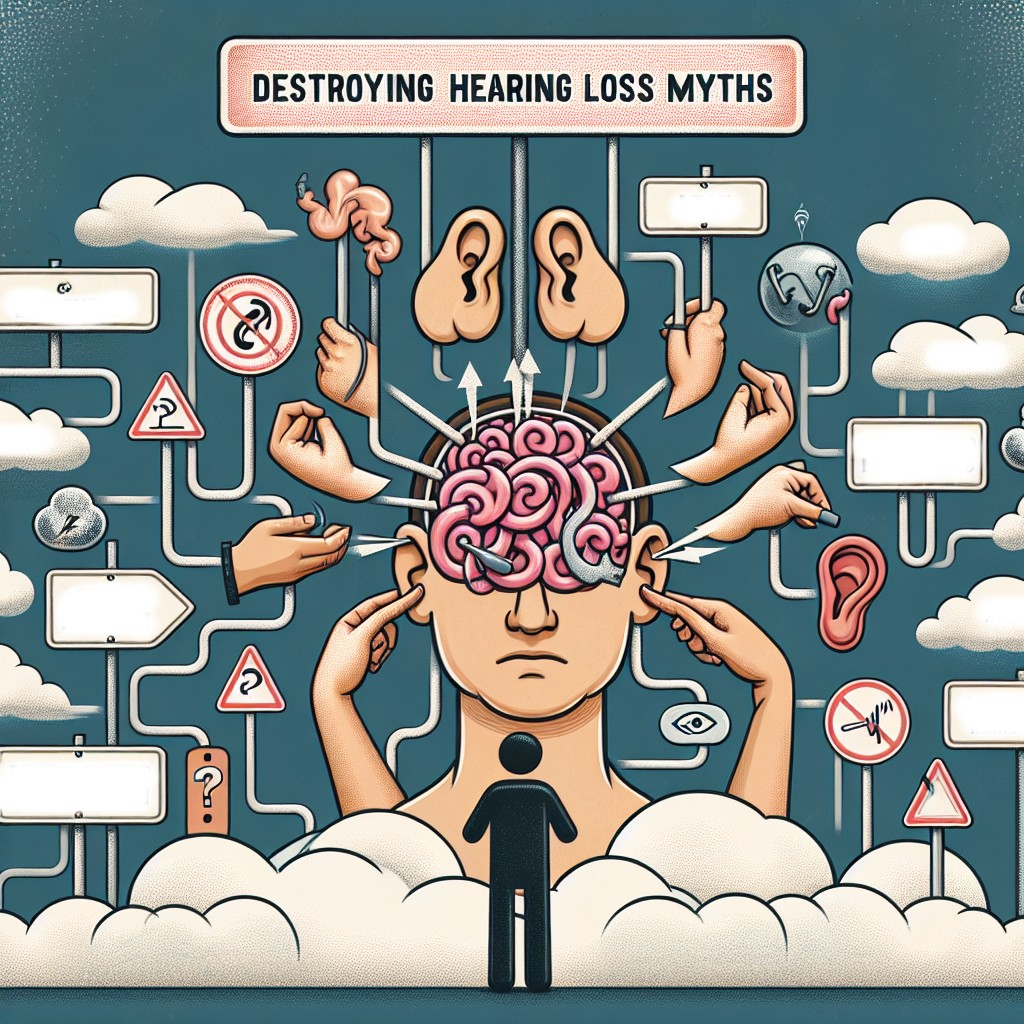
The world of Deafness and hearing loss is enveloped in a myriad of myths and misconceptions. These myths often result in the stigmatization and misrepresentation of Deaf individuals, affecting everything from their education to social integration. Our society has long relied on outdated and inaccurate information that paints Deafness in a negative light, thus impeding progress toward true inclusivity. This article aims to dispel common myths surrounding Deafness and advocate for a more informed and respectful understanding of the Deaf community. Whether you are a teacher, parent, or simply someone looking to expand your horizons, this piece will serve as a valuable resource in dismantling prevalent stereotypes and embracing the realities of Deaf life.
Myth 1: All Deaf People Can Read Lips
One of the most pervasive myths is that all Deaf individuals can read lips proficiently. While lip-reading can be a helpful tool for some, it’s not a universal skill among Deaf people. Various factors such as the intricacy of the language, the speaker’s lip movements, facial expressions, and environmental conditions can impact the efficacy of lip-reading. Studies have shown that only a small percentage of spoken language can be accurately gleaned from lip-reading alone. Therefore, relying on it as the primary mode of communication is neither realistic nor sufficient. Understanding this helps in implementing more effective communication strategies like sign language and written communication tools. It is essential to recognize and respect the diverse ways in which Deaf individuals prefer to communicate.
Myth 2: Hearing Aids and Cochlear Implants Cure Deafness
Another widespread misconception is that hearing aids or cochlear implants can “cure” Deafness. While these devices can significantly improve auditory input for individuals with varying degrees of hearing loss, they do not restore normal hearing. Hearing aids amplify sound, which might not be helpful for those with profound hearing loss. Cochlear implants, on the other hand, are more invasive and involve a surgical procedure that carries its own set of risks and limitations. Furthermore, the effectiveness of these devices varies among users. It is crucial to note that some in the Deaf community may choose to forego such technologies altogether in favor of maintaining their Deaf identity. Respecting these personal choices is vital for fostering genuine inclusivity.
Myth 3: Sign Language Is Universal
One of the most common myths is that sign language is the same all over the world. In reality, just like spoken languages, sign languages are diverse and unique to different countries and regions. American Sign Language (ASL) is entirely different from British Sign Language (BSL), despite both countries primarily using English as their spoken language. This misconception often leads to misunderstandings and communication barriers for Deaf individuals traveling or relocating. It is also important to acknowledge the rich cultural significance embedded within each sign language. Promoting accurate knowledge about the diversity of sign languages helps in creating more inclusive spaces, both locally and globally.
Myth 4: Deaf People Live in Silence
The notion that Deaf people live in a world of absolute silence is fundamentally flawed. The experience of hearing loss is a spectrum, and very few individuals experience total silence. Many Deaf individuals can perceive varying degrees of sound, which can be described as vibrations or low-frequency noises. Additionally, environmental factors and the way the brain processes residual auditory information contribute to a more complex soundscape than merely “silent.” Understanding this variability is crucial for creating realistic expectations and interactions. It shifts the focus from what Deaf individuals cannot experience to appreciating their unique sensory world.
Myth 5: Deafness Equals Intellectual Disability
There is a dangerous and unfounded myth that equates Deafness with intellectual disability. This stereotype not only undermines the capabilities of Deaf individuals but also perpetuates discrimination. Intellectual abilities are independent of auditory capabilities. Deaf people can excel in diverse fields such as education, arts, science, and technology, proving that their intellectual potential is in no way limited by their hearing ability. The root of this misconception lies in historical prejudices and a lack of exposure to successful Deaf role models. Raising awareness and showcasing the myriad achievements of Deaf professionals is crucial in combating this harmful myth.
Myth 6: Deaf Children Should Only Learn Oral Communication
For many years, the oral-only approach to Deaf education was the prevailing method. This philosophy prioritizes speech and lip-reading over sign language, often at the expense of deaf children’s overall linguistic development. Several studies have demonstrated that bilingualism, including sign language and spoken/written language, creates better cognitive outcomes and facilitates smoother social integration. The earlier a child is exposed to sign language, the more robust their language skills become. Embracing a bilingual approach respects the child’s identity and opens more avenues for learning and interaction. Parents and educators should be encouraged to adopt inclusive teaching methods that promote the full spectrum of communication skills.
Conclusion
Myths and misconceptions about Deafness pose significant barriers to achieving inclusivity and respect for the Deaf community. By dispelling these myths, we pave the way for more accurate representations and better understandings of the diverse experiences and capabilities of Deaf individuals. Embracing an informed perspective empowers us to implement effective communication strategies, appreciate cultural nuances, and advocate for appropriate educational approaches. The journey to inclusivity begins with dismantling stereotypes and committing to continuous learning. It is through this lens that we can create a world wherein every individual, regardless of their hearing ability, is valued and supported. Let us endeavor to replace myths with truths and biases with respect to make our society genuinely inclusive for all.