
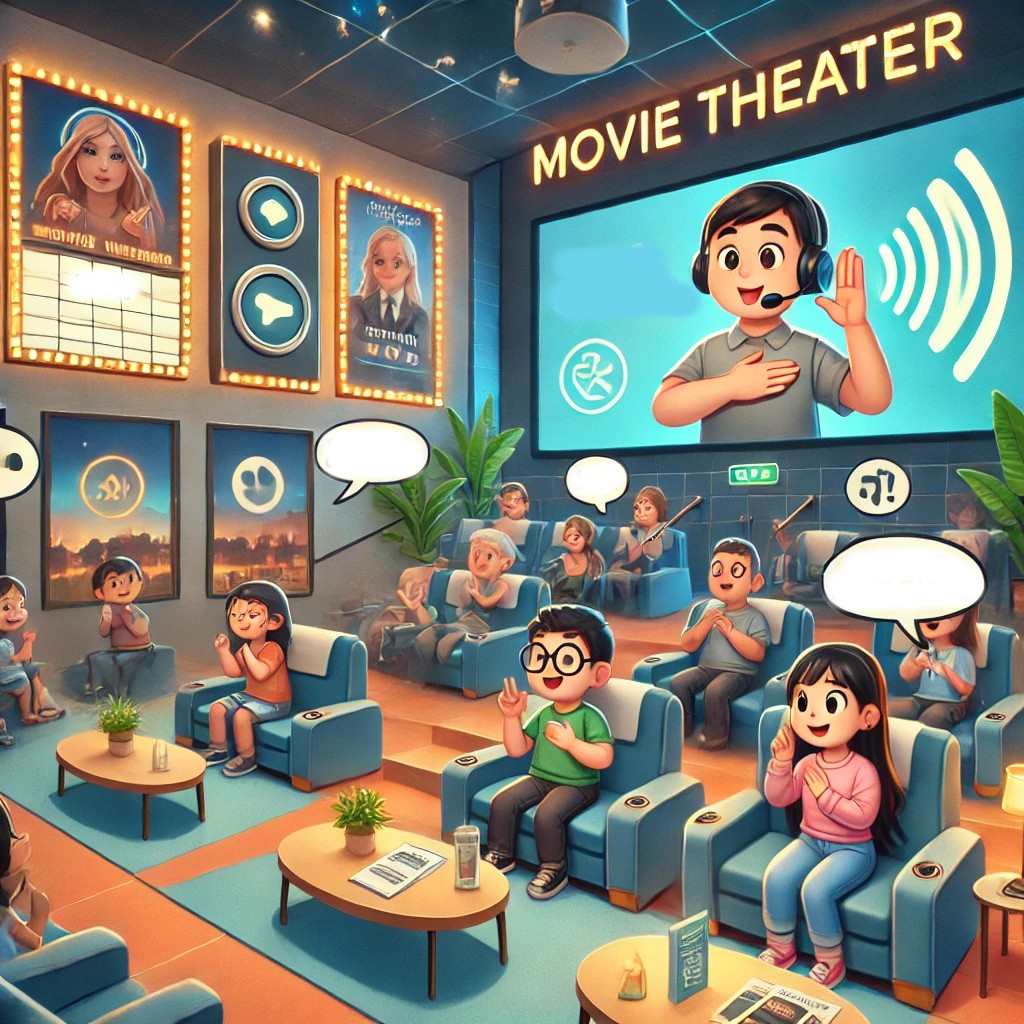
There’s nothing quite like a cozy movie night. Whether it’s with family, friends, or just yourself, a good film can transport you to another world. For the Deaf and Hard of Hearing community, enjoying a film night with ease can sometimes be a bit challenging due to the lack of captioning or Deaf awareness. Given the inextricable link between sound and movie experience, it’s imperative to create an inclusive environment that lets everyone enjoy the magic of films equally. This article will guide you through selecting Deaf-friendly films, incorporating captions, and creating a welcoming and accessible movie-watching environment.
Deaf education and awareness have made significant strides in ensuring that people with hearing loss are not left out during leisure activities. However, for many, finding the perfect setup for a pleasant movie night remains a work in progress. This article will provide practical tips on how to make your movie nights enjoyable for everyone, regardless of their hearing ability.
The following sections will cover various aspects of setting up a Deaf-friendly movie night. From choosing the perfect movies with captions, understanding the nuances of captioning, setting up your viewing environment, and even suggesting some top picks for films that cater to Deaf audiences, we’ve got you covered. Plus, you’ll find tips on creating a cozy, comfortable, and inviting atmosphere that enhances the overall experience.
Choosing Deaf-friendly Films with Quality Captions
The first step in ensuring an inclusive movie night is selecting films that have quality captions. Subtitles and captions are not the same—captions not only provide dialog but also include descriptions of non-verbal sounds and speaker identification. This added layer of detail helps Deaf and Hard of Hearing viewers fully grasp the movie’s audio elements.
When choosing a movie, always check for the “CC” (Closed Captioning) or “SDH” (Subtitles for the Deaf and Hard of Hearing) labels. Most streaming platforms like Netflix, Hulu, and Amazon Prime provide options to filter content with these features. Additionally, many DVDs and Blu-rays include captions, but you’ll need to confirm this on the packaging or the disc menu.
Consider starting your search with movies and shows that are known for their excellent captioning quality. Films like “A Quiet Place,” which portrays a Deaf family and uses American Sign Language (ASL), or “Sound of Metal,” which delves into the world of hearing loss, are great picks. These movies aren’t just entertaining; they also bring Deaf culture and experiences to the forefront.
Animated films and popular family movies, like those from Disney or Pixar, often have reliable captioning and can be enjoyed by viewers of all ages. Keep in mind that independent films and foreign movies may also have quality captions, so don’t shy away from exploring different genres. The key is to offer a variety of choices that cater to diverse tastes while ensuring that everyone can fully engage with the content.
The Importance of Accurate and Timely Captions
Caption accuracy and timing are crucial for an optimal viewing experience for Deaf and Hard of Hearing individuals. Poor captions can be distracting and can significantly detract from the movie-watching experience. Here are some elements to look for when evaluating the quality of captions: – **Timing:** Captions should appear in sync with the spoken dialog and sound effects. A slight delay can cause confusion and disrupt the flow. – **Accuracy:** The text should accurately reflect the spoken words and sound effects, including background noises like music, laughter, or environmental sounds. – **Speaker Identification:** It’s essential to know who is speaking, especially in scenes with multiple characters. Good captions will indicate this clearly. – **Readability:** Captions should use a font that is easy to read and should not obstruct important visual elements of the movie. Choosing the right font size and color contrast also ensures readability.
Many streaming platforms allow you to customize caption settings, so take advantage of these options to tailor them to your preferences. Experiment with different font sizes, colors, and backgrounds until you find what works best for you. If watching a DVD or Blu-ray, check the disc menu for caption settings and options.
Understanding these factors can help you make informed choices when selecting movies for your Deaf-friendly viewing party. It’s always a good idea to preview a few minutes of the film to ensure that the captions meet the necessary standards before settling in for the night.
Setting Up a Comfortable Viewing Environment
Creating the perfect ambiance is vital for any movie night, but it’s especially important when hosting Deaf and Hard of Hearing guests. Here are some tips to ensure your space is inviting and accessible: – **Lighting:** Low, ambient lighting is ideal for a movie night, but ensure it’s not too dim to avoid causing strain when reading captions. Adjustable, soft lighting is a good compromise. – **Seating Arrangement:** Arrange seating so that everyone has a clear view of the screen. Avoid placing seats at extreme angles or too far from the screen. – **Minimize Distractions:** Ensure that the environment is quiet and free from distractions. Turn off or silence phones, and let everyone know that conversation should be kept to a minimum during the movie. – **Subwoofer and Sound System:** While your Deaf and Hard of Hearing guests might not rely on sound, other viewers will appreciate a good audio setup. A quality subwoofer can enhance the ambient experience for everyone. Beyond the physical setup, consider how your guests might feel in the space. The goal is to make it comfortable and inviting, so think about adding cozy touches like throw blankets, cushions, and perhaps even some themed decor to match the movie choice.
Recommended Deaf-friendly Films
Now that you have the setup and knowledge about selecting captions, here are some top picks for Deaf-friendly films to get you started: – **A Quiet Place (2018):** A thriller about a family surviving in a world where making noise can mean instant death. The film prominently features American Sign Language and a Deaf actress. – **Sound of Metal (2019):** This film follows a drummer who loses his hearing and explores his journey through this life-changing experience, highlighting the Deaf community and the use of ASL. – **Wonderstruck (2017):** A historical drama that intertwines the lives of a Deaf girl in 1927 and a hearing boy in 1977, both of whom seek answers to their respective mysteries. – **CODA (2021):** This film centers around a hearing child of Deaf adults (CODA) and captures the unique dynamics of a Deaf family. – **The Tribe (2014):** This film uses only Ukrainian Sign Language with no spoken words or subtitles, offering a unique and immersive experience.
These movies not only provide entertainment but also bring visibility to the Deaf community and their stories. They serve as great conversation starters and can enhance Deaf awareness among hearing viewers.
Engaging and Interactive Elements for Your Movie Night
To make your movie night even more engaging and to foster a sense of community, consider incorporating some interactive elements: – **Pre-Movie Introduction:** Briefly introduce the movie, discussing its themes and significance to the Deaf community. This adds context and can make the viewing experience more enriching. – **Sign Language Lessons:** If your guests are interested, consider including a short sign language lesson before the movie starts. You can teach some basic phrases or words related to the film. – **Post-Movie Discussion:** Facilitate a discussion after the movie to share thoughts and impressions. This can help deepen everyone’s understanding and appreciation of the film. – **Snacks and Beverages:** Make sure to have a variety of snacks and drinks available. Consider having themed snacks related to the movie, which adds a fun twist to the experience.
These activities not only enhance the movie-watching experience but also provide opportunities for learning and connection. They encourage inclusivity and can help bridge the gap between Deaf and hearing individuals.
Conclusion
A cozy movie night should be an enjoyable and inclusive experience for everyone, regardless of their hearing ability. By taking the time to choose quality captions, setting up an accessible and comfortable environment, and selecting films that resonate with the Deaf community, you can create a night that is memorable and fun for all.
Deaf education and awareness are essential in fostering a more inclusive society. Hosting movie nights that accommodate Deaf and Hard of Hearing individuals is a small but significant step in this direction. It not only shows respect and understanding but also enriches the experience for all participants. So, grab your favorite snacks, set up your viewing area, and enjoy a delightful and inclusive movie night!