
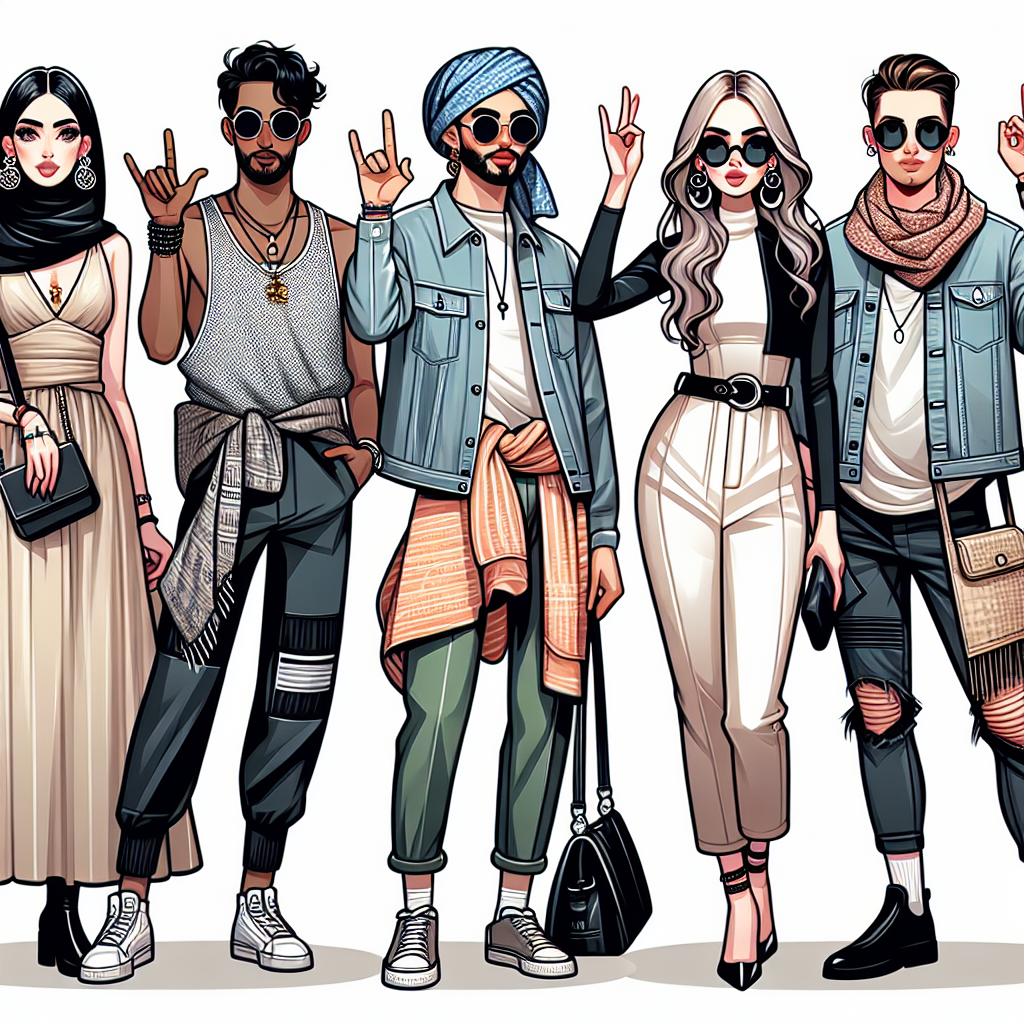
In a world where spoken words are often deemed the most potent form of expression, the Deaf community stands as a testament to the power of visual language, personality, and style. Fashion, an intrinsically visual medium, offers a unique avenue for Deaf individuals to communicate their identities, challenges, and victories. Delving into the landscape of Deaf fashion icons, it becomes clear how these individuals not only set trends but also challenge perceptions, thus inspiring a broader movement of self-expression and inclusivity.
The Intersection of Deaf Culture and Fashion
Deaf culture, deeply rooted in shared experiences and communication modes like American Sign Language (ASL), has always emphasized the importance of visual art forms. Fashion naturally integrates into this culture, serving as an extension of identity and advocacy. Unlike mainstream fashion, where trends often dominate the narrative, Deaf fashion leans heavily on personal storytelling. Clothing, accessories, and even hairstyle choices become powerful symbols, conveying messages of resilience, pride, and community.
One noteworthy aspect of Deaf fashion is its focus on inclusivity and accessibility. Many Deaf designers and fashion houses prioritize creating pieces that accommodate the specific needs of the Deaf community. This includes visual alerts embedded into smart clothing, tactile fabrics for sensory comfort, and designs that facilitate effortless movement for signing. The result is not just fashionable attire but a seamless blend of style and functionality that honors the lived experiences of the Deaf community.
Pioneering Deaf Fashion Icons
The landscape of Deaf fashion icons is as diverse as it is inspiring. These figures are not only influencers within the Deaf community but also trailblazers in the broader fashion world. Nyle DiMarco, a prominent Deaf model and actor, epitomizes this intersection. Winning both “America’s Next Top Model” and “Dancing with the Stars,” DiMarco has used his platform to advocate for Deaf culture and fashion inclusivity. His bold fashion choices, often highlighting Deaf designers, serve as a statement of empowerment and awareness.
Similarly, Chella Man, a Deaf and transgender artist, and activist, has garnered significant attention for his unapologetic approach to fashion. Leveraging his social media platforms, Man shares his journey of self-discovery through expressive, avant-garde fashion. His collaborations with major brands like IMG Models underscore a broader acceptance and celebration of diversity, encouraging others to embrace their unique identities.
These icons, among others, are not only reshaping fashion narratives but are also challenging societal norms and fostering a culture of acceptance and appreciation. By showcasing their authentic selves, they inspire countless others to explore fashion as a means of expression and advocacy.
Fashion Education and Advocacy in the Deaf Community
Fashion education plays a critical role in fostering self-expression and professional opportunities within the Deaf community. Institutions and organizations dedicated to this cause offer tailored programs that accommodate Deaf students’ unique needs, ensuring they have equal access to education and resources. Schools like Rochester Institute of Technology’s National Technical Institute for the Deaf (NTID) provide specialized courses in fashion design, merchandising, and communication, empowering Deaf students to pursue careers in this vibrant industry.
Beyond formal education, numerous advocacy groups and initiatives focus on raising awareness about Deaf fashion. These organizations host workshops, fashion shows, and collaborative projects, creating platforms for Deaf designers, models, and fashion enthusiasts to showcase their talents. Events like the International Deaf Fashion Week highlight the creativity and innovation within the Deaf community, fostering a sense of pride and belonging.
Moreover, social media has become a powerful tool for education and advocacy. Deaf fashion influencers use platforms like Instagram, TikTok, and YouTube to share styling tips, promote Deaf-owned fashion brands, and discuss the intersectionality of Deafness and fashion. These efforts collectively contribute to a more inclusive and representative fashion industry, where Deaf voices are heard and celebrated.
The Impact of Deaf Fashion on Mainstream Trends
The influence of Deaf fashion icons extended beyond the confines of their community, seeping into mainstream fashion trends. This crossover challenges conventional beauty standards and pushes for greater diversity and inclusion within the industry. Many mainstream fashion brands have started to recognize and celebrate the uniqueness brought by Deaf models and designers, incorporating elements inspired by Deaf culture into their collections.
For instance, clothing with tactile elements, once predominantly designed for the Deaf community, is now gaining popularity for its sensory appeal. Similarly, fashion shows are increasingly incorporating sign language interpreters to ensure accessibility for Deaf audiences, setting new standards for inclusivity.
This integration not only highlights the richness of Deaf culture but also paves the way for more collaborative and inclusive fashion practices. As the fashion industry continues to evolve, the contributions of Deaf fashion icons serve as a reminder of the power of diversity and the importance of embracing unique perspectives.
Challenges and Future Directions
Despite significant strides in visibility and representation, Deaf individuals in the fashion industry still face challenges. Accessibility remains a major concern, with many fashion events, educational programs, and professional opportunities lacking adequate accommodations for Deaf participation. Overcoming these barriers requires a concerted effort from all stakeholders within the fashion industry, from designers and educators to policymakers and advocates.
Looking ahead, there is a growing push for more inclusive and adaptive fashion practices. This involves not only creating accessible design but also fostering environments that celebrate and amplify Deaf voices. Encouraging collaborations between Deaf and hearing designers, promoting sign language education within fashion schools, and advocating for policy changes that mandate accessibility are essential steps towards a more inclusive future.
The rise of technology also presents new opportunities for innovation within Deaf fashion. Smart clothing with integrated visual or tactile alerts, augmented reality (AR) experiences that enhance visual communication, and online platforms that connect Deaf fashion enthusiasts worldwide are just a few ways technology can enhance inclusivity and self-expression.
Celebrating Deaf Fashion Icons
Ultimately, Deaf fashion icons embody resilience, creativity, and a relentless pursuit of self-expression. Their contributions to the fashion industry extend beyond aesthetics, challenging societal norms and advocating for a more inclusive and diverse world. By celebrating these individuals, we not only recognize their talent and influence but also underscore the importance of diversity and representation within all spheres of life.
As more Deaf individuals step into the spotlight and share their unique fashion journeys, they inspire others to embrace their identities and break free from conventional molds. Their stories serve as powerful reminders that fashion is not just about clothing but about the bold, beautiful expressions of self that transcend words. By continuing to advocate for inclusivity and representation, we can ensure that the voices and visions of Deaf fashion icons are celebrated and cherished for generations to come.
Conclusion
Deaf fashion icons represent a vibrant intersection of culture, advocacy, and style. Through their bold fashion choices and powerful self-expression, they challenge stereotypes, promote inclusivity, and inspire others within and beyond the Deaf community. Their stories highlight the importance of embracing diversity and fostering environments where everyone can thrive, regardless of their hearing ability.
As we continue to celebrate and support Deaf fashion icons, we must also work towards greater accessibility and representation within the fashion industry. This includes advocating for more inclusive education and professional opportunities, promoting adaptive and accessible fashion design, and creating platforms where Deaf voices and perspectives are heard and valued.
By recognizing and uplifting the contributions of Deaf fashion icons, we contribute to a richer, more inclusive fashion landscape. Their influence extends beyond fashion, shaping cultural narratives and inspiring a broader movement towards acceptance and diversity. In doing so, we honor the spirit of self-expression and advocacy that defines the Deaf community and its remarkable fashion icons.