
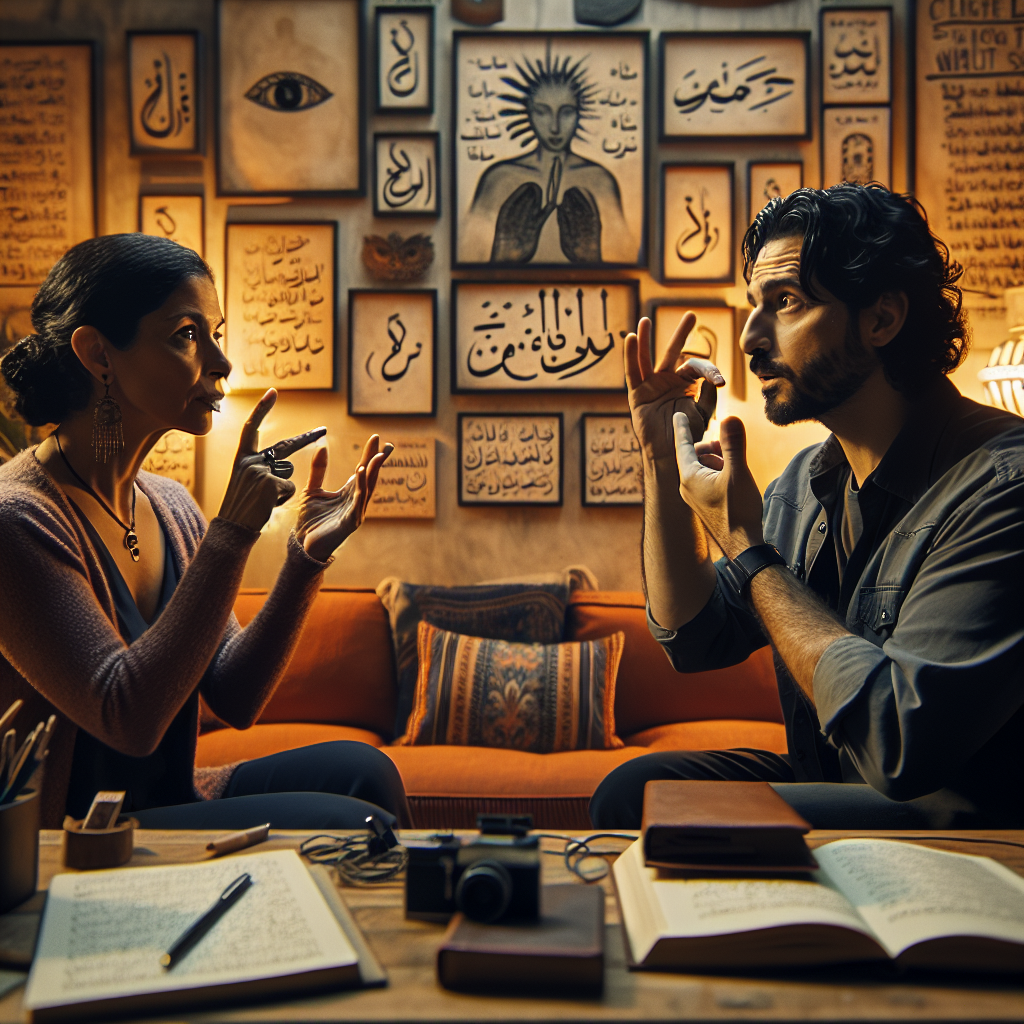
In the realm where language meets art, poetry stands as a profound expression of human emotion, thought, and creativity. Among the diverse means of poetic expression, American Sign Language (ASL) poetry holds a distinct, captivating place. For both the Deaf and hearing communities, ASL poetry offers an eye-opening perspective and a rich cultural experience. In this article, we delve into the world of ASL poetry, exploring its beauty, its depth, and its significance in both Deaf education and broader cultural awareness.
The Essence of ASL Poetry
ASL poetry is a unique form of poetry that uses American Sign Language to convey poetic messages. In this visual and kinetic art form, signs, facial expressions, and body movements are the primary mediums. Just like traditional spoken or written poetry, ASL poetry evokes emotions, tells stories, and presents abstract ideas, but it does so through a purely visual modality.
One of the most striking aspects of ASL poetry is its use of space and motion. Poets use various parts of their body to create imagery and metaphors, adding layers of meaning with each movement. Hand shapes, movement paths, and facial expressions play crucial roles. Additionally, the three-dimensional space in which signing occurs allows the poet to depict relationships and dynamics between entities by positioning them accordingly.
While traditional poetry relies heavily on sound and rhythm, ASL poetry has its own form of rhythm through the timing, pacing, and flow of signs. The spatial and temporal execution creates a unique experience, where rhythm and rhyme are perceived visually rather than aurally. This visual rhythm is intricate and can be just as, if not more, expressive than its spoken counterparts.
The Cultural Significance of ASL Poetry
ASL poetry is not only an art form but also a vital component of Deaf culture and identity. It empowers Deaf individuals by providing them with a medium to express themselves fully and creatively. Through ASL poetry, Deaf poets can share their experiences, challenges, and joys in a manner that resonates deeply with those who share their language and culture.
Historically, the Deaf community has faced significant barriers in terms of access to education, social integration, and self-expression. ASL poetry has become a powerful tool for advocating for Deaf rights and awareness. It challenges misconceptions about Deafness and ASL, promoting a greater understanding and appreciation of the Deaf experience.
In recent years, ASL poetry has gained visibility through platforms like YouTube and social media, allowing Deaf poets to reach wider audiences. This visibility has fostered a sense of pride and unity within the Deaf community while also educating the hearing population about the richness of Deaf culture. Festivals, competitions, and academic studies centered around ASL poetry have further solidified its importance.
Elements that Define ASL Poetry
ASL poetry is characterized by several defining elements that contribute to its distinctiveness. Understanding these elements can enhance one’s appreciation of this unique literary art form:
- Handshapes: Different handshapes create visual rhymes and patterns. Variations in hand configurations add nuances to the message being conveyed.
- Facial Expressions: Facial expressions in ASL poetry are akin to vocal inflections in spoken poetry. They convey emotions, attitudes, and emphasize particular points.
- Movement and Space: The way signs move through space, including direction, speed, and fluidity, establishes the poem’s rhythm and visual aesthetics.
- Classifiers: Classifiers are special handshapes that represent categories of objects or people. They allow for creative and detailed storytelling.
- Transitions: Smooth transitions between scenes or ideas maintain the poem’s flow and coherence.
Each of these elements works in harmony to create a visually compelling and emotionally resonant piece of poetry that transcends traditional linguistic boundaries.

Famous ASL Poets and Their Contributions
ASL poetry has been shaped and enriched by numerous talented poets over the years. Some of the notable figures include:
- Clayton Valli: Often regarded as one of the pioneers of ASL poetry, Valli’s work has greatly influenced the development of this art form. His poems explore themes of nature, identity, and the Deaf experience.
- Paddy Ladd: A prominent Deaf scholar and poet, Ladd’s contributions extend beyond poetry to advocacy for Deaf rights. His works often address cultural and political issues faced by the Deaf community.
- Ella Mae Lentz: Lentz is renowned for her evocative and powerful poetry that often delves into personal and communal Deaf experiences. Her performances are celebrated for their expressiveness and depth.
These poets, among others, have paved the way for future generations of Deaf artists and have helped to establish ASL poetry as a respected and valued art form.
Teaching ASL Poetry in Educational Settings
Integrating ASL poetry into Deaf education holds immense benefits. It not only fosters artistic expression but also enhances language skills and cultural awareness. Educators can leverage ASL poetry to teach students about the beauty and complexity of their language.
By engaging students with ASL poetry, teachers can encourage a deeper appreciation for ASL and its literary potential. Techniques such as analyzing poems, creating original works, and performing can develop both linguistic and creative skills. Furthermore, ASL poetry can serve as a bridge for hearing students to connect with and understand Deaf culture, breaking down barriers and fostering inclusivity.
Incorporating ASL poetry in the curriculum also helps in developing critical thinking and interpretive skills. Students learn to appreciate the subtleties of expression and the layers of meaning inherent in poetic works. Exposure to various poets and styles broadens their understanding of the diversity within the Deaf community.
The Future of ASL Poetry
The future of ASL poetry looks promising as awareness and appreciation continue to grow. Technological advancements and digital platforms are playing a significant role in bringing ASL poetry to global audiences. Online performances, virtual workshops, and social media are making ASL poetry more accessible than ever before.
Additionally, educational programs and initiatives continue to promote ASL poetry among both Deaf and hearing students. Academic research into ASL literature and poetry is expanding, further legitimizing and preserving this art form. Collaborative efforts between Deaf and hearing artists are also emerging, promoting cross-cultural understanding and artistic exchange.
As more people recognize the value and beauty of ASL poetry, it will undoubtedly continue to flourish. Future generations of Deaf poets will build upon the foundation laid by their predecessors, exploring new themes, styles, and mediums. The ongoing dialogue between the Deaf and hearing communities will contribute to a more inclusive and enriched cultural landscape.
Conclusion: Embracing ASL Poetry
ASL poetry offers a window into the heart and soul of Deaf culture and expression. Its unique blend of visual aesthetics and emotional depth creates a powerful literary experience that transcends language barriers. As we embrace ASL poetry, we not only celebrate the artistry of Deaf poets but also foster greater understanding and appreciation for the diverse ways humans can express themselves.
For educators, artists, and audiences alike, ASL poetry presents an opportunity to engage with a vibrant and evolving art form. It encourages us to look beyond traditional notions of poetry and to appreciate the myriad ways in which language can manifest. By supporting and promoting ASL poetry, we contribute to a more inclusive and culturally rich society.
In conclusion, ASL poetry stands as a testament to the resilience and creativity of the Deaf community. It invites us to see the world through a different lens, to feel emotions through movements, and to understand stories through signs. Let us celebrate and continue to explore the beautiful and profound world of ASL poetry.