

Raising a deaf or hard-of-hearing child comes with unique challenges and rewards. As parents or guardians, it’s essential to equip ourselves with the right knowledge to foster an environment where our children can grow, learn, and thrive. This journey involves navigating through different communication methods, educational pathways, and building an extensive support network. By understanding your child’s needs and exploring all available resources, you can confidently set the stage for their future success, both academically and socially.
The first step is recognizing that your child’s hearing loss does not define them. Instead, view it as an opportunity to explore diverse and rich avenues of communication and learning. Whether your child uses American Sign Language (ASL), lip-reading, or a combination of methods, being supportive and adaptive is crucial. This article delves into comprehensive tips to assist parents in raising deaf children with confidence, covering communication strategies, educational options, and the importance of creating a strong support network.
Parenting any child involves a village, and for deaf and hard-of-hearing children, this village plays an even more critical role. From teachers and speech therapists to family and friends, your child’s support network will guide them through their developmental milestones. Let’s explore these aspects in detail to pave the way for a smooth and fulfilling journey for you and your child.
Communication Strategies
Effective communication is the cornerstone of raising a deaf child confidently. Understanding and choosing the right communication method tailored to your child’s needs can significantly impact their ability to interact with the world around them. Common methods include American Sign Language (ASL), spoken language through hearing aids or cochlear implants, and Cued Speech, among others.
American Sign Language (ASL): ASL is a complete, natural language that has the same linguistic properties as spoken languages, with grammar that differs from English. It is a rich and expressive language that many deaf individuals use. Learning ASL as a family can be a bonding experience and a vital communication tool.
Spoken Language: For children with residual hearing, spoken language facilitated by hearing aids or cochlear implants can be effective. It requires consistent auditory-verbal therapy and support. Patience and regular practice are key in ensuring your child can maximize their auditory potential.
Cued Speech: Cued Speech combines lip movements with a series of hand gestures to help visually indicate phonetic sounds. This method can support reading development and clarify lip-reading, making spoken language more accessible.
Whatever method or combination works best for your child, consistency, involvement, and encouragement from family members are fundamental to their success. Attending workshops, taking courses, and connecting with other parents can provide ongoing education and support in your communication journey.
Educational Pathways
Choosing the right educational setting for a deaf child is a crucial decision that can shape their future. It’s important to explore all available options to determine the best fit for your child’s learning style and communication needs. Here are some pathways to consider:
Deaf Schools: These institutions specialize in educating deaf and hard-of-hearing students. They typically use bilingual-bicultural models, emphasizing both ASL and English. Benefits include a community of peers, direct access to the curriculum, and teachers proficient in ASL.
Mainstream Schools: Enrolling your child in a mainstream school can be beneficial for social integration with hearing peers. With proper accommodations, such as interpreters, FM systems, and note-takers, your child can successfully navigate a mainstream educational environment.
Residential Programs: Some deaf schools offer residential programs, providing a fully immersive experience. These programs foster independence and community while offering robust academic and extracurricular activities.
Homeschooling: For some families, homeschooling may be the best option. This allows for a tailored educational experience that directly meets your child’s needs. Resources, curricular plans, and support groups for homeschooling deaf children are available to help guide parents.
Consult with educators, consider Individualized Education Programs (IEPs), and visit potential schools and programs to make an informed decision. Remember, the goal is to create an empowering and supportive educational environment that encourages your child’s growth and potential.
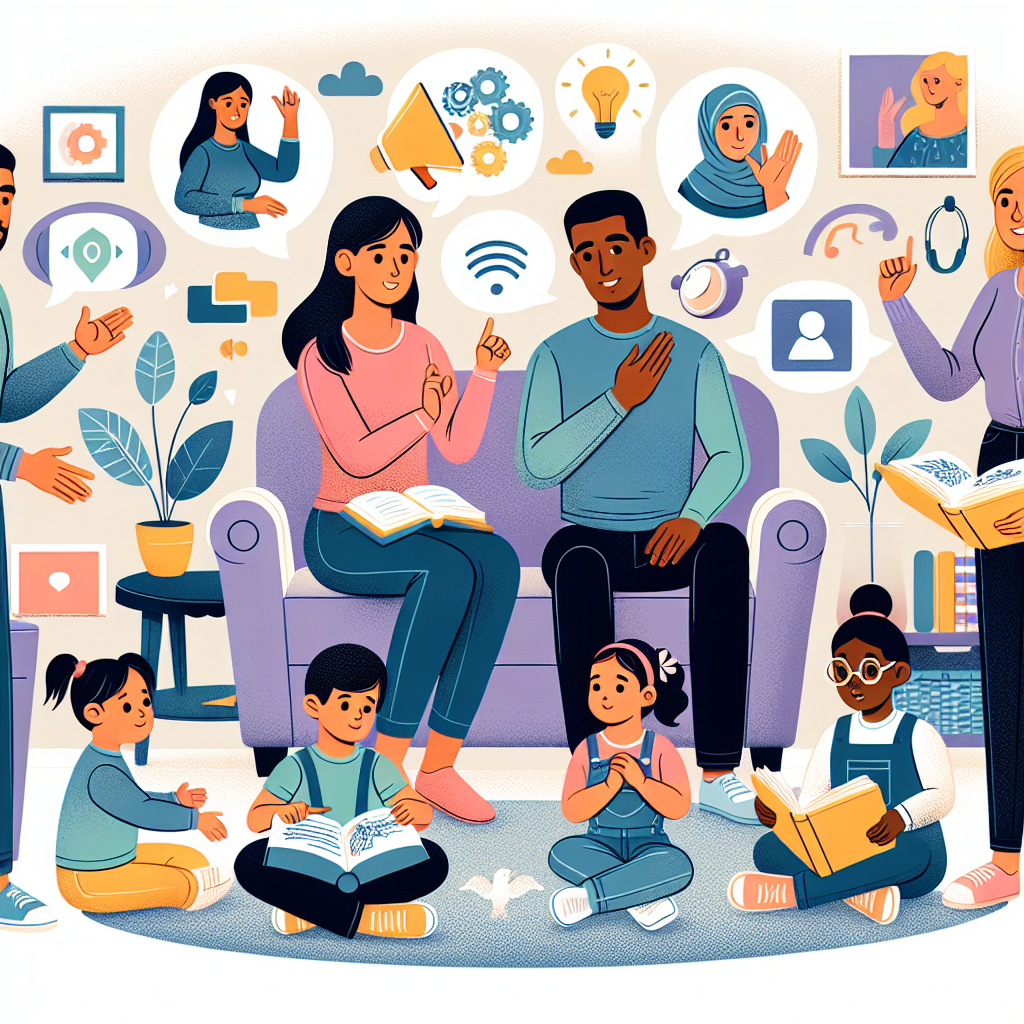
Building a Support Network
Building a strong support network is essential for the emotional and social well-being of your deaf child. It involves creating a team of professionals, friends, and family members who understand and advocate for your child’s needs. Here are ways to build and maintain a robust support system:
Family Involvement: Educate your family members about deaf culture and the communication methods your child uses. Encouraging everyone to learn ASL or other communication methods can foster inclusion and strengthen family bonds.
Professional Support: Engage with audiologists, speech therapists, and educators experienced in working with deaf children. Regular appointments and therapy sessions can provide ongoing support and track your child’s progress.
Peer Networks: Connecting with other families of deaf children can provide shared experiences, advice, and support. Joining local or online support groups, attending deaf community events, and participating in social activities can help build a sense of belonging for both you and your child.
Educational Advocates: Having an advocate during school meetings and IEP planning can ensure that your child receives the necessary accommodations and support. Advocates can help navigate the educational system and ensure your child’s rights are upheld.
Remember, a supportive network is ever-evolving. Stay proactive in seeking out new connections and resources as your child grows and their needs change.
Social and Emotional Development
The social and emotional well-being of your deaf child is just as important as their academic progress. Ensuring they feel included, valued, and understood will lay the foundation for a healthy self-esteem and positive self-identity. Here are some strategies to support their social and emotional development:
Parental Support: Be a positive role model and offer constant encouragement. Familiarize yourself with deaf culture and share it with your child. Encourage open communication, allowing them to express their feelings and concerns.
Peer Interaction: Facilitate opportunities for your child to interact with both deaf and hearing peers. Participation in extracurricular activities, sports, and social events can help them build friendships and develop social skills.
Role Models: Introduce your child to deaf role models and mentors who can provide guidance and inspiration. These individuals can help counter potential feelings of isolation and offer perspectives on overcoming challenges.
Counseling and Support Groups: Professional counseling and participation in support groups can provide your child with coping strategies and a safe space to share their feelings. Support groups for parents can also offer valuable insights and reassurance.
Promoting a positive self-image and fostering resilience in your deaf child will equip them to navigate social settings and build lasting relationships confidently.
Navigating Public Resources and Services
Accessing public resources and services can greatly enhance the quality of life and opportunities available for your deaf child. Familiarize yourself with the range of programs and services designed to support deaf individuals and their families:
Early Intervention Programs: These programs provide services for children from birth to age three. They offer support in areas like communication, physical development, and social skills, laying a strong foundation for future learning.
Special Education Services: Public schools offer special education services tailored to meet the needs of students with disabilities. Work with your child’s school to develop an Individualized Education Program (IEP) that outlines specific goals and accommodations.
Assistive Technology: Various assistive devices and technologies, such as hearing aids, cochlear implants, and FM systems, can enhance your child’s ability to communicate and learn. Consult with audiologists and educators to determine the best options for your child.
Community Resources: Many communities offer resources like sign language classes, support groups, and recreational programs for deaf children and their families. Research local organizations and programs to find additional support.
Utilizing these resources can provide your child with the tools and support they need to thrive. Stay informed about available services and advocate for your child’s rights and needs.
Conclusion
Navigating the journey of raising a deaf child requires courage, commitment, and an open mind. The insights shared in this article emphasize the importance of effective communication, choosing the right educational pathways, building a strong support network, supporting social and emotional development, and utilizing public resources.
Remember, every deaf child is unique, and their needs may change over time. As parents and guardians, staying adaptable and proactive is key. Celebrate your child’s milestones, no matter how small, and encourage their growth and development. They rely on your belief in their potential to build their confidence and self-worth.
Building a supportive and inclusive environment for your child will pave the way for a bright future. By leveraging available resources and fostering a nurturing community, you can raise your deaf child with the confidence and skills needed to succeed.
You’re not alone in this journey. Reach out to other parents, professionals, and the deaf community for support, guidance, and shared experiences. Together, you can create a world where your child feels understood, empowered, and ready to embrace life’s opportunities.