
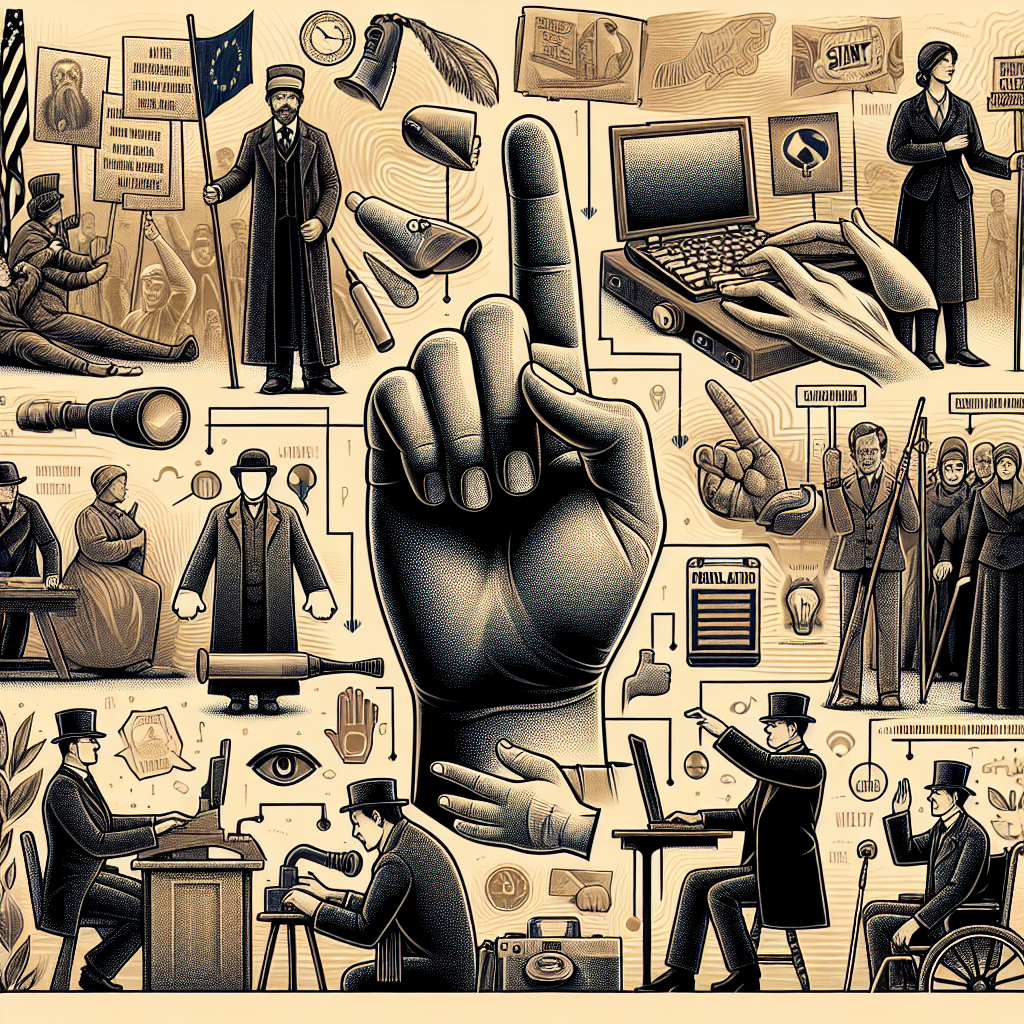
Deaf Awareness Month, celebrated each September, is a critical time for recognizing and honoring the many contributions and strides made by the Deaf community. This period serves not only as a celebratory occasion but also as a time for reflection on the historical context of Deaf education, advocacy, and culture. The aim is to enhance public understanding and to promote the inclusion of Deaf individuals in all facets of society.
The foundation of Deaf Awareness Month lies in the rich history of the Deaf community’s fight for recognition and equality. From the early days of Deaf education to modern-day advancements in technology and legislation, the journey has been filled with significant milestones and persistent challenges. This article delves into the historical aspects of Deaf education and awareness, highlighting the resilience and achievements of the Deaf community.
The Early Days of Deaf Education
Deaf education has a storied past that dates back several centuries, with early records indicating various methods of teaching the Deaf in ancient civilizations such as Greece and Rome. However, it wasn’t until the 16th century that formalized education for the Deaf began to take shape. Pedro Ponce de León, a Spanish Benedictine monk, is often credited as the pioneer of Deaf education. His innovative methods laid the groundwork for future educators who sought to provide Deaf individuals with access to knowledge and communication.
In the 18th century, significant strides were made with the establishment of the first public school for the Deaf in Paris by Charles-Michel de l’Épée, who is often referred to as the “Father of the Deaf.” His method of combining sign language with spoken language set a precedent for many schools thereafter. This period saw a growing recognition of the Deaf as capable individuals deserving of education and social participation.
Breakthrough Legislation and Advocacy
The 19th and 20th centuries were pivotal for the Deaf community as advocacy efforts gained momentum, resulting in groundbreaking legislation. The establishment of the American School for the Deaf in 1817 marked a significant milestone in the United States. Founded by Thomas Hopkins Gallaudet and Laurent Clerc, this school became a beacon of hope and a model for Deaf education across the country.
Fast forward to the mid-20th century, and we see the emergence of robust advocacy movements. The National Association of the Deaf (NAD), founded in 1880, played a crucial role in fighting for the rights and recognition of Deaf individuals. One of the landmark moments was the passage of the Rehabilitation Act of 1973, particularly Section 504, which prohibited discrimination on the basis of disability. This act laid the groundwork for more comprehensive legislation, including the Americans with Disabilities Act (ADA) of 1990, which further solidified the rights of the Deaf community.
Technological Advancements and Their Impact
Technology has been a transformative force in the lives of Deaf individuals, particularly in the realms of communication and education. The invention of the teletypewriter (TTY) in the 1960s revolutionized the way Deaf people communicated over long distances, providing a newfound sense of independence and connectivity. This innovation was a precursor to more advanced technologies that would follow.
In recent years, the advent of the internet and digital communication has further bridged gaps. Video relay services (VRS) and video remote interpreting (VRI) have made real-time communication possible, enhancing interactions in both personal and professional settings. Similarly, advancements in hearing aid technology and cochlear implants have provided options for those who choose to use them, although it’s important to recognize and respect the diverse perspectives within the Deaf community regarding such technologies.
The Role of American Sign Language (ASL)
American Sign Language (ASL) holds a central place in Deaf culture and education. Recognized as a complete and natural language, ASL provides Deaf individuals with a means of expressing themselves fully and comprehensively. The recognition of ASL’s legitimacy was a significant achievement in itself, challenging previous misconceptions that sign language was merely a collection of gestures rather than a robust linguistic system.
The role of ASL extends beyond communication; it is a conduit for cultural identity and community. Deaf individuals often gravitate towards others who share their language and experiences, fostering a strong sense of belonging and solidarity. This cultural richness is celebrated during Deaf Awareness Month, highlighting the importance of preserving and promoting ASL within educational frameworks and broader societal contexts.
Modern-Day Challenges and Opportunities
Despite the tremendous progress made, the Deaf community continues to face significant challenges. Accessibility remains a pressing issue in many areas, from education and employment to healthcare and entertainment. The fight for equal access is ongoing, with advocates tirelessly working to break down barriers and ensure that Deaf individuals can participate fully in all aspects of life.
On a positive note, there is a growing awareness and appreciation for Deaf culture and contributions. Initiatives aimed at promoting Deaf awareness and inclusion are gaining traction, supported by both community-driven efforts and institutional backing. The increasing prevalence of Deaf studies programs in universities, the rise of Deaf-led businesses, and the mainstreaming of Deaf culture in media are all indicators of a positive shift.
Conclusion
Deaf Awareness Month is more than just a commemoration; it is a call to action for continued advocacy, education, and inclusion. Reflecting on the historical milestones and challenges faced by the Deaf community emphasizes the resilience and determination that have driven progress. From early educational endeavors to legal triumphs and technological advancements, the journey of the Deaf community is marked by significant achievements and ongoing efforts.
As we celebrate Deaf Awareness Month, it is crucial to not only acknowledge past accomplishments but also to commit to supporting future advancements. Enhancing accessibility, promoting ASL, and fostering an inclusive society are collective responsibilities. By amplifying the voices of the Deaf community and championing their rights, we contribute to a more equitable world where everyone, regardless of their hearing ability, can thrive.