
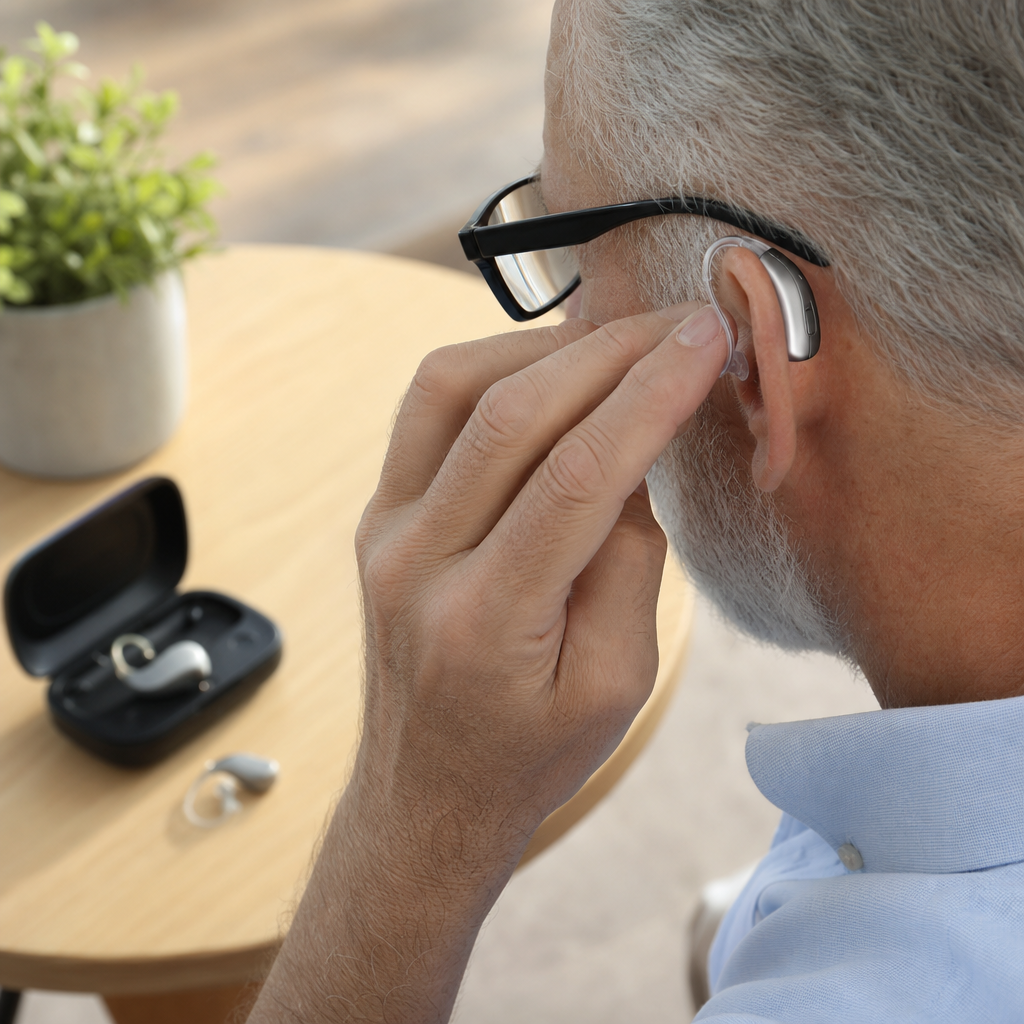
Digital hearing aids are the standard solution for most modern hearing loss because they amplify sound with computer processing, not simple analog circuitry, giving users clearer speech, better noise control, and more personalized settings. In practice, “digital” means incoming sound is converted into data, analyzed in milliseconds, and adjusted according to a programmed prescription based on an audiogram. As someone who has worked with hearing technology content and patient education materials, I have seen the same confusion repeatedly: people know they need help hearing, but they do not know what device types, features, fitting methods, and costs actually matter. A guide to digital hearing aids must therefore do more than list products. It should explain how the devices work, who benefits, what tradeoffs exist, and how to evaluate options realistically. That matters because untreated hearing loss is linked with communication strain, social withdrawal, listening fatigue, poorer workplace performance, and higher risk of cognitive decline in older adults. It also matters because hearing aids are not one-size-fits-all medical devices. Receiver-in-canal models, behind-the-ear styles, in-the-ear customs, over-the-counter products, rechargeable batteries, Bluetooth streaming, directional microphones, telecoils, and feedback suppression all solve different problems. The right choice depends on hearing thresholds, ear anatomy, dexterity, lifestyle, listening environments, and budget. This hub article gives a general but complete foundation so readers can understand the essential terminology, compare major categories, and make better decisions before moving into more specialized topics such as hearing aid styles, costs, maintenance, fitting, and accessories.
How digital hearing aids work
A digital hearing aid follows a simple signal path, but each step matters. Microphones capture sound, a digital signal processor analyzes frequencies and sound levels, the software applies gain according to the fitting prescription, and a receiver delivers the adjusted signal into the ear canal. The programming is not guesswork. Clinicians typically use validated fitting formulas such as NAL-NL2 or DSL to match amplification to the user’s hearing loss pattern. A person with high-frequency sensorineural loss usually needs more help hearing consonants like s, f, and th than low-frequency vowels, so the device boosts specific frequency bands rather than turning everything up equally. Compression is another core concept. Because many users have reduced dynamic range, soft sounds need amplification while loud sounds must remain comfortable. Compression manages that transition automatically. Noise reduction does not “erase” background sound, but it can reduce steady-state noise such as fans or road hum, making listening less tiring. Directional microphones improve speech understanding by prioritizing sounds from the front. Feedback cancellation identifies and suppresses whistling caused by amplified sound leaking back to the microphone. More advanced models add motion sensors and environmental classifiers that switch programs automatically when the user moves from a quiet room to a restaurant or car.
Digital processing also enables features that matter in daily life. Bluetooth connectivity can stream calls, music, and television audio from compatible phones and accessories. Telecoils connect to hearing loop systems used in many theaters, houses of worship, airports, and service counters. Smartphone apps often allow volume adjustments, program changes, remote support, geotagged settings, and even find-my-hearing-aid functions. None of these extras replace a good acoustic fit, but they can dramatically improve consistency of use. The central point is that digital hearing aids are adaptive systems designed to improve audibility, comfort, and speech clarity across changing environments.
Who should consider digital hearing aids
Digital hearing aids are appropriate for most people with permanent hearing loss, especially sensorineural hearing loss caused by aging, noise exposure, genetics, illness, or ototoxic medications. Typical signs include asking others to repeat themselves, hearing but not understanding words, struggling in restaurants, turning the television louder than others prefer, missing doorbells or alerts, and feeling exhausted after conversations. A hearing evaluation should come first. Pure-tone audiometry measures hearing thresholds by frequency, speech testing evaluates understanding, and tympanometry helps identify middle-ear issues. If hearing loss is sudden, one-sided, associated with dizziness, ear pain, drainage, or rapid change, medical evaluation is essential before considering hearing aids. Those symptoms may indicate conductive problems, infection, Ménière’s disease, acoustic neuroma, or other conditions requiring treatment.
Age alone does not determine candidacy. Working adults often benefit because meetings, calls, and hybrid work environments demand precise speech understanding. Older adults benefit because hearing support can reduce communication breakdown and listening effort. Children with hearing loss may also use digital hearing aids, though pediatric fitting follows different protocols, often with closer verification and developmental considerations. Mild hearing loss should not be dismissed. I have repeatedly seen people wait until communication habits deteriorated, relationships became strained, and auditory deprivation made adaptation harder. Earlier intervention usually means a smoother adjustment because the brain has less relearning to do. People with severe or profound hearing loss may still benefit from power hearing aids, though some will be better served by cochlear implant evaluation if speech clarity remains poor even with optimized amplification.
Main types, features, and buying paths
The best digital hearing aid is the one that matches the person’s hearing loss, ear shape, dexterity, cosmetic preference, and daily environments. Style influences comfort, maintenance, power, and feature availability. Buying path matters too, because prescription devices are fitted through hearing care professionals, while over-the-counter models are intended for adults with perceived mild to moderate hearing loss. The table below summarizes major options in plain terms.
| Option | Best for | Advantages | Limitations |
|---|---|---|---|
| Receiver-in-canal | Mild to severe hearing loss | Natural sound, discreet size, strong feature support, easy receiver replacement | Small parts require cleaning; can be tricky for poor dexterity |
| Behind-the-ear | Wide range, including more severe losses | Durable, higher power, larger batteries, easier handling | More visible; glasses and masks can affect comfort |
| In-the-ear/custom | Mild to moderate losses, users wanting all-in-one shells | No external wire, easier insertion for some users | Less room for advanced features in smaller shells; more earwax exposure |
| Completely-in-canal/invisible styles | Cosmetic priority, select mild to moderate losses | Very discreet, reduced wind exposure | Tiny batteries, limited controls, not ideal for dexterity issues |
| Prescription digital hearing aids | Anyone needing customized fitting and follow-up | Professional testing, verification, counseling, medical triage | Higher upfront cost |
| Over-the-counter hearing aids | Adults 18+ with perceived mild to moderate hearing loss | Lower cost, faster access, app-based setup | Not suitable for all losses; no bundled clinical care by default |
Feature comparisons should focus on outcomes, not marketing labels. Directional microphones and adaptive noise management usually matter more than an excessive number of channels. Rechargeable lithium-ion batteries are now common and convenient, especially for people who struggle with disposable cells, but they require routine charging and eventual battery service. Bluetooth support varies by phone ecosystem and hearing aid platform. Water resistance, often rated by ingress protection standards such as IP68, helps with sweat and dust but does not make a hearing aid swim-proof. Telecoil remains valuable for public access even though it is underused in product advertising. Ear molds, domes, and venting also affect comfort and sound quality. In other words, the visible device is only part of the fitting; the acoustic coupling to the ear is equally important.
Fitting, verification, and adjustment period
A successful outcome depends less on buying a premium device than on proper fitting and follow-up. The gold standard is real-ear measurement, sometimes called probe-mic verification. During this process, a tiny microphone tube is placed in the ear canal to measure the actual sound reaching the eardrum while the hearing aid is running. This allows the clinician to compare the device output to prescriptive targets rather than relying only on software estimates. In my experience, patients are often surprised to learn that “programmed” does not automatically mean “accurate.” Verification is what confirms audibility for speech sounds without overamplifying loud inputs. Speech mapping, feedback testing, occlusion management, and counseling about realistic expectations are all part of a complete fitting.
Adjustment takes time because the brain must relearn amplified sound. Common first-week reactions include noticing paper rustling, dishes clinking, refrigerator hum, or one’s own footsteps more than expected. That does not necessarily mean the fitting is wrong; it often reflects renewed access to sounds that were previously missing. Most users adapt over several weeks, especially when they wear the devices consistently rather than only in difficult situations. Follow-up visits are important for fine-tuning gain, physical fit, and program settings based on real listening experiences. Data logging, available in many digital devices, shows actual wear time and environmental exposure, giving the clinician useful evidence during adjustments. Users with tinnitus may also benefit because amplification can increase environmental sound awareness and reduce the contrast that makes ringing feel dominant. However, hearing aids are not a cure for tinnitus, and not every device includes dedicated tinnitus masking tools.
Costs, maintenance, and how to choose well
Digital hearing aid prices vary widely because the total package may include testing, fitting, follow-up visits, repairs, warranties, trial periods, chargers, and remote care. Prescription pairs commonly range from about $2,000 to over $7,000 depending on technology level and service model, while over-the-counter devices can cost a few hundred to around $3,000. Price alone does not tell you value. A lower-cost device without proper fitting may perform worse than a midrange option fitted carefully. Insurance coverage remains inconsistent, although some Medicare Advantage plans, private insurers, veterans’ benefits, state vocational rehabilitation programs, and nonprofit assistance pathways can reduce cost. The U.S. Food and Drug Administration regulates hearing aids as medical devices, and that regulatory structure matters when comparing reputable brands to generic sound amplifiers. Personal sound amplification products are not hearing aids and are not intended to compensate for hearing loss in the same way.
Maintenance is straightforward but nonnegotiable. Clean microphones and wax guards regularly, keep devices dry, open battery doors on nonrechargeable models when not in use, and store them away from heat and pets. Replace domes and tubing as recommended. If sound becomes weak, the cause is often wax blockage, a dead battery, moisture, or a damaged receiver rather than total device failure. Choosing well starts with a few direct questions: What listening situations are hardest? How much hand dexterity and vision do I have? Do I need phone streaming? Am I likely to use hearing loop systems? How important are rechargeability and remote support? If speech understanding in noise is the biggest problem, prioritize directional performance, verification, and counseling over cosmetic size alone. If simplicity matters most, choose larger controls, fewer manual programs, and easy charging. Matching the device to daily reality is the most reliable path to satisfaction.
What this hub helps you do next
A guide to digital hearing aids should leave you with a practical framework, not just a list of features. The essentials are clear: digital hearing aids process sound selectively, they are suitable for most permanent hearing loss when matched correctly, and outcomes depend heavily on testing, verification, fit, and follow-up. Styles such as receiver-in-canal, behind-the-ear, and custom in-the-ear models each serve different needs. Prescription care offers the most customization, while over-the-counter devices can be useful for the right adult with mild to moderate hearing loss. Costs vary because services, technology, and support vary. Maintenance and consistent wear are part of success, not afterthoughts.
Use this hub as your starting point for the wider Hearing Aids topic. From here, the next useful steps are to learn about hearing aid styles, compare rechargeable versus disposable battery models, understand hearing aid costs and insurance, review fitting and real-ear measurement, and explore cleaning, troubleshooting, and accessory options. If you recognize the signs of hearing loss, schedule a hearing test or review a recent audiogram with a qualified hearing care professional. The sooner you understand your options, the sooner conversations become easier, listening takes less effort, and digital hearing aids start delivering their real benefit: better communication in everyday life.
Frequently Asked Questions
What is a digital hearing aid, and how is it different from an analog hearing aid?
A digital hearing aid is a hearing device that uses computer processing to analyze and adjust sound before delivering it to your ear. Instead of simply making all sounds louder the way older analog systems generally did, a digital hearing aid converts incoming sound into digital data, evaluates that information in milliseconds, and then applies programmed amplification based on your hearing test results. This allows the device to treat speech, background noise, and sudden loud sounds differently rather than boosting everything equally.
That difference matters in daily life. With digital processing, hearing aids can be tuned to match your specific hearing loss across different pitches, which is important because many people do not lose hearing evenly. For example, you may hear low-pitched sounds fairly well but struggle with higher-pitched consonants such as “s,” “f,” or “th.” A digital hearing aid can target those areas with far more precision. It can also include features such as directional microphones, noise reduction, feedback management, wind-noise control, and multiple listening programs for different environments.
In practical terms, digital hearing aids are now the standard because they provide clearer speech understanding, more comfort in noisy places, and a much more personalized listening experience. They are also easier to program and fine-tune over time as your hearing needs, listening habits, and lifestyle change.
How do digital hearing aids actually process sound?
Digital hearing aids work through a series of rapid steps that happen almost instantly. First, microphones pick up sounds from the environment. Those sounds are then converted into a digital signal, which means the device turns the sound into data that can be analyzed by a tiny computer chip inside the hearing aid. The chip reviews the signal thousands of times per second and separates it into different frequency regions or channels. This lets the hearing aid apply the right amount of amplification where you need it most.
The settings used by the hearing aid are typically based on your audiogram, which measures the degree and pattern of your hearing loss. During fitting, a hearing care professional programs the device according to a prescription formula designed to improve audibility while keeping sounds comfortable. Once programmed, the hearing aid does not just amplify sound blindly. It continuously responds to changes in your environment. If you move from a quiet room to a busy restaurant, the device can reduce certain types of background noise, emphasize speech, and limit sudden loud sounds so listening is easier and less tiring.
Many modern devices also include advanced processing that identifies speech patterns, manages feedback before whistling starts, and adjusts automatically without requiring manual changes. Some models learn your preferences over time or allow app-based control for volume and listening modes. All of this processing is designed to make hearing more natural, more precise, and more useful in real-world situations.
Do digital hearing aids restore normal hearing?
Digital hearing aids do not restore hearing to its original state, and it is important to set realistic expectations from the start. What they do is improve access to sound by making speech and important environmental cues more audible and better balanced for your hearing loss. For many people, this leads to major improvements in communication, awareness, and listening comfort, but it is not the same as having unaffected hearing again.
Even the best digital hearing aids cannot completely recreate the way a healthy auditory system naturally processes sound, especially in challenging situations such as crowded restaurants, group conversations, or rooms with strong echo. If your inner ear has reduced ability to separate speech from noise, a hearing aid can help significantly, but there may still be effort involved. That is why hearing aid success is usually measured by better function and quality of life rather than a total return to “perfect” hearing.
The good news is that today’s digital technology can make a meaningful difference when the devices are properly fitted and adjusted. Many users notice they follow conversations more easily, ask for repetition less often, hear softer sounds they had been missing, and feel less socially exhausted. Results are usually best when hearing aids are worn consistently and when users give themselves time to adapt to sounds they may not have heard clearly in months or years.
What features should I look for when choosing digital hearing aids?
The right features depend on your hearing loss, daily listening environments, dexterity, budget, and personal preferences. One of the most important considerations is how well the hearing aid can be programmed to your audiogram. Beyond that, speech clarity features are often the most valuable. Directional microphones help focus on speech in front of you, while noise reduction systems help make background noise less distracting. Feedback suppression is also essential because it helps prevent the annoying whistling some people associate with older hearing aids.
Other worthwhile features include rechargeable batteries, Bluetooth streaming for phone calls and media, smartphone app controls, telecoil compatibility, tinnitus masking options, and moisture resistance. Some devices offer automatic scene analysis, which means they detect whether you are in a quiet room, in a car, outdoors, or in a noisy public place and then adjust settings automatically. This can reduce the need to manually switch programs throughout the day.
Comfort and usability also matter just as much as sound quality. A feature-rich device is not the best choice if it is difficult for you to handle or maintain. If you have trouble with small batteries, rechargeable models may be a better fit. If you frequently speak on the phone or watch streamed content, strong connectivity may be a priority. The best approach is to choose a hearing aid that matches both your hearing prescription and your real-life listening needs, not just the one with the longest feature list.
How long does it take to adjust to digital hearing aids, and how can I get the best results?
Adjustment time varies, but most people need several days to several weeks to begin feeling comfortable, and a few months to fully adapt. If you have gone without hearing certain sounds for a long time, your brain needs time to relearn how to interpret them. At first, everyday noises such as footsteps, paper rustling, dishes clinking, or the hum of appliances may seem unusually noticeable. That does not necessarily mean the hearing aids are programmed incorrectly. It often means your auditory system is reintroducing sounds that had faded from your awareness.
The best way to adapt is to wear your hearing aids consistently, not just in occasional difficult situations. Start in quieter environments if needed, then gradually use them in more complex settings such as restaurants, family gatherings, and outdoor spaces. Keep track of what sounds good, what feels too loud, and where speech is still difficult. That feedback is extremely useful for follow-up appointments, because fine-tuning is a normal and expected part of the process.
You will usually get the best results when digital hearing aids are professionally fitted, verified, and adjusted over time. Real-ear measurement, follow-up care, counseling, and realistic coaching can be just as important as the technology itself. Cleaning the devices regularly, keeping microphones and receivers free of debris, and using the proper listening programs or app controls can also improve performance. In short, successful hearing aid use is not just about buying the device. It is about getting the right fit, the right programming, and the right support as you adapt.