
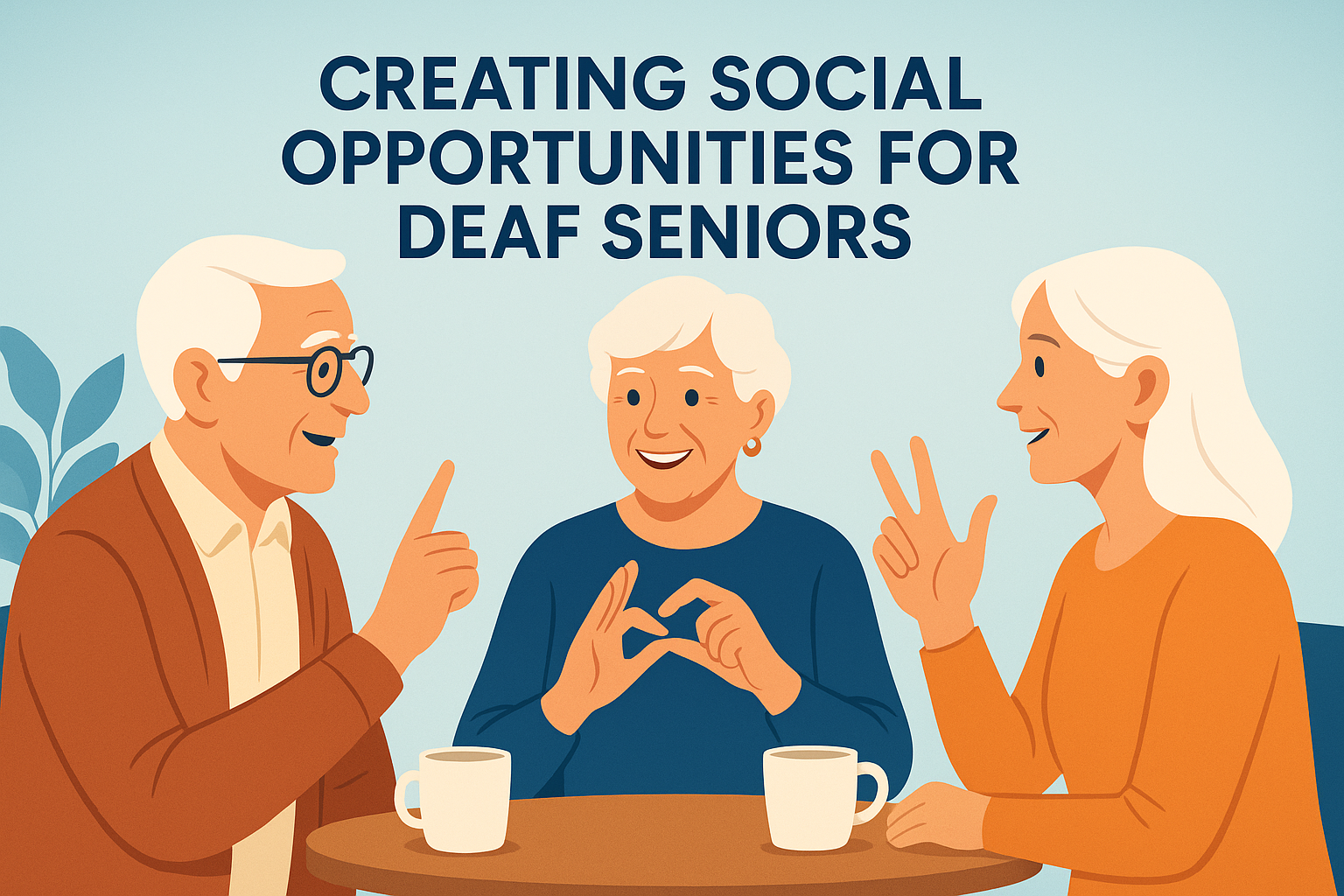
As we age, maintaining social connections is crucial for our emotional and physical well-being. However, for deaf seniors, this can be particularly challenging. Many deaf seniors face barriers that affect their ability to engage with others, leading to isolation and loneliness. In this article, we will explore what it means to create social opportunities for deaf seniors, discuss why it’s essential, and examine the effective ways in which these opportunities can be enhanced. This matters because everyone deserves an inclusive community where they feel valued and connected.
Understanding the Importance of Social Connections for Deaf Seniors
Social connections play a significant role in promoting mental health and preventing conditions such as depression among seniors. For deaf seniors, these connections help reaffirm their identity and provide emotional support. A lack of social interaction can contribute to feelings of isolation, decreasing the overall quality of life. It’s not merely about preventing loneliness; it’s about creating spaces where deaf seniors can thrive and feel like active participants in their communities.
Real-world example: Jane, a 78-year-old deaf senior, lives alone. Her local community center offers sign language classes, but she hasn’t been able to participate in other community activities due to a lack of interpreters. As a result, her social network is limited, and she often feels cut off from her community. By addressing her needs and creating more inclusive social opportunities, Jane would experience an improved quality of life.
Developing Inclusive Programs and Activities
To effectively foster social interaction for deaf seniors, it’s critical to design programs that are accessible and inclusive. This means hiring qualified interpreters, providing closed captioning in group settings, and offering activities that are deaf-friendly. Community centers and organizations can conduct surveys among their members to identify specific needs and preferences, thereby tailoring activities accordingly.
Real-world example: A retirement home in New York, recognizing the needs of its deaf residents, implemented a weekly movie night with sign language interpretation and closed captions. This initiative allowed deaf seniors to enjoy films collectively, leading to conversations and community building.
Integrating Technology for Enhanced Communication
Technology can bridge communication gaps that deaf seniors face. Utilizing services like video relay services (VRS) and text message-based communication platforms can facilitate interaction. Social media platforms also offer opportunities for online community engagement, which can be invaluable for those who aren’t able to attend in-person events frequently.
Real-world example: The use of video conferencing software that enables simultaneous voice and sign language can revolutionize how deaf seniors participate in virtual gatherings. A group of seniors in Florida uses such a platform for a monthly book club, allowing all participants to contribute equally and understand the discussion.
Fostering Partnerships with Local Organizations
Local organizations, including deaf advocacy groups and community centers, play an essential role in facilitating social opportunities. Collaborating with these groups can enhance the outreach and impact of programs aimed at deaf seniors. These partnerships can offer resources, knowledge, and a broader network of individuals who are dedicated to enhancing the lives of deaf seniors.
Real-world example: A collaboration between a senior center and a deaf organization in California resulted in a series of workshops aimed at educating both deaf and hearing individuals. This initiative not only created social opportunities for deaf seniors but also promoted understanding and inclusion within the wider community.
Creating Supportive and Accessible Environments
The physical environment where activities take place is just as important as the programs themselves. Ensuring that venues are accessible and accommodating can make a significant difference. This includes having proper lighting, ensuring good acoustics, and using visual aids to support communication.
Real-world example: An assisted living facility in Chicago redesigned its common area to include better lighting and sound absorption features. This made it easier for deaf seniors to lip-read and communicate with each other, facilitating more frequent and comfortable social interactions.
Practical Strategies for Family Members and Caregivers
Family members and caregivers can play a pivotal role in supporting social engagement for deaf seniors. By actively seeking out and facilitating opportunities, they can ensure their loved ones remain connected and fulfilled. This can be as simple as encouraging participation in local events or facilitating access to social technology.
Real-world example: A family in Texas ensures that their deaf grandfather attends a weekly community bingo game. They arrange for an interpreter to assist, fostering interactions between him and other players and helping him feel like a valued member of the community.
| Key Strategies | Examples |
|---|---|
| Inclusive Programming | Sign language classes, closed-captioned media events |
| Technology Integration | Video conferencing, text-based communication |
| Partnerships | Collaborations with deaf advocacy groups |
| Environment Modification | Improved lighting and acoustics |
| Family Involvement | Encouraging participation in events |
Encouraging Self-Advocacy Among Deaf Seniors
Empowering deaf seniors to advocate for their needs can lead to more sustainable and effective social opportunities. Teaching self-advocacy skills can enable them to communicate their preferences and expectations, ensuring that programs and activities remain relevant and enjoyable.
Real-world example: A deaf senior community in Washington organized a workshop focused on self-advocacy. By learning how to communicate their needs, members were able to influence the programming at their local community center, resulting in more personally relevant activities.
Conclusion: The Path Forward
In conclusion, creating social opportunities for deaf seniors is a multifaceted endeavor that requires a commitment to inclusivity and understanding. The benefits of such efforts are profound, enhancing the quality of life for deaf seniors by fostering connections and supporting mental and emotional health. By recognizing and addressing the unique challenges faced by deaf seniors, communities can build more inclusive environments where everyone feels valued.
Whether you’re a community organizer, a family member, or a caregiver, you have the power to make a difference. Start by considering the needs of deaf seniors in your community and implement one or more of the strategies discussed. Together, we can create a world where every senior, regardless of their hearing ability, enjoys rich, fulfilling social interactions.
Next step: Reach out to local organizations or community centers and explore how you can contribute to or participate in programs that support deaf seniors. Your involvement could help change lives for the better.
Frequently Asked Questions
1. Why is it important to create social opportunities for deaf seniors?
It’s incredibly important to create social opportunities for deaf seniors because, as individuals age, maintaining social connections becomes a cornerstone of emotional and physical well-being. Social interactions help diminish feelings of loneliness and isolation, which can be prevalent among deaf seniors due to communication barriers. These feelings, if not addressed, could potentially lead to adverse health outcomes such as depression, anxiety, or even cognitive decline. Social engagement is not just about preventing negative outcomes; it’s about enhancing life quality. When deaf seniors have regular interactions, they experience increased mental stimulation, better mood regulation, and a greater sense of belonging. This active engagement can lead to healthier aging, improved resilience, and increased longevity. Thus, creating and enhancing these opportunities for engagement is not just a nice-to-have; it’s an essential component of supporting our seniors in living fulfilling, happy lives.
2. What obstacles do deaf seniors face in forming social connections?
Deaf seniors encounter several obstacles that can impede their ability to form social connections. Firstly, communication barriers are a primary concern. Many deaf seniors may rely on sign language or lip-reading, and if others aren’t fluent in those methods, it can create significant communication challenges. Moreover, hearing loss can sometimes come with age, making it harder for them to socialize if there are no adaptations in their environment or within social activities. Secondly, accessibility is another critical issue. Not all venues or events are designed to accommodate the needs of the deaf, such as having sign language interpreters or hearing loops, which can discourage participation. Furthermore, a lack of awareness or inclusivity from hearing peers might result in deaf seniors feeling left out or not understood, further pushing them towards isolation. Lastly, technology, which many rely on for social connections, may not be as accessible or user-friendly for older adults. Understanding and addressing these obstacles is essential in developing effective strategies to promote inclusive social opportunities for deaf seniors.
3. How can families and communities help in enhancing social opportunities for deaf seniors?
Families and communities play a vital role in enhancing social opportunities for deaf seniors by fostering environments that emphasize inclusion and accessibility. On the family front, encouraging participation in family gatherings by ensuring there’s a shared understanding of the senior’s communication needs is crucial. Family members can learn basic sign language to help facilitate easier communication. Furthermore, they can aid in setting up and teaching seniors how to use technology to communicate, such as video calls with captioning services or social media platforms that have accessibility features.
Communities, on the other hand, can contribute significantly by organizing events and activities with inclusivity in mind. This involves hiring sign language interpreters for community events or providing written transcripts wherever audio is used. Developing social clubs or groups specifically for the deaf community helps in creating a sense of belonging and understanding. Communities can also advocate for policies that support accessibility in public spaces and encourage the design of senior centers with adaptable communication technology. Collaboratively, families and communities can create more connected, inclusive spaces that hugely benefit deaf seniors.
4. What are some effective ways to promote social engagement among deaf seniors?
There are many techniques and strategies that can promote social engagement for deaf seniors effectively. Creating peer support groups specifically tailored for the deaf community is a powerful way to foster a sense of belonging and shared experience. These groups provide a safe space for deaf seniors to express themselves freely without the barriers that often exist in predominantly hearing environments. Also, hosting regular social events, like coffee mornings, book clubs, or arts and craft sessions, where communication needs are addressed, enables greater participation and interaction.
Technology, when made accessible, is another key facilitator of social engagement. Video conferencing tools with closed captioning, apps that support text-to-speech capabilities, and accessible social media channels can help connect deaf seniors with friends and family, even if they’re physically distant. Furthermore, incorporating training sessions on how to effectively use such technologies can significantly enhance confidence among seniors in using digital tools to stay connected. Recreational activities that include visual learning, like photography or painting, can also be great ways to engage socially, as they transcend many of the traditional communication barriers. These activities, coupled with a community that is attentive and responsive to the evolving needs of deaf seniors, effectively promote social engagement.
5. How can healthcare providers contribute to the social well-being of deaf seniors?
Healthcare providers have a unique opportunity to contribute positively to the social well-being of deaf seniors. Because they routinely interact with seniors, they can play a pivotal role in identifying signs of social isolation or loneliness early and can recommend interventions. Providers can start by ensuring their practices are accessible; this includes offering interpretation services or having staff who are trained in basic sign language to facilitate better communication.
Furthermore, healthcare providers can collaborate with social workers or community service organizations to develop programs or support groups specifically for deaf seniors. This collaboration can lead to more holistic care strategies that consider both health and social needs. Routine check-ups can be a chance to engage in conversations about the senior’s social life and suggest community resources or activities that might be of interest. Moreover, providers can advocate for creating more inclusive environments in healthcare settings themselves, setting an example for others in the community to follow in inclusion and accessibility efforts. By proactively addressing social health as an integral part of general well-being, healthcare providers empower deaf seniors to lead connected and enriched lives.