
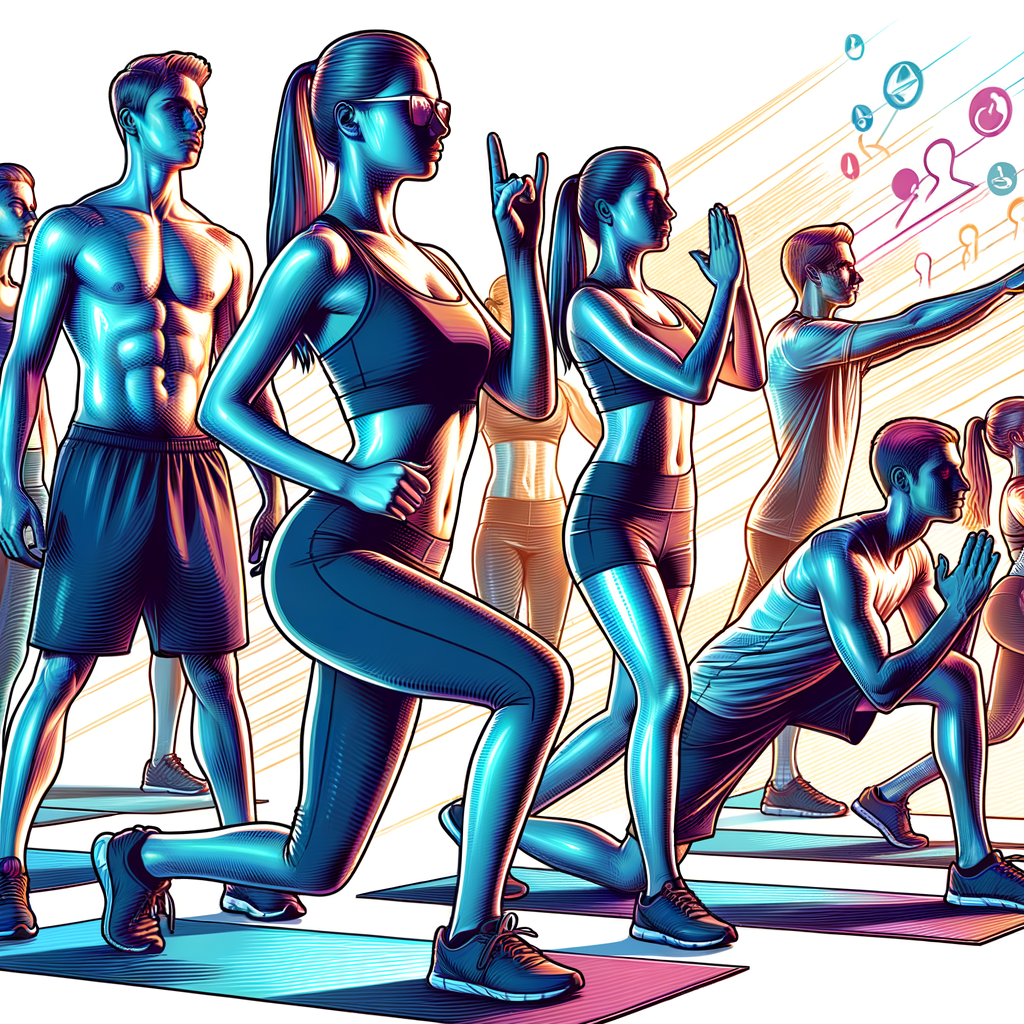
Creating a personalized fitness routine for deaf individuals can seem daunting initially, but it need not be so. Just like anyone else, deaf individuals have unique needs and preferences when it comes to fitness. Understanding these needs, respecting individual differences, and creating a supportive environment are crucial in helping deaf individuals achieve their fitness goals. The creation process involves not only choosing appropriate exercises but also ensuring effective communication, access to resources, and fostering a supportive community. This article explores various aspects of developing a personalized fitness routine tailored to the specific requirements of deaf individuals in a manner that is inclusive, accessible, and empowering.
In recent years, there has been a growing awareness of the need to account for the unique requirements and considerations of diverse groups, including the deaf community, within fitness programs. Despite this, many fitness routines still do not adequately address the specific challenges faced by deaf individuals. Crafting a fitness plan for this community involves going beyond the mere selection of exercises; it’s about understanding communication dynamics, creating an inclusive environment, and utilizing the right resources that are adaptable and accessible. The goal is to ensure deaf individuals feel empowered to engage actively in their fitness journey, tapping into their strengths, and accommodating any challenges they might face.
This article will delve into the nuances of planning a fitness routine accessible to deaf individuals, covering the importance of clear communication using visual aids and sign language, the selection of suitable exercises, and the inclusion of technological tools to facilitate the process. Additionally, it will discuss the role of trainers and the community in creating a supportive environment and provide tips for deaf individuals to personalize their fitness routines effectively. Ensuring that fitness routines are personalized and accessible will enable deaf individuals to lead healthier, more active lives, benefiting their physical health, mental well-being, and overall quality of life.
Understanding Communication Needs
The cornerstone of personalizing a fitness routine for deaf individuals is understanding their communication needs. Effective communication plays a critical role in ensuring that deaf individuals can follow fitness instructions precisely. This includes utilizing sign language, visual cues, and other non-verbal forms of communication to relay instructions, demonstrate exercises, and correct form. Sign language interpreters can be invaluable in environments where instructions are given orally, ensuring that deaf individuals understand what’s expected clearly.
Visual aids, such as diagrams, videos, or live demonstrations, are also essential. These tools allow exercisers to see and mimic the proper form and technique, reducing the chances of mistakes and injury. Trainers working with deaf individuals should prioritize learning basic sign language and understanding the most common gestures and signs associated with exercises. This fosters trust, enhances the effectiveness of the training, and demonstrates respect and inclusion for deaf individuals.
Exercise Selection and Adaptation
Choosing the right exercises is vital in creating a personalized fitness routine for deaf individuals. Like anyone else, they have varied fitness levels, interests, and goals. These factors should guide the selection of exercises. Cardio exercises like cycling, running, or swimming can be adapted to suit personal preferences and fitness levels. Strength training, utilizing weights or resistance bands, can also be included, with clear demonstrations of techniques to ensure safety.
Additionally, understanding the individual’s comfort level with group activities is crucial. Some deaf individuals may prefer group settings to bond and socialize, while others might feel more comfortable doing individual or one-on-one trainer-led exercises. Group classes that integrate music can be adapted by choosing music with strong basslines, enabling participants to feel the rhythms through vibrations. Encouraging the use of tactile signals, such as taps on the shoulder, can also be an effective way to communicate and keep pace during group workouts.
Utilizing Technology and Apps
Technology can play a significant role in bridging communication gaps and maximizing the efficiency of a fitness routine for deaf individuals. There are numerous fitness apps available that offer video demonstrations of exercises, allowing deaf individuals to follow along visually. Apps that offer step-by-step guides and personalized adjustments based on the user’s input can further tailor the routine to suit individual needs.
Smart fitness devices offer opportunities for tracking progress and setting goals, complete with visual alerts and feedback, which can be more inclusive. For instance, vibrating wearable technology can serve as a reminder to perform an activity or keep track of time in high-intensity interval training sessions. Moreover, online fitness communities and social media groups can provide platforms for connection, motivation, and sharing experiences among deaf individuals, cultivating a sense of community.
The Role of Trainers and Community
Trainers and the broader fitness community exert a significant influence on how effectively a deaf individual can engage in a fitness routine. Trainers should strive to create an inclusive atmosphere, demonstrating willingness to learn about and adapt to the communication preferences of deaf participants. This involves being patient, open, and encouraging, willing to adjust teaching styles to be more visual and tactile as needed.
Building rapport and trust with participants is key. Trainers can make participants feel valued and respected, which can positively affect their motivation and engagement levels. Additionally, the community plays a role in supporting inclusion efforts. Gyms and fitness centers can be more accommodating by offering resources like sign language classes for staff, ensuring facilities are designed with visual signals, and recruiting trainers skilled in working with deaf individuals. This not only enhances the experience for deaf participants but also contributes to a more inclusive fitness environment for all.
Creating Motivating and Supportive Environment
For a fitness routine to be effective, the environment must be positive and motivating. Encouraging an atmosphere of acceptance and camaraderie can significantly impact the experience and outcomes for deaf individuals in a fitness setting. Group workouts, where encouragement is part of the culture, and fostering team activities that emphasize inclusion, can enhance this feeling of support and motivation.
Promoting success stories of deaf individuals within fitness can inspire and motivate others. Showcasing achievements through community boards or local gyms’ social media creates role models and points of inspiration, demonstrating that a fitness routine can yield fantastic results regardless of personal challenges. Providing these success stories in both written and sign format ensures accessibility and inspiration to all viewers.
Self-Directing the Fitness Journey
Ultimately, empowering deaf individuals to take control and personalize their fitness journey is crucial. Providing resources and knowledge helps individuals make informed decisions about their fitness routines. Encouraging self-directed goal setting and progress tracking is key to a personalized approach. It is crucial to allow individuals to set realistic and personal targets, and continuously adjust their routines to align with their evolving goals and capabilities.
Workshops and seminars on how to tailor fitness routines can provide valuable insights. These would focus on teaching deaf individuals how to plan their exercises, monitor their health metrics, and modify routines based on personal progress and preferences. Moreover, having open communication channels and seek feedback ensures the individual’s evolving needs and preferences are accounted for, preventing frustration and maintaining motivation.
Establishing an environment where deaf individuals are encouraged and supported to voice their preferences can significantly enhance the effectiveness and satisfaction of their fitness routine. A focus on the continuous adaptation and personalization of fitness plans means that the participant remains interested, challenged, and enthusiastic about their fitness journey.
Conclusion
Creating a personalized fitness routine for deaf individuals involves much more than just choosing exercises. It requires an understanding of individual communication needs, adaptability of exercises, effective utilization of technology, and a supportive environment fostered by trainers and the fitness community. It is about working with and for the individual, acknowledging their unique challenges, preferences, and strengths, and utilizing those insights to create a fulfilling, adaptable, and enjoyable fitness journey.
The onus falls not only on fitness professionals and communities to adapt and create an inclusive space but also on society to dismantle barriers that impede access to fitness for deaf individuals. By highlighting their experiences, providing resources for adaptation, and promoting inclusivity within mainstream fitness spaces, we can encourage broader participation and enhance the lives of deaf individuals significantly.
Empowering deaf individuals through personalized fitness enables them to pursue greater health, mental well-being, and enhanced quality of life. This highlights a broader move towards inclusivity and diversity across all aspects of life. Recognizing the need for and implementing personalized fitness routines illustrates a commitment to an equitable fitness environment where everyone has the opportunity to thrive, feel empowered, and achieve their personal best.
Frequently Asked Questions
1. What should be considered when creating a fitness routine for deaf individuals?
When creating a fitness routine for deaf individuals, it’s important to first understand their unique needs and preferences. Engage in conversations with the individual to get a sense of their fitness goals, what exercises they enjoy or find beneficial, and their preferred modes of communication. Some deaf individuals may prefer written instructions or visual demonstrations, while others might rely on sign language. Implementing visual aids like diagrams or videos can enhance understanding and execution of exercises. Additionally, it’s crucial to ensure the fitness environment is accommodating, with visual cues instead of audio signals for changes or timing in the routine. The focus should be on creating an inclusive space that feels supportive and empowering.
2. How can effective communication be ensured during workouts?
Effective communication is key to a successful fitness routine for deaf individuals. Start by learning basic sign language if possible, as it can significantly enhance communication. Having an interpreter available for more complex instructions or feedback sessions could also be beneficial. Utilize visual aids like written instructions, exercise videos with captions, or apps that provide visual feedback on performance. Position yourself where you can be seen clearly during instruction and exercises. It’s essential to maintain an open dialogue and ensure the individual feels comfortable expressing questions or concerns about their routine. Lastly, fostering an environment where the individual feels their communication preferences are respected and valued is of utmost importance.
3. What types of exercises are suitable for deaf individuals?
Deaf individuals can engage in a wide variety of exercises just like anyone else. The aim should be to create a well-rounded fitness routine that includes cardiovascular activities, strength training, flexibility exercises, and balance work. Choosing exercises that the individual enjoys and finds motivating will increase adherence to the routine. For example, they might appreciate high-energy workouts like aerobics, dance, or cycling, or might prefer more mindful practices like yoga or Pilates. Group classes that utilize visual instructors or online programs with clear video instructions can be a great fit. The key is being attentive to their preferences and comfort levels, providing modifications as necessary, and ensuring safety during all exercises.
4. How can technology assist in creating a customized fitness experience for deaf individuals?
Technology plays an incredibly supportive role in customizing fitness experiences for deaf individuals. Many fitness apps now cater specifically to diverse needs, including visual and textual components rather than relying solely on audio. Apps can provide real-time feedback, video demonstrations of exercises, and progress tracking, all of which are beneficial. Online platforms that offer workout classes often have captioning options. Wearable devices that vibrate for alerts can replace audio cues, ensuring deaf individuals can keep pace with set exercise intervals or changes. Additionally, live streaming workout classes with sign language interpreters are becoming more popular, removing barriers and making fitness more accessible and inclusive. Embracing technology can vastly improve the quality and personalization of a fitness routine.
5. How can one create a supportive and inclusive fitness environment?
Creating a supportive and inclusive fitness environment for deaf individuals involves several considerations. Start by educating yourself and, if applicable, your staff about the deaf community’s needs and communication preferences. Making sign language resources available and inculcating a zero-tolerance policy towards discrimination sets a strong foundation. Ensure your facilities are equipped with appropriate visual signage, signals, and safety indicators. Offering classes specifically designed to accommodate hearing-impaired participants, possibly with instructors who can sign, would be advantageous. Lastly, promoting an environment of understanding and kindness, where members are encouraged to ask questions and educate themselves, ultimately leads to a cohesive and inclusive fitness community where deaf individuals feel welcome and understood.