
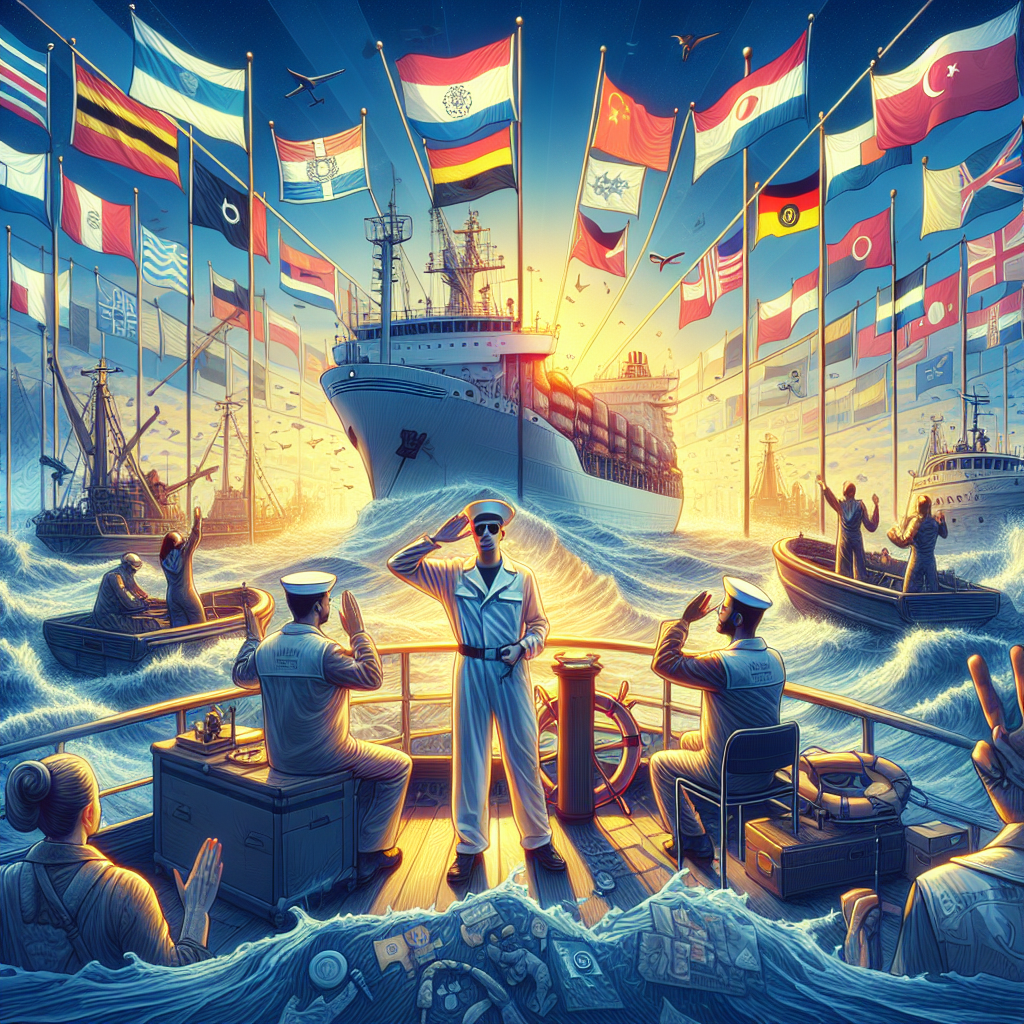
Every year on June 25th, the maritime community comes together to honor the International Day of the Seafarer. This special day serves as a reminder of the critical role that seafarers play in international trade and commerce, often going unnoticed by the public eye. From navigating treacherous waters to ensuring the seamless transportation of goods around the globe, these men and women are the backbone of the global economy.
However, there is an often overlooked subset of this community that deserves special recognition: Deaf seafarers. These individuals, who may face unique challenges due to their hearing impairments, are making significant contributions in the maritime industry. Their stories are a testament to resilience, determination, and the true spirit of what it means to be a seafarer. By highlighting their experiences, we are not only celebrating their achievements but also advocating for greater accessibility and inclusivity at sea.
In this article, we will delve into the lives and contributions of Deaf seafarers, the importance of advocating for accessibility and inclusivity in maritime sectors, and explore how technological advancements can help pave the way towards a more inclusive future at sea. By shedding light on these unsung heroes, we hope to inspire change and foster a more inclusive environment where everyone, regardless of their abilities, can thrive.
Challenges Faced by Deaf Seafarers
For Deaf individuals, pursuing a career in the maritime industry comes with its own set of unique challenges. From the onset, the path to becoming a seafarer often involves rigorous training and certification processes, which can be more difficult to navigate for those with hearing impairments. Communication barriers can pose significant challenges during training sessions and practical examinations, where clear understanding and quick response times are crucial.
Once onboard, Deaf seafarers may face additional hurdles in performing their daily duties. Effective communication is essential for maintaining safety and operational efficiency at sea. Misunderstandings due to hearing impairments can lead to safety risks, misinterpretation of commands, and even accidents. Additionally, social isolation can be a significant issue, as Deaf seafarers might struggle to fully integrate with their hearing peers, leading to a sense of loneliness and exclusion.
Moreover, accessing and understanding important information and safety protocols that are predominantly delivered through auditory means can be a considerable challenge. This lack of accessibility can create an environment where Deaf seafarers are not fully equipped to respond to emergencies, putting themselves and others at risk.
Despite these challenges, Deaf seafarers have demonstrated incredible adaptability and resourcefulness. With the right support and accommodations, they have proven that they can perform their duties just as efficiently as their hearing counterparts. It is crucial to continue advocating for accessibility and inclusivity to ensure that every seafarer can work safely and effectively.
The Role of Technological Advancements
In recent years, technological advancements have played a transformative role in enhancing the lives of Deaf seafarers. One significant area of progress has been in the development and implementation of assistive communication tools. Advanced technology such as two-way text communication devices, video relay services, and digital hearing aids have allowed Deaf seafarers to communicate more effectively with their colleagues.
Real-time text transcription services and voice-to-text applications have also become invaluable in bridging the communication gap, ensuring that Deaf seafarers can participate fully in discussions, receive clear instructions, and access important information. Video conferencing platforms with integrated sign language interpretation services have opened up new avenues for remote training and meetings, making it easier for Deaf individuals to stay connected and engaged.
Moreover, navigational and safety technologies have seen significant improvements, offering enhanced visual and tactile alerts that cater to the needs of Deaf seafarers. For instance, vibrating alert systems and visual alarms can be installed on ships to signal emergencies or important announcements, ensuring that Deaf crew members are promptly informed of critical situations.
These technological advancements are not only improving accessibility but also empowering Deaf seafarers to perform their duties with greater confidence and efficiency. By leveraging these innovations, the maritime industry can create a more inclusive environment where every seafarer, regardless of their hearing abilities, can contribute to the collective success and safety of the crew.
Success Stories: Deaf Seafarers Making Waves
The stories of Deaf seafarers who have made significant contributions to the maritime industry serve as powerful inspirations for others. One such individual is Captain Jeffrey Davis, a Deaf captain who has overcome numerous obstacles to lead his crew with distinction. With his adept leadership and the support of advanced communication tools, Captain Davis has successfully navigated some of the most challenging sea routes, earning the respect and admiration of his peers.
Another notable figure is Alicia Martinez, a Deaf engineer who has become a pioneer in promoting accessibility within the maritime engineering sector. Through her relentless advocacy and innovative solutions, Martinez has played a critical role in designing ship modifications that enhance safety and accessibility for Deaf crew members. Her contributions have paved the way for more inclusive engineering practices within the industry.
These success stories highlight the immense potential and capabilities of Deaf seafarers. They demonstrate that with the right support, accommodations, and technological advancements, Deaf individuals can excel in their maritime careers and make valuable contributions to the industry. By celebrating their achievements, we can challenge stereotypes, break down barriers, and inspire more Deaf individuals to pursue careers at sea.
These narratives also underscore the importance of investing in policies and practices that promote diversity and inclusion within the maritime sector. By showcasing the success and resilience of Deaf seafarers, we can drive positive change and create a more inclusive environment that values and harnesses the talents of every crew member.
Advocacy and Policy Changes
To truly foster an inclusive maritime industry, it is essential to push for advocacy and policy changes that support the needs of Deaf seafarers. At the core of this effort is the need for greater awareness and understanding of the challenges they face. Educational campaigns and training programs focused on Deaf awareness and inclusive communication can go a long way in bridging the gap between Deaf and hearing seafarers.
Maritime organizations and authorities must prioritize the implementation of accessibility standards and guidelines that cater to Deaf individuals. This includes ensuring that training materials, safety protocols, and operational procedures are available in accessible formats such as sign language, subtitles, and written instructions. Dedicated resources should also be allocated to installing assistive technologies on ships to aid Deaf seafarers in their daily tasks.
Moreover, policies should be put in place to encourage the recruitment and retention of Deaf seafarers. Employers should be incentivized to create inclusive work environments through grants, subsidies, or recognition programs. Additionally, mentorship programs linking experienced Deaf seafarers with newcomers can provide valuable guidance and support, helping them navigate their careers more effectively.
Collaboration between maritime organizations, advocacy groups, and government bodies is crucial to driving these changes. By working together, we can build a more inclusive maritime sector that not only acknowledges the contributions of Deaf seafarers but also actively supports their growth and development. Only through collective action can we ensure that every seafarer, regardless of their hearing abilities, is afforded the opportunity to thrive.
The Importance of Education and Training
Education and training play an instrumental role in equipping Deaf individuals with the skills and knowledge they need to succeed as seafarers. Specialized training programs tailored to the needs of Deaf individuals can help bridge the gap and provide them with the necessary tools to excel in their careers.
Maritime academies and training institutions should consider incorporating inclusive teaching methods, such as the use of sign language interpreters, visual aids, and hands-on learning experiences, to accommodate Deaf students. Additionally, online learning platforms can offer flexibility and accessibility, enabling Deaf individuals to pursue their maritime education at their own pace.
Continued professional development is equally important for Deaf seafarers, as it allows them to stay abreast of industry advancements and enhance their skill sets. Workshops, seminars, and training sessions focused on the latest maritime technologies and practices can provide valuable learning opportunities. Ensuring that these educational resources are delivered in accessible formats will enable Deaf seafarers to fully participate and benefit from these initiatives.
By prioritizing education and training, we can create a pipeline of skilled Deaf seafarers who are well-prepared to tackle the challenges of the maritime industry. This investment in their development not only empowers them but also contributes to the overall growth and success of the maritime sector. An educated and inclusive workforce leads to better safety, efficiency, and innovation, benefiting everyone involved.
Conclusion: Navigating Towards Inclusivity
As we commemorate the International Day of the Seafarer, it is vital that we recognize and celebrate the contributions of Deaf seafarers. Their resilience, determination, and unwavering commitment to their profession set a shining example for all. By highlighting their stories and advocating for greater accessibility and inclusivity, we can pave the way towards a more inclusive maritime industry.
Creating a supportive environment for Deaf seafarers requires a multi-faceted approach that includes technological advancements, policy changes, educational initiatives, and continuous advocacy. It is incumbent upon maritime organizations, authorities, and governments to work together to implement these changes and uphold the values of diversity and inclusion.
As we look to the future, it is essential to remember that an inclusive maritime industry benefits everyone. By embracing diversity and ensuring that all seafarers, regardless of their abilities, have the opportunity to thrive, we can build a stronger, more resilient maritime sector. Celebrating the achievements of Deaf seafarers is just the beginning. Let us continue to advocate for change, break down barriers, and navigate towards a more inclusive and accessible future at sea.
Together, we can ensure that the seas are navigable for all, marking the International Day of the Seafarer as a true celebration of unity, diversity, and progress within the maritime community.