
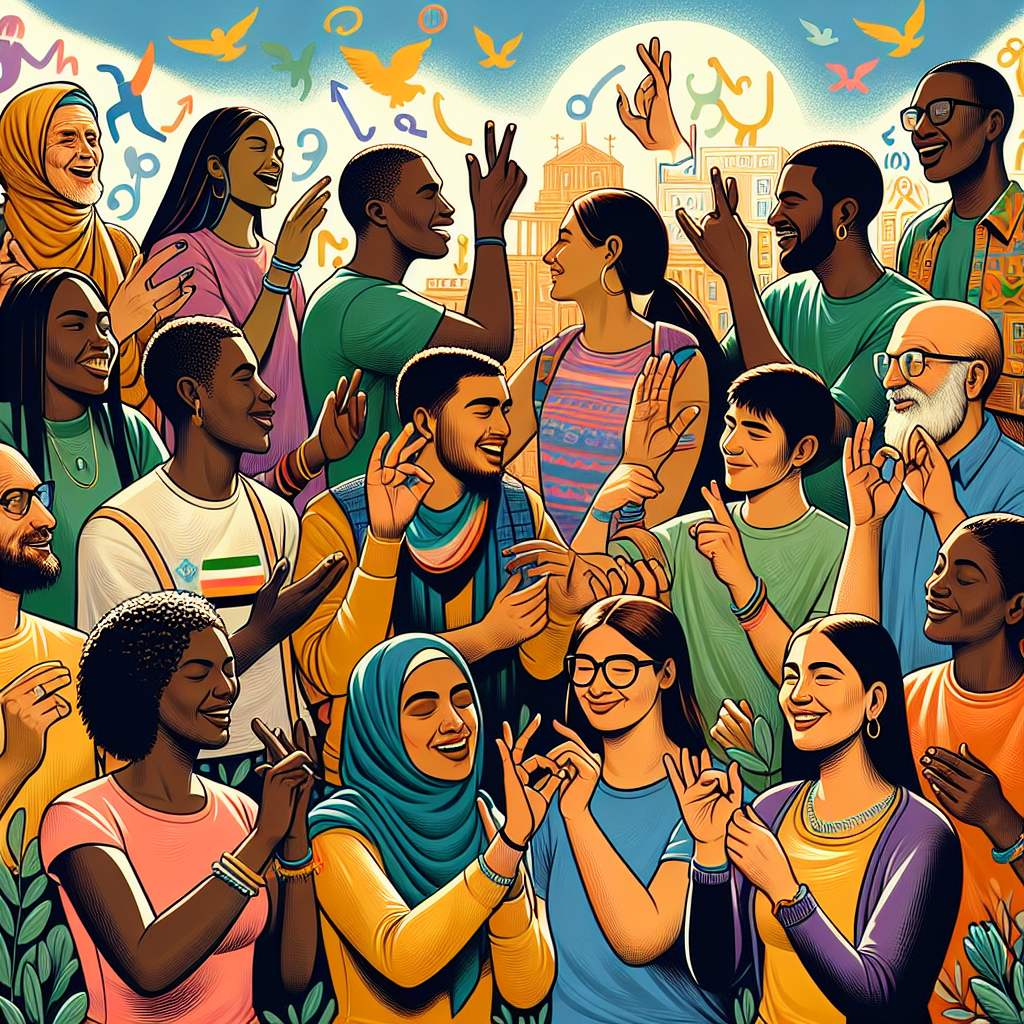
The International Day of Friendship is a global initiative that highlights the importance of friendship and community in fostering peace and understanding. For the Deaf community, this day holds special significance as it provides an opportunity to strengthen existing bonds and build new connections. Understanding the unique aspects of Deaf culture and education can help bridge gaps and create a more inclusive society. In this article, we will delve into the various facets of Deaf education, the challenges faced by the Deaf community, and the importance of awareness and advocacy. By exploring these topics, we aim to foster a greater understanding and appreciation of the Deaf world.
The Importance of Deaf Education
Deaf education is the tailored teaching of students who are deaf or hard of hearing. It encompasses a wide range of strategies, including the use of sign language, oral communication, and written instruction. The goal of Deaf education is to provide these students with the same academic and social opportunities as their hearing peers.
One key aspect of Deaf education is early intervention. Studies show that early exposure to language, whether spoken or signed, is critical for cognitive development. Programs such as Early Hearing Detection and Intervention (EHDI) aim to identify hearing loss in infants and provide early access to resources and support. Moreover, specialized schools and programs for the Deaf offer a culturally rich environment where students can thrive.
Despite the advancements in Deaf education, several challenges remain. A significant portion of the Deaf population faces barriers in accessing quality education. Lack of trained educators, inadequate resources, and limited awareness about the unique needs of Deaf students are some of the ongoing issues. By increasing awareness and advocacy, we can work towards a more equitable education system for all.
The Role of Technology in Deaf Education
Technology has revolutionized the way education is delivered, and Deaf education is no exception. Assistive technologies, such as hearing aids, cochlear implants, and speech-to-text software, have significantly improved the learning experience for Deaf students. These tools facilitate better communication and comprehension, allowing students to engage more fully in the classroom.
Additionally, online learning platforms and virtual classrooms have made education more accessible. For instance, video conferencing tools with real-time captioning and sign language interpretation enable Deaf students to participate in remote learning sessions. Educational apps and software designed specifically for the Deaf community offer interactive and engaging ways to learn new concepts and skills.
However, the digital divide remains a concern. Not all Deaf students have access to the latest technologies or reliable internet connections. Ensuring that these resources are universally available is essential for bridging the gap and promoting inclusive education.
Deaf Culture and Community
Deaf culture is a rich and diverse aspect of the Deaf community. It encompasses unique social norms, values, and traditions that are centered around the use of sign language and visual communication. Deaf culture is not defined by hearing loss but by a shared experience and common means of communication.
American Sign Language (ASL) is a cornerstone of Deaf culture in the United States. It is a complete, natural language with its own syntax, grammar, and vocabulary. ASL is used not only in educational settings but also in social and cultural activities. Deaf clubs and organizations provide spaces for socializing, advocacy, and cultural exchange, fostering a strong sense of community and identity.
Celebrating Deaf culture involves recognizing and honoring the contributions of Deaf individuals in various fields, such as arts, sports, and activism. Events like Deaf Awareness Week and International Day of Sign Languages promote understanding and appreciation of the Deaf community, encouraging more inclusive attitudes and practices in society.
Challenges Faced by the Deaf Community
While the Deaf community has made significant strides in advocating for their rights and inclusion, they continue to face numerous challenges. One major issue is accessibility. Many public spaces, services, and media outlets do not provide adequate accommodations for Deaf individuals, such as sign language interpretation or captioning.
Employment is another area where the Deaf community encounters obstacles. Despite possessing a wide range of skills and qualifications, Deaf individuals often face discrimination and limited opportunities in the job market. Employers may have misconceptions about the abilities of Deaf workers or may not provide necessary accommodations.
Mental health is also a concern. The Deaf community can experience social isolation and mental health issues due to communication barriers and lack of understanding from the hearing world. Providing mental health services that are accessible and sensitive to the needs of Deaf individuals is crucial for their well-being.
The Importance of Awareness and Advocacy
Raising awareness about Deaf culture, education, and the challenges faced by the Deaf community is vital for fostering a more inclusive society. Advocacy plays a key role in this process. By promoting understanding and challenging misconceptions, advocates can help break down barriers and drive policy changes that benefit the Deaf community.
Educational institutions, employers, and public services can contribute to this effort by implementing inclusive practices and providing accommodations. Offering sign language classes, employing Deaf staff, and ensuring accessibility in media and public spaces are some ways to promote inclusion.
Individuals can also make a difference by educating themselves about Deaf culture, learning sign language, and supporting Deaf-owned businesses and organizations. Small actions can ripple outwards, creating a more supportive and inclusive environment for everyone.
How to Celebrate International Day of Friendship with the Deaf Community
International Day of Friendship is an excellent opportunity to celebrate and strengthen connections within the Deaf community. Here are some ways to get involved:
- Attend events hosted by local Deaf organizations or schools. These events often feature performances, workshops, and social gatherings that highlight Deaf culture.
- Learn basic sign language. Even a few simple phrases can go a long way in building connections and showing respect for the Deaf community.
- Share information about Deaf culture and awareness on social media. Use this platform to amplify the voices of Deaf individuals and educate others about their experiences and contributions.
- Support Deaf-owned businesses and creators. Purchasing products or services from Deaf entrepreneurs promotes economic empowerment within the community.
- Volunteer with organizations that advocate for Deaf rights and education. Your time and effort can make a substantial impact on these initiatives.
By participating in these activities, you can contribute to a more inclusive and supportive environment for the Deaf community, not just on International Day of Friendship but every day.
Conclusion
International Day of Friendship is a powerful reminder of the importance of building connections and celebrating community. For the Deaf community, it is an opportunity to highlight the unique aspects of Deaf culture and education, raise awareness about the challenges they face, and advocate for a more inclusive society.
By understanding the importance of Deaf education, embracing the role of technology, appreciating Deaf culture, recognizing ongoing challenges, and committing to raising awareness, we can support the Deaf community in meaningful ways. Celebrating International Day of Friendship with the Deaf community is an invitation to learn, connect, and contribute to a world where everyone is valued and included.
Let’s work together to foster friendships that transcend barriers and build a future where the Deaf community can thrive. Every effort counts, and each small step brings us closer to a society that truly celebrates diversity and inclusion.