
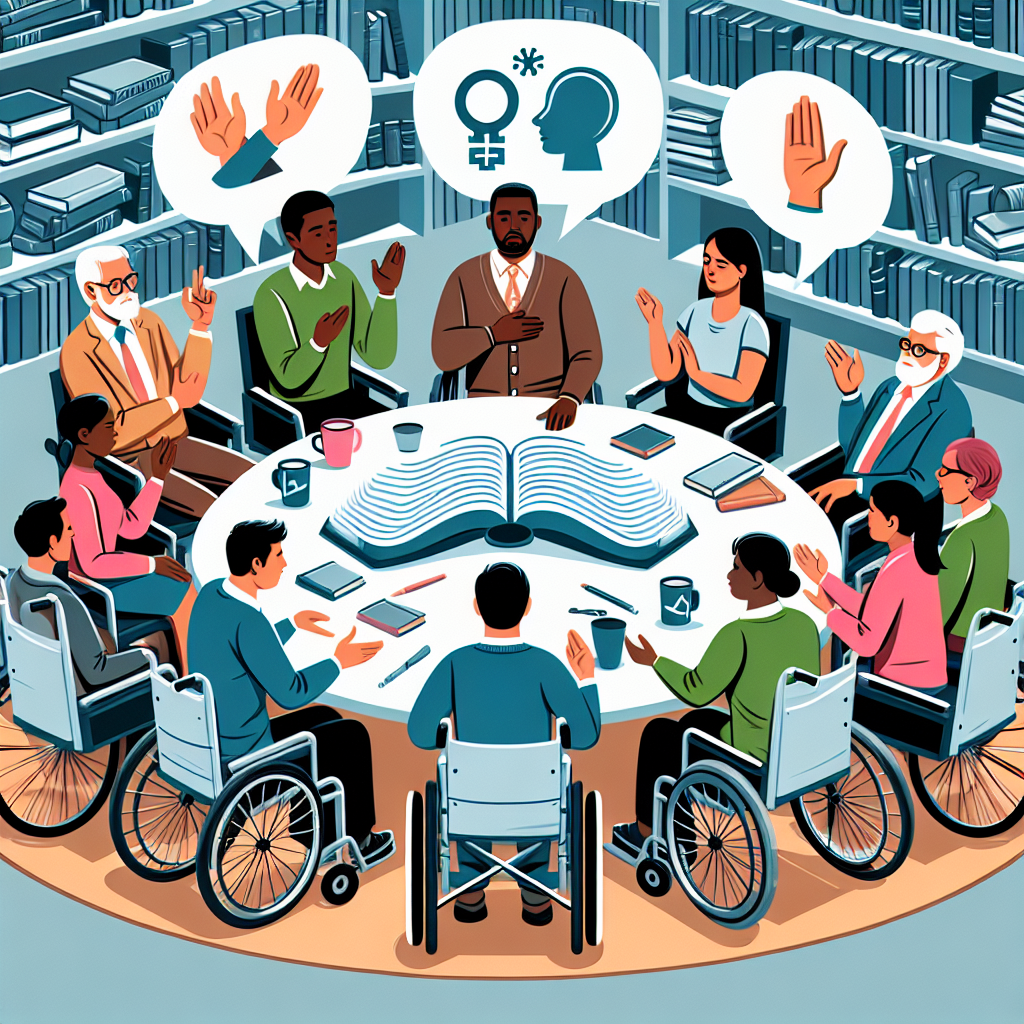
Breaking the silence and addressing the challenges faced by the Deaf community is crucial for fostering an inclusive society. Deaf awareness and advocacy go hand in hand, offering fresh perspectives on how to tackle ableism in everyday life. Ableism, a form of discrimination that favors able-bodied individuals, often disregards the unique experiences and needs of Deaf individuals. Awareness campaigns and advocacy efforts aim to challenge these biased norms and promote a more equitable and understanding world.
In recent years, strides have been made in raising awareness around the obstacles faced by Deaf individuals. However, there is still much work to be done in dismantling systemic ableism that persists in education, workplaces, and public spaces. By understanding the nuances of Deaf culture, and the importance of sign language, and advocating for accessibility, we can pave the way for meaningful participation and representation of Deaf individuals in society.
This article delves into effective strategies for tackling ableism, emphasizing education, policy changes, and community involvement. From exploring the roots of prejudices to highlighting successful advocacy initiatives, the journey toward a fully inclusive society requires collective efforts. It’s time to break the silence, contribute to the conversation, and prioritize an environment where everyone can thrive regardless of their hearing abilities.
The Importance of Deaf Awareness Education
Deaf awareness education serves as the cornerstone for combating ableism and promoting inclusivity. It begins with understanding the rich tapestry of Deaf culture and recognizing the Deaf community’s vibrant history filled with resilience and achievements. By displacing misconceptions and stereotypes, deaf awareness education paves the way for empathy and respect.
Schools and educational institutions play a vital role in embedding deaf awareness into their curriculums, starting at a young age. Education that incorporates Deaf history, sign language, and deaf culture creates a more informed and assumingly environment for all students. Activities such as sign language workshops not only benefit Deaf students but also enrich the experiences of hearing students by exposing them to new forms of communication.
Moreover, educators should adopt an inclusive teaching paradigm that accommodates various learning styles and communication preferences. By consciously choosing materials, strategies, and environments that include Deaf perspectives, educators can bridge gaps between Deaf and hearing learners. By investing in deaf awareness education, we lay the groundwork for broader societal attitudinal shifts necessary to eradicate ableism.
Policy Advocacy and Legal Frameworks
Effective policy advocacy is crucial in combating ableism and fostering rights-based approaches for Deaf individuals. Legislation that mandates equal access and prohibits discrimination becomes the backbone for any advocacy movement. The Americans with Disabilities Act (ADA) in the United States and similar laws worldwide play an essential role in guiding institutional actions and ensuring accessibility.
Despite the existence of such legislative frameworks, enforcement remains a challenge. Advocacy groups must continue pushing for strict adherence and accountability at organizational and governmental levels. Additionally, policy changes should emphasize integrating Deaf voices into decision-making processes. For example, incorporating Deaf professionals into advisory roles creates better-informed policies and initiatives designed to benefit the community.
Policies should also promote the widespread adoption of sign language as an official language, reflecting the necessity of communication inclusivity. Recognizing sign languages across countries fortifies the cultural and communication rights of Deaf individuals. Advocacy groups can harness collective voices to demand changes and create a more inclusive legal and societal infrastructure.
Strategies for Tackling Everyday Ableism
The journey toward eliminating everyday ableism involves multiple strategies that individuals and organizations can readily adopt. One effective method is engaging in active listening and dialogue with Deaf individuals to comprehend their lived experiences. This means valuing personal narratives and allowing these insights to guide changes in behavior and policy.
In everyday scenarios, practicing inclusive communication techniques significantly impacts the experience of Deaf individuals. Simple gestures like learning basic sign language, using text-based communication, or ensuring face visibility when speaking facilitate better understandings and reduce barriers. Technology also plays a pivotal role, with apps and tools available to aid communication between Deaf and hearing individuals.
Organizations can drive inclusion by reviewing workplace policies and ensuring accessibility in all facets, from job interviews to career progression pathways. Regular training sessions that focus on unconscious bias and disability etiquette further empower employees and create a nurturing environment. Tackling ableism begins with awareness, but evolves into habitual inclusivity embedded into everyday life.
Community Involvement and Building Alliances
Community involvement is paramount in sustaining momentum for Deaf awareness advocacy. Strong alliances forged with various stakeholder groups amplify voices and resource sharing. Collaboration among Deaf advocacy groups, educational institutions, healthcare providers, and policymakers fosters a network dedicated to systemic change.
Local community events, awareness campaigns, and public forums significantly impact raising awareness. Hosting inclusive events where sign language is available, and providing platforms for Deaf artists, speakers, and influencers ignites conversations and outreach. Accessibility goes beyond physical infrastructures, encompassing social and cultural participation.
Volunteering and engaging in mentorship within the Deaf community offer support, cultivate mutual understanding, and break down stereotypes. Cross-community learning opportunities enable Deaf and hearing individuals to grow collectively, honing skills that support advocacy efforts. Thus, promoting sustainable inclusivity becomes the collective responsibility of an informed and unified community.
Leveraging Technology to Promote Inclusivity
Technology plays a transformative role in advancing Deaf education and fostering inclusivity. From assistive devices to digital communication platforms, technology dissolves barriers, allowing Deaf individuals fuller participation in society. For instance, video relay services and captioning technology revolutionize access to communication, enabling real-time interactions.
Educational tools like interactive sign language apps and virtual reality experiences introduce innovative ways to learn and engage, especially in remote learning contexts. These tools bridge the gaps in traditional educational systems by embracing diversity in learning needs and preferences. Technology becomes the great equalizer, offering tailored solutions that uplift Deaf communities.
However, accessibility should remain a priority, ensuring that technological advancements are available and affordable. Advocacy efforts must focus on closing the digital divide so that all members of the Deaf community can benefit from technological progress. By investing in assistive technology, we seize the opportunity to transform daily life, making it equitable for everyone.
Conclusion
Breaking the silence and dismantling ableism demands continuous effort, education, activism, and embracing fresh perspectives. Advocacy for Deaf awareness is a call to action for individuals, communities, and institutions to re-evaluate assumptions and actively participate in forging an inclusive world.
Education stands as the bedrock for change, erasing misconceptions and cultivating respect for Deaf culture. By integrating Deaf awareness into societal structures, attitudes shift and innovation thrives. Policies must advance in recognition and protection of Deaf rights, warranting strict enforcement and community representation.
Everyday actions, alliances, and technological innovations converge to create environments where Deaf individuals can flourish. As technology evolves, it should remain a beacon of inclusivity—not a privilege. In becoming proactive change agents, we harness the diversity and collective strength of our societal fabric.
As we confront and dismantle ableism, we embark on a journey of empathy, learning, and growth. Through deaf awareness and advocacy, we not only break the silence, we bridge worlds, where silence once isolated, compassion now unites. The goal is an inclusive society, vibrant in its diversity, equitable in its opportunities, and rich in empathy.