
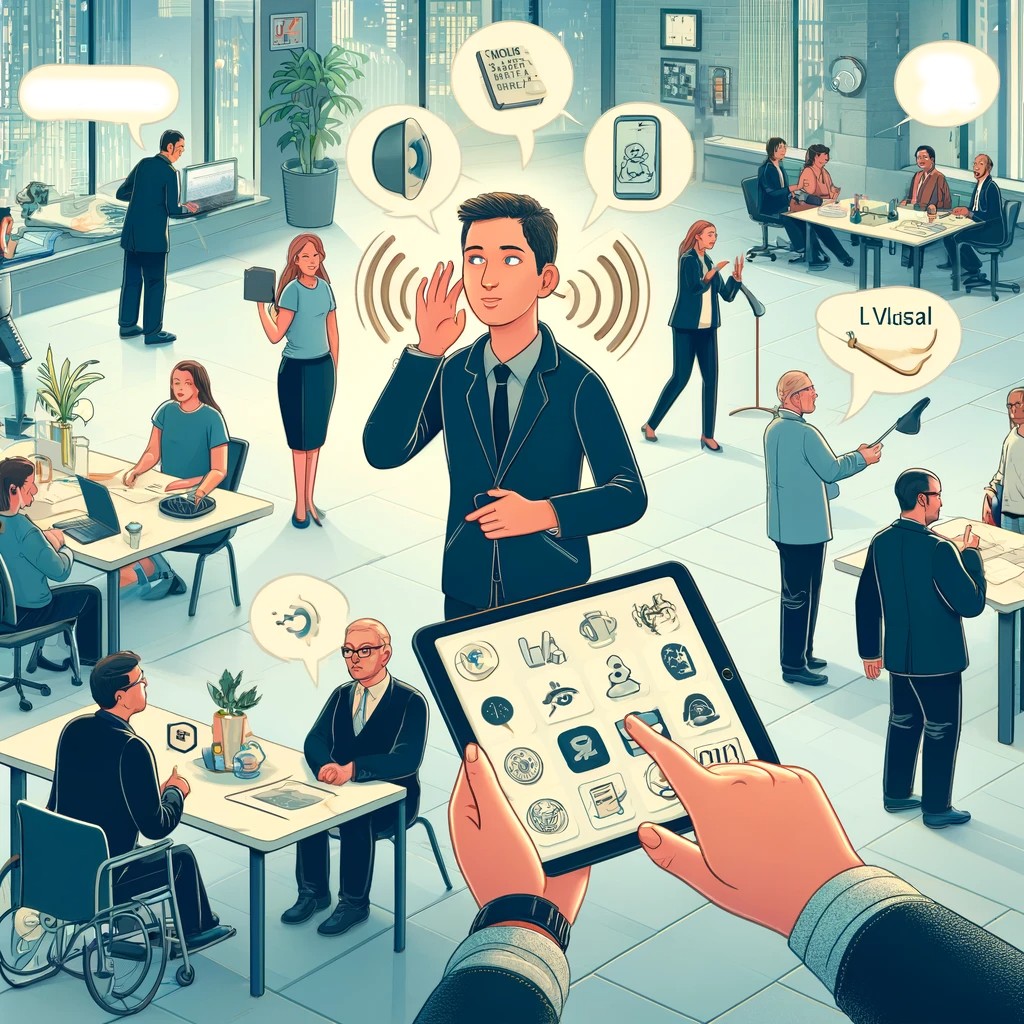
In a world designed predominantly for hearing individuals, navigating through daily activities can often present unique challenges for those who are Deaf or hard of hearing (DHH). From communicating in social settings to accessing essential information, the journey can be daunting. However, with the right strategies and awareness, Deaf individuals can effectively engage and thrive in hearing dominant spaces and situations.
Breaking down these barriers is not just a necessity for inclusion but is also a matter of equity. Understanding the hurdles faced by the Deaf community helps in crafting solutions that bridge the gap between hearing and non-hearing individuals. This article will delve into comprehensive strategies that can aid Deaf individuals in various aspects of life, ensuring they navigate these situations more seamlessly.
Communication Strategies
Effective communication is fundamental to all human interactions. For Deaf individuals, the ability to communicate clearly in a predominantly hearing environment requires some adaptability. One effective strategy is the use of technology. Devices like video phones, captioned telephones, and texting apps can bridge the communication gap by providing visual or text-based alternatives to auditory information.
Additionally, fostering a system of visual signals and body language can significantly enhance comprehension. Learning and using sign language, even among hearing individuals, can create a more inclusive environment. Another approach includes using written notes or text messaging for quick and easy communication in situations where interpreters or technology might not be available.
Educational Adjustments
Education is a critical area where Deaf individuals often face significant barriers. Schools and universities can implement several adjustments to make learning environments more accessible. Providing real-time captioning and sign language interpreters during lectures ensures that Deaf students receive the same information as their hearing peers.
Further, using visual aids and ensuring that instructors face the class when speaking can help Deaf students lip-read or read facial expressions, thereby improving understanding. Leveraging online platforms that offer course materials in accessible formats, like video lectures with captions and interactive texts, can also greatly benefit Deaf learners.

Workplace Inclusion
The workplace should be a space where everyone, regardless of their hearing ability, can flourish. Employers can foster workplace inclusion by providing reasonable accommodations, such as interpreters for meetings, captioned phone systems, and visual job aids.
Workplace policies should also support periodic sensitivity training for all employees to foster an inclusive culture. This training can cover basic sign language skills, awareness about the challenges faced by Deaf colleagues, and the importance of non-verbal communication. These steps not only make the environment more inclusive but also enhance overall team collaboration and productivity.
Social Interaction Tips
Social interactions are an integral part of human existence, and Deaf individuals often find socializing in hearing-dominant spaces challenging. One useful tip is to choose well-lit environments where facial expressions and lip movements are easily visible. It’s also beneficial to minimize background noise as much as possible, which can interfere with communication cues.
Joining social groups and clubs that are open to or specifically cater to Deaf individuals can provide a sense of community and belonging. These groups are not only social hubs but also platforms for sharing information, experiences, and support. Encouraging friends and family members to learn basic sign language can also significantly ease social interactions.
Navigating Public Spaces
Public spaces such as restaurants, theatres, transportation hubs, and healthcare facilities can pose unique challenges. Many public places are now incorporating Deaf-friendly features like real-time captioning for announcements, visual alerts, and staff trained in basic sign language.
For personal safety and comfort, Deaf individuals can utilize apps designed to provide real-time information streams, translation services, and emergency alerts. Knowing one’s rights under disability laws, such as the Americans with Disabilities Act (ADA) in the United States, empowers Deaf individuals to request reasonable accommodations without fear of discrimination.
Access to Information
Access to information is crucial in today’s fast-paced digital age. Ensuring that Deaf individuals have equal access involves providing content in multiple formats, such as videos with subtitles, sign language interpretation, or written transcriptions of audio content. News outlets, social media platforms, and content creators must make an effort to include these accessible formats.
Additionally, embracing technology like speech-to-text applications, and utilizing media streaming services that offer captions can make a significant difference. Educational resources, webinars, and online courses need to prioritize accessibility features to ensure that Deaf individuals can partake without limitations.
Conclusion
Breaking the barriers that Deaf individuals face in a hearing-dominated world requires a multifaceted approach. By incorporating technology, fostering inclusive practices, and promoting awareness, we can create environments where Deaf individuals thrive equally. From improving communication channels to ensuring accessible education and workplaces, each step taken contributes to a more inclusive society.
It is incumbent upon all of us to champion these causes and make conscious efforts to support and include Deaf individuals in every sphere of life. By understanding the unique challenges and actively working towards solutions, we can bridge the gap and foster a sense of belonging and equality for all.