
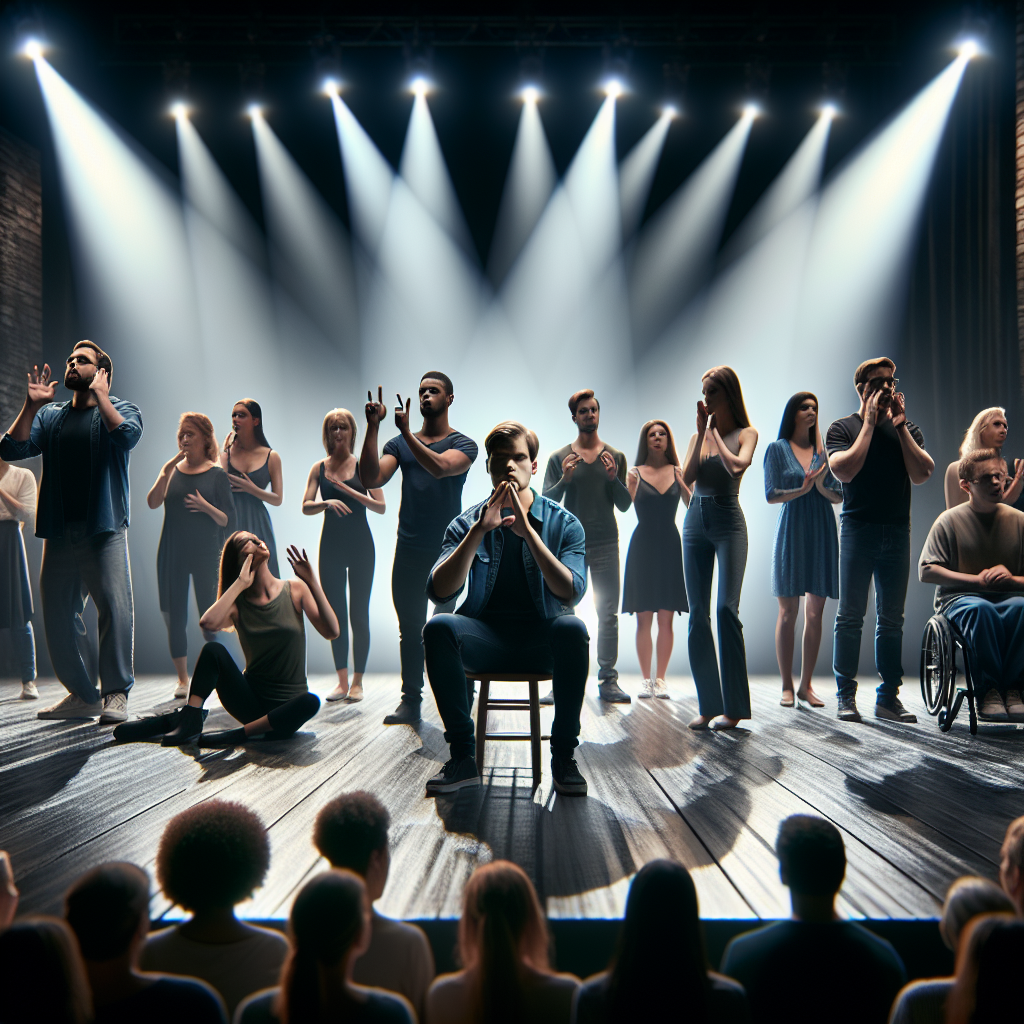
The world of theater, film, and performance has long been a dynamic arena for storytelling and creative expression. However, the inclusion of Deaf talent in these fields has historically been limited due to societal barriers and misconceptions about Deaf individuals’ capabilities. This lack of representation not only deprives the Deaf community of vital opportunities but also prevents the broader audience from experiencing a rich tapestry of stories and performances that Deaf artists can offer.
In recent years, there has been a significant push towards greater diversity and inclusion, with a spotlight shining on Deaf actors, directors, and performers across various entertainment platforms. This shift is helping to dismantle outdated stereotypes, encouraging new perspectives, and fostering a more inclusive environment where Deaf talent can flourish. But what does this mean for both the Deaf community and the broader entertainment industry? Why is it imperative to support and promote Deaf talent within these creative spheres?
This article aims to shed light on the importance of Deaf representation in theater, film, and performance. From examining historical context and cultural impact to highlighting contemporary successes and ongoing challenges, we will delve into the multifaceted journey of Deaf artists breaking barriers on stage. By understanding and appreciating Deaf talent, we not only enrich our artistic landscape but also take a crucial step towards genuine inclusivity and equity in the arts.
The Historical Context
The history of Deaf individuals in performing arts dates back centuries, though it has not always been a story of acceptance and inclusion. In ancient times, Deaf people were often ostracized and their abilities underestimated. Over time, societal attitudes evolved but misconceptions persisted. The early 20th century, in particular, saw few Deaf performers and even fewer representations of Deaf culture in mainstream media.
Despite these challenges, several pioneers paved the way for greater visibility. For instance, the National Theater of the Deaf (NTD), established in 1967, played a crucial role in promoting Deaf talent and culture through theater. NTD’s productions showcased the beauty of American Sign Language (ASL) and provided a platform for Deaf actors to shine, challenging the notion that Deafness was a barrier to effective performance.
The increasing interplay between Deaf and hearing performers also began to take root, fostering a more collaborative and inclusive artistic environment. This historical backdrop is essential for understanding the ongoing struggles and triumphs of Deaf talent in the contemporary landscape of theater, film, and performance.
Contemporary Breakthroughs
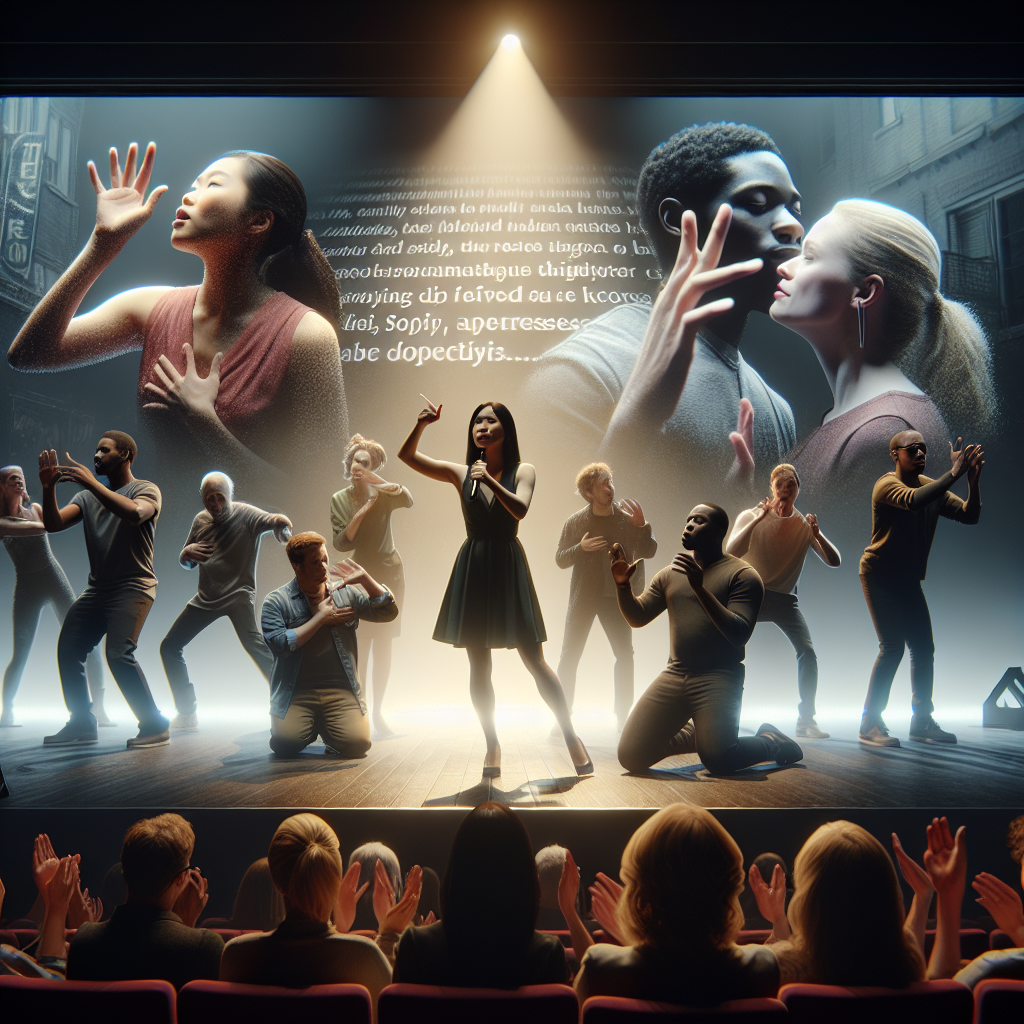
The 21st century has seen significant advancements in the inclusion of Deaf talent in mainstream media. Films like “The Silent Child,” which won an Academy Award for Best Live Action Short Film in 2018, brought attention to Deaf children’s experiences and showcased Deaf actors in lead roles. The success of this film illustrated the powerful narratives that can arise when Deaf actors’ lived experiences are authentically represented on screen.
Another remarkable milestone was the Broadway revival of “Children of a Lesser God,” casting Deaf actress Lauren Ridloff in the starring role. Her performance garnered critical acclaim and spotlighted the necessity of authentic representation. Similarly, the TV series “Switched at Birth” featured numerous Deaf characters and incorporated ASL, making strides in normalizing Deaf culture in mainstream storytelling.
These examples underscore the potential for inclusive practices to enrich the cultural fabric of the arts. By telling stories that truly reflect the diversity of human experiences, the entertainment industry can break new ground in both creativity and social impact.
Challenges and Barriers
Despite these successes, numerous challenges and barriers remain for Deaf actors and performers. One significant issue is the lack of accessibility and accommodations in auditions and rehearsals. Many theaters and production companies still do not provide interpreters or other necessary resources, creating a significant hurdle for Deaf talent seeking opportunities.
Additionally, there is often a limited understanding of Deaf culture within the industry, leading to misrepresentations and tokenism. When Deaf characters are included in scripts, they are frequently portrayed as one-dimensional or their stories revolve solely around their deafness. This narrow depiction fails to capture the full spectrum of Deaf individuals’ identities and experiences.
Another challenge is the systemic barriers within educational and training pathways. Deaf individuals often do not have the same access to performing arts education, whether due to a lack of specialized programs or insufficient support within mainstream institutions. Addressing these challenges requires a concerted effort to create a more inclusive and supportive environment for Deaf artists.
Innovative Solutions and Initiatives
Amidst the challenges, several innovative solutions and initiatives are paving the way for greater inclusion of Deaf talent. One example is the establishment of Deaf theater companies, which provide dedicated spaces for Deaf performers to hone their craft and share their stories. These companies, such as Deaf West Theatre, are not only producing high-quality productions but also fostering a sense of community and belonging among Deaf artists.
Furthermore, technology is playing a pivotal role in bridging gaps. Virtual platforms and digital tools are creating more accessible spaces for Deaf actors and audiences alike. For instance, online casting platforms that accommodate ASL submissions are making auditions more inclusive. The advent of captioning technology has also improved the accessibility of performances for Deaf audiences.
Initiatives aimed at educating industry professionals about Deaf culture and best practices for inclusion are also gaining traction. Workshops, training sessions, and partnerships with Deaf organizations are helping to break down misconceptions and foster more informed and respectful collaborations.
The Role of Advocacy and Allyship
Advocacy and allyship are critical components in the journey towards greater inclusion of Deaf talent in the performing arts. Advocacy involves not only amplifying the voices of Deaf artists but also challenging policies and practices that perpetuate exclusion. Organizations such as the National Association of the Deaf (NAD) and the World Federation of the Deaf (WFD) are leading efforts to promote the rights and opportunities of Deaf individuals in all areas of life, including the arts.
Allyship, on the other hand, requires hearing individuals and organizations to actively support and champion Deaf talent. This means more than just offering platitudes; it involves taking concrete actions to create inclusive environments, such as providing accessible audition processes, hiring Deaf consultants, and ensuring that Deaf culture is represented authentically.
By fostering a sense of community and solidarity, both advocacy and allyship play vital roles in breaking down barriers and promoting a more equitable and inclusive landscape for Deaf performers.
Conclusion
The journey towards inclusion and representation of Deaf talent in theater, film, and performance is ongoing, with many milestones still to be reached. However, the progress made thus far is a testament to the resilience and creativity of Deaf artists and the growing recognition of their invaluable contributions to the arts.
By continuing to address the challenges and barriers faced by Deaf performers and supporting initiatives that promote inclusion, we can cultivate a more diverse and rich cultural landscape. The stories and performances of Deaf artists not only enrich our understanding of the human experience but also serve as powerful reminders of the importance of inclusivity and representation.
As we look to the future, it is essential to keep advocating for the rights and opportunities of Deaf individuals in the performing arts. Whether through education, policy changes, or personal allyship, each step towards inclusion helps to break down barriers and create a more equitable world for all.