
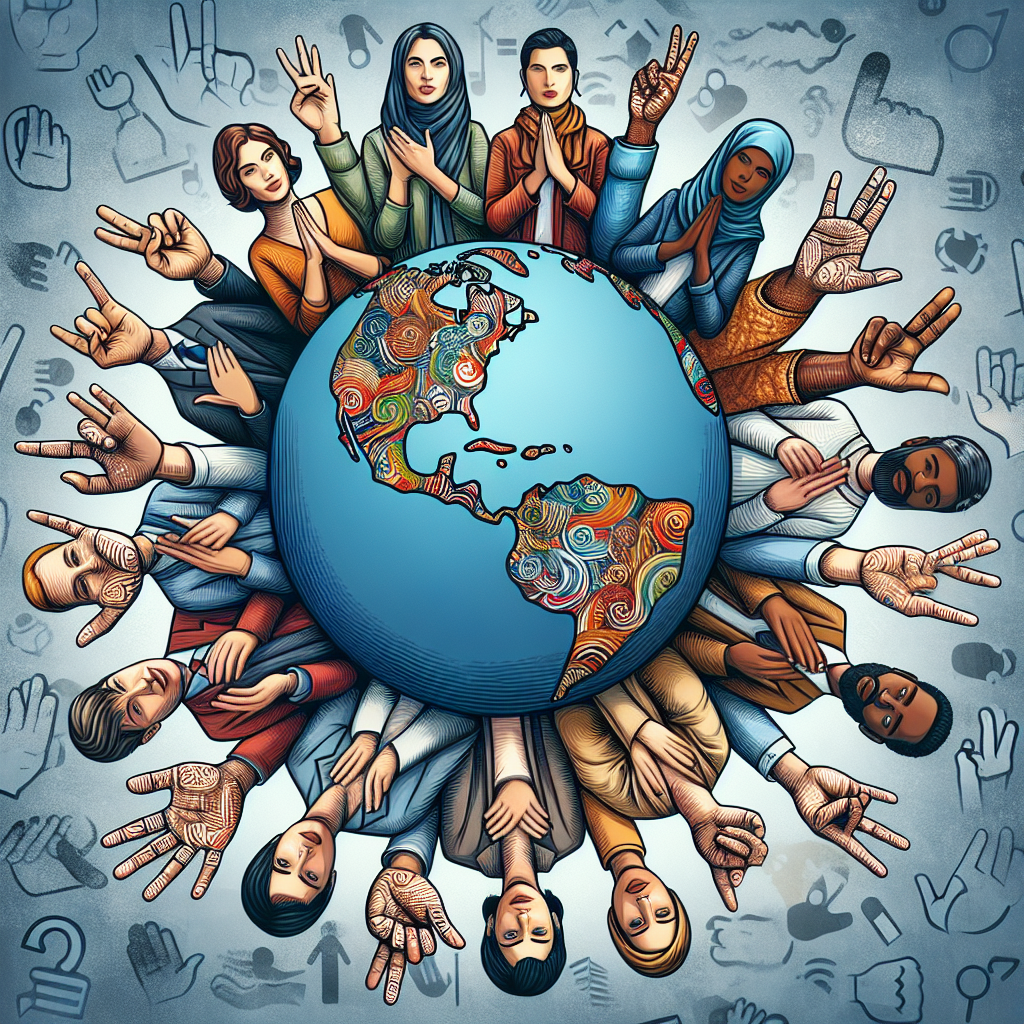
When we think of sign languages, American Sign Language (ASL) often comes to mind immediately. While ASL is profoundly significant to the deaf community in North America, it is only one thread in the rich tapestry of global sign languages. Across the world, numerous other sign languages, each with its unique structure and cultural significance, contribute to the linguistic diversity of the deaf community.
Recognizing and understanding this diversity is paramount not only for members of the deaf community but also for educators, policymakers, and advocates striving to promote inclusivity and awareness. By delving into the nuances of various sign languages and the vibrant cultures that surround them, we can foster a broader appreciation and support for the deaf community worldwide.
This article will explore global perspectives on sign languages and cultures. We’ll journey beyond ASL to uncover lesser-known sign languages, the cultural context in which they flourish, and the ongoing advocacy for deaf education worldwide.
The Diversity of Sign Languages
Sign languages are not merely gestural representations of spoken languages; they are fully-fledged languages with their own grammar, syntax, and lexicon. The diversity of sign languages is as rich and varied as spoken languages. For example, British Sign Language (BSL) is as distinct from ASL as English is from Japanese. In fact, even within the same country, multiple sign languages might coexist. For instance, Spain hosts both Spanish Sign Language (LSE) and Catalan Sign Language (LSC).
Consider also the unique example of Nicaraguan Sign Language (ISN). This language emerged relatively recently, in the late 20th century, as deaf children in Nicaragua began to attend the same school and developed a new form of communication. This phenomenon has offered linguists a fascinating glimpse into the birth and evolution of a new language, underscoring the dynamic and adaptive nature of human communication.
The existence of these diverse sign languages highlights the importance of recognizing regional and cultural contexts when discussing deaf education and advocacy. It is crucial to shift from a monolithic perspective on sign languages and culture to a more inclusive, multifaceted understanding.
The Role of Culture in Deaf Communities
Sign languages are deeply entwined with the cultures of the communities that use them. Deaf culture is rich with its own traditions, social norms, and artistic expressions, which offer a sense of identity and belonging. In many ways, deaf culture transcends national boundaries, forming a global community bound by shared experiences and a common visual language.
For instance, deaf theatre and arts are vibrant and respected facets of deaf culture globally, highlighting the community’s immense creativity and resilience. International conventions and festivals, such as the Deaflympics and the World Federation of the Deaf Congress, also foster a sense of global unity and mutual support within the deaf community.
However, cultural perceptions of deafness and sign languages vary significantly worldwide. In some societies, deafness is viewed primarily through a medical lens, often leading to efforts to “cure” or “fix” deaf individuals. In contrast, many in the deaf community prefer a cultural-linguistic perspective, where deafness is seen not as a disability but as a unique cultural identity. Acknowledging and respecting these cultural variances is essential in promoting a more inclusive approach to deaf education and advocacy.
Challenges in Deaf Education
Despite significant strides in deaf education, numerous challenges persist globally. One major issue is the lack of qualified teachers proficient in sign language. In many countries, there is a severe shortage of educators trained to effectively teach deaf students, particularly in regions where sign languages are less recognized and supported.
Another challenge is the accessibility of educational resources. Many deaf students do not have access to textbooks, technological tools, and other learning materials in their native sign language. This lack of resources significantly hinders their academic progress and overall educational experience.
Moreover, mainstream education systems often fail to accommodate the unique needs of deaf students. Inclusive education practices, where deaf and hearing students learn together, can be beneficial if implemented appropriately. However, without adequate support, deaf students can feel isolated and neglected in mainstream classrooms.
Addressing these challenges requires a concerted effort from governments, educational institutions, and advocacy groups to ensure that deaf students receive the quality education they deserve.
Innovations and Progress in Deaf Education
Amid the challenges, there are also exciting innovations and positive developments in the field of deaf education. One notable advancement is the increasing use of technology. Video relay services, online sign language classes, and educational apps tailored for deaf students are making learning more accessible and engaging.
One inspiring example is the rise of bilingual-bicultural (BiBi) education programs. These initiatives integrate sign language as the primary language of instruction, with the written/spoken language of the surrounding society as a secondary language. BiBi programs embrace the cultural identity of deaf students, fostering a sense of pride and belonging while ensuring their academic success.
Furthermore, the global deaf community has seen a growing movement toward greater representation and inclusivity. Parents and educators are increasingly advocating for the rights of deaf children to receive education in their native sign language. International cooperation and exchange programs are also fostering cross-cultural understanding and collaboration in deaf education.
Advocacy and Awareness Efforts
Advocacy and awareness are crucial in driving the changes needed to support the deaf community effectively. Awareness campaigns, such as International Deaf Awareness Week, play a vital role in educating the public about the experiences and contributions of deaf individuals. These efforts aim to break down stereotypes and promote a more inclusive society.
Non-governmental organizations (NGOs) and grassroots movements are also at the forefront of advocating for the rights of the deaf community. Organizations like the World Federation of the Deaf (WFD) work tirelessly to promote equal opportunities, accessibility, and human rights for deaf individuals globally. Their efforts have led to significant policy changes and improved services in many countries.
In addition, social media and digital platforms have become powerful tools for raising awareness and fostering connections within the global deaf community. Influencers and content creators from the deaf community are using these platforms to share their stories, educate others, and advocate for change.
Conclusion: Embracing a Global Perspective
As we navigate the complexities and beauty of deaf education and culture, it becomes clear that a global perspective is not just beneficial but essential. By looking beyond ASL and considering the diverse experiences and perspectives of deaf communities worldwide, we can gain a deeper appreciation of the richness of human communication and culture.
Embracing this diversity requires us to challenge our preconceptions and broaden our understanding of what it means to be deaf. It calls for a commitment to inclusivity, respect, and support for the unique linguistic and cultural identities within the deaf community.
Whether through innovative educational approaches, cross-cultural collaborations, or powerful advocacy efforts, the journey toward a more inclusive and understanding world continues. By celebrating and supporting the global tapestry of sign languages and cultures, we pave the way for a future where every deaf individual can thrive and be heard.