
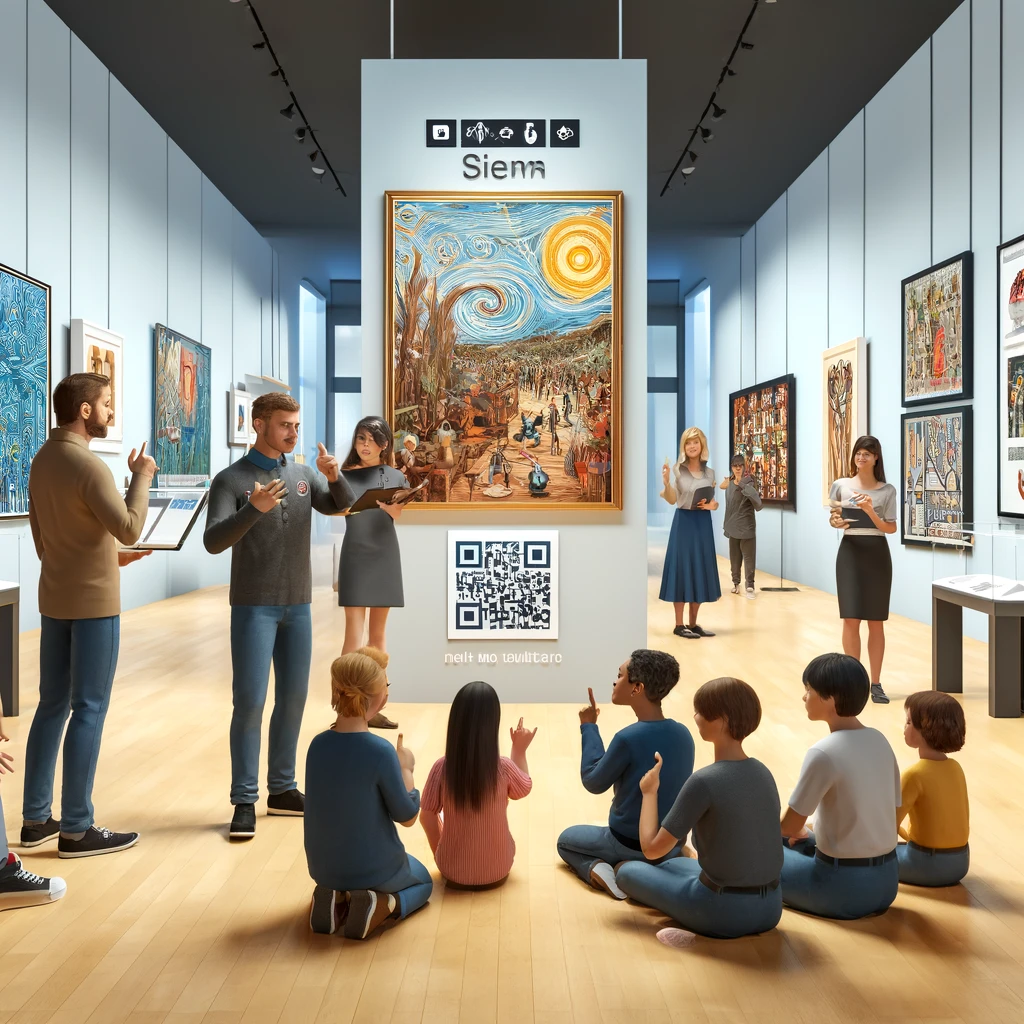
In the vibrant world of cultural exploration, museums and art galleries stand as pillars of learning, creativity, and inspiration. However, for Deaf visitors, these institutions can pose unique challenges that may impede full enjoyment and understanding. Recognizing the importance of inclusivity, many museums and art galleries are now pioneering ways to ensure that Deaf visitors are not just accommodated but actively engaged. This article explores how these cultural institutions are becoming more accessible, offering a wealth of spring activities that cater to the needs of the Deaf community.
Understanding Accessibility in Museums and Galleries
Accessibility in museums and galleries refers to more than just physical access. It encompasses a variety of practices and technologies designed to make exhibits and programming comprehensible and engaging for Deaf individuals. This includes visual aids, tactile experiences, and the availability of American Sign Language (ASL) interpretation, among other resources.
Visual Communication: A Key Tool
Visual aids are one of the most critical tools in making art and artifacts accessible. Detailed descriptions next to artworks, interactive multimedia guides, and visual storyboards can enrich the experience for those who are Deaf or hard of hearing. These aids not only explain the historical context or significance of the exhibits but also use vivid imagery and clear, concise language to convey messages effectively.
The Role of Technology
Technology plays a pivotal role in enhancing accessibility. Many museums now offer handheld devices that provide video guides in ASL, ensuring that Deaf visitors receive the same depth of information as their hearing counterparts. Additionally, mobile apps designed for accessibility can guide visitors through galleries with GPS, offer written or signed descriptions of exhibits, and even provide augmented reality experiences that bring artworks to life.
ASL Tours and Deaf Events
A growing number of museums are offering tours in ASL, led by Deaf guides who are knowledgeable about the collections and skilled in communication. These tours not only make the content accessible but also add a layer of cultural nuance that might be missed otherwise. Some institutions also host special events or days dedicated to the Deaf community, featuring workshops, artist talks, and performances in ASL.
Staff Training and Community Engagement
To truly serve Deaf visitors, staff training is essential. Many museums conduct regular training sessions for their employees, focusing on Deaf culture, basic ASL, and how to effectively use communication tools like written notes or speech-to-text technology. Engaging with local Deaf communities to receive feedback and ideas can also lead to better services and more enjoyable experiences.
Examples of Accessible Museums
Across the globe, several museums are leading the charge in accessibility for Deaf visitors. For instance, the Smithsonian Institution in Washington, D.C., offers ASL interpretation at public events and has a dedicated accessibility program for all its museums. In New York, the Museum of Modern Art (MoMA) provides ASL tours and has incorporated accessibility into its design and exhibits.
Planning Your Visit
When planning a visit to a museum or gallery, there are several steps that Deaf visitors can take to ensure a rewarding experience:
- Check the Museum’s Website: Most museums list their accessibility resources online. Look for information about ASL tours, accessibility apps, and special programs for Deaf visitors.
- Contact the Museum Ahead of Time: If specific accommodations are needed, contacting the museum in advance can ensure that everything is in place upon arrival.
- Visit During Special Events: Attending during special Deaf community events can enhance the social and cultural experience.
Advocacy and Future Directions
While progress has been made, continuous advocacy is necessary to encourage more museums and galleries to adopt inclusive practices. Advocacy efforts can include promoting awareness of Deaf culture in the arts, pushing for policy changes at both the local and national levels, and encouraging Deaf individuals to share their museum experiences to foster a more inclusive culture.
The movement towards fully accessible museums and art galleries is gaining momentum, enriching the cultural landscape for Deaf visitors. Through innovative technology, thoughtful programming, and community engagement, these institutions are breaking down barriers and offering enriching experiences that cater to all. As museums continue to evolve, the hope is that they will keep accessibility at the forefront, ensuring that every visitor, regardless of hearing ability, can fully engage with and appreciate the profound beauty of art.

The Importance of Tactile and Multi-Sensory Exhibits
For Deaf visitors, the engagement with art and historical artifacts can be significantly enhanced through tactile and multi-sensory exhibits. These exhibits allow individuals to experience art through touch and spatial awareness, providing a different perspective that does not rely solely on auditory information. Museums such as the San Francisco Museum of Modern Art have introduced tactile models and relief replicas of paintings that invite visitors to explore the artwork through touch. This approach not only democratizes the experience of art for those who are Deaf or hard of hearing but also adds a new dimension to the perception of visual arts for all visitors.
Captioning and Subtitling in Multimedia Displays
Multimedia displays in museums often incorporate videos, which can be made accessible through captioning and subtitling. Ensuring that all video content within the museum is fully captioned is crucial for Deaf visitors. Captions should be clear, synchronous, and present in the same room as the display to facilitate easy viewing. This not only benefits Deaf visitors but also enhances the experience for those who may prefer reading to listening, including visitors who are not fluent in the language of the audio.
Training Volunteers and Employing Deaf Staff
Another step forward in enhancing accessibility is the employment of Deaf staff members and the training of volunteers specifically in Deaf culture and ASL. Deaf staff members can offer a more authentic interaction for Deaf visitors and can advocate for continuous improvements within their institutions. Moreover, having volunteers trained in ASL helps in providing a welcoming environment and in conducting impromptu or scheduled tours without the need for prior arrangements.
Case Study: The Whitney Museum of American Art
A leading example of accessibility done right is the Whitney Museum of American Art in New York City. The Whitney offers monthly ASL tours without prior reservation and has developed video blogs in ASL that discuss current exhibitions and collections. The museum has also worked closely with Deaf artists and curators to ensure that exhibitions are accessible and to foster a deeper connection with the Deaf community. Such initiatives not only enhance the experience for Deaf visitors but also raise awareness among all visitors about the importance of accessibility and inclusivity in the arts.
Online Resources and Virtual Tours
With the rise of digital technology, many museums have started offering online resources and virtual tours that are accessible to Deaf and hard of hearing individuals. These virtual tours often include ASL interpretation, closed captions, and detailed visual descriptions that make the online visits as engaging as in-person experiences. The British Museum and the Van Gogh Museum are notable for their online content that caters to diverse audiences, including those with hearing impairments.
Encouraging Feedback and Continuous Improvement
To ensure that the accessibility measures are effective and meet the needs of Deaf visitors, museums should encourage feedback and be open to making continuous improvements. This can be achieved through surveys, focus groups, and feedback forms available both online and at the venue. Engaging with visitors and taking their feedback seriously helps institutions to evolve and better serve their audience.
Conclusion
Creating accessible museum experiences for Deaf visitors is an ongoing journey that requires commitment, creativity, and collaboration. By embracing technology, community feedback, and inclusive practices, museums can become spaces where art and culture are truly accessible to all. These efforts not only benefit the Deaf community but also enrich the museum experience for all visitors by fostering a deeper understanding and appreciation of diversity in how people perceive and enjoy art. As we move forward, the hope is that all cultural institutions will take proactive steps to ensure that accessibility is embedded in every facet of their operations, making art universally accessible and enjoyed.
References
- San Francisco Museum of Modern Art Accessibility
- Whitney Museum of American Art Accessibility
- British Museum Virtual Tours
- Van Gogh Museum Accessibility
For a deeper dive into specific accessibility programs or to learn more about how to engage with these resources, visitors are encouraged to explore individual museum websites and reach out directly to their accessibility departments.