

Hiking is a wonderful way to connect with nature and enjoy the beauty of spring. For Deaf hikers and their families, preparing for an accessible and safe outdoor adventure can enhance the experience significantly. This guide provides practical advice for Deaf hikers, ensuring that everyone can participate fully and safely in these enriching activities.
Preparing for Your Hike
Choosing the Right Trail: The first step to a successful hiking trip is selecting the right trail. Look for trails that are well-marked and have clear paths. Many parks provide accessibility information on their websites, indicating whether trails are Deaf-friendly, which may include visual trail markers and accessible park facilities. Apps and websites like AllTrails can be a helpful resource, as they often feature user reviews that can indicate how accessible a trail is for Deaf individuals.
Communication Planning: When hiking in a group, it’s important to plan how you will communicate. If not everyone in the group uses sign language, consider bringing along notepads or using smartphone apps that can facilitate communication. Establishing hand signals that everyone understands can also be helpful for quick and efficient communication on the trail.
Safety Measures: Always inform someone not on the hike of your plans, including which trail you’re taking and your expected return time. This is a crucial safety measure in case of emergencies. Additionally, carry a charged mobile phone and consider investing in a portable battery pack.
Weather Considerations: Before heading out, check the weather forecast. Spring weather can be unpredictable, and being prepared for rain or sudden temperature changes is important. Dressing in layers and wearing waterproof gear can make unexpected weather changes more manageable.
Gear and Accessibility Tools
Appropriate Hiking Gear: Wear sturdy, comfortable footwear and moisture-wicking clothing to stay comfortable on the trail. A good backpack, water bottles, sunscreen, and insect repellent are must-haves. For Deaf hikers, additional equipment might include vibrating timers or alarms, which can help manage time-sensitive tasks such as reminding you to reapply sunscreen.
Navigational Tools: GPS devices and mobile apps that do not solely rely on audio cues are useful. Look for apps that offer visual maps and cues. Pre-loading maps can be particularly useful as cell service can be unreliable in remote areas.
Emergency Kits: Pack a first aid kit tailored to your specific needs, which should include basic medical supplies and any necessary medications. Include a written copy of important medical information and emergency contacts.
Inclusivity in Group Hiking
Inclusive Practices: If hiking with a mixed group of hearing and Deaf individuals, ensure that everyone is included in conversations and decisions. Using a circle or semi-circle formation when chatting allows for better visibility for signing and reading facial expressions.
Educating Fellow Hikers: Educate hearing hikers about Deaf culture and communication. Simple awareness about maintaining line of sight for signing, not walking between people who are signing, and ensuring everyone is included can make a significant difference in the overall group dynamic.
Enjoying Nature Responsibly
Leave No Trace: It’s important for all hikers to practice Leave No Trace principles. This means staying on marked trails, packing out all your trash, and respecting wildlife. These practices ensure that natural spaces remain beautiful and accessible for everyone.
Engaging with Nature: Spring is a fantastic time to enjoy budding plants and active wildlife. Deaf hikers can engage with nature through visual and tactile experiences, such as feeling the texture of leaves or the vibrations of a waterfall.
After the Hike
Post-Hike Activities: After your hike, consider participating in a group discussion about the experience. This can be a great way to share highlights and discuss what could be improved for future hikes.
Feedback to Parks: Providing feedback to parks and trail systems about their accessibility for Deaf hikers can encourage improvements and make hiking more enjoyable for everyone in the future.
Hiking offers a valuable opportunity for Deaf individuals to engage with nature and explore new environments. By preparing adequately, choosing the right equipment, and employing inclusive practices, Deaf hikers can enjoy safe and enjoyable outdoor adventures. Let’s step into nature this spring with confidence and enthusiasm for the great outdoors!
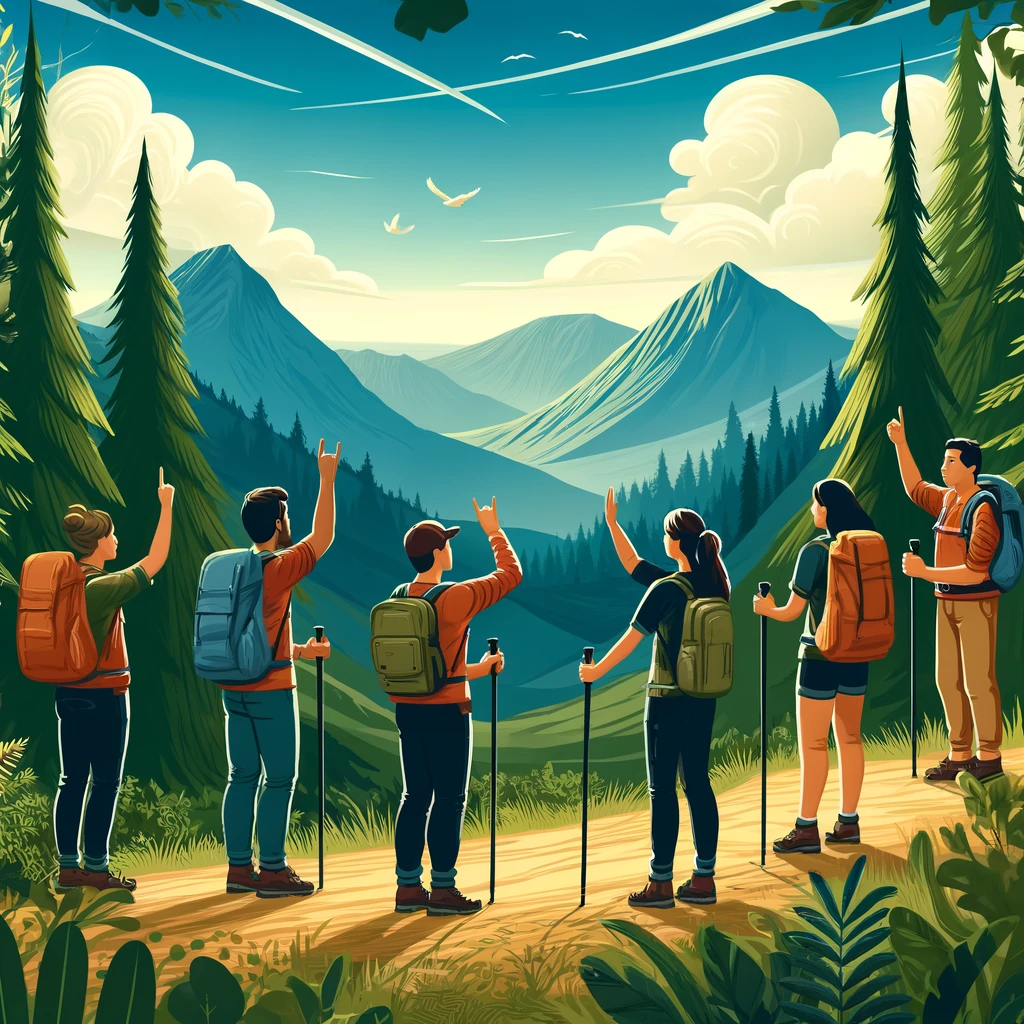
Engaging the Deaf Community in Outdoor Adventures
Engaging more broadly with the Deaf community to encourage outdoor activities is another vital aspect. Local Deaf clubs and organizations can organize group hikes, which not only make hiking more accessible but also foster a sense of community and connection. These events can be announced via social media platforms and Deaf community newsletters to ensure wide reach.
Education and Advocacy
Education on Deaf Culture: It’s important for all involved in planning and conducting hikes to have a basic understanding of Deaf culture and the common modes of communication within the Deaf community. Offering workshops or informational sessions can be an effective way to educate volunteers and park staff about the needs and preferences of Deaf hikers.
Advocacy for Better Access: Advocacy plays a key role in improving trail accessibility. This can involve dialogues with national parks and nature reserves to discuss the integration of Deaf-friendly resources, such as visual information boards and emergency services that are accessible for Deaf individuals.
Technology and Innovation
With advancements in technology, there are increasingly more resources to assist Deaf hikers. For instance, wearable technology that provides navigation aids through vibrations or visual alerts can help in maintaining the correct path without needing auditory cues. Innovations such as these not only enhance safety but also boost the confidence of Deaf hikers in exploring more challenging trails.
Building a Supportive Network
Finding Hiking Buddies: Connecting with other Deaf hikers can be motivating. Online forums and social media groups dedicated to Deaf hikers are great places to share experiences, arrange hikes, and offer support. These networks can also be a platform for exchanging tips on the best accessible trails and hiking gear.
Mentorship Programs: Establishing mentorship programs where experienced Deaf hikers guide newcomers can also be beneficial. Such initiatives encourage participation from those who might feel apprehensive about taking up hiking due to perceived barriers.
Highlighting Role Models
Showcasing stories of Deaf hikers who have successfully taken on various hiking challenges can inspire others in the community. Whether it’s completing a significant trail or engaging in multi-day hiking adventures, these stories highlight what is possible and encourage a broader participation.
Personal Growth and Development
Hiking is not just a physical activity; it’s also a journey of personal growth. For many Deaf individuals, it provides an opportunity to challenge personal limits, build resilience, and improve mental health. The tranquility and beauty of nature offer a perfect backdrop for self-reflection and disconnecting from the daily stresses of life.
Celebrating Successes
Celebrating the achievements of Deaf hikers, whether through community events or online celebrations, can boost morale and encourage a continuous engagement with hiking. Recognizing milestones, no matter how small, is important in building a vibrant and active community.
Final Thoughts
As we look towards making outdoor activities more accessible, the role of community, technology, and advocacy cannot be understated. Each step taken to enhance the accessibility of hiking trails for the Deaf community is a step towards inclusivity in all outdoor recreational activities. Let us continue to advocate for and support the integration of accessibility features in our natural spaces, ensuring that everyone, regardless of hearing ability, can enjoy the profound benefits that come from connecting with our natural world.