
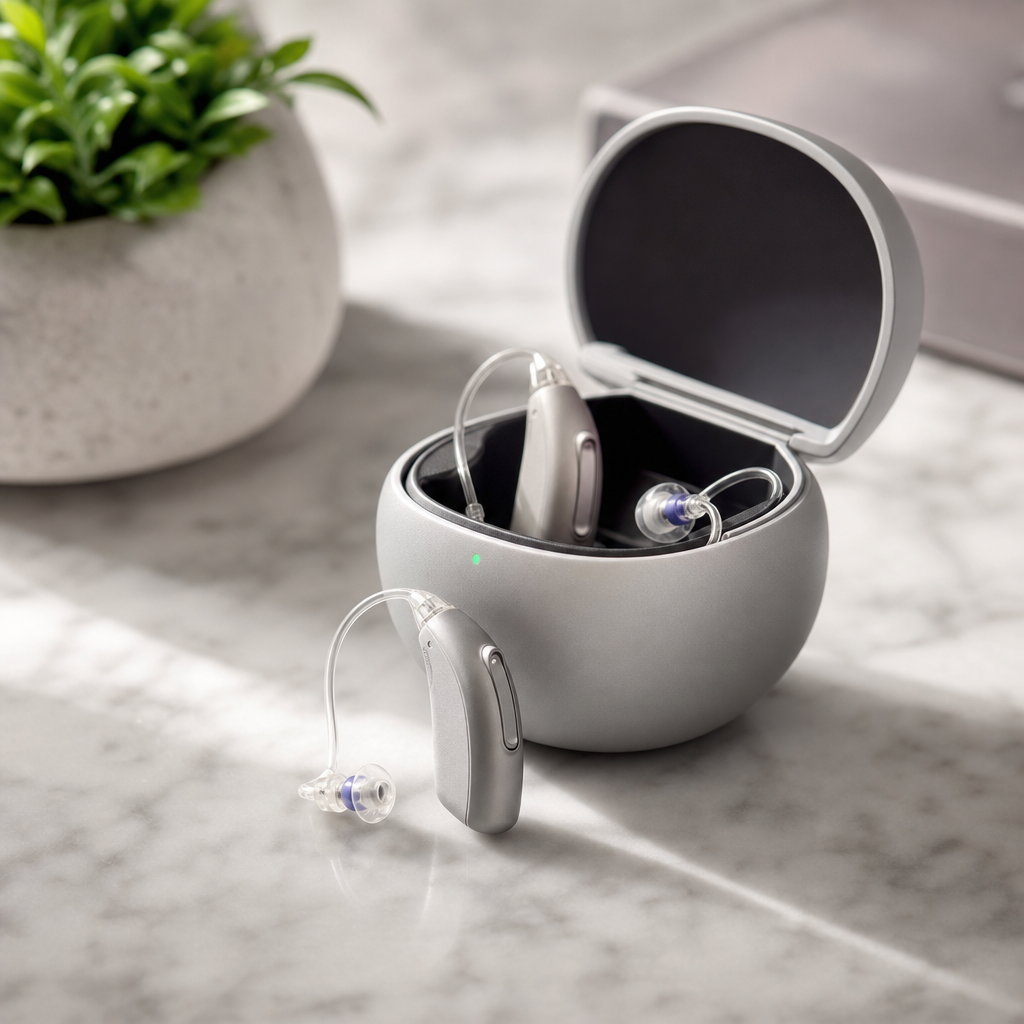
Horizon hearing aid price is a practical starting point for anyone comparing hearing technology, because cost affects not only the device you buy but also the care, fitting quality, follow-up support, and long-term value you receive. In simple terms, a hearing aid is a small medical device designed to amplify and process sound for people with hearing loss, while price includes the instrument itself plus professional services such as hearing tests, programming, earmolds, maintenance, and warranty coverage. I have worked with patients and product quotes long enough to know that shoppers often focus on the sticker number first, then realize later that two devices with similar prices can deliver very different experiences depending on what is bundled. That is why understanding Horizon hearing aid price requires more than asking, “How much does it cost?” It means asking what technology tier is included, whether the device is rechargeable, how many channels it has, what app controls are available, and how often the clinic provides adjustments. For buyers researching hearing aids in general, this topic matters because hearing care is a significant health expense and because untreated hearing loss is associated with communication strain, social withdrawal, and reduced quality of life. A clear, detailed price guide helps you budget accurately, compare offers fairly, and avoid paying for features you will never use or skipping support you genuinely need.
What Horizon hearing aid price usually includes
When people search Horizon hearing aid price, they usually want one direct answer: a realistic cost range. In most markets, hearing aids sold through clinics are priced as bundled or unbundled packages. A bundled price includes the hearing aids plus professional services over a defined period, often one to three years. An unbundled price separates the hardware from testing, fitting, verification, follow-up visits, and service plans. In my experience reviewing quotes, this distinction explains many confusing differences between providers. One clinic may advertise a lower starting price, but then charge separately for real-ear measurement, custom domes, annual cleanings, and loss coverage. Another may look expensive upfront while actually including everything required to keep the aids working well.
Typical components of Horizon hearing aid price may include the initial hearing evaluation, device selection consultation, fitting appointment, programming based on your audiogram, verification using real-ear measurements, patient education, app setup, trial period, routine follow-up adjustments, manufacturer warranty, and in some cases batteries or charger. If the model is custom-molded, earmold fees may be additional. If it is a receiver-in-canal style, replacement receivers and domes become part of long-term ownership cost. The most useful way to evaluate price is to ask for an itemized breakdown in writing. That lets you compare clinics on equal terms and see whether support is built into the quote or sold later. For a general hearing aids hub page, this is the core lesson: device price and hearing care price are not always the same thing.
Typical price ranges by technology level
Horizon hearing aid price commonly varies by technology tier, because hearing aids are sold in levels that differ in processing power, background noise management, directional microphones, feedback suppression, wind noise control, Bluetooth connectivity, tinnitus features, and automatic environmental adaptation. Entry-level devices are usually the most affordable and are intended for quieter lifestyles, such as one-on-one conversations at home. Mid-level devices add stronger speech-in-noise support and more flexible automatic programs. Premium devices include faster processing, more advanced directional strategies, better adaptation across changing listening environments, and often the best app integration.
| Technology tier | Typical pair price | Best fit for | Common features |
|---|---|---|---|
| Basic | $1,000 to $2,000 | Quiet lifestyles, limited budgets | Basic amplification, simple noise reduction, fewer automatic adjustments |
| Mid-range | $2,000 to $4,500 | Mixed environments, regular conversation needs | Better speech-in-noise performance, app control, more channels |
| Premium | $4,500 to $7,500+ | Active users in restaurants, groups, travel, work | Advanced directional microphones, stronger automation, Bluetooth streaming |
These are broad industry ranges, not a promise of a specific Horizon hearing aid price. Actual quotes depend on clinic location, service package, and style. A behind-the-ear rechargeable pair with comprehensive aftercare may cost more than an older battery-powered model sold with minimal support. The takeaway is that pricing usually reflects listening complexity as much as hardware. Someone who spends all day in meetings, cars, restaurants, and video calls may benefit from premium processing, while another person may do well with a simpler option and save money without sacrificing results.
What changes the final cost most
The biggest drivers of Horizon hearing aid price are hearing aid style, technology tier, whether one or two devices are needed, rechargeability, wireless features, and the service model of the provider. Style matters because smaller custom devices require more specialized manufacturing and may have shorter battery life or fewer onboard features than larger designs. Receiver-in-canal models are popular because they balance cosmetics, comfort, power options, and easy maintenance. Behind-the-ear models can support more severe hearing loss and often offer robust battery and connectivity performance. Invisible-in-canal devices may appeal cosmetically, but their tiny size can raise price and limit features like direct Bluetooth streaming.
Provider expertise also changes value dramatically. A well-fitted mid-tier device often outperforms a poorly fitted premium one. In clinic work, I have repeatedly seen user satisfaction improve after verification with real-ear measurement, proper counseling on realistic expectations, and scheduled fine-tuning after two to four weeks of real-world use. These steps require professional time, which is one reason a reputable clinic may quote a higher price. Geography matters too. Urban areas with higher overhead frequently have higher hearing aid prices. National chains may offer promotions, while independent audiology clinics may emphasize individualized follow-up. Manufacturer warranty length, accidental damage coverage, and trial periods can also shift the final number by hundreds of dollars.
How Horizon compares with broader hearing aid buying options
To understand Horizon hearing aid price in a general market context, compare it with the three main buying channels: traditional audiology clinics, hearing instrument specialists and retail chains, and over-the-counter hearing aids. Clinic-based prescription devices usually cost the most, but they also include the highest level of diagnostic care and customization. This route is especially important if you have asymmetrical hearing loss, tinnitus, earwax issues, sudden changes in hearing, dizziness, or a history of ear disease. A licensed audiologist can identify red flags that should be medically evaluated and can fit devices using validated best practices.
Retail hearing centers may offer competitive package pricing and convenient service plans. The experience varies widely, so ask whether your fitting includes real-ear verification and whether follow-up visits are limited. Over-the-counter hearing aids, permitted in the United States for adults with perceived mild to moderate hearing loss, usually range from about $200 to $1,500 per pair. They can be worthwhile for tech-comfortable users with straightforward needs, but they do not replace a diagnostic hearing evaluation. In practice, OTC devices work best for people who can self-manage apps and troubleshooting and who understand that lower price often means less personalized support. If Horizon hearing aid price is being considered against OTC alternatives, the deciding question is not simply affordability. It is whether your hearing profile and communication demands justify professional fitting, ongoing adjustments, and a stronger warranty structure.
Insurance, financing, and ways to lower cost
Many buyers assume hearing aids are never covered, but coverage is more mixed than most people realize. Original Medicare generally does not cover hearing aids, though some Medicare Advantage plans include hearing benefits or discounted provider networks. Medicaid coverage varies by state. Employer health plans sometimes offer fixed allowances, negotiated discounts, or access to third-party hearing benefit administrators. Veterans may qualify for hearing aids through the Department of Veterans Affairs if eligibility rules are met. Flexible Spending Accounts and Health Savings Accounts can often be used for hearing aids, exams, batteries, chargers, and accessories, which can reduce effective cost by using pre-tax dollars.
If you are trying to lower Horizon hearing aid price responsibly, ask about seasonal promotions, manufacturer rebates, refurbished options, previous-generation models, and clinic financing. Previous-generation devices can be especially good value because they often retain core amplification quality while dropping in price once newer platforms launch. I recommend caution with “free hearing aid” promotions that hide service charges or lock you into expensive maintenance plans. A better strategy is to request a full written quote, verify what the trial period includes, and compare total ownership cost over three years. Sometimes a modestly higher upfront price is cheaper overall because cleanings, receiver replacements, and follow-up programming are already covered.
How to judge value, not just price
The best way to think about Horizon hearing aid price is through value. Value means the balance of sound quality, comfort, reliability, service access, and expected lifespan relative to what you pay. Most hearing aids last about three to seven years, with five years often used as a practical planning horizon. If a pair costs $4,000 and lasts five years, that is roughly $800 per year before supplies and repairs. Framed that way, a better device with stronger support can be easier to justify, especially if it helps you work effectively, stay socially engaged, and reduce listening fatigue.
Ask providers specific questions that reveal value quickly. Was the hearing test comprehensive? Will they program to prescription targets such as NAL-NL2 or DSL where appropriate? Do they verify the fitting with probe microphone measures? How many follow-up visits are included? What is the repair policy after warranty expiration? Can the aids connect to iPhone or Android directly? Is there telehealth support for minor adjustments? These are not small details. They are the factors that determine whether the hearing aid becomes a useful daily tool or an expensive device left in a drawer. In every hearing aids comparison, the fitting process and aftercare are at least as important as the brand badge on the case.
Questions to ask before you buy
Before accepting any Horizon hearing aid price quote, ask for clarity on six points. First, what exact model and technology tier am I being quoted? Second, is the quote for one hearing aid or a pair? Third, what professional services are included and for how long? Fourth, what are the trial period, return fee, and warranty terms? Fifth, what maintenance costs should I expect for domes, wax guards, batteries, receivers, or earmolds? Sixth, how will success be measured after fitting? A good provider should answer each question directly and document the answers.
It also helps to describe your everyday listening situations in concrete terms. Say, “I struggle in restaurants, on Zoom calls, in the car, and when my grandchildren speak softly,” rather than simply saying, “I cannot hear well.” The more specific you are, the easier it is for the provider to match technology to actual needs instead of upselling by default. If you are building out your research within a broader hearing aids hub, your next step should be comparing styles, understanding prescription versus OTC options, and learning how hearing tests guide fitting decisions. Price makes sense only when viewed alongside performance needs, service quality, and long-term usability.
Horizon hearing aid price is not a single fixed number, and that is the most important conclusion to carry forward. The real cost depends on technology level, style, bundled care, warranty terms, provider expertise, and whether the devices match your lifestyle demands. For some buyers, a lower-cost option is entirely appropriate. For others, paying more upfront leads to better speech understanding, fewer frustrations, and lower replacement or service costs over time. The smartest approach is to compare itemized quotes, confirm what is included, and judge each offer by total value instead of sticker price alone.
As a general resource within the hearing aids category, this topic should help you make cleaner comparisons and avoid common buying mistakes. Start with a current hearing evaluation, ask for written pricing, insist on clear service details, and choose the option that fits both your hearing profile and your daily communication goals. If you are ready to move forward, schedule a professional hearing consultation and use this guide as your checklist when reviewing any Horizon hearing aid price quote.
Frequently Asked Questions
What is typically included in the Horizon hearing aid price?
The Horizon hearing aid price usually covers more than just the physical device itself. In many cases, the total cost includes a professional hearing evaluation, a recommendation based on your level of hearing loss and lifestyle needs, the fitting appointment, initial programming, and follow-up visits to fine-tune performance. Depending on the provider, it may also include earmolds or domes, cleaning tools, basic maintenance, warranty coverage, and a trial period. This bundled approach is important because hearing aids are medical devices that need to be customized to your hearing profile rather than simply purchased off the shelf.
When comparing prices, it is smart to ask exactly what services are included. A lower upfront number may not be the better value if it excludes adjustments, future programming, or aftercare. On the other hand, a higher package price can make sense if it includes ongoing support and long-term service. For most buyers, understanding the full package is the key to evaluating the real cost of Horizon hearing aids.
Why can Horizon hearing aid prices vary so much from one provider to another?
Horizon hearing aid prices can vary because hearing care providers do not always structure pricing the same way. One clinic may offer a bundled price that includes testing, fitting, warranty, follow-up care, and maintenance for several years, while another may list a lower device-only price and charge separately for services later. This difference alone can make two quotes for what appears to be a similar hearing aid look very different.
Price can also change based on the technology level of the device. More advanced models often include better speech processing, stronger background noise reduction, directional microphones, Bluetooth connectivity, rechargeable batteries, smartphone app control, and automatic listening adjustments. In addition, factors such as provider experience, geographic location, office overhead, and the length of aftercare included can all influence what you pay. That is why it is best to compare total value, not just the sticker price, when researching Horizon hearing aid options.
Are more expensive Horizon hearing aids always better?
Not necessarily. A more expensive Horizon hearing aid may offer more advanced features, but that does not automatically mean it is the right choice for every person. Premium models are often designed for people who spend time in complex listening environments, such as restaurants, meetings, group conversations, outdoor settings, or frequent travel. These devices may perform better in noise and offer more seamless automation, but someone with simpler hearing needs may not benefit enough from those upgrades to justify the extra cost.
The best hearing aid is the one that matches your hearing loss, daily routine, comfort preferences, and budget. Proper fitting and follow-up care often have just as much impact on satisfaction as the technology itself. A mid-level model programmed correctly by a skilled professional may provide better real-world results than a top-tier device with limited support. When reviewing Horizon hearing aid price options, it helps to focus on your personal hearing goals and ask which features will genuinely improve your everyday listening experience.
Does insurance help cover the cost of Horizon hearing aids?
Insurance coverage for Horizon hearing aids depends on the type of plan you have. Some private insurance plans offer partial hearing aid benefits, while others do not cover hearing aids at all. Medicare generally does not cover routine hearing aids, although some Medicare Advantage plans may provide a hearing benefit through specific provider networks. Medicaid coverage varies by state, and veterans may qualify for hearing aid benefits through the VA if they meet eligibility requirements.
Because coverage can differ widely, it is important to verify the details before making a purchase. Ask whether your plan covers the hearing test, the devices, fitting appointments, replacement parts, or follow-up visits. You should also confirm whether you must use an in-network provider. If insurance coverage is limited, many clinics offer financing plans, payment programs, or package options that make the Horizon hearing aid price easier to manage. Understanding your benefits in advance can prevent unexpected out-of-pocket costs and help you budget more effectively.
How can I tell if the Horizon hearing aid price offers good long-term value?
Good long-term value comes from balancing device performance, professional care, reliability, and ongoing support. A hearing aid is not a one-time purchase in the same way as standard consumer electronics. It is an ongoing part of your healthcare, and it often requires adjustments over time as your hearing needs change. A strong value package may include multiple follow-up visits, cleanings, repairs, loss or damage protection, and a warranty that reduces future expenses. These elements can save money and frustration over the life of the device.
To judge whether the Horizon hearing aid price is worthwhile, ask how long the warranty lasts, what service visits are included, whether the provider offers real-ear measurement during fitting, and what happens if the device needs repair or reprogramming later. You should also ask about battery or charger costs, accessory pricing, and the availability of trial or return options. A hearing aid that seems affordable at first may cost more in the long run if support is limited. The best value usually comes from a combination of appropriate technology, personalized fitting, and dependable aftercare that helps you hear well consistently over time.