
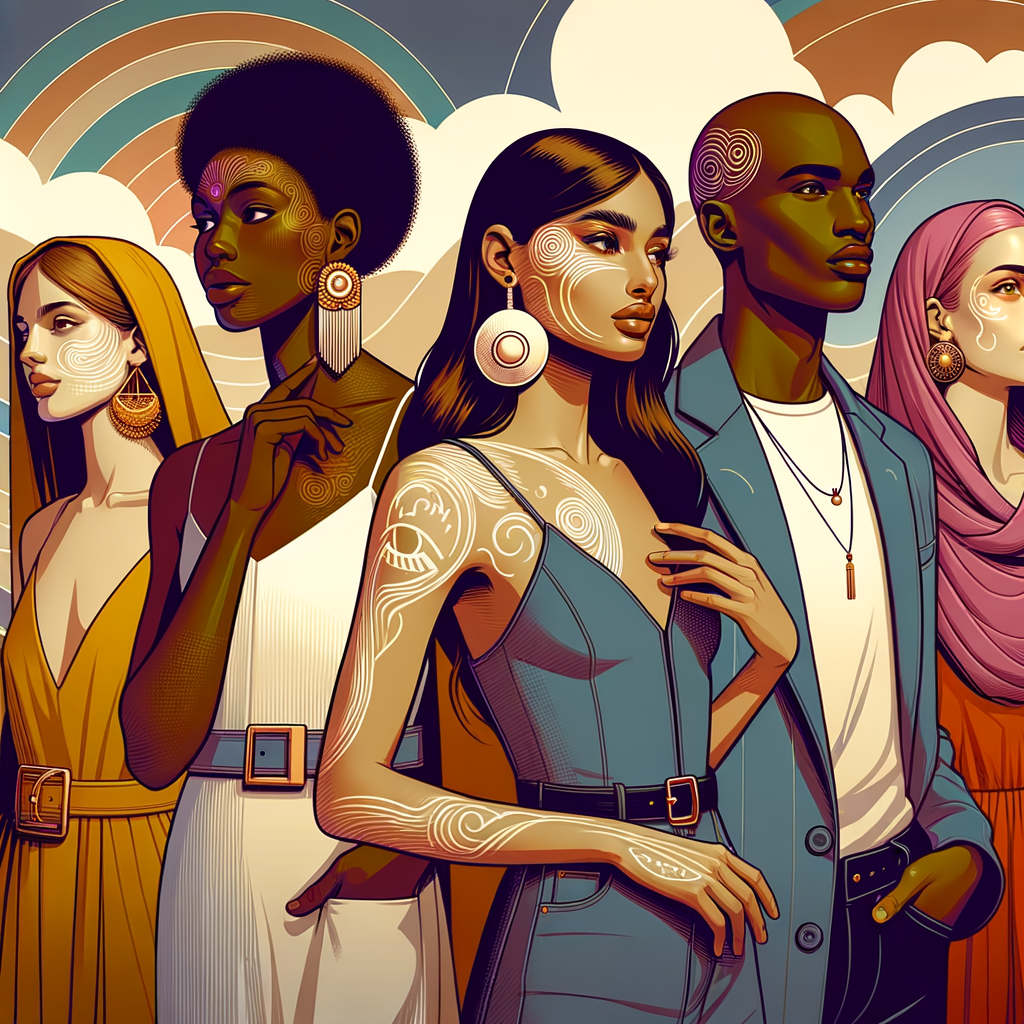
Deaf fashion is more than just a way to dress; it’s a form of expression and a celebration of identity. Over the years, fashion within the Deaf community has evolved into something unique and meaningful, going beyond traditional worn aesthetics and venturing into a realm that combines function with personal significance. Deaf fashion trends highlight creativity and form a communication bridge, all while making distinctive style statements. This movement is gaining recognition in the broader fashion industry, deservedly so, for its innovative approaches and the way it uplifts the community. Understanding Deaf fashion involves looking at how clothing and accessories cater to their needs, how they reflect the cultural identity, and how they make sense in the context of both everyday life and special occasions. By diving into the world of Deaf fashion, we recognize the creativity and resilience of those who have long been overlooked by mainstream trends. This article explores how Deaf fashion is celebrated not only as a style choice but also as an important aspect of cultural expression and identity.
The Evolution of Deaf Fashion
Deaf fashion has come a long way, and its evolution highlights a significant journey of self-expression among the Deaf. Initially, fashion for Deaf individuals was highly utilitarian, with a focus on pieces that were functional in terms of assisting with communication while maintaining comfort. However, as awareness and appreciation for the Deaf culture grew over time, so did the demand for fashion that could make unique statements. Such fashion trends went beyond basic functionality to embrace distinct styles that support and highlight Deaf culture.
Today, contemporary Deaf fashion integrates advanced technology with aesthetic appeal. Many fashion designers within the Deaf community have developed clothing and accessories that are not only stylish but also equipped with features that cater specifically to the Deaf, such as garments with light-emitting capabilities that signal sound frequencies when communication is needed in visually appealing ways.
The Role of Colors and Textures
In Deaf fashion, colors and textures play an essential role in communication. Visual appeal is vital, given the reliance on sight rather than sound. As such, Deaf fashionistas often gravitate towards bold and bright colors to convey their vibrance and personalities. Textures, too, are significant in fostering tactile experiences, which are a prominent part of a Deaf individual’s interaction with the world.
Colorful attire often translates to a lively personality or an avant-garde spirit. Patterns and prints serve as identifiers and conversation starters. The use of different textures introduces a sensory element—both for the wearer and anyone they interact with. Raised patterns and embossed fabrics become signals for communication or greetings, further personalizing each fashion item.
Sign Language-Inspired Designs
Incorporating sign language into clothing designs has become one of the most innovative trends in Deaf fashion. By embedding sign language into fabrics—through embroidery, printed patterns, or unique cuts—designers create a visual narrative that celebrates Deaf culture. These designs allow wearers to fashionably and proudly display a part of their identity.
T-shirts, hoodies, and even jewelry often come with elements of American Sign Language (ASL), featuring signs for words such as ‘love,’ ‘peace,’ or even their names. These pieces have become a powerful way to communicate silently yet effectively. The application of sign language-inspired designs presents an opportunity for self-expression and empowerment for the Deaf community, allowing them to proudly showcase their linguistic skills and creativity.
Technology’s Influence on Deaf Fashion
Technology has been robustly integrated into Deaf fashion in recent years, leading to smart clothing that serves multiple functions. Wearable tech in fashion makes communication easier and helps enhance the social experiences of Deaf individuals. For example, coats that include LED lights or vibratory feedback have begun to populate Deaf fashion stores. These technologies help wearers receive alerts through visual and tactile signals, improving everyday communication and even safety.
In addition, sound-reactive fashion has garnered attention for its innovative approach. Wearable pieces like scarves or jackets, which light up or change color in response to ambient sound, resonate with Deaf individuals and allow for dynamic interaction with their environment. This integration of fashion and technology adds both a functional and visually exciting element to Deaf fashion, emphasizing how technology is a great enhancer of lifestyle.
The Influence of Deaf Culture on Fashion Trends
Deaf culture has significantly shaped fashion trends, influencing both niche markets and mainstream design aesthetics. Beyond functional clothing, the growing recognition of Deaf culture through fashion has paved the way for the incorporation of universally meaningful symbols, designs, and cultural narrations that resonate beyond ethnic and linguistic boundaries.
Popular fashion brands are collaborating with Deaf influencers and creators to develop collections that incorporate Deaf culture elements, thereby promoting diversity and inclusion in the fashion industry. This broadened appeal not only educates those outside of the Deaf community but also deepens cultural ties within it, making clothing an integral vessel for communication and advocacy.
Empowerment through Fashion
Fashion is a powerful tool of empowerment, offering those within the Deaf community the ability to embrace their cultural identity. By making informed style choices that reflect personal values and cultural heritage, Deaf individuals use fashion to send powerful messages about who they are, transcending traditional auditory barriers.
Clothing empowers the Deaf by providing them with the means to visualize their voice. It’s not just about making an impression—it’s about self-advocacy and expressing individuality without needing to conform to mainstream norms. By supporting Deaf designers and their creations, the community collectively celebrates its cultural heritage and ensures its continuation through creative expression. Empowerment is found in each uniquely crafted garment—a testament to resilience and creativity.
Community and Fashion Events
Fashion shows and events designed specifically for the Deaf community have become significant platforms for celebrating innovation and style. These events showcase Deaf designers, models, and artists, highlighting the unique contributions they make to fashion. By attending and supporting these events, individuals inside and outside the Deaf community experience the incredible creativity, strength, and unity present within.
Moreover, these fashion events provide greater exposure for Deaf culture, bridging gaps between communities through shared appreciation of style and artistry. Fashion becomes a universal language—one that does not require sound but rather celebrates form, presentation, and ingenuity.
Conclusion
The realm of Deaf fashion is flourishing with creativity, culturally rich narratives, and innovative approaches to how we perceive style and identify with clothing. By understanding and integrating elements crucial to Deaf culture, these trends have transcended conventional fashion boundaries, allowing the Deaf community to celebrate their unique identity and expression. It’s not merely about clothing; it’s about crafting a visual statement that speaks volumes about one’s culture and experiences.
The fusion of color, texture, technology, and Deaf culture creates a vibrant tapestry of expression. It’s apparent that Deaf fashion is much more than a trend—it’s a dynamic movement that recognizes the indispensable relationship between fashion and cultural identity. As mainstream fashion continues to embrace these influences, it opens a broader dialogue about inclusivity and representation in design—ensuring that Deaf culture is seen, celebrated, and appreciated on the global stage.
Ultimately, Deaf fashion trends exemplify that clothing is not just a daily necessity but a platform for artistry and identity. The more we recognize and celebrate these styles, the more we foster a world where fashion serves as a bridge and canvas for all to express their story and be heard, in their own way.