

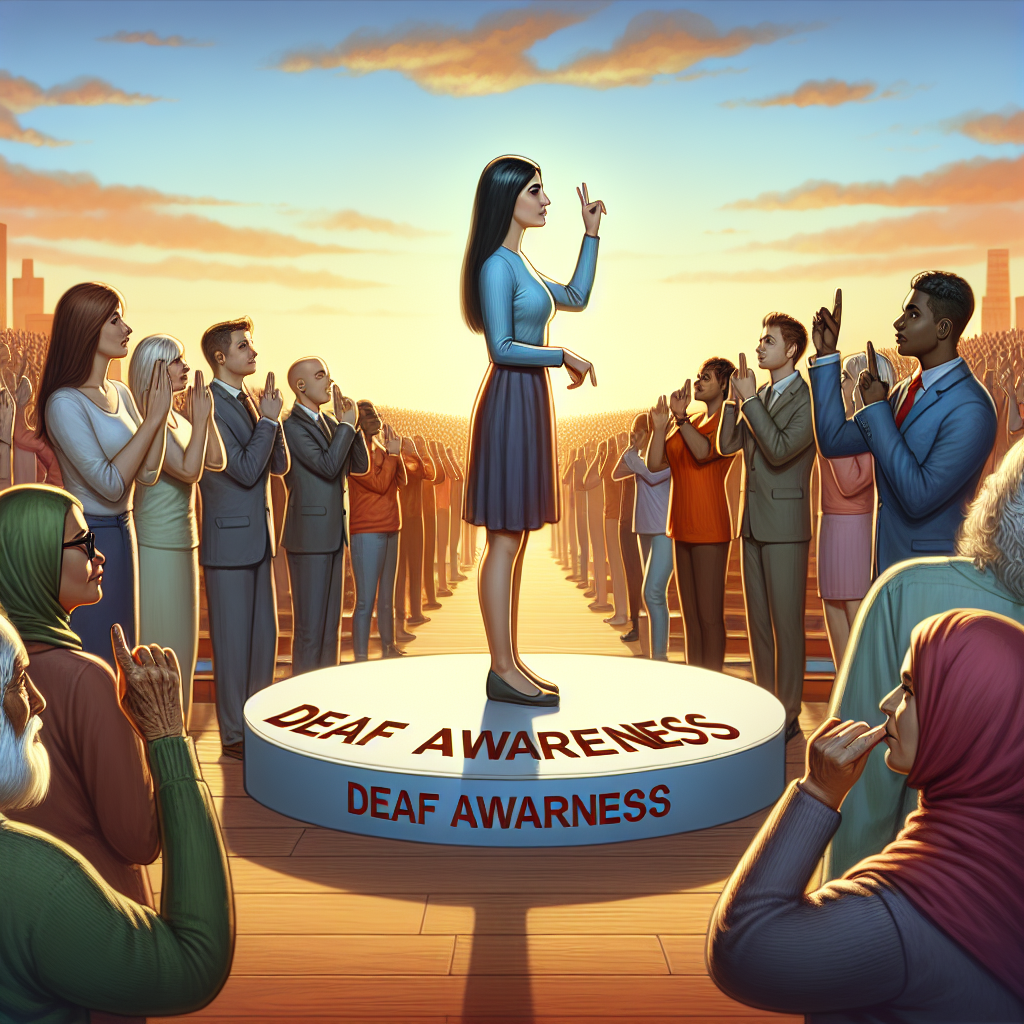
Deaf awareness is not just about understanding what it means to be deaf, but also about creating a world where individuals who are deaf or hard of hearing can thrive without unnecessary barriers. To achieve this vision, the involvement of allies plays a crucial role. Often, allies are individuals without hearing impairments who take active steps to understand and support the needs of the Deaf community. Their role can be transformative, catalyzing cultural shifts, driving legislative changes, and fostering inclusive environments. In this article, we delve into the significance of allies in promoting deaf awareness, dissecting their impact on community engagement and social change.
Understanding Deaf Awareness and the Role of Allies
Deaf awareness involves recognizing and appreciating the diversity in hearing capabilities, cultural dynamics, and the communication methods of the Deaf community, such as American Sign Language (ASL). It’s about acknowledging barriers faced by deaf individuals and working to dismantle them. Allies can include family members, friends, educators, policymakers, or anyone willing to lend their voice to advocate for the rights and inclusion of deaf and hard-of-hearing individuals. They contribute not merely by sympathizing but by actively participating in advocacy and education efforts. Effective allies listen to the Deaf community, educate themselves about Deaf culture and issues, and work to make hearing spaces more inclusive.
The Vital Contribution of Allies in Education
Education is a critical area where allies can have a significant impact. Many deaf students are integrated into mainstream schools where they may be the only deaf person. Allies, in the form of teachers and classmates, can foster an inclusive learning environment by learning basic sign language, ensuring the availability of subtitles and transcriptions, and advocating for specialized resources. Educators play a vital role in integrating Deaf culture into the curriculum, raising awareness amongst hearing students of the diversity in language and communication. By championing such initiatives, allies help reduce isolation for deaf students, creating a supportive environment conducive to learning and personal development.
Social Inclusion and Community Engagement
Social spaces, whether digital or physical, can often exclude those who are deaf due to communication barriers. Here, allies have a powerful role to play by advocating for accessibility features such as captioning services and sign language interpreters at events and in media content. Participating in Deaf events and promoting them within their networks is another vital role of allies. This not only raises awareness but also inspires further dialogue and understanding. Allies who leverage social media can catalyze widespread awareness, encouraging businesses, communities, and organizations to adopt inclusive practices. By doing so, they pave the way for more deaf people to engage meaningfully in various social spaces.
Promoting Policy Changes and Legislation
Allies can also be particularly influential in advocating for policy changes and legislation that safeguard the rights of deaf individuals. By becoming informed about the social, legal, and structural barriers faced by the Deaf community, allies can effectively lobby for reform. Whether it’s fighting for equal employment opportunities, advocating for the inclusion of ASL in educational curricula, or ensuring that public signage is accessible, allies can amplify the voices of the Deaf community. Through collaboration with deaf-led organizations, allies can help secure media attention and political backing for necessary legislative advances. Their support is especially crucial in high-power legislative environments where the needs of minority groups may otherwise be overlooked.
The Intersectionality of Identity and Allyship
Deafness often intersects with other identities including ethnicity, gender, and disability, which can compound social challenges. Allies who understand intersectionality can address these layered issues more effectively, committing to inclusive practices that respect and celebrate multiple facets of identity. Recognizing the diverse backgrounds within the Deaf community encourages a broader range of voices and experiences to be acknowledged and supported. Allies can advocate for intersectional approaches in policy and community efforts, ensuring that resources are accessible to all and addressing any systemic biases that may disproportionately affect particular groups within the Deaf community.
Challenges and Missteps: Navigating Allyship Responsibly
While the impact of authentic allyship is undeniably positive, it can also be fraught with challenges and potential missteps. Unintentional patronizing behavior, attempting to speak over or for the Deaf community rather than with them, and prioritizing the ally’s perspective over the lived experiences of deaf individuals are pitfalls that allies must navigate carefully. Listening is at the heart of responsible allyship; allies must consistently seek to broaden their understanding by engaging directly with Deaf perspectives and remaining open to feedback. Commitment to ongoing education about deafness and related issues is also necessary for allies to act credibly and respectfully. By remaining vigilant about these challenges, allies can better support the goals and values of the Deaf community.
Conclusion: Building a More Inclusive Future Together
The power of allies in promoting deaf awareness and fostering societal change cannot be overstated. Through deliberate actions, constant learning, and genuine advocacy, allies can create ripples of change that lead to more inclusive and equitable communities for deaf individuals. The path to widespread deaf awareness is one that must be navigated collaboratively, uniting the efforts of allies and those within the Deaf community. As we strive towards this shared goal, we acknowledge that the journey involves ongoing education, empathy, and action. By focusing on inclusive practices across education, social spaces, policy advocacy, and embracing intersectionality, allies have the opportunity to make a significant and lasting impact. Let this serve as an invitation for all allies to continue their indispensable work, leveraging their voices and privileges to promote a world that’s accessible and welcoming to everyone, regardless of hearing capability.