
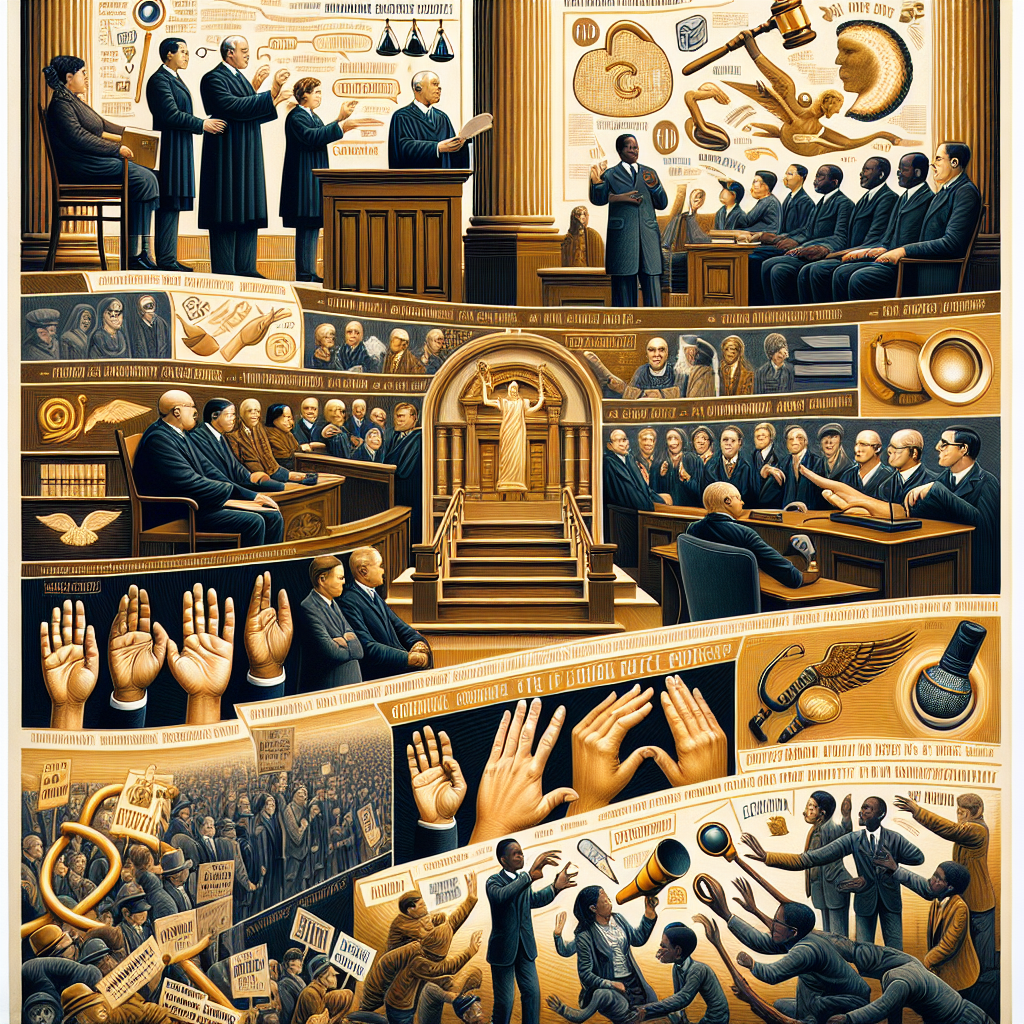
The journey towards achieving equitable rights and opportunities for the deaf community has been a long and arduous one, ridden with challenges and breakthroughs. Over the past century, significant progress in advocating for legal rights and social advocacy for the deaf has been realized, thanks largely to the relentless efforts of pioneers in legal advocacy and community activism. Understanding the interplay between deafness and the law reveals a tapestry woven with determination, resilience, and a continuous quest for equality. This narrative unfolds from a time when deaf individuals were marginalized and denied basic rights, through to the current world where significant strides have been made, yet challenges still persist.
The early 20th century marked an era where the deaf community faced rampant discrimination. Society often viewed deafness through a deficit lens, fostering negative stereotypes and systemic barriers in educational, employment, and social sectors. Amid such adversity, the groundwork for legal reform and advocacy was laid, igniting a movement that fought for recognition and inclusion. Landmark legislations and pivotal court cases over the years have transformed the legal landscape, enabling the community to secure a semblance of equality and societal participation.
Today, legal advocacy continues to address new challenges amidst evolving societal dynamics, emphasizing areas such as technological access, employment rights, and educational equity. As we trace the history of legal advocacy for the deaf community, it becomes evident that while much has been achieved, the quest for fairness and inclusivity is an ongoing journey. By understanding the past, we can foster greater awareness, ensure continued progress, and celebrate the rich cultural tapestry that the deaf community represents in our broader society.
Early Legal Challenges and Milestones
During the early 1900s, the deaf community faced numerous legal challenges, predominantly centered around basic rights and societal inclusion. Deaf individuals were largely excluded from mainstream education systems, often relegated to separate institutions that offered minimal and sometimes substandard education. Moreover, the lack of sign language recognition meant that communication barriers were substantial, limiting access to information and legal protections.
The groundwork for advocacy began in these years, with organizations like the National Association of the Deaf (NAD) playing a pivotal role in rallying for change. The NAD, founded in 1880, focused on preserving the rights of the deaf community, often challenging laws and practices that marginalized them. One notable early milestone was the fight for captioning on television, which began as early as the 1940s and eventually led to legislative successes that mandated accessibility options in broadcast media.
Another critical juncture was the legal battle for educational access and the right to use sign language in public schooling. These early cases laid the foundation for future legislation like the Individuals with Disabilities Education Act (IDEA) and the Americans with Disabilities Act (ADA), which began to reshape legal perspectives regarding disability and equality. This period marked the beginning of a profound shift, from exclusionary practices to policies aimed at ensuring equal rights under the law.
The Evolution of Legislation
The mid to late 20th century witnessed significant advancements in legislation affecting the deaf community. The Civil Rights Movement of the 1960s had a cascading impact across all marginalized groups, soon extending to include people with disabilities. The Rehabilitation Act of 1973 was one of the earliest comprehensive legislative acts to address disability rights, prohibiting discrimination on the basis of disability in programs receiving federal assistance.
This set the stage for more expansive laws like the Education for All Handicapped Children Act in 1975, later renamed the Individuals with Disabilities Education Act (IDEA). This pivotal law ensured that children with disabilities, including those who are deaf, received a free and appropriate public education tailored to their needs. These legislative milestones not only acknowledged the rights of the deaf and disabled but also fundamentally altered the educational landscape, laying the path for greater integration and accessibility.
Building upon this foundation, the Americans with Disabilities Act (ADA) of 1990 marked a watershed moment in legal advocacy for the deaf. Broad in scope, the ADA mandated equal employment opportunities, public service and accommodation access, and communication technology adaptations, significantly leveling the playing field. The significance of the ADA cannot be overstated; it embodies a comprehensive legal commitment to rights and access, serving as an essential framework for social and economic participation of deaf individuals.
Social Advocacy and Cultural Recognition
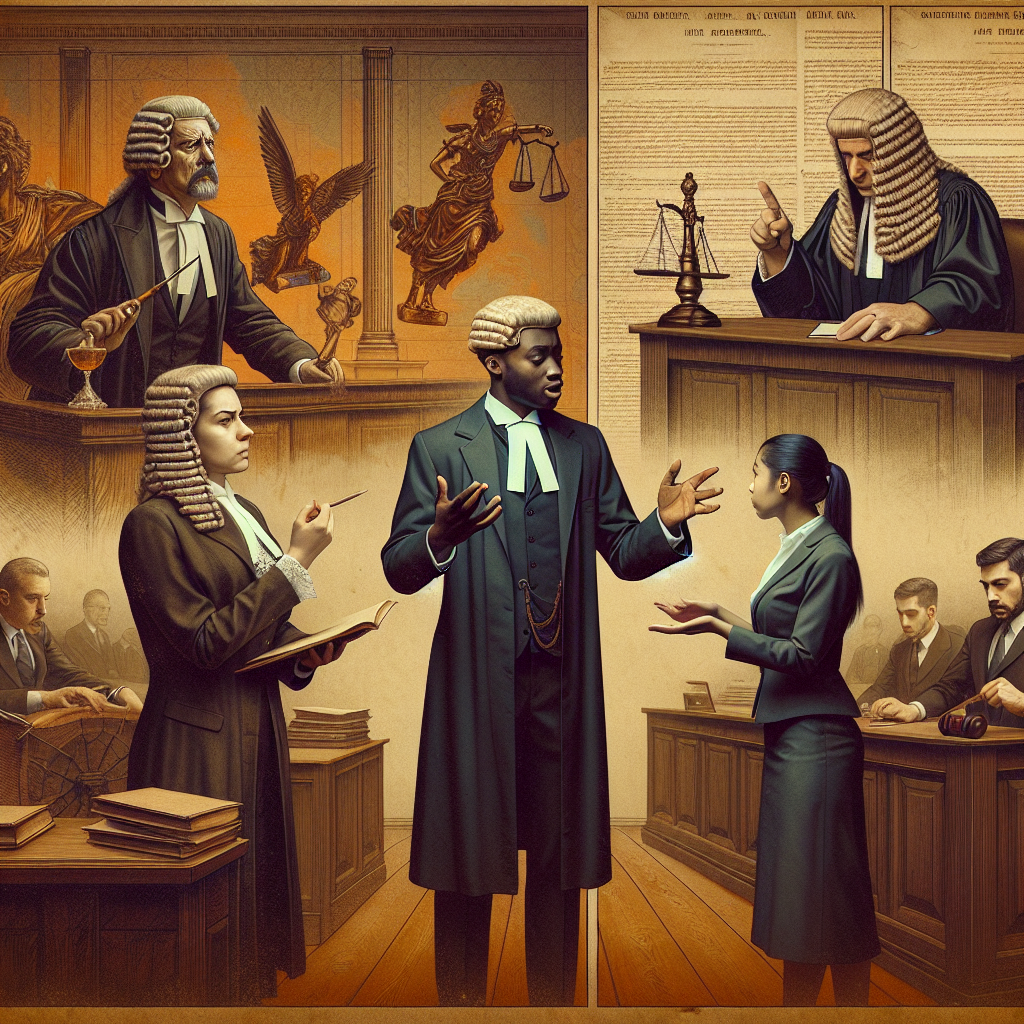
In parallel with legal advancements, social advocacy and cultural recognition have played crucial roles in reshaping perceptions and promoting inclusivity within the deaf community. Social activism has fostered a collective identity, celebrating deaf culture as rich and distinct rather than a condition needing to be “fixed.” The empowerment derived from recognizing and embracing this identity has spurred broader advocacy efforts and societal change.
Organizations and movements within the deaf community have been instrumental in this transformation. They have worked tirelessly to promote sign language as an essential cultural and communication tool, campaigning for its recognition and inclusion in educational curricula and public services. Events like Deaf Awareness Week highlight and celebrate the contributions and talents of the deaf community, further normalizing and embedding their identity into the social fabric.
Moreover, technology has ushered in new avenues for social advocacy, with digital platforms amplifying voices and stories from the deaf community. Social media campaigns and online content creation have become potent tools for raising awareness, generating solidarity, and driving collective action. These efforts underscore the interconnectedness of legal, social, and cultural progression, recognizing that true advocacy encompasses all spheres of life.
Contemporary Challenges and Opportunities
While significant progress has been made, the deaf community continues to face contemporary challenges that require ongoing advocacy and legal intervention. One such area involves ensuring equitable access to modern communication technologies and digital media. As society becomes increasingly reliant on technology, ensuring that innovations are inclusive to all persons, particularly those with hearing impairments, remains a critical concern.
Employment equity also presents ongoing challenges. Despite legal protections, unemployment and underemployment rates among the deaf community are disproportionately high. Initiatives aimed at enhancing workplace inclusivity, offering targeted vocational training, and dismantling biases in hiring practices are crucial for improving employment outcomes.
Additionally, healthcare accessibility and quality service provision for the deaf remain pressing issues. Legal advocacy is crucial in ensuring that medical facilities comply with accessibility requirements, including the availability of qualified interpreters and accessible information, thus preventing critical gaps in healthcare delivery.
Opportunities for further advocacy lie in expanding educational reforms, promoting inclusive policy developments, and embracing technological innovations designed with accessibility at their core. Continued progress is contingent on sustained awareness efforts, legal enforcement, and policy refinements to address the multifaceted needs of the deaf community.
Conclusion
The history of legal advocacy for the deaf community reflects a profound journey from marginalization to transformation, marked by landmark legislations, social activism, and the celebration of deaf culture. These efforts, driven by steadfast community advocates, have reshaped societal perspectives, expanded rights, and paved pathways for inclusion and equality.
Looking towards the future, it is crucial to continue building upon these foundational achievements. Legal systems, societal attitudes, and technological advancements must evolve collaboratively to dismantle remaining barriers. Advocates and allies must remain diligent in fostering environments where deaf individuals can thrive without impediment, fully participating in all aspects of society.
The narrative of deafness and the law is more than a historical account; it is a testament to resilience, solidarity, and the power of advocacy. By drawing lessons from the past and recognizing the challenges ahead, we can collectively champion a future where inclusivity and accessibility are inherent in our legal and social frameworks, ensuring that every member of the deaf community can fully realize their rights and potential.