
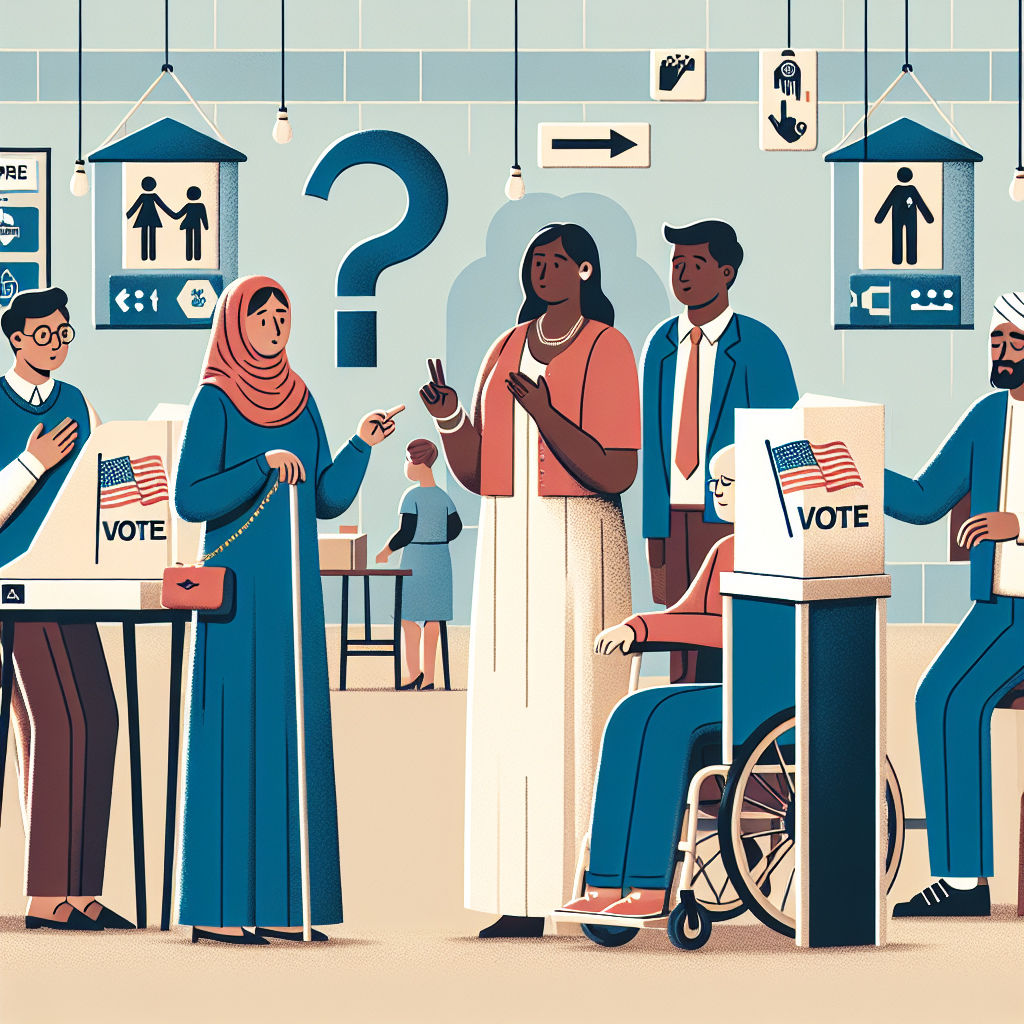
The International Day of Democracy, observed annually on September 15, serves as a pivotal reminder of the importance of democratic principles and the need for inclusive participation. While democracy hinges on the active engagement of all citizens, it often overlooks the unique challenges faced by individuals with disabilities, particularly the Deaf and hard of hearing communities. Ensuring that these individuals can participate fully in elections is essential for upholding the integrity of democratic processes and promoting equality.
Deaf individuals encounter numerous barriers when it comes to participating in elections, ranging from insufficient information in accessible formats to lack of sign language interpreters at polling stations. Additionally, civic education often neglects their specific needs, leaving many Deaf voters uninformed about their rights and the voting process. These barriers can lead to disenfranchisement, reducing their representation in democratic governance. This article aims to shed light on the importance of fostering Deaf participation in elections and advocating for accessible voting processes, aligning with the principles celebrated on the International Day of Democracy.
Understanding the Barriers to Deaf Participation in Elections
The participation of Deaf individuals in elections is hindered by several barriers. One of the primary issues is the inadequate availability of election information in accessible formats. Many electoral bodies fail to provide information in sign language or subtitled videos, making it challenging for Deaf individuals to stay informed. This lack of accessible information includes everything from voter registration processes to the specifics of ballot measures and candidate platforms.
Another significant barrier is the absence of sign language interpreters at polling stations. Without interpreters, Deaf voters may struggle to communicate with poll workers, leading to confusion and frustration. Additionally, many electronic voting machines are not equipped with features that accommodate Deaf voters, further complicating the voting process.
Moreover, there is a general lack of awareness among election officials regarding the needs of Deaf voters. This lack of understanding can result in unintentional discrimination and the implementation of practices that are not inclusive. The consequences are clear – reduced participation rates among Deaf individuals and a democratic process that does not fully represent the entire population.
Advocating for Accessible Voting Processes
Addressing the barriers faced by Deaf individuals in the voting process requires concerted efforts at different levels. One of the critical steps is advocating for the provision of election information in accessible formats. Electoral bodies should ensure that all election-related materials, including candidate debates, voter education content, and registration information, are available in sign language and with subtitles.
Additionally, implementing technological solutions can significantly enhance the accessibility of the voting process. For example, electronic voting machines should be designed to include visual notifications and instructions compatible with Deaf voters’ needs. Such features can ensure that Deaf individuals can cast their votes independently and with confidence.
Moreover, it is essential to train election officials and poll workers on the unique needs of Deaf voters. Sensitivity training can help prevent misunderstandings and ensure that the voting environment is welcoming and accommodating. Election officials must also be aware of the legal requirements for accessibility to avoid any form of inadvertent exclusion.
The Role of Organizations in Supporting Deaf Voters
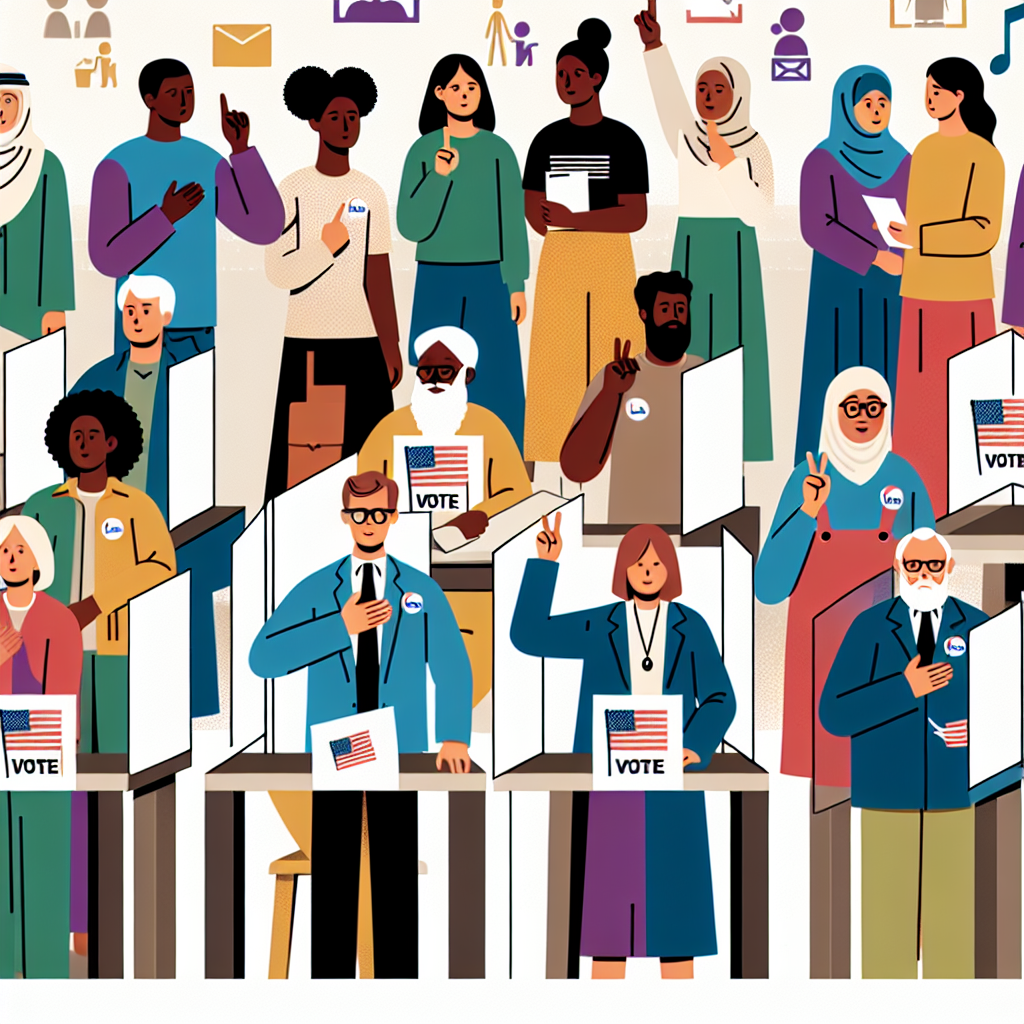
Organizations devoted to Deaf advocacy and inclusion play a crucial role in supporting Deaf voters. These organizations can act as intermediaries between Deaf voters and electoral bodies, ensuring that their needs and concerns are heard and addressed. For instance, advocacy groups can lobby for the inclusion of sign language interpreters at polling stations and the adaptation of voting machines for accessibility.
Furthermore, these organizations can offer educational programs tailored to Deaf individuals, providing them with the necessary knowledge and tools to participate effectively in elections. Workshops, webinars, and informational videos in sign language can empower Deaf voters with the confidence and understanding needed to engage in the democratic process.
Collaboration between advocacy organizations and electoral bodies is vital for driving meaningful change. Through joint efforts, these entities can develop strategies and policies that foster an inclusive electoral environment. By amplifying the voices of Deaf individuals, they can ensure that the democratic process is truly representative of all citizens.
Educational Initiatives and Voter Outreach
Educational initiatives are essential for increasing Deaf participation in elections. Schools and community organizations should incorporate civic education programs that cater specifically to Deaf individuals. These programs should cover various aspects of the electoral process, including voter registration, understanding ballot measures, and the significance of casting a vote.
Voter outreach programs tailored specifically to the Deaf community can also bridge the gap between electoral bodies and Deaf voters. Outreach initiatives can include community meetings, social media campaigns, and collaborations with Deaf influencers who can spread awareness and encourage participation. By utilizing platforms and communication methods that resonate with the Deaf community, these initiatives can significantly enhance voter engagement.
Additionally, promoting the use of technology can be a game-changer in voter education and outreach. Interactive websites and mobile apps that provide election information in sign language can make a substantial difference. Such technological tools should be widely promoted and easy to access, ensuring that Deaf individuals have the resources they need at their fingertips.
Highlighting Success Stories and Best Practices
Highlighting success stories and best practices can inspire and motivate further action towards accessible voting processes. Various regions and countries have implemented innovative approaches to ensure Deaf individuals can participate in elections seamlessly. Sharing these stories can provide valuable insights and serve as blueprints for other areas looking to enhance their electoral inclusivity.
For example, some countries have successfully integrated video relay services (VRS) into their voting processes, allowing Deaf voters to communicate with election officials via sign language interpreters remotely. Others have developed comprehensive online portals where all election information is available in sign language, ensuring that Deaf voters can access the same level of information as their hearing counterparts.
Learning from these examples can help electoral bodies worldwide adopt similar practices. By demonstrating that accessible voting is not only possible but also practical, these success stories can help overcome resistance and drive the adoption of inclusive measures.
Conclusion: A Call for Inclusive Democracy
The International Day of Democracy is a reminder that true democracy can only be achieved when all citizens, regardless of their abilities, can participate fully and equally. Ensuring the inclusion of Deaf individuals in the electoral process is not just a matter of legal compliance; it is a fundamental aspect of recognizing their rights and dignity.
To create a truly inclusive democracy, we must address the barriers that Deaf individuals face in elections. This requires a collaborative approach involving electoral bodies, advocacy organizations, and the broader community. By providing accessible information, implementing supportive technologies, and raising awareness through education and outreach, we can pave the way for a more inclusive and representative democratic process.
Ultimately, democracy thrives on diversity and the active participation of all its citizens. As we celebrate the International Day of Democracy, let us commit to breaking down the barriers that prevent Deaf individuals from exercising their democratic rights. Together, we can build a more equitable society where every voice is heard, and every vote counts.