
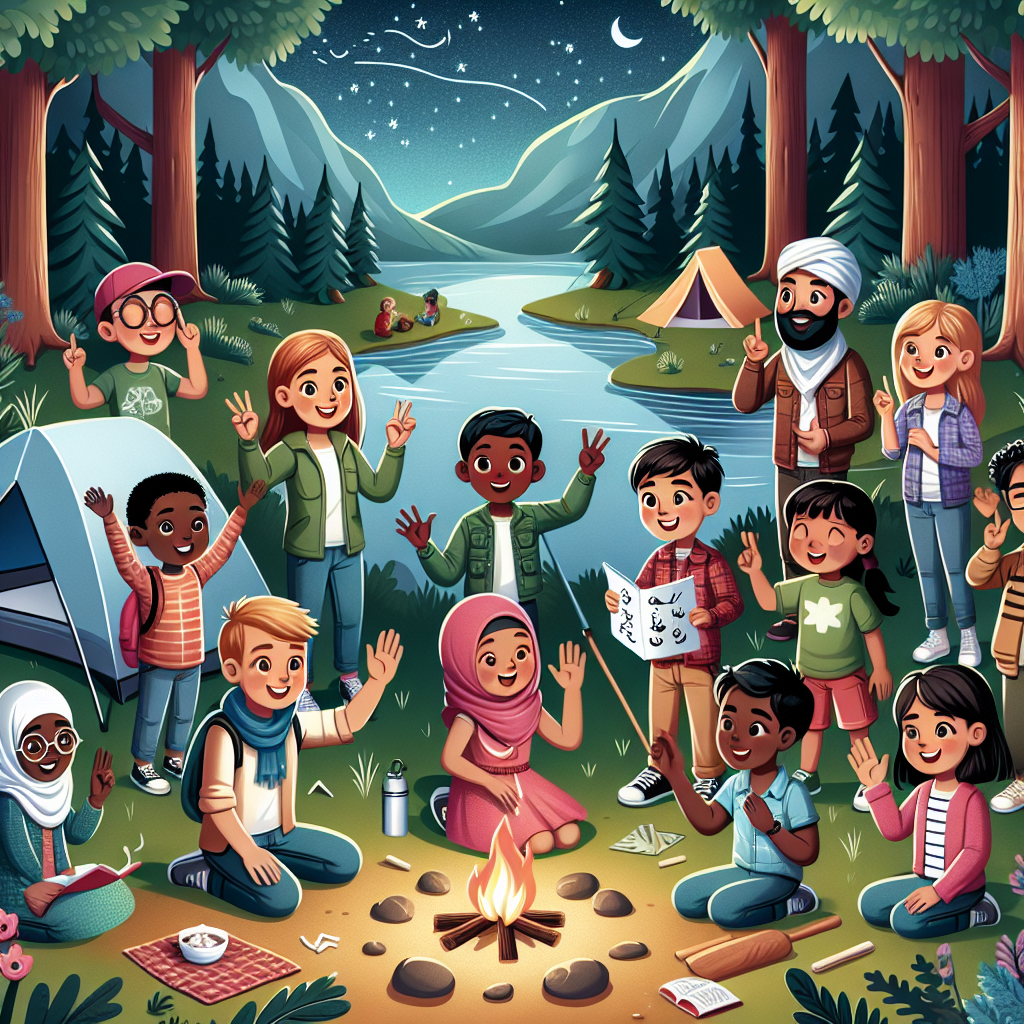
Camping is one of those quintessential family activities that have the potential to create lifelong memories and invaluable bonding time. For Deaf families, adapting outdoor activities to ensure everyone has a fantastic time can come with a few unique challenges. However, with thoughtful planning, accessible communication methods, and various creative activities, camping can be a joy-filled experience for all members, regardless of hearing ability.
Introduction: The World of Camping for Deaf Families
Camping offers an extraordinary opportunity for families to break away from the hustle and bustle of everyday life and immerse themselves in nature’s serenity. For Deaf families, the great outdoors offers a wealth of sensory experiences that can be equally enjoyable. The sound of rustling leaves might be replaced by the sight of a breeze blowing through the trees, whereas the crackling of a campfire can be appreciated through its mesmerizing visuals and warmth.
The key to an unforgettable camping experience lies in inclusive planning and thoughtful adaptations. This process involves ensuring that communication is seamless, safety measures are meticulously accounted for, and activities are enjoyable for everyone. As we delve into various strategies and tips, remember that the ultimate goal is creating shared experiences that foster connection and enjoyment for all family members.
Every family is unique, and so are their preferences and experiences. Some might prefer a rustic tent setup, while others could lean towards the familiarity of a camper or cabin. Regardless of your camping style, embracing adaptability and a sense of adventure will help create memorable experiences that resonate with each family member, especially in Deaf families where visual and tactile communication takes precedence.
Preparation and Planning: Setting the Stage for Success
One of the first steps in planning a camping trip for Deaf families is selecting a location that caters to everyone’s needs. Consider looking for campsites that offer accessible amenities, such as clear and well-marked trails, visual notification systems, and accessible restrooms and showers. National parks and campgrounds often provide detailed information about their facilities, making it easier to choose a suitable destination.
Next, involve the whole family in the planning process. Discuss potential challenges and brainstorm solutions together. This collaborative approach not only empowers family members but also ensures that everyone’s needs, preferences, and safety concerns are addressed.
Creating a checklist of essential items tailored to your family’s needs can prevent last-minute stress and confusion. For example, ensure you pack visual aids like flashlights, headlamps, and lanterns. These can be crucial for nighttime communication and safety. Explain the planned activities and rules beforehand so that everyone knows what to expect and feels confident.
Moreover, don’t forget to research and understand the local wildlife and weather conditions. Preparing for different scenarios ensures you are ready to handle unexpected situations while emphasizing safety. Finally, make sure to have a plan in place for emergency communication. Portable devices like smart watches or communication apps can be lifesavers in urgent situations.
Enhancing Communication: Bridging the Gap
Effective communication is the cornerstone of any successful camping trip, and this holds even more significance for Deaf families. Emphasizing visual and tactile communication methods can help bridge potential gaps and ensure everyone is included.
Start by setting up a designated central point in the campsite where important notices, itineraries, and visual cues can be posted. Use clear and vibrant visuals to convey crucial information. For instance, employ color-coded signs to indicate different activities, directions, or safety instructions.
Incorporate technology wherever possible. Smartphones and tablets equipped with video relay services or sign language applications can facilitate seamless communication. Additionally, portable chargers or solar-powered charging devices can keep these gadgets operational.
Tactile communication can also play a vital role. Use touch signals or hand cues to convey simple messages. Implementing a unique family signaling system tailored to your needs can make communication smoother and more efficient. Glow sticks or LED bracelets can be helpful for nighttime communication.
Finally, consider learning some basic phrases in American Sign Language (ASL) if your family is not already proficient. The effort to learn and use ASL can significantly enhance communication and strengthen bonds within the family.
Engaging Activities: Fun for Everyone
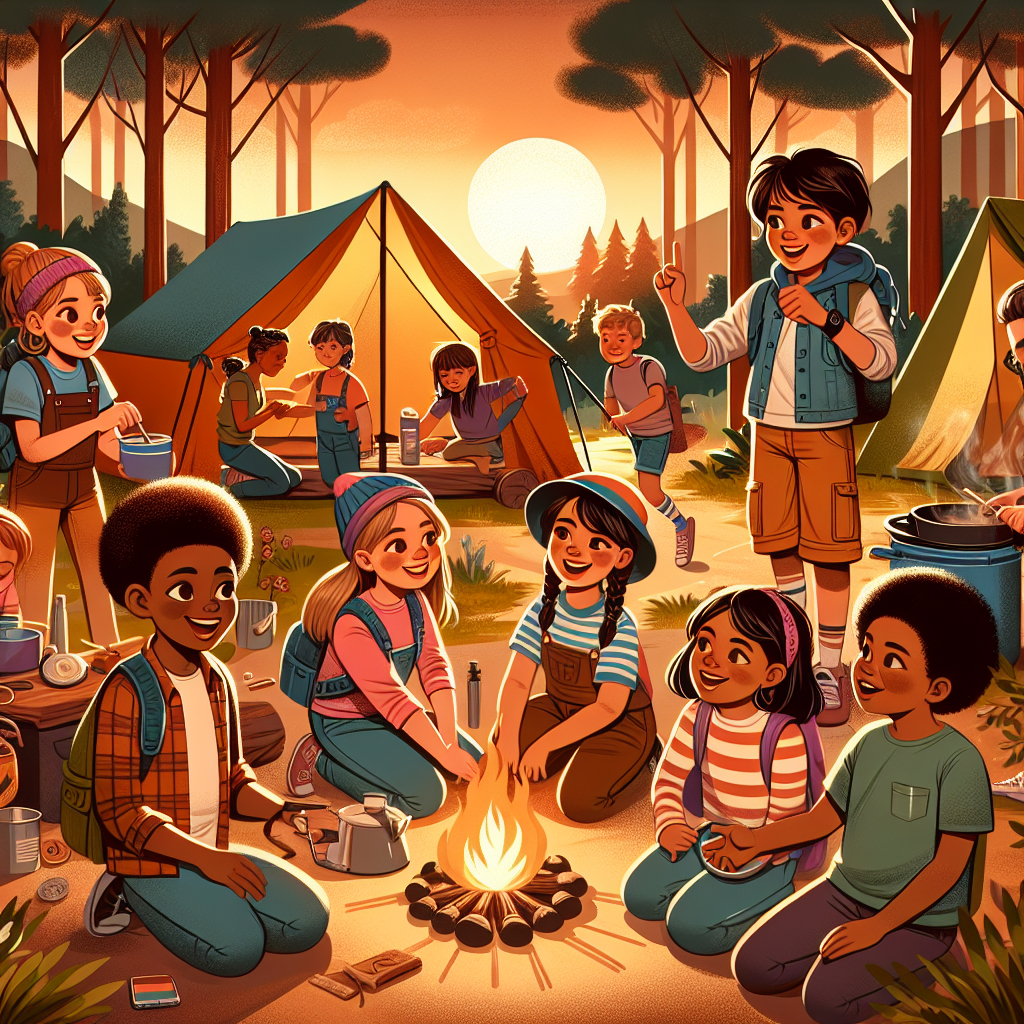
Camping provides a unique opportunity to engage in a myriad of activities that can be tailored to be Deaf-friendly. Here are some ideas to ensure everyone has a blast:
Nature Scavenger Hunts
Organize a nature scavenger hunt where participants search for specific items or landmarks. Use printed cards with pictures and descriptions to guide the hunt. This visual activity is inclusive and encourages exploration and teamwork.
Stargazing
Away from city lights, the night sky can be a spectacular sight. Equip yourselves with a star map or a stargazing app to identify constellations and planets. This activity offers a quiet and visually captivating experience that can be enjoyed together.
Creative Crafts
Bring along art supplies and encourage your family to create nature-inspired crafts. From leaf rubbings to making campsite decorations, these activities can be both relaxing and engaging.
Outdoor Cooking
Transform mealtime into an interactive event. Allow family members to participate in meal preparation, whether it’s assembling ingredients for a campfire stew or making s’mores. Visual recipe cards can guide the process, making it accessible for everyone.
Hiking
Choose trails that match your family’s skill level and physical abilities. Hiking offers a way to explore and appreciate nature, providing plenty of moments to bond and communicate through shared experiences. Use clear signage and take frequent breaks to ensure everyone’s comfort.
Safety First: Precautions and Measures
Ensuring safety during a camping trip is paramount, especially for Deaf families. Here are some key precautions and measures to consider:
Visual Alerts
Equip your campsite with visual alert systems. This may include lights or vibrations for signals that would typically be auditory, such as alarms or warnings.
Emergency Planning
Have a detailed emergency plan in place. Make sure everyone knows how to use communication devices and what to do in case of emergencies. Use visual aids to explain procedures clearly.
First Aid Kit
An accessible and well-stocked first aid kit is essential. Ensure that it contains easy-to-understand instructions and all necessary supplies to handle minor injuries and ailments.
Wildlife Awareness
Educate your family about the local wildlife, emphasizing how to avoid unwanted encounters. Use visual guides to identify animals and understand their behaviors.
Buddy System
Implement a buddy system, especially for younger children. This ensures that no one is left alone or gets lost. Use bright and visible clothing to keep track of each other easily.
Regularly review safety rules and insist on adherence. This practice builds a habit of vigilance and preparedness, contributing to a safer and more relaxed camping experience.
Creating Traditions and Cherished Memories
One of the joys of camping is the opportunity to create traditions and memories that last a lifetime. For Deaf families, these traditions can take unique and beautiful forms, emphasizing visual and tactile experiences.
Here are some ideas to instill a sense of tradition and create cherished memories:
Storytelling around the Campfire
Embrace the timeless tradition of storytelling around the campfire. Use expressive sign language, gestures, and props to bring stories to life. Encourage everyone to contribute their own tales, fostering a sense of community and shared experience.
Campsite Rituals
Create simple rituals that mark the beginning and end of each camping trip. This could be anything from a special handshake to setting up or dismantling the campsite together. These rituals can provide a comforting and familiar structure to each trip.
Memorable Souvenirs
Collect natural souvenirs like pinecones, rocks, or leaves that can be used to create a memory jar or scrapbook. These tangible mementos serve as lasting reminders of your time spent together.
Photography Challenges
Equip family members with cameras or smartphones and organize photography challenges. Set themes like “Nature’s Wonders” or “Family Fun,” and compile the photos into a digital album or slideshow to relive the memories later.
Special Meals
Create signature camping meals that everyone looks forward to. Whether it’s a particular breakfast pancake recipe or a unique campfire treat, these meals can become an integral part of your camping tradition.
Ultimately, the goal is to create a camping experience that is inclusive, engaging, and rich with moments that each family member will treasure. Adapt activities to suit everyone’s preferences and abilities, and cherish the time spent together in nature.
Conclusion: Embrace the Adventure
Camping with kids and creating memorable experiences for Deaf families is an adventure filled with opportunities to bond, explore, and enjoy the great outdoors. By planning meticulously, enhancing communication, prioritizing safety, and engaging in inclusive activities, you can ensure that every family member feels involved and valued.
The essence of camping lies in the shared experiences and the stories you’ll carry with you long after the tents have been packed away. Embrace the unique perspectives each family member brings to the table, and celebrate the diversity of experiences that come with Deaf-friendly camping.
By incorporating visual and tactile elements into every aspect of the trip, you can facilitate meaningful connections and foster a deeper appreciation for nature. From the thrill of discovering wildlife to the tranquility of a star-filled sky, the memories you create will be etched in the hearts of your family members.
So, gather your gear, chart your course, and set out on an adventure that promises laughter, learning, and a wealth of cherished moments. With thoughtful planning and a spirit of inclusivity, camping with kids can become a beloved tradition that brings your family closer together.