
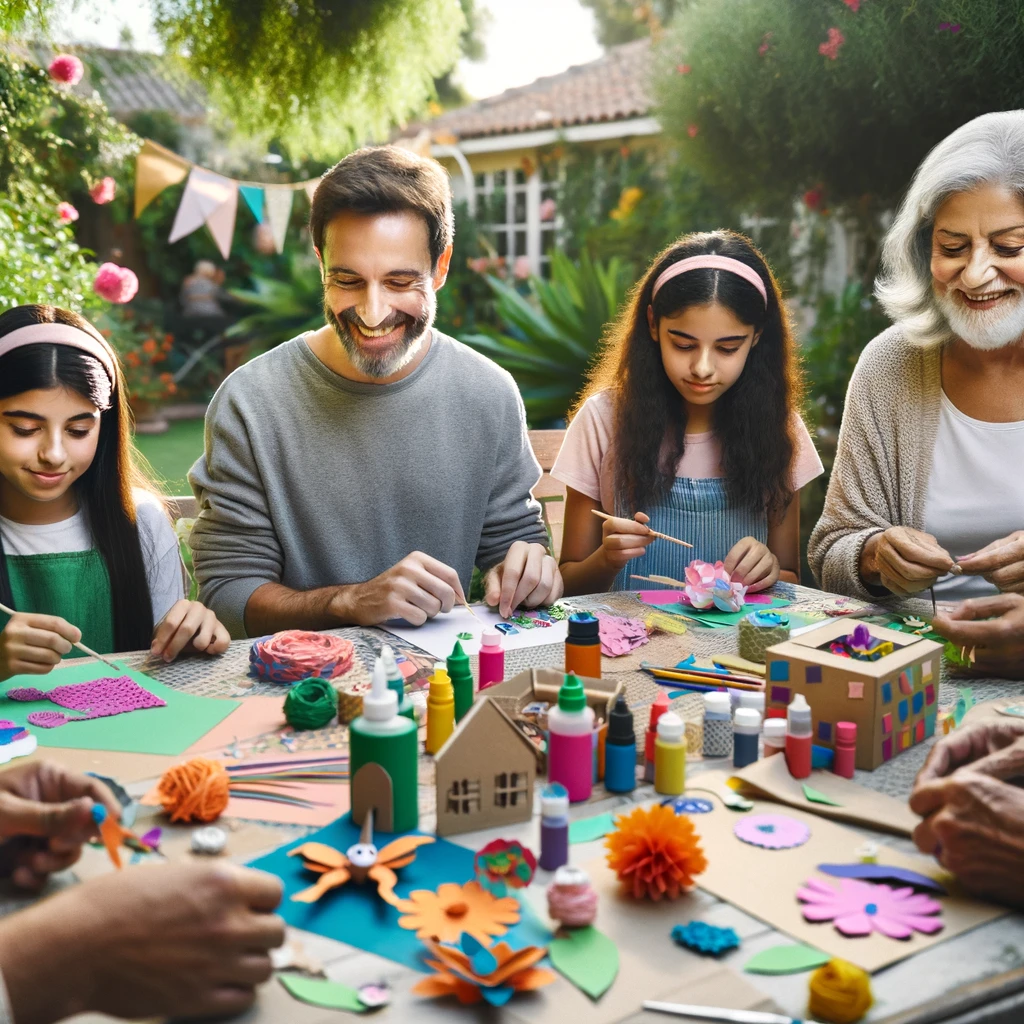
Crafts are a fantastic way for people to express creativity, spend quality time together, and learn new skills. For the Deaf and Hard of Hearing community, crafts can also serve as an excellent tool for communication and cultural expression. This article will guide you through various do-it-yourself (DIY) craft projects that are not only fun but also accessible to people of all ages and abilities.
1. Customized Sign Language Cards
Creating sign language cards is a fun way for anyone to learn and practice sign language. These cards can be used to teach signs for different words and phrases, making them a great educational tool for both children and adults.
Materials Needed:
- Cardstock or heavy paper
- Markers or paint
- Stencils or stickers for decoration
- Laminator (optional, for durability)
Instructions:
- Cut the cardstock into your desired size for flashcards.
- Choose words or phrases to feature on each card.
- Use markers or paints to draw the corresponding sign language symbol on one side of the card.
- Decorate the other side with stencils or stickers to visually represent the word or phrase.
- Laminate the cards if you wish to make them more durable.
2. Vibrating Clay Sculptures
Clay sculpting can be an enriching sensory experience. By incorporating vibrating elements, these crafts can also provide tactile feedback that is beneficial for Deaf crafters.
Materials Needed:
- Air-dry clay
- Small battery-operated vibrating motors
- Batteries
- Paints and brushes
Instructions:
- Mold the air-dry clay into any shape you like.
- Carefully insert a small vibrating motor into the sculpture while the clay is still soft.
- Allow the clay to dry completely according to the package instructions.
- Once dry, paint the sculpture. The vibration will add a unique sensory experience when touching the finished product.
3. Tactile Alphabet Books
Tactile books are especially great for young learners, helping them to associate textures with letters and signs.
Materials Needed:
- Heavy paper or cardstock
- Fabric scraps, sandpaper, puff paint, etc., for textures
- Binders or rings to hold the book together
- Markers or fabric pens
Instructions:
- Cut the cardstock into uniform pages.
- For each letter of the alphabet, assign a texture. For example, use sandpaper for “S” or cotton fabric for “C.”
- Attach the textures to each page corresponding to the alphabet letter.
- On each page, use markers or fabric pens to write the letter and draw the corresponding sign language gesture.
- Bind the pages together to create a book.
4. LED Light-Up Message Boards
LED message boards can light up a room with color and brightness, making them visually stimulating and an excellent medium for creating signs or messages.
Materials Needed:
- A clear acrylic sheet
- LED light strips
- Dry-erase markers
- Stand or frame to hold the acrylic sheet
Instructions:
- Mount the clear acrylic sheet onto the stand or frame.
- Attach the LED light strips along the edges of the acrylic sheet.
- Use dry-erase markers to write messages or draw directly on the acrylic.
- Turn on the LED lights to see your creation glow!
5. Interactive Story Boards
Storyboards are a great way to tell stories visually, which can be particularly engaging in educational settings or storytelling groups within the Deaf community.
Materials Needed:
- Large poster board or corkboard
- Printed images or drawings
- Velcro strips
- Markers or paints
Instructions:
- Prepare a theme or story outline.
- Attach Velcro strips to the back of your images or drawings.
- Place corresponding Velcro strips on the poster board where you will attach the images.
- Arrange the images on the board to narrate your story.
- Use markers or paints to add details or textual elements to the storyboard.
Crafts are more than just a creative outlet; they are a bridge to learning and understanding, bringing people together through the power of making. These DIY projects are designed to be accessible, providing a platform for expression and engagement in the Deaf community. They encourage not only individual creativity but also collective participation, making crafting an inclusive and enjoyable experience for everyone involved.
Whether you are a parent, educator, or simply a craft enthusiast, these projects offer ways to connect with the Deaf culture and communicate through the universal language of creativity. Embrace these ideas and let your imagination lead the way to fun and fulfilling craft sessions that everyone can enjoy!

6. Sensory Exploration Boxes
Sensory boxes can be themed to cover a wide range of tactile experiences, enhancing sensory development and encouraging exploration. These boxes are particularly beneficial for young children, including those who are Deaf or hard of hearing, as they promote the understanding of the world through different senses.
Materials Needed:
- A large, durable box (wooden or plastic)
- Various fillers such as rice, beans, sand, or water beads
- Small toys, objects, or natural items like shells and rocks
- Scoops, cups, or small shovels for digging and moving materials
Instructions:
- Choose a theme for your sensory box, such as “ocean” or “forest.”
- Fill the box with your chosen filler to a depth that allows for digging and burying.
- Add themed objects that encourage exploration, like plastic fish for an ocean box or pine cones for a forest theme.
- Provide tools that children can use to manipulate the materials, enhancing their tactile and motor skills.
7. Beaded Bracelets with Braille Charms
Jewelry making can be a delightful and meaningful activity. By integrating braille into the designs, these crafts become not only decorative but also communicative.
Materials Needed:
- Elastic cord or thread
- Beads in various sizes and colors
- Braille charms (available online or can be custom-made)
- Scissors
Instructions:
- Cut the elastic cord to the desired length for a bracelet.
- Plan your design by arranging the beads and braille charms in a pattern.
- String the beads and charms onto the elastic cord.
- Securely tie off the ends of the bracelet, ensuring it’s snug but comfortable to wear.
8. Decorative ASL Wall Art
Creating wall art that features American Sign Language (ASL) signs can personalize space and promote awareness of sign language.
Materials Needed:
- Canvas or large paper
- Paints and brushes
- ASL stencils or templates (can be printed from online resources)
- Optional: Glitter, stickers, or other decorative elements
Instructions:
- Choose a word or phrase to feature in ASL.
- Place the stencil or template on the canvas.
- Use paints to fill in the stencil, creating the ASL signs on the canvas.
- Add decorative elements such as glitter or stickers to enhance the visual appeal.
- Allow the paint to dry completely before hanging the artwork.
9. Fabric Sensory Books with Sign Language
Fabric books that include tactile elements and sign language are excellent for very young children, helping them to develop sensory skills and early language abilities simultaneously.
Materials Needed:
- Soft fabric for the book pages
- Various textured materials like felt, satin, or faux fur
- Sewing kit or fabric glue
- Printable ASL signs for each page
Instructions:
- Cut the fabric into uniform pages.
- Design each page around a specific texture and corresponding sign language symbol.
- Attach the textured materials and printed ASL signs to the pages using sewing or fabric glue.
- Bind the pages together to create a book, ensuring all edges are secure and child-safe.
Conclusion
Engaging in crafts offers numerous benefits, from developing fine motor skills and sensory awareness to fostering creativity and emotional expression. For the Deaf and Hard of Hearing community, these DIY projects provide accessible ways to enjoy crafting while also embracing and promoting Deaf culture. Each project is designed to be inclusive, allowing people of all ages and abilities to participate, learn, and have fun. By incorporating elements like tactile experiences, visual aids, and sign language, these crafts ensure that everyone can enjoy the creative process and feel connected to the broader community. So, gather your materials, pick a project, and start crafting today—a world of creativity and inclusion awaits!