
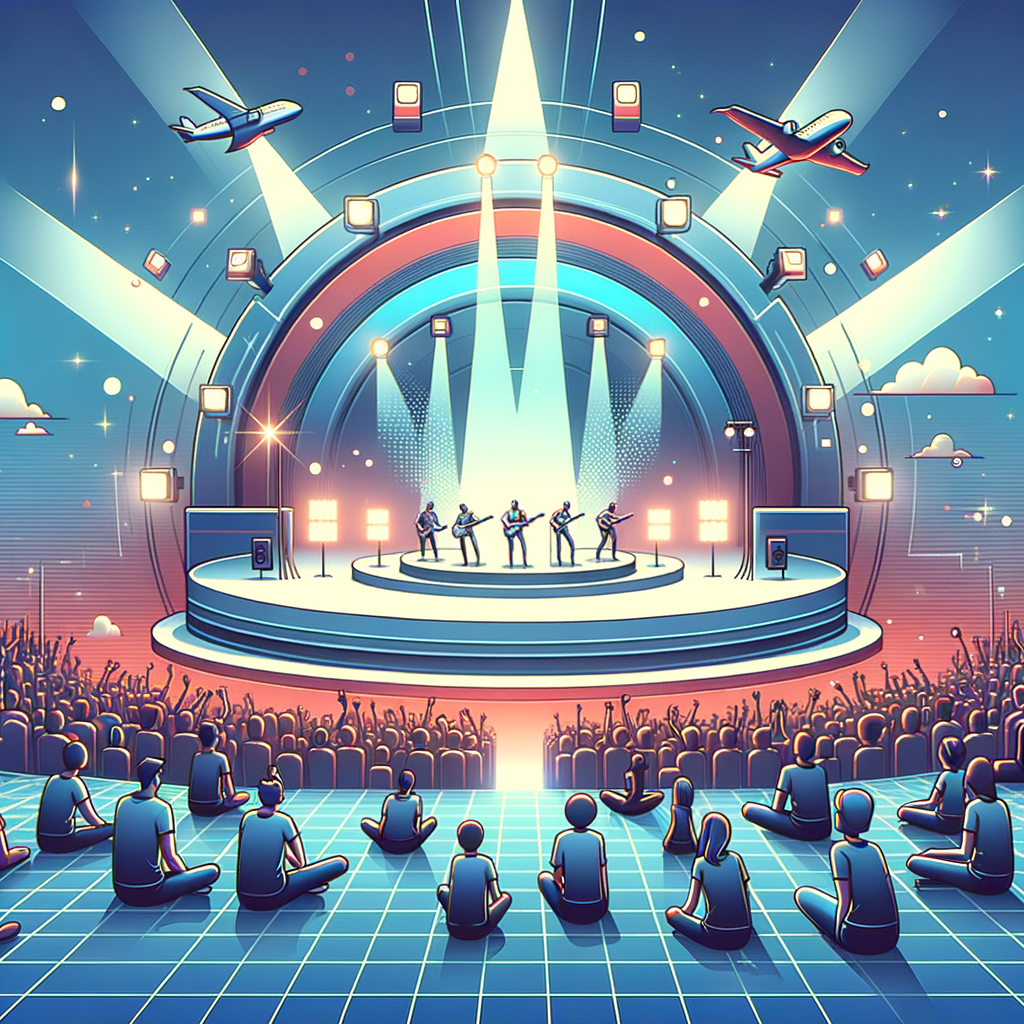
As the digital revolution continues to reshape the very fabric of our lives, the field of entertainment has emerged as one of its most exciting frontiers. From streaming services to virtual reality experiences, technology is transforming how we consume entertainment. One of the most fascinating phenomena in this regard is the advent of virtual concerts. These digital performances have carved out a new niche within the entertainment landscape, offering an innovative alternative to traditional live shows. A pivotal feature that amplifies this experience is live captioning, which enhances accessibility and engagement for audiences of all kinds. With these advancements, virtual concerts are not just mimicking the in-person concert experience; they are redefining the parameters of what entertainment can be. By understanding this transformation, we can explore how it affects artists, audiences, and the entertainment industry as a whole. In this article, we’ll dive into the paradigm shift brought about by virtual concerts equipped with live captioning, discussing their benefits, challenges, and the implications for the future of entertainment.
The Rise of Virtual Concerts
The essence of a live concert has always been about creating a shared space for audiences and musicians. Unlike traditional concerts bound by geography and venue, virtual concerts transcend physical limitations, reaching audiences far beyond what was once imaginable. This evolution didn’t happen overnight. Online platforms like YouTube and Facebook Live initially served as stepping stones, allowing artists to stream smaller shows and mini-concerts to a global audience. As technology advanced, the quality and scope of virtual concerts expanded exponentially. With cutting-edge graphics, immersive 3D environments, and interactive features, today’s virtual shows are not bound by the constraints of a physical stage. These features allow musicians to perform in settings previously limited only by their imagination, offering an unprecedented level of artistic freedom.
Moreover, the COVID-19 pandemic served as a significant catalyst for the rise of virtual concerts. With live venues shuttered across the globe, artists and fans turned to virtual platforms to fill the vacuum. During this period, the concept of virtual concerts evolved rapidly, with various artists and platforms experimenting with different formats and technologies to create engaging experiences. The high level of experimentation led to important advancements in understanding audience engagement, which continues to influence virtual concerts today.
The Role of Live Captioning
While virtual concerts unlock new possibilities, they also present specific challenges, especially regarding accessibility. Enter live captioning—an invaluable tool that ensures these events are inclusive to all audiences, including those with hearing impairments. Live captioning provides real-time textual representation of the audio content, thereby enhancing the overall experience. But how does live captioning work in a concert setting?
Initially, live captioning involved human transcribers who manually typed out lyrics and spoken words during performances. However, with the advance of AI and machine learning technologies, automated systems have become increasingly sophisticated. These systems not only provide accurate transcriptions, but also adjust for context, idioms, and slang unique to each performance. The technology even evolves during the concert, learning from corrections and improving its performance in real-time.
The benefits of live captioning extend beyond making concerts accessible; they also enhance engagement. Captions help audiences better understand lyrics, especially when music genres involve complex or rapid speech, such as rap or opera. Live captioning also enables multilingual accessibility. Many virtual concert platforms offer simultaneous translation features, broadening their appeal to international audiences. This level of inclusivity can increase viewer retention and promote global fan engagement, offering artists unprecedented opportunities to expand their reach.
Features and Tools Enhancing Virtual Concerts
Beyond just being accessible, virtual concerts are often celebrated for their array of interactive features. Some platforms integrate social features, such as chat rooms, where fans can interact with each other or with the artists themselves. This creates a sense of community reminiscent of the camaraderie felt in physical concerts. Moreover, technologies like augmented reality (AR) and virtual reality (VR) bring additional layers of engagement, offering immersive experiences that make viewers feel like they’re part of the action. These technologies allow audiences to navigate through different environments, providing unique, customizable experiences.
In terms of production, many virtual concerts employ state-of-the-art lighting and sound technologies. The use of binaural audio, for instance, provides a 360-degree sound experience, making the viewer feel as though the concert is happening around them. Visuals are delivered with high-resolution graphics, and these technological feats are designed to replicate, and at times even surpass, the immersive nature of a live performance.
Another important facet enhancing virtual concerts is artist-audience interaction. Through social media platforms and integrated messaging, artists can engage with fans in real-time. These interactions range from shout-outs during performances to personalized messages, creating a stronger connection between artists and their audience. The removal of physical barriers invites more personal interaction, offering experiences that fans can’t easily get in a crowded concert venue.
Challenges in Virtual Concerts and Captioning
Despite numerous advantages, virtual concerts also face challenges. One of the primary concerns is technological reliability. High-quality streaming requires robust internet infrastructure, which is not universally available. Interruptions, lagging, or technical issues can detract from the viewing experience, causing frustration among audiences. This concern is compounded when live captioning is involved. Any delay or error in captioning can mislead or confuse viewers, leading to potential misunderstandings. Therefore, ensuring smooth, synchronized, and reliable captioning is paramount.
Content rights and monetization present another set of challenges. As virtual concerts grow in popularity, questions around licensing and revenue models become more complex. Many platforms rely on sponsorships, ticket sales, and merchandise to generate revenue. Yet, the digital nature of virtual concerts makes it easier for unauthorized sharing, which could impact an artist’s earning potential. Developing robust digital rights management strategies is thus crucial for sustainable growth.
Additionally, there is the challenge of overcoming audience skepticism. Some fans are concerned that virtual concerts lack the emotional depth and communal atmosphere of live performances. To counteract this perception, platforms must continuously innovate, integrating features that can replicate or even enhance the communal concert experience.
The Future of Entertainment
The innovations driving virtual concerts and live captioning are not merely temporary trends but likely indicators of how entertainment will progress in the future. Judging by current trajectories, the boundaries between physical and virtual experiences will continue to blur, opening new realms of possibilities. We may see hybrid concerts that incorporate elements of both in-person and online platforms, offering fans flexible attendance options. Such concerts could be enhanced with personalized features like customizable camera angles and participant avatars, further revolutionizing user experience.
Moreover, advancements in artificial intelligence could further enhance captioning systems, enabling auto-generated lyrics, translation, and even AI-driven interactions between fans and artists. The scope for personalizing experiences will only grow, granting audiences unprecedented control over how they consume entertainment.
As virtual concert platforms evolve, more artists are likely to leverage these technologies, offering varied and innovative experiences tailored to diverse audience preferences. Beyond just concerts, other forms of live entertainment, such as theater, dance, and even sports, could benefit from similar technological enhancements, broadening the reach and influence of digital formats across the entertainment spectrum.
The cultural implications of these technologies are also great. Virtual concerts with live captioning can democratize access to music and entertainment, enabling global participation regardless of geographic location and physical ability. This could promote cross-cultural exchanges and contribute to diverse, inclusive global communities centered around shared artistic experiences.
Conclusion
In closing, virtual concerts with live captioning signal a new era of entertainment, one that capitalizes on technological advancements to provide immersive, engaging, and more inclusive experiences than ever before. These innovations have shattered traditional boundaries, making it possible for fans worldwide to share in the communal joy of live music. While challenges remain, they are met with a combination of technological solutions and creative approaches, which continue to push the industry forward. The increasing popularity of virtual concerts reflects changing consumer preferences and growing acceptance of digital formats as viable alternatives or complements to in-person events.
The broad societal reach of virtual concerts, thanks to features like live captioning, means they have the potential to redefine cultural consumption patterns on a global scale. For artists, this opens up new avenues for creativity and audience engagement. For consumers, it offers unprecedented freedom and accessibility. As we look to the future, the promise of further innovation in this space is exciting, if not inevitable, paving the way for an ever-evolving entertainment landscape that caters to the diverse needs and desires of a global audience. With each technological milestone, we edge closer to a reality where entertainment is limited only by the bounds of our imagination.