
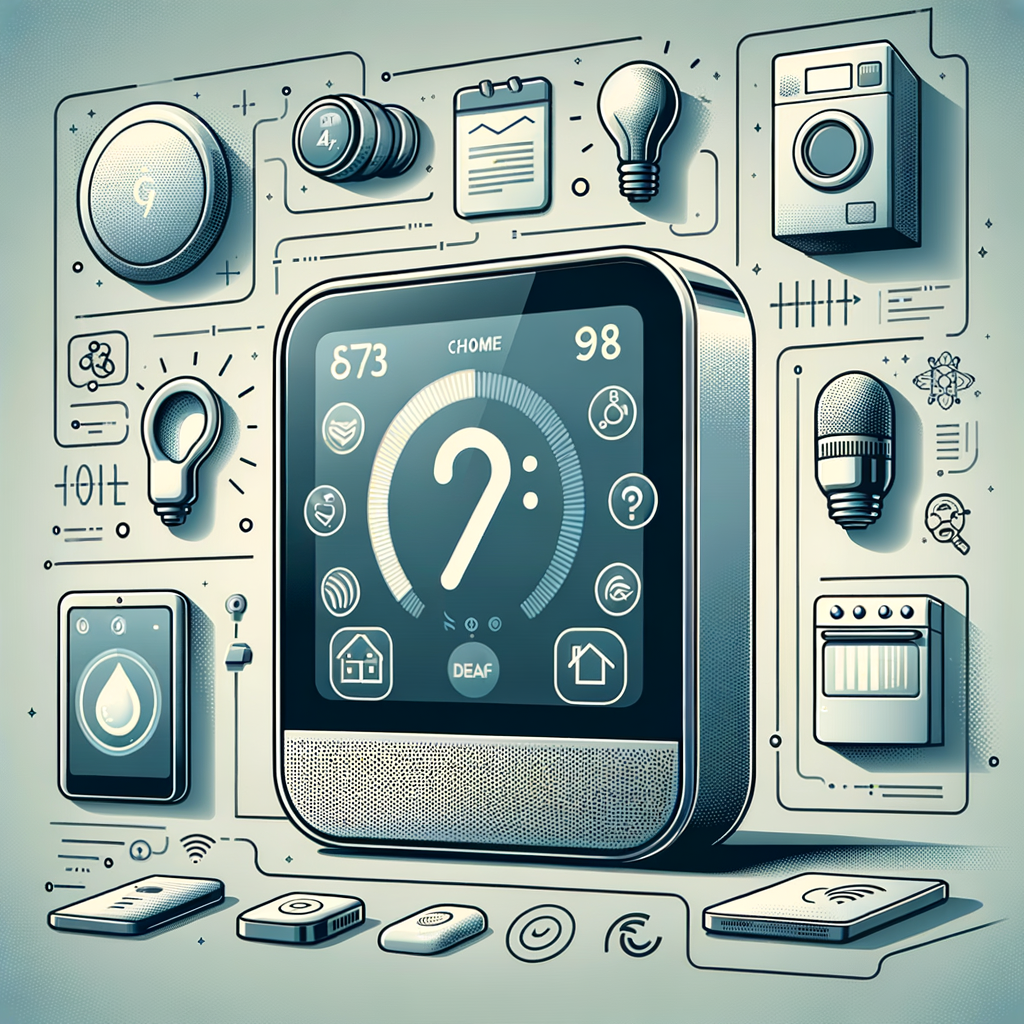
Technology continues to innovate at a rapid pace, making life more comfortable, efficient, and interconnected. Among these advancements, smart thermostats and appliances have gained significant popularity. Designed to optimize energy efficiency and provide greater control over home environments, they offer numerous benefits. However, a unique demographic that stands to benefit immensely from these innovations is the deaf community. In this introduction, we will explore how smart thermostats and appliances enhance the lives of deaf individuals, discussing their accessibility features and potential integration in daily routines. The deaf community often faces unique challenges regarding traditional home appliances, which primarily rely on auditory signals for user interaction. Innovations in smart technology now allow for more inclusive approaches that cater to the needs of individuals with hearing impairments. With features like visual alerts, app-based notifications, and voice recognition technology, these smart devices transcend conventional barriers, ensuring seamless communication and control for users. This empowers them to manage their environments with the same level of insight and ease as anyone else. As we delve into the body sections, we will examine in depth the specific features and technologies that make this possible. From the technical aspects to practical applications, we will uncover how such solutions revolutionize home living for the deaf community. We will also consider the autonomy and independence that these technologies afford deaf individuals as they navigate their homes daily. Furthermore, the article will touch upon the continuing advancements and future potential of these accessible technologies, highlighting the importance of inclusive design in consumer electronics. Ultimately, the goal is to provide a comprehensive view of how smart thermostats and appliances are tailored for, beneficial to, and valued by deaf users, while fostering a wider understanding of the significance of accessible technology.
Enhancements in Smart Thermostats for Deaf Users
Smart thermostats have revolutionized how people manage home temperatures. However, for the deaf community, these devices are more than just tools for comfort—they are essential elements of an inclusive home environment. Modern smart thermostats come equipped with features specifically designed to accommodate the needs of deaf users, ensuring that they are not left behind in the tech revolution. For example, instead of relying solely on audible alerts, these devices provide visual notifications, such as flashing lights or changing color displays on the thermostat itself. This visual cue system allows deaf individuals to receive important updates about their home environment without the need for sound. Additionally, smart thermostats can be integrated with smartphone applications that send notifications directly to a user’s mobile device. These app-based notifications can be configured to deliver alerts through vibrations, ensuring that important messages are conveyed promptly. These features collectively empower deaf users by removing reliance on audio signals and providing them with more control over their home settings.
Moreover, the integration of voice recognition features in smart thermostats has proven beneficial. Even though on the surface it seems that voice-activated functionalities might not directly cater to deaf users, these features can still be leveraged through sign language interfaces and other assistive technologies that convert sign languages into voice commands. Thus, smart thermostats can be controlled efficiently without needing verbal interaction, ensuring that users aren’t limited by their hearing capabilities. Another vital feature is the adaptability of smart thermostats to integrate with smart home systems like Amazon Alexa, Google Home, and Apple HomeKit. For deaf users, this connectivity means they can interact with their thermostat through centralized systems, allowing control from multiple devices and further enhancing accessibility. Integration with other smart appliances allows for the synchronization of various home systems, creating a seamless environment where, for instance, the lights could change color to signal a change in temperature.
Smart Appliance Innovations for Deaf Users
Beyond thermostats, a broad spectrum of smart appliances offers valuable accessibility features for deaf users. These devices, ranging from kitchen gadgets to home security systems, incorporate innovative solutions that make them user-friendly for those with hearing impairments. For instance, smart refrigerators now come equipped with digital screens and apps that not only manage grocery lists but also display visual alerts for completed tasks like brewing coffee or notifying users when the oven timer goes off. This visual integration means that deaf users can maintain schedules and manage tasks as efficiently as hearing individuals. Furthermore, many smart appliances are designed with tactile feedback systems. For example, when a washing machine cycle is complete, instead of simply emitting a beep, the accompanying application might vibrate the user’s phone or smartwatch. This adds another layer of inclusivity, ensuring that users won’t miss notifications even if they are out of sight of visual indicators.
Tactile and visual feedback is highly beneficial in areas where immediate attention is required, such as security systems. Smart security systems can offer multiple layers of communication, including flashing lights or color-coded signals to warrant immediate attention. Cameras can push alert notifications with video feeds to smart devices, allowing quick visual confirmation of security events. Thus, deaf users enjoy enhanced safety without compromise. Another key factor is the development of smart appliances that interface with video call systems. This functionality has been particularly crucial, as it allows deaf users to interact with service technicians or customer support directly from their appliances. For instance, a smart fridge could be equipped with a camera and screen that facilitates video communication, making it easier to address issues or receive guidance without needing to rely on audiovisual content that excludes closed captions or interpreters.
These innovative approaches highlight how smart appliances are becoming integral to everyday life for deaf users. They exemplify an inclusive design that thoughtfully considers the user’s unique needs and aspires to deliver functional benefits that streamline domestic chores. The transition to smart appliances not only benefits individual users but represents a broader commitment across technology-sector players to ensure products are accessible for everyone, regardless of physical abilities.
The Role of Automation and Personalization
Automation plays a critical role in ensuring that smart technologies are accessible and convenient for deaf users. Automating repetitive tasks can enhance the living experience while minimizing the potential for confusion or oversight. Smart systems can be programmed to perform specific tasks automatically at certain times or under predetermined conditions, such as adjusting the thermostat based on learned behavior patterns or activating security protocols when the user leaves home. Personalized settings further add to the value of smart devices for deaf users. Every individual’s preferences and needs can differ significantly, and smart appliances often allow for customization. This personalization might include setting up notifications and alerts specific to one’s typical movements or the unique layout of one’s home. Learning algorithms can remember and adjust appliances according to the user’s past behavior, thus decreasing the need to interact explicitly with those devices constantly.
Additionally, the rise of interconnectivity among different appliances augments smart home automation. When smart thermostats, appliances, and other devices communicate efficiently, they form a cohesive network that operates in harmony with the user’s lifestyle. For example, suppose the thermostat detects no one is home based on the smart lock’s status; it can adjust temperatures to save energy, which is particularly beneficial for budget-conscious users. This interconnectedness provides a seamless environment where all systems work collaboratively to meet the user’s needs. Importantly, real-time data analytics can also inform users of poor energy consumption, providing suggestions for optimizing the use of appliances. Smart appliances can notify users of maintenance schedules or mechanically necessary checks through various communication forms, such as messages or digital displays, which are inclusive and easily accessible.
Challenges and the Future of Smart Device Accessibility
While the advancements in smart thermostats and appliances offer exciting prospects, some challenges remain, particularly regarding the universal design and affordability of these technologies. Even though many devices today are equipped with accessibility features, not every brand or model meets these standards. Ensuring that such features are consistently available across different platforms and price points is essential for equitable access. Future development should be focused on integrating stronger AI and machine learning capabilities to understand and adapt to users’ needs even more intelligently. Further collaboration with the deaf community will enable developers to create even more sophisticated solutions that address nuanced user experiences. For producers, maintaining an open conversation with user groups can reveal insights that help in designing products that truly improve quality of life.
Additionally, the cost remains a barrier, as many advanced smart appliances still carry a premium price tag. While prices have been decreasing as technology becomes more popular, the gap in accessibility due to financial factors cannot be ignored. Encouragingly, initiatives aimed at subsidizing the cost for lower-income households or offering tax incentives for purchasing smart technologies are starting to emerge. Policy intervention may also help increase accessibility. Governments and manufacturers alike must prioritize inclusive design in technology to align with a global movement toward universal access. Education also plays a crucial role, ensuring that potential users understand how to fully utilize accessible features available in smart thermostats and appliances.
Conclusion
In conclusion, smart thermostats and appliances represent a major leap forward in creating an inclusive living environment for the deaf community. These technologies deliver outstanding value by adapting to the specific needs of deaf users, offering them greater control, autonomy, and safety within their homes. Whether it’s through visual alerts in thermostats or tactile feedback from appliances, these innovations demonstrate the importance and effectiveness of accessible design in modern devices. The integration of automation, personalization, and interconnectivity establishes a harmonious user experience, ensuring that these devices are not just accommodating but are proactively enhancing daily life for deaf individuals. As we look to the future, the commitment to accessibility in smart technology design continues to grow, promising even more refined solutions that meet the diverse needs of users worldwide.
However, the journey is far from complete. Overcoming hurdles like affordability and standardization remains crucial for these advancements to truly benefit everyone. Continued collaboration, education, and investment at all levels are paramount to driving forward usability for the deaf community. Smart devices have undoubtedly opened new opportunities for independence, and as these technologies evolve, so too will the landscape of accessible living improve. Through concerted efforts, smart thermostats and appliances can potentially provide an equal foundation for all, ensuring that the comforts and efficiencies they offer are distributed fairly and widely across all demographics.
Frequently Asked Questions
1. How Do Smart Thermostats and Appliances Benefit Deaf Users?
Smart thermostats and appliances offer a host of advantages for deaf users by providing accessibility features that cater to their specific needs. For starters, many of these devices integrate with smartphones and smart home systems, allowing users to receive alerts through vibrations or visual cues, rather than auditory signals. This is particularly beneficial when it comes to maintenance alerts or notifications for appliances like washing machines or ovens, where typically a beep might indicate the end of a cycle.
Additionally, smart thermostats can be controlled via user-friendly apps, enabling deaf users to easily adjust temperature settings from their smartphones or tablets without needing to interact with the device physically. Voice command integration paired with visual confirmation also ensures that deaf users can use voice assistants like Alexa or Google Assistant effortlessly. These technologies make daily interactions more streamlined and adaptive to the needs of the deaf community.
2. What Features Should Deaf Users Look for in Smart Thermostats?
When selecting smart thermostats, deaf users should prioritize features that enhance accessibility and ease of use. One key feature is app integration, which allows for remote control and notifications on smartphones. Apps that support text or email notifications are ideal as they offer non-auditory alerts for any issues or required actions.
Another valuable feature is the compatibility with smart home ecosystems – enabling users to synchronize their thermostat with other smart devices for an interconnected experience. Look for devices that provide digital displays with clear visual information and options to customize settings. Additionally, consider thermostats that can be paired with voice assistant technologies, providing visual feedback for voice commands for added convenience.
3. Which Smart Appliances Are Most Useful for Deaf Individuals?
Several smart appliances are particularly beneficial for deaf individuals due to their advanced accessibility features. Smart refrigerators, for instance, often come equipped with Wi-Fi connectivity and touch screens that can display key information like shopping lists or recipe suggestions, reducing the need for auditory notifications.
Smart ovens and microwaves frequently offer app control and visual alerts, making it easier to monitor cooking times and temperature settings without relying on sound. Smart washing machines and dryers also send notifications to smartphones or tablets when a cycle is complete. As these appliances can be monitored and controlled remotely, they offer greater independence and communication options for deaf users.
4. How Do Smart Appliances Enhance Safety for Deaf Users?
Smart appliances significantly enhance safety for deaf users by providing alternative alerts and notifications. Take, for example, smart smoke detectors that can send alerts directly to the user’s smartphone, ensuring vital notifications are never missed, even if the alarm is inaudible.
Furthermore, smart ovens prevent hazards by allowing users to receive alerts if the oven is left on inadvertently. Similarly, cooking appliances can send notifications if they detect an issue, such as unusual fluctuations in temperature. All these features help to prevent accidents and provide peace of mind for deaf users by ensuring they are always informed through visual or tactile alerts.
5. Are Smart Thermostats and Appliances Easy for Deaf Individuals to Install and Set Up?
For the most part, smart thermostats and appliances are designed with user-friendliness in mind, making them relatively easy for deaf individuals to install and set up. Most devices come with step-by-step instructions either in print, online, or through a companion app, providing clear guidance on installation and activation.
Many manufacturers also offer tutorial videos that can be helpful for visual learners. Additionally, these devices often feature intuitive interfaces that simplify the process of connecting to home networks and configuring settings. Nonetheless, for those who prefer additional assistance, professional installation services are frequently available, ensuring a smooth setup that is tailored to the user’s specific needs and preferences.