
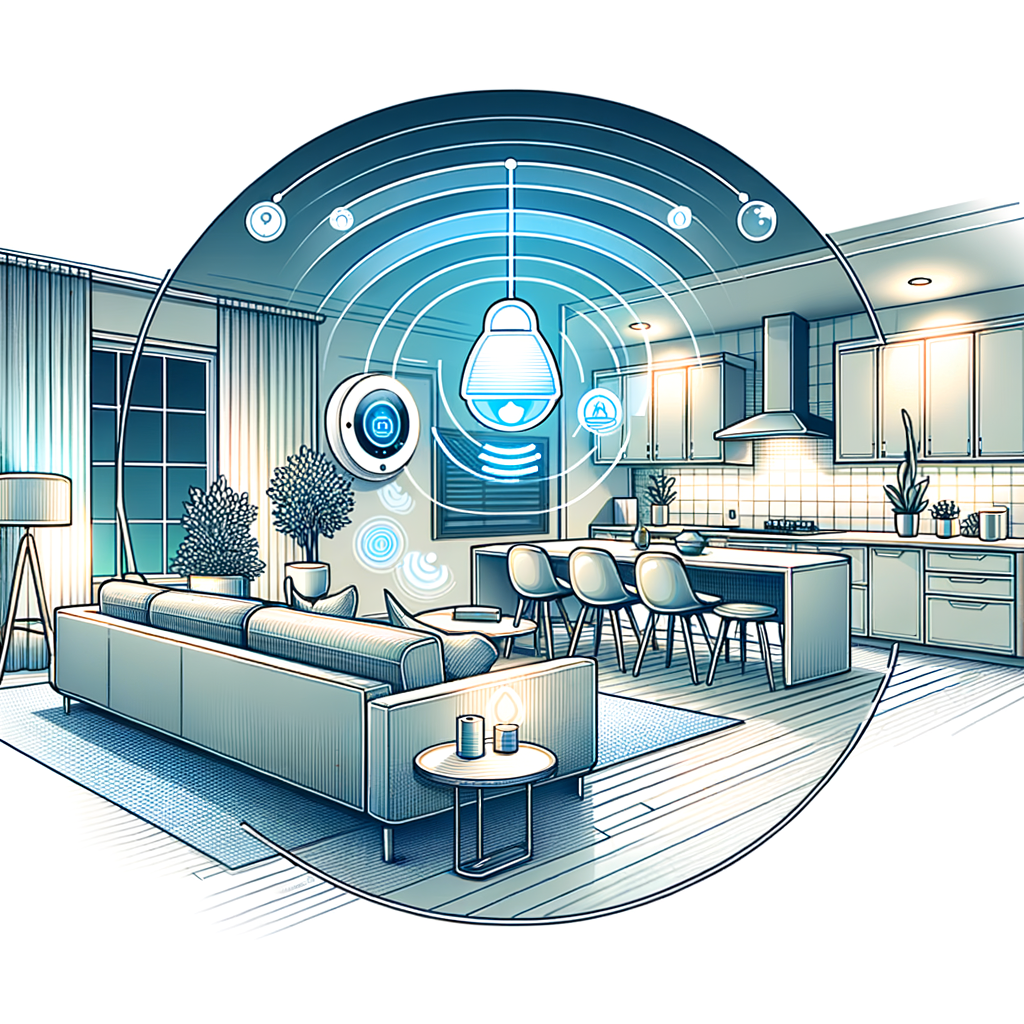
Smart lighting systems have progressively become integral to modern homes, primarily due to their ability to enhance convenience, security, and energy efficiency. However, their role extends beyond ambiance and illumination to include offering visual alerts, an innovative feature with practical applications in various household contexts. Visual alerts can serve multiple purposes, from notifying you of incoming phone calls and messages when your phone is silent, to signaling specific household alerts or even enhancing security features. This comprehensive exploration delves into the intricacies of smart lighting systems configured to provide visual alerts at home. Understanding how these smart systems work, their benefits, and how they can be harnessed to seamlessly integrate into daily routines is imperative for homeowners considering upgrading their residential setups.
At the heart of these intelligent lighting solutions lies sophisticated technologies capable of transforming simple light bulbs into dynamic components of an interconnected system. This transformation allows unprecedented control and customization, making tasks both practical and engaging. Visual alerts, which are often customizable, enable users to set specific lights to indicate specific alerts. Whether you need to know when someone is ringing the doorbell, the washing machine has finished its cycle, or an emergency arises, smart lighting serves as an intuitive, silent communicator within your space.
The intricate balance of technology and practical design makes these systems more than mere gadgets. They become an essential part of home automation, offering users not only the ability to set schedules and manipulate lighting conditions but also to establish a responsive environment that reacts to various cues and inputs. We will explore how these systems are organized, what components are crucial for effective functioning, and the potential challenges consumers might face. Moreover, gaining insight into the market offerings—covering devices, integration options, potential for customization, and budget considerations—will empower homeowners to make informed decisions regarding adopting and utilizing smart lighting for visual alerts.
Introduction
Visual alerts in smart lighting systems offer pragmatic solutions to daily interruptions, enhancing situational awareness while retaining household tranquility. At their core, these systems leverage color-coding, flashing sequences, and specific lighting cues to communicate messages or warnings. Let’s examine how these fascinating applications are structured and managed to create a smoother home experience.
Understanding Smart Lighting Systems
Smart lighting systems typically employ a combination of hardware and software to function effectively. Hardware includes smart bulbs, lighting strips, motion sensors, and central hubs that facilitate communication between disparate devices. These components work in unison under the skilled manipulation of applications and control systems that reside on smartphones, tablets, or dedicated control panels.
Integration is key to maximizing the value of smart lighting systems. Users can connect their lighting systems to various smart speakers and virtual assistants such as Google Assistant, Amazon Alexa, or Apple HomeKit. By doing so, they gain the ability to control their systems via voice commands, further enhancing their convenience and accessibility. This interoperability ensures the system remains flexible, evolving alongside technological advances and personal needs.
Setting Up Visual Alerts
To effectively leverage visual alerts within smart lighting systems, users must invest time in initial setup and gradual customization. First, identify the scenarios where visual cues would be beneficial—such as receiving alerts for phone calls in a noisy room or setting off a light pattern for urgent notifications. Devices often come with companion applications that permit users to tailor these alerts with a considerable degree of granularity.
Consumers should ensure compatibility between their smart lighting devices and the applications or systems they wish to integrate with. Fortunately, companies are expanding support for different platforms—allowing devices from various manufacturers to communicate and function harmoniously. During this setup phase, users establish basic commands and rules: which lights and what type of alerts should be activated under certain conditions. Rule setting and management are vital parts of making these visual alerts as effective and purposeful as possible.
Benefits of Visual Alerts
The introduction of visual alerts through smart lighting technology brings with it myriad benefits that enhance both safety and comfort. Primarily, visual alerts minimize noise disturbances by providing a silent alternative to audible alarms. This is ideal for families with different schedules or individuals with noise sensitivity. Moreover, it assists in ensuring prompt attention to important notifications without the disruption of conventional sounds.
Safety is greatly augmented in environments where quick, clear communication of a status or warning is crucial. For instance, diabetics who rely on glucose monitors might receive a pre-configured lighting alert to signal a concerning readout, thereby preventing situations from escalating unnoticed. This ability to discern alerts at a glance enhances the home’s safety protocol, providing immediate visual confirmation of conditions needing attention.
Another notable advantage is the unique customization potential. These systems allow for nuanced control over the colors, patterns, and brightness levels of different rooms or areas based on user preferences or necessity. Thus, individuals can create a personalized atmosphere based on their unique requirements, turning their houses into smart environments that cater to their specific lifestyle needs.
Challenges and Considerations
Despite the extensive benefits, consumers should deliberate certain challenges before embracing smart lighting for visual alerts. Cost is an essential factor—smart lighting components can be expensive, especially for comprehensive systems involving numerous devices. Prospective users should budget carefully, evaluating both initial purchases and potential future expenses for repairs or upgrades.
Privacy and security also require emphasis. Being a connected system, smart lighting transitions into the realm of the Internet of Things (IoT), which can introduce vulnerabilities. Information shared among devices must remain secure to prevent breaches. It’s advisable for consumers to utilize robust security configurations and ensure their networks are adequately protected against unauthorized access.
Technical complexity can pose another barrier, particularly for individuals unaccustomed to integrating multiple technologies. This may require learning curves or necessitate professional installation and support services, which might incur additional costs. Additionally, durability and reliability are worth considering. As technology evolves, older systems might experience compatibility issues with newly released devices or software updates, potentially resulting in obsolescence or malfunction.
Moreover, a well-devised system necessitates routine maintenance and updates to operate effectively. Users should allocate time to reassess settings every so often to respond to changing circumstances or updated technological capabilities.
Market Variability and Trends
The smart lighting market is diverse, constantly driven forward by innovation and user feedback. Providers such as Philips, LIFX, and Wyze offer myriad solutions ranging from simple smart bulbs to advanced systems with expansive customization capabilities. Advances in artificial intelligence and machine learning continually push the boundaries of what these systems can achieve, allowing new features that offer increased efficiency and sophistication.
Interest is gradually shifting towards seamless integration with other smart home components, turning lighting systems from standalone products into integral parts of a broader ecosystem. This evolution is spurred by consumer demand for holistic smart home environments, featuring seamless interaction across various devices, from HVAC systems to smart locks.
Conclusion
Smart lighting systems capable of offering visual alerts represent a significant milestone in home automation technology, turning traditional lighting into dynamic and interactive entities within the home ecosystem. By providing solutions to diverse needs, from increasing home security to integrating multiple technological systems seamlessly, these systems improve on basic lighting to create safe, comfortable environments that adapt to and anticipate users’ schedules and requirements.
To fully realize the potential of these systems, consumers must navigate the array of options available and invest in customization that serves their specific needs. Successfully implementing such systems entails recognizing both the benefits and the challenges, ensuring informed decisions align with expectations and practical usage scenarios. As technology evolves, the prospects for innovation in this realm seem boundless, promising even more integrated and intuitive solutions that will continue to enhance residential living spaces.
Ultimately, with the broad spectrum of capabilities offered by smart lighting systems—aided by artificial intelligence, IoT, and increasing interoperability—homeowners have the opportunity to personalize their environments like never before. This transformation not only augments technological interconnectivity but also serves to improve everyday living experiences, creating homes that are not just smart but also thoughtfully in tune with the unique dynamics of modern life.
“`htmlFrequently Asked Questions
1. How do smart lighting systems provide visual alerts at home?
Smart lighting systems are equipped with advanced technology that allows them to do much more than just illuminate a room. These systems can connect with various smart devices, like your smartphone or smart home assistant, to offer visual alerts. For instance, when paired with your phone, smart lights can flash or change colors to signal an incoming call or text message when your phone is set to silent. This is particularly useful in quiet environments, or when you don’t want to disturb the peace but still want to stay connected.
Additionally, smart lights can integrate with other home management systems to provide alerts for different activities or situations, such as someone ringing your doorbell, a door being opened, or even baby monitors. They can also flash to signal alarms, like smoke or carbon monoxide detectors, adding an extra layer of safety by visually alerting you to potential hazards even if you’re not within earshot of the traditional alarm.
2. What are the benefits of using smart lights for visual alerts compared to traditional alert systems?
Smart lighting systems have a distinct advantage over traditional alert systems mainly due to their versatility and integration capabilities. Firstly, they are non-intrusive; unlike loud alarms that can be disruptive, visual alerts offer a more subtle cue for notifications, which is especially ideal for night-time alerts or during meetings at home.
Moreover, smart lights can cater to individuals with hearing impairments by providing visible cues instead of relying solely on sound-based alerts. Their ability to change colors and intensities also means they can convey different types of information – for example, blue lights for calls and red for alarms. This level of personalization is typically unattainable with most conventional alert systems.
Furthermore, smart lighting systems contribute to the overall energy efficiency of a household by functioning only when necessary – they consume minimal energy compared to traditional lighting or alert devices that need to be constantly powered or activated.
3. Can smart lighting systems be customized for different types of alerts?
Yes, one of the greatest advantages of smart lighting systems is their customizable nature. Most smart lighting solutions allow users to set specific colors, brightness levels, and blinking patterns for different types of alerts. This means you can have different visual cues for different things; for example, flashing blue for a phone call, pulsating green for a new message, or a flashing red alert in case of a smoke detector going off.
Customizing these alerts is usually done through an accompanying mobile app or smart home hub, which provides an intuitive interface where users can easily set their preferences. Some systems even offer automation features that use your routines and behavior patterns to suggest or automatically adjust settings to meet your needs, making the experience both seamless and personalized.
4. How can smart lighting systems be integrated into existing home setups?
Integrating smart lighting systems into an existing home setup is generally a smooth process, thanks to the compatibility of most devices with current home technology ecosystems. Many smart lighting solutions are designed to be plug-and-play, meaning they can replace existing bulbs or fixtures without requiring significant modifications to the household wiring or infrastructure.
To integrate smart lighting with home devices or systems, such as smart speakers like Amazon Alexa, Google Home, or Apple HomeKit, most installations start by setting up a central hub or utilizing Wi-Fi direct connections that allow the smart lights to connect to the home network. From there, you can use a corresponding app to start linking the lights to other devices and set your desired interactions and notifications.
For those concerned about compatibility, many manufacturers offer lists of compatible systems, ensuring that consumers can make informed decisions based on the existing technology in their homes. The integration process typically includes guidance from the app or customer support to assist with any issues, ensuring that anyone can comfortably install and configure their smart lighting systems to accommodate visual alerts and more.
5. Are there any potential drawbacks to using smart lighting for visual alerts?
While smart lighting systems offer numerous benefits, there are potential drawbacks to be mindful of. One issue might be the initial cost of purchasing and setting up the system, as smart lights and accompanying hardware may be more expensive than traditional lighting options. However, the long-term energy savings and added functionality often balance out the initial investment over time.
Additionally, like any technology reliant on Wi-Fi, connectivity can be a problem. If your home network is unstable, it could affect the reliability of the alerts. Moreover, power outages might temporarily limit the effectiveness of your smart lighting system, though many modern devices have battery backups or settings to resume normal function once power is restored.
Privacy is another consideration, as integrating smart lighting with your home network and devices means there is potential for data collection. It’s essential to understand the privacy policies of the companies that produce these smart systems and ensure all digital security measures, such as firmware updates and password protections, are diligently maintained.
Despite these considerations, the benefits generally outweigh the drawbacks for most users, making smart lighting systems a practical and versatile addition to a modern home.
“`