
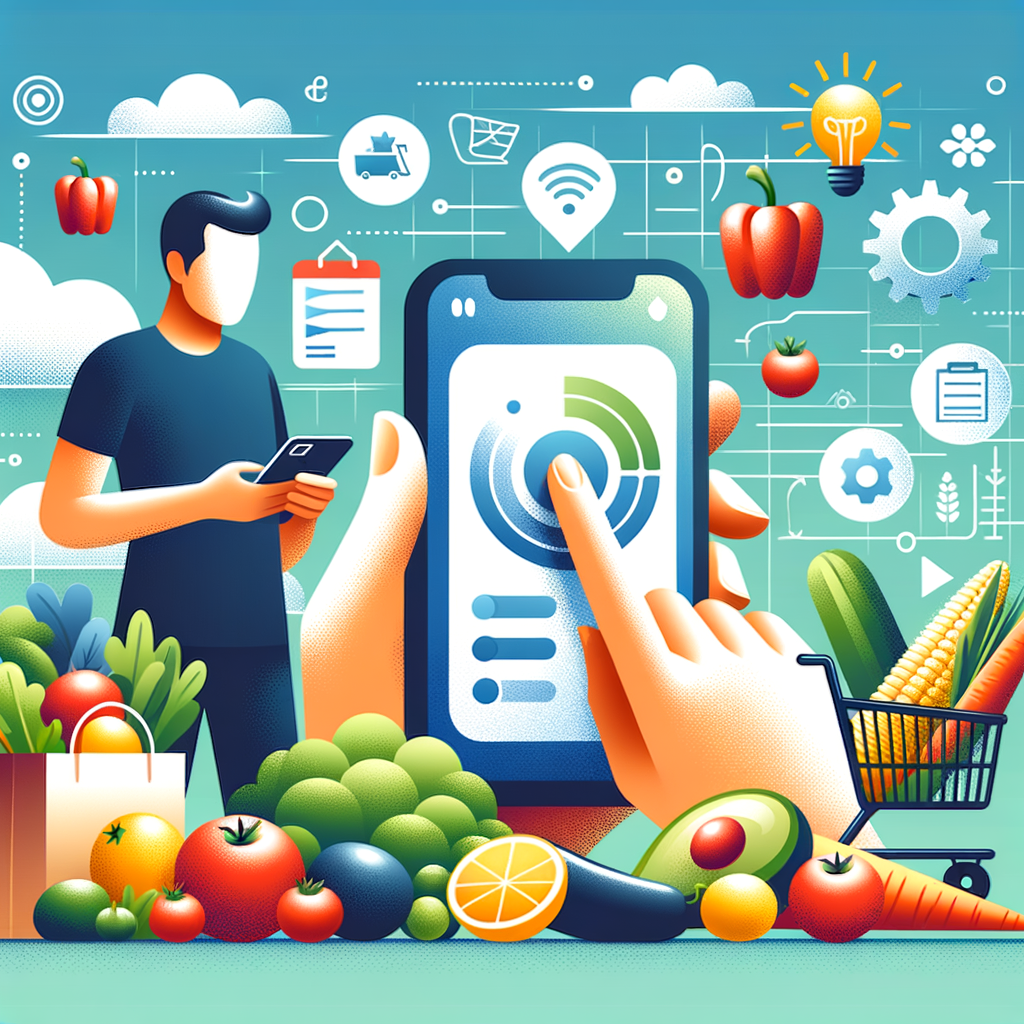
With the fast-paced evolution of digital technology, shopping for groceries has transcended the traditional realm. Consumers today have access to a plethora of applications aimed at enhancing their shopping experience. One significant benefit offered by these apps is the ability to assist individuals in making healthier food choices. For the deaf and hard-of-hearing community, these apps serve not only as a bridge to nutritional information but also an empowering tool to lead healthier lives. As they provide instant access to product data, these apps can transform one’s shopping habits by offering critical information in real-time. This can be crucial for individuals who rely on visual cues more than audio information. In this article, we will delve into how technology empowers consumers to make informed health-conscious decisions at the grocery store through the use of smartphone apps, ensuring that every choice contributes positively to their nutrition and lifestyle.
Understanding the Role of Shopping Apps
Shopping apps function as digital assistants, providing a plethora of features designed to enhance and streamline the grocery shopping experience. These apps employ smart technologies such as barcode scanners, personalized shopping lists, and real-time nutritional information. They are not mere convenience tools but educational platforms that actively contribute to better health outcomes by guiding users to nutritious options.
For the deaf community, these apps can be configured to ensure that information is easily accessible and understandable through visual interfaces. Apps that offer visual alerts, clear text descriptions, and easy-to-read nutritional labels are particularly useful. Such customization ensures every user has equal access to essential information that helps them make healthy food choices, fostering inclusivity and independence.
Key Features of Health-Focused Shopping Apps
The main features of these smart shopping applications include nutrition scanners, ingredient analyses, and dietary preference filters. Scanning a product’s barcode can instantly reveal the nutritional content, making it easier for consumers to check if it meets their dietary needs. Some apps go a step further by analyzing ingredient lists for allergens or unwanted additives, providing detailed reports on what each product contains. This level of detailed information is helpful for individuals adhering to specific diets or managing food allergies, translating complex nutritional content into straightforward visual data, which is crucial for those who rely primarily on sight over sound.
Additionally, apps designed to promote healthy lifestyles often integrate filters that align with users’ dietary preferences, whether they are vegan, gluten-free, or low-carb. By inputting dietary constraints, these apps automatically suggest products that cater to the individual’s nutritional profile, ensuring that health-conscious decisions are at the forefront of the shopping experience.
Shopping Apps: A Game Changer for Nutritious Living
The integration of technology can play a pivotal role in nutritional education and awareness. Users can input their health goals or restrictions, allowing the app to tailor suggestions and reminders specifically catered to their needs. For example, when selecting a cereal bar, a user can quickly assess sugar content, calories, and the overall healthiness using the app’s in-depth analysis tools. This shift towards data-driven decision-making can significantly enhance one’s ability to maintain a balanced diet, especially for the deaf community who benefit from visually driven platforms.
Moreover, many shopping apps provide additional features, such as dietician consultations, which enhance consumer experiences by offering expert guidance. Dieticians can provide tailored advice based on data from the shopping habits recorded by the apps, making it an innovative tool for ongoing dietary support and planning. This interaction between consumer and expert is especially beneficial for those striving for a specific health goal.
Community and Social Media Integration
Another powerful feature of modern shopping apps is their integration into social platforms and community forums. Apps that offer such features allow users to share experiences, tips, and product reviews, fostering a community of health-conscious consumers. This can be particularly encouraging for members of the deaf community since it creates an accessible avenue for sharing tailored advice and personal nutrition journeys visually and collectively.
For instance, someone could post a review of a gluten-free pasta brand, including images and quick reviews, enabling others to make informed choices without needing verbal descriptions. Knowledge exchange platforms and community-driven insights powered by these applications build a supportive environment where everyone’s voice and experiences contribute to broader communal knowledge, enhancing the journey to healthier living.
Boosting Confidence and Independence
Visiting a grocery store can be a daunting experience for anyone, especially when navigating complex nutritional information. However, with shopping apps, users gain the confidence to independently make decisions that best suit their health needs. For the deaf and hard-of-hearing community, the reliance on visually based apps lessens the challenges and barriers often encountered in traditional shopping environments, where product information dissemination often depends on auditory signals.
Knowing that these apps provide reliable, real-time nutritional data and health guidelines boosts shopper confidence and independence. It empowers consumers to make informed choices that positively impact their health and well-being without needing to consult an in-store assistant or decipher complicated signage, thus fostering a positive shopping experience.
Conclusion
The rise of smart shopping apps is not only revolutionizing grocery shopping by integrating accessibility but fundamentally changing the way consumers engage with their dietary habits and nutritional needs. These apps are incredibly beneficial for the deaf community, offering visual-based solutions and interfaces that prioritize easy access to health information. By equipping individuals with the tools necessary to decode and understand nutritional content, these applications play an essential role in promoting healthier living. As the use of these apps becomes more widespread, their impact on fostering inclusive, informed, and independently healthy shopping experiences continues to grow. Ensuring equal access to nutritional insights and fostering community support are key steps toward achieving a holistic improvement in public health and nutricultural understanding.
In embracing these technologies, the focus remains on leveraging digital information to make beneficial dietary decisions, thus setting a foundation for a healthier, more aware society. By continuously evolving these platforms to better serve all consumers, including those with hearing impairments, the benefits of smart shopping apps promise a future where choosing health over convenience becomes the norm. With continued innovation and inclusivity, these apps are poised to transform the grocery shopping experience, one informed choice at a time.
Frequently Asked Questions
1. What are some popular apps that help identify healthy food choices?
In today’s tech-savvy world, there are numerous apps designed to help consumers make healthier food choices. Some of the most popular ones include MyFitnessPal, Fooducate, Yuka, and Shopwell. MyFitnessPal offers extensive nutritional information and tracks your daily food intake, allowing for a comprehensive view of your dietary habits. Fooducate grades products on their nutritional value and offers healthier alternatives. Yuka provides detailed food analyses by scanning barcodes and helps identify additives or unhealthy ingredients. Shopwell personalizes your shopping experience by recommending products based on dietary goals. Each app provides unique features tailored to diverse needs, but all aim to promote healthier eating habits by demystifying food labels and nutritional information.
2. How do these apps determine what is considered ‘healthy’?
Each app uses different metrics and methodologies to determine what is considered ‘healthy’. Most apps rely on analyzing nutrition labels to calculate the levels of fats, sugars, calories, and other nutrients. Algorithms then assess how these factors line up with health guidelines provided by institutions like the USDA or the World Health Organization. For example, Fooducate does more than just count calories; it also assesses the ingredient list for controversial additives and artificial substances. Apps like Yuka even look at the impact of food on overall health, factoring in elements like preservatives and additives that could affect long-term health. These determinations are presented in user-friendly formats, often with grades or scores that simplify complex nutritional data into understandable insights.
3. Can these apps accommodate specific dietary needs or restrictions?
Absolutely! Many of these apps include customizable features that cater to various dietary restrictions and preferences. For instance, Shopwell allows users to set dietary goals and restrictions to filter out products with allergens such as gluten, lactose, or nuts. Users can also specify their dietary lifestyle, like vegetarian, vegan, or keto, and receive tailored recommendations. MyFitnessPal also includes a vast database of foods and exercises, offering specific customization features like setting macronutrient goals for those following specific diets. The inclusivity of dietary needs means these apps can be a game-changer for individuals with strict or special dietary requirements, enabling them to make informed choices easily and confidently.
4. How reliable is the information provided by these apps?
The reliability of the information offered by smart shopping apps largely depends on their sources, their databases, and the algorithms they employ. Most leading apps like MyFitnessPal and Fooducate source their data from reputable food databases, manufacturers, and health organizations. They continuously update their systems to reflect new research and changes in health guidelines. However, users should remember that while these apps provide substantially useful information, they may not be 100% accurate due to potential data entry errors or outdated information. It’s recommended to use these apps as a supplement to, rather than a complete replacement for, independent research or professional dietary advice. Always cross-reference with official nutrition labels and consult healthcare providers for personalized nutritional advice.
5. How do these apps empower the deaf and hard-of-hearing community specifically?
For the deaf and hard-of-hearing community, smart shopping apps serve as invaluable tools for accessing nutritional information that they may otherwise find challenging to obtain. Many apps come equipped with visual-friendly interfaces, barcode scanning, and intuitive graphical data, making it easier for users to digest product information without auditory input. Features such as text-based recommendations and descriptions provide seamless access to the same nutritional guidance available to others. As digital tools bridge the gap in communication, they also empower individuals with hearing disabilities to independently manage their health and make conscious choices aligned with their dietary needs and preferences.