

American Sign Language (ASL) is a unique and rich language used by the Deaf community in the United States and parts of Canada. Its significance extends beyond mere communication, as it represents a deep cultural heritage and a critical means of self-expression. With the advent of digital technology and the internet, learning ASL has become more accessible than ever. Whether you’re a beginner looking to get started or an advanced learner aiming to refine your skills, there’s a wealth of resources available online to support your journey. In this article, we’ll guide you through some of the best platforms and tools available for learning ASL online, making it easier for you to find the resources that best suit your needs.
For those new to the world of Deaf education, the journey begins with understanding that ASL is not just a series of hand gestures. It is a complex, visually-based language with its own grammar and syntax. Furthermore, ASL is deeply intertwined with the cultural identity of Deaf individuals, making it essential to learn about the community and its norms as you progress in your studies. Thanks to the internet, numerous educational resources, interactive tools, and community platforms have been developed to help learners immerse themselves in the language and culture.
The beauty of learning ASL online is the flexibility it offers. You can set your own pace and schedule, choose materials that resonate with you, and even connect with other learners and Deaf individuals from around the world. No matter where you are in your ASL journey, the online world provides a space for growth, connection, and cultural appreciation. Let’s explore some of the best resources and platforms available for learning ASL online.
Online ASL Courses for Beginners
If you’re just starting out with ASL, finding the right resources can seem daunting. Thankfully, many online courses are designed specifically for beginners, providing a structured and comprehensive introduction to the language. These courses often include video lessons, interactive activities, and quizzes to test your understanding.
One highly recommended platform is Start ASL https://www.startasl.com. This website offers a free online ASL course that covers everything from basic signs to more complex sentence structures. The lessons are easy to follow, with clear video demonstrations and accompanying text explanations. Start ASL also includes practice exercises and community forums where you can ask questions and connect with other learners.
Another excellent option is Gallaudet University’s Online ASL Courses https://www.gallaudet.edu/online-courses/. As the world’s only university designed specifically for Deaf students, Gallaudet offers top-notch ASL instruction. Their online courses are taught by experienced Deaf instructors and provide a thorough grounding in ASL, covering both linguistic and cultural aspects of the language.
For a more interactive experience, consider Sign It ASL https://www.signitasl.com. This platform offers a series of engaging video lessons featuring Deaf actors and signers. Each lesson includes practice opportunities, quizzes, and downloadable resources. Sign It ASL is a fantastic way to learn the language in an enjoyable and immersive way.
Advanced ASL Learning Platforms
For those who already have a basic understanding of ASL and are looking to advance their skills, several platforms offer more complex and specialized content. Advanced learners often benefit from immersive experiences, exposure to native signers, and courses that delve into the intricacies of ASL grammar and storytelling.
One such resource is ASL Deafined https://www.asldeafined.com. This subscription-based service offers an extensive library of ASL videos categorized by skill level and topic. With over 20,000 videos available, learners can deepen their knowledge in areas such as classifiers, fingerspelling, and Deaf culture. The service also includes personalized feedback, making it a valuable tool for advancing your ASL skills.
Another advanced resource is HandSpeak https://www.handspeak.com. This platform provides a wealth of information, including a comprehensive ASL dictionary, detailed grammatical explanations, and cultural notes. It also offers video tutorials and storytelling sessions that showcase the beauty and complexity of ASL in action. HandSpeak is an excellent resource for learners who want to go beyond basic communication and truly master the language.
For those interested in academic and professional ASL, Lifeprint ASL University https://www.lifeprint.com/asl101/ offers courses aimed at developing skills for interpreting, teaching, and working in Deaf communities. These courses are taught by Dr. Bill Vicars, a well-respected ASL educator, and provide a thorough and rigorous approach to ASL learning.
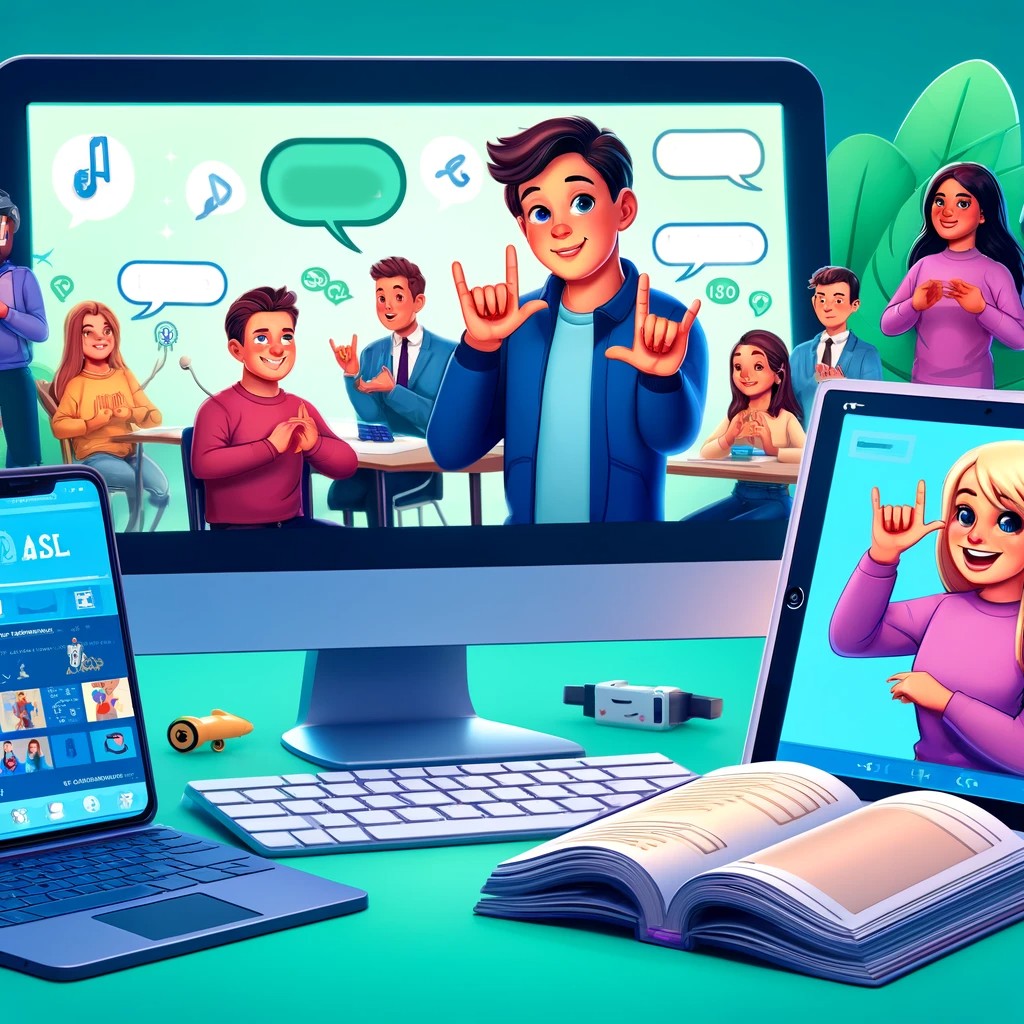
Interactive Tools and Apps for ASL Learning
In addition to structured courses, numerous interactive tools and mobile apps can enhance your ASL learning experience. These tools are particularly useful for practice on the go and for reinforcing what you’ve learned in more formal settings.
One popular app is SignSchool https://www.signschool.com. This free app offers a wide range of learning tools, including daily sign features, themed vocabulary lists, and interactive games. SignSchool’s immersive environment encourages consistent practice and helps learners retain new signs more effectively.
Another great tool is The ASL App https://www.theaslapp.com. Created by Deaf individuals, this app provides a vibrant and authentic ASL learning experience. It includes video lessons, quizzes, and a “Slow Motion” feature that allows you to see signs in detail. The ASL App is perfect for visual learners seeking to improve their signing skills.
For those looking for community interaction, ASL Community on Facebook https://www.facebook.com/groups/aslcommunity offers a space to connect with other learners and Deaf individuals. Here, you can ask questions, share resources, and participate in live signing sessions. Being part of an active learning community can provide motivation and a sense of belonging as you progress in your studies.
Video Resources and Social Media Channels
Visual learning is a critical component of mastering ASL, and video resources play a significant role in this process. Thankfully, several YouTube channels and social media profiles are dedicated to ASL education, offering a variety of lessons, vlogs, and storytelling content.
One well-known YouTube channel is Dr. Bill Vicars’ ASL University https://www.youtube.com/user/billvicars. With a vast library of video lessons covering all skill levels, this channel is a treasure trove for ASL learners. Dr. Vicars’ clear and engaging teaching style makes complex concepts easy to understand, and his videos often include cultural insights and real-life signing examples.
Another excellent resource is The Daily Moth https://www.youtube.com/user/DailyMoth, a news channel presented in ASL. Watching news and current events in ASL can significantly improve your comprehension and expose you to the nuances of conversational signing. The Daily Moth is also a great way to stay informed about issues relevant to the Deaf community.
For short and engaging content, consider following influencers like @signingtimmy https://www.instagram.com/signingtimmy on Instagram and JoJo Siwa https://www.tiktok.com/@itsjojosiwa on TikTok. These social media profiles feature a variety of ASL content, from language lessons to daily life vlogs, providing both education and entertainment.
ASL Dictionaries and Reference Tools
Having a reliable ASL dictionary at your fingertips is crucial for quick reference and vocabulary building. Several online dictionaries and reference tools offer comprehensive and user-friendly resources for both beginners and advanced learners.
One widely used resource is the Lifeprint ASL Dictionary https://www.lifeprint.com/asl101/pages-layout/signs.htm. This dictionary contains thousands of signs, with video demonstrations and detailed descriptions for each entry. It’s an invaluable tool for looking up new signs and understanding their usage in context.
Another excellent dictionary is HandSpeak’s Sign Language Dictionary https://www.handspeak.com/word/. This resource offers a vast array of signs, including regional variations and idiomatic expressions. HandSpeak also provides cultural notes and example sentences, making it a comprehensive reference for serious learners.
For mobile accessibility, Sign Language Dictionary by ProSign https://play.google.com/store/apps/details?id=com.signlanguage.learn is a highly-rated app that offers a robust database of ASL signs. With its user-friendly interface and search functionality, this app is perfect for quickly finding signs on the go.
Engaging with the Deaf Community
One of the most enriching aspects of learning ASL is the opportunity to engage with the Deaf community. Immersing yourself in Deaf culture and interacting with native signers can significantly enhance your learning experience and provide a deeper understanding of the language.
Many Deaf organizations and clubs host virtual events, workshops, and social gatherings that welcome ASL learners. Websites like Eventbrite https://www.eventbrite.com often list online events where you can practice your signing skills and network with Deaf individuals. Additionally, platforms like Meetup https://www.meetup.com offer local ASL groups that organize online and in-person meetups.
Volunteering with Deaf organizations is another great way to immerse yourself in the community. Many nonprofits, such as Deaf Children and Families https://deafchildren.org and National Association of the Deaf (NAD) https://nad.org, welcome volunteers for various roles. This involvement not only improves your ASL proficiency but also supports important causes within the community.
Finally, consider participating in online discussion forums and social media groups dedicated to ASL and Deaf culture. Websites like Slack https://slack.com and Reddit https://www.reddit.com/r/asl/ host active communities where you can ask questions, share experiences, and connect with both learners and native signers. Engaging in these conversations can provide valuable insights and foster a sense of community throughout your ASL journey.
Conclusion
Learning ASL online offers an incredible opportunity to access a diverse range of resources, connect with a global community of learners, and immerse yourself in the rich culture of the Deaf community. Whether you’re a beginner or an advanced learner, the tools and platforms discussed in this article provide valuable support at every stage of your ASL journey. From structured courses and advanced learning platforms to interactive apps and community engagement, there’s something for everyone.
Beginner learners can start their journey with platforms like Start ASL, Gallaudet University, and Sign It ASL, which provide a solid foundation in the language. Advanced learners can deepen their skills with resources such as ASL Deafined, HandSpeak, and Lifeprint ASL University, which offer specialized content and immersive experiences. Alongside these courses, interactive tools and apps like SignSchool and The ASL App provide additional practice and reinforce learning on the go.
Video resources and social media channels further enrich the learning experience by showcasing ASL in action, while dictionaries and reference tools offer essential support for vocabulary building. Finally, engaging with the Deaf community through events, volunteering, and online forums enhances cultural understanding and provides invaluable practice opportunities.
As you embark on or continue your ASL learning journey, remember that patience and consistency are key. Embrace the resources available to you, immerse yourself in the language, and connect with the community. Your efforts will not only enhance your communication skills but also open the door to meaningful relationships and a deeper appreciation for Deaf culture. Happy signing!