
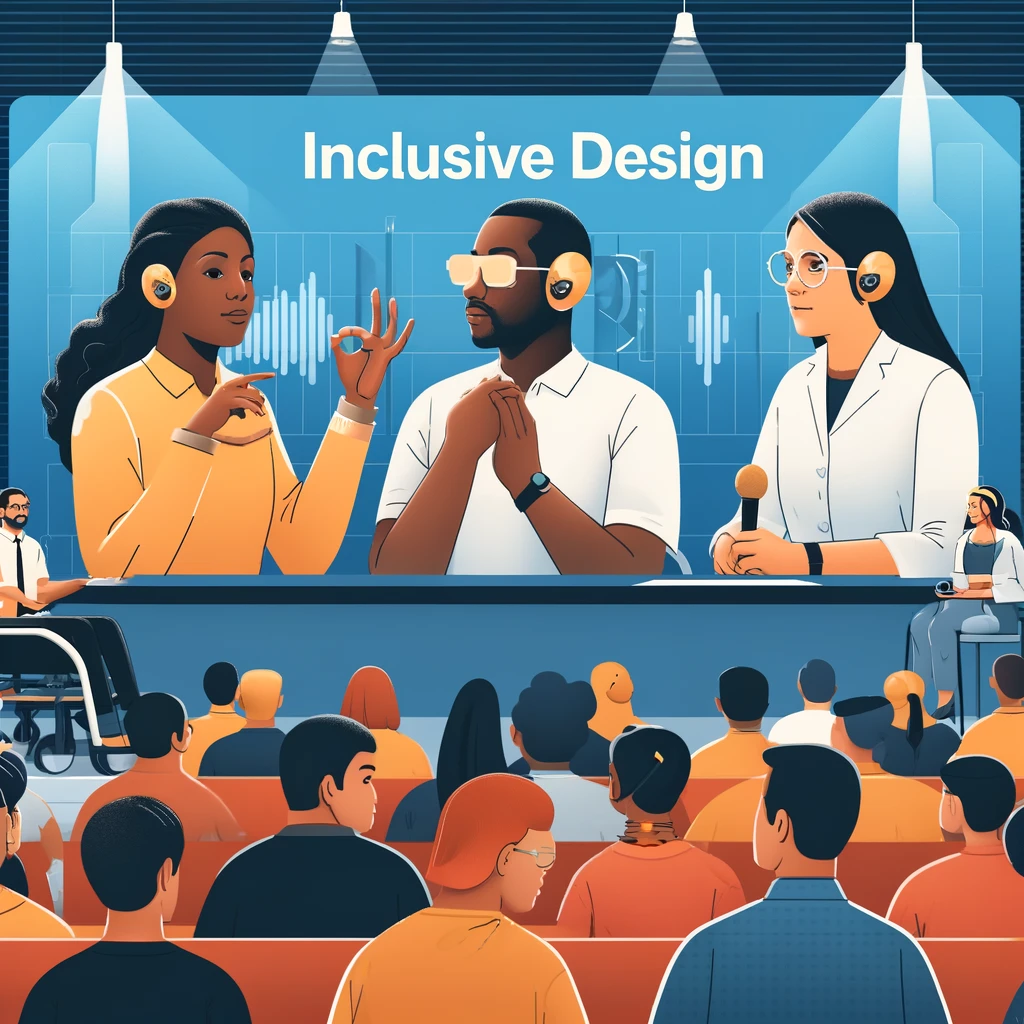
In the rapidly evolving landscape of technology, the conversation about accessibility has become more prominent than ever. For the Deaf and hard of hearing community, technology is not just about convenience; it’s about access to a world that otherwise operates on auditory cues. This article shines a light on the advocates and innovators who are pushing for technology that is not just innovative but inclusively designed.
The Role of Technology in Accessibility
For many of us, technology serves as a bridge to the world. It connects us to others, provides information, and often improves our quality of life. However, for the Deaf and hard of hearing, technology can also serve as a critical tool for accessibility. From hearing aids that can connect directly to smartphones, to apps that provide real-time captioning, the right technology can transform lives by breaking down barriers to communication and information.
However, despite these advances, there remains a significant gap in truly accessible tech products. This is where tech accessibility advocates step in. They are not just fighting for more products but are advocating for a shift in how technology is conceptualized and designed.
Who Are the Advocates?
Tech accessibility advocates come from various backgrounds but share a common goal: to ensure technology is accessible to all, regardless of hearing abilities. These advocates include engineers, designers, disability rights activists, and everyday users who are directly affected by tech design. They work together to influence technology companies, raise awareness, and develop solutions that prioritize accessibility.
Advocacy in Action
One of the forefront challenges in advocating for accessible technology is ensuring that developers and companies recognize the need from the start. Advocates emphasize the importance of “inclusive design,” a philosophy that advocates for considering the needs of all users during the initial design phase, rather than making adjustments after a product is developed.
In practice, inclusive design means creating products that are usable by people with a wide range of abilities and disabilities. This could mean developing software that is compatible with screen readers or creating hardware that is easy to use for those who cannot rely on auditory signals.
Innovative Technologies Making a Difference
Several innovative technologies have recently made headlines for their accessibility features. For instance, smartphone apps that can transcribe speech into text in real time are a game-changer for many in the Deaf community. These apps not only help in personal communication but also in professional environments, where quick and accurate communication is crucial.
Another significant advancement is in the realm of AI-powered hearing aids. These devices use sophisticated algorithms to filter out background noise, making it easier for users to focus on conversations. Moreover, some of these devices are now being designed to work seamlessly with other smart devices in the home, providing an interconnected experience that enhances safety and convenience for the Deaf and hard of hearing.
Challenges and Future Directions
Despite the progress, there are still many challenges to overcome. One major issue is the cost of technology. Many high-tech assistive devices are expensive, and not all are covered by insurance or health care plans. Advocates are working not only to push for more affordable solutions but also to ensure that these solutions are covered by policy changes.
Furthermore, there is a need for more widespread awareness and training. Both the users and the broader community need to be educated about the capabilities and benefits of accessible technology. This involves training for educators, employers, and technology professionals on how to best support individuals who use assistive tech.
The work of tech accessibility advocates is crucial in pushing for a future where technology is truly for everyone. Their dedication not only helps improve the lives of individuals who are Deaf or hard of hearing but also benefits society by fostering a more inclusive environment. As technology continues to advance, the hope is that it moves forward with accessibility at the forefront, ensuring that no one is left behind in our increasingly digital world.
Key Advocates and Their Contributions
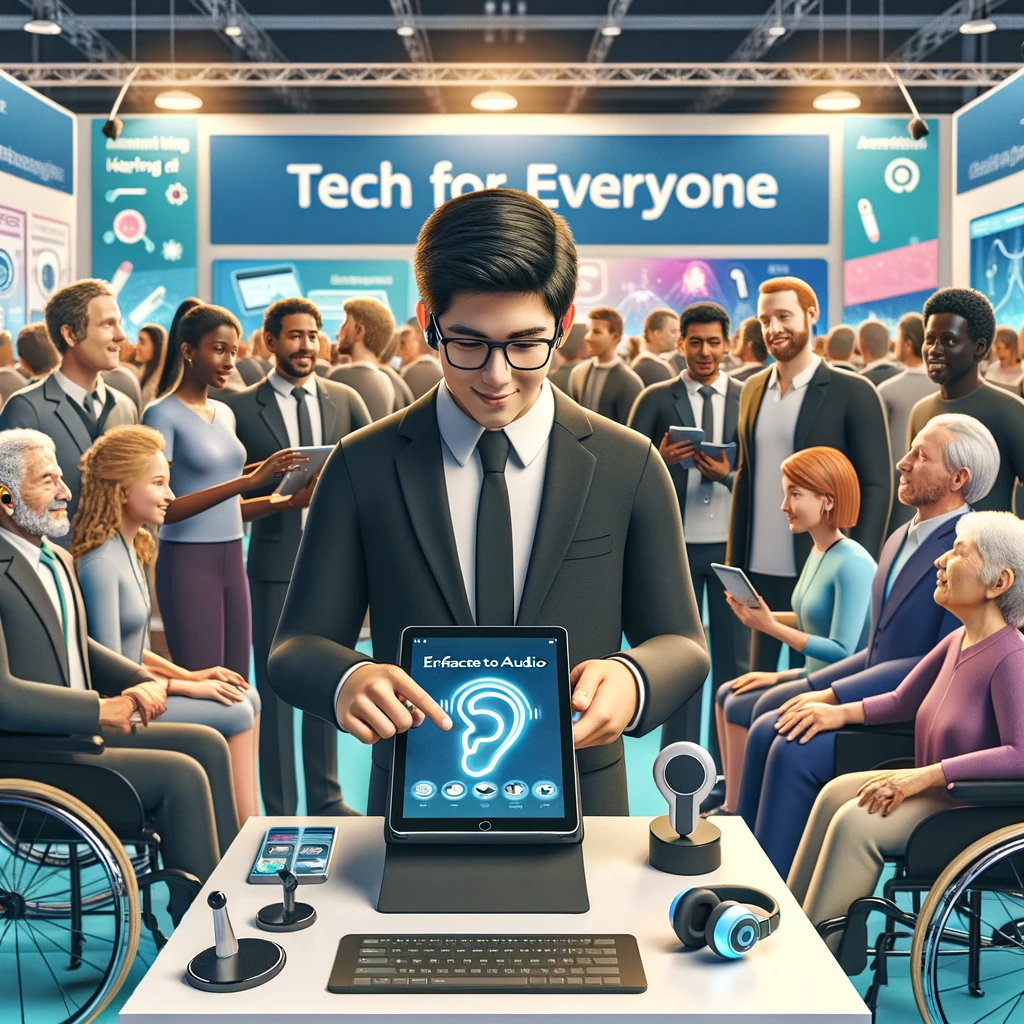
Across the globe, several key figures and organizations have been pivotal in advocating for tech accessibility. People like Haben Girma, the first Deafblind person to graduate from Harvard Law School, have not only used their platforms to highlight the necessity of inclusive technology but have also advised major tech companies on their accessibility policies. Girma, and others like her, argue that designing with accessibility in mind from the outset not only benefits those with disabilities but enhances the user experience for everyone.
Organizations such as the Global Initiative for Inclusive Information and Communication Technologies (G3ict) and the National Association of the Deaf (NAD) play crucial roles. These groups work tirelessly to ensure that legal standards and policies keep pace with technological advancements, making sure that accessibility remains a priority on national and international stages.
Education and Training: Empowering the Next Generation
Education and training are at the heart of expanding tech accessibility. Universities and tech schools are beginning to incorporate accessibility into their curricula, training the next generation of tech leaders to consider diverse needs from the start. Moreover, workshops and seminars aimed at current professionals in the tech industry help to spread knowledge and best practices regarding accessible design.
The impact of these educational initiatives is profound, fostering an environment where accessibility is the norm rather than an afterthought. As more and more professionals are equipped with the principles of inclusive design, the landscape of technology can shift more rapidly towards comprehensive accessibility.
Community Engagement and Feedback
Community engagement is vital for continuous improvement in tech accessibility. Advocates emphasize the importance of involving the Deaf and hard of hearing communities in the design and testing phases of new technologies. Feedback from these communities is invaluable as it provides direct insights into the usability of new devices and applications.
Many tech companies are now establishing regular forums and feedback sessions with community members to ensure that their products meet real-world needs. These engagements not only help in refining products but also build trust between technology providers and the communities they serve.
Leveraging Social Media and Advocacy Campaigns
Social media has become a powerful tool for tech accessibility advocates. Platforms like Twitter, Facebook, and Instagram allow advocates to share their experiences, call out inaccessible designs, and promote technologies that are doing it right. These platforms also provide a space for rallying support for broader policy changes and for educating the public about the importance of inclusion.
Advocacy campaigns through these mediums can reach a global audience quickly, making it easier to bring attention to the need for inclusive design and to mobilize support for change. Campaigns such as #AccessibilityMatters and #TechForAll have garnered widespread attention, highlighting the ongoing efforts and successes in the realm of accessible technology.
Looking Forward: Innovations on the Horizon
Looking to the future, the field of accessible technology holds promising innovations. Advances in virtual reality, augmented reality, and enhanced sensory devices are opening new doors for how we interact with our environments. These technologies have the potential to create more immersive and accessible experiences for the Deaf and hard of hearing, whether in education, entertainment, or social interaction.
Moreover, the rise of the Internet of Things (IoT) and smart home technology offers exciting possibilities for making daily life more accessible. Smart home devices that can be controlled visually or through simple gestures can significantly enhance the living environment for those who rely on visual communication.
Conclusion
The push for more accessible technology is a dynamic and evolving field, driven by passionate advocates who are committed to making the digital world accessible to everyone. While challenges remain, the progress made thus far gives hope for a more inclusive future. As we continue to innovate and grow, let us carry forward the mantra that technology designed for all uplifts all, creating a richer, more inclusive society.
By fostering an ongoing dialogue between tech developers, advocates, and the communities they serve, and by continuing to prioritize accessibility in every phase of design and development, we can ensure that the digital age is defined not by whom it excludes, but by whom it empowers.