
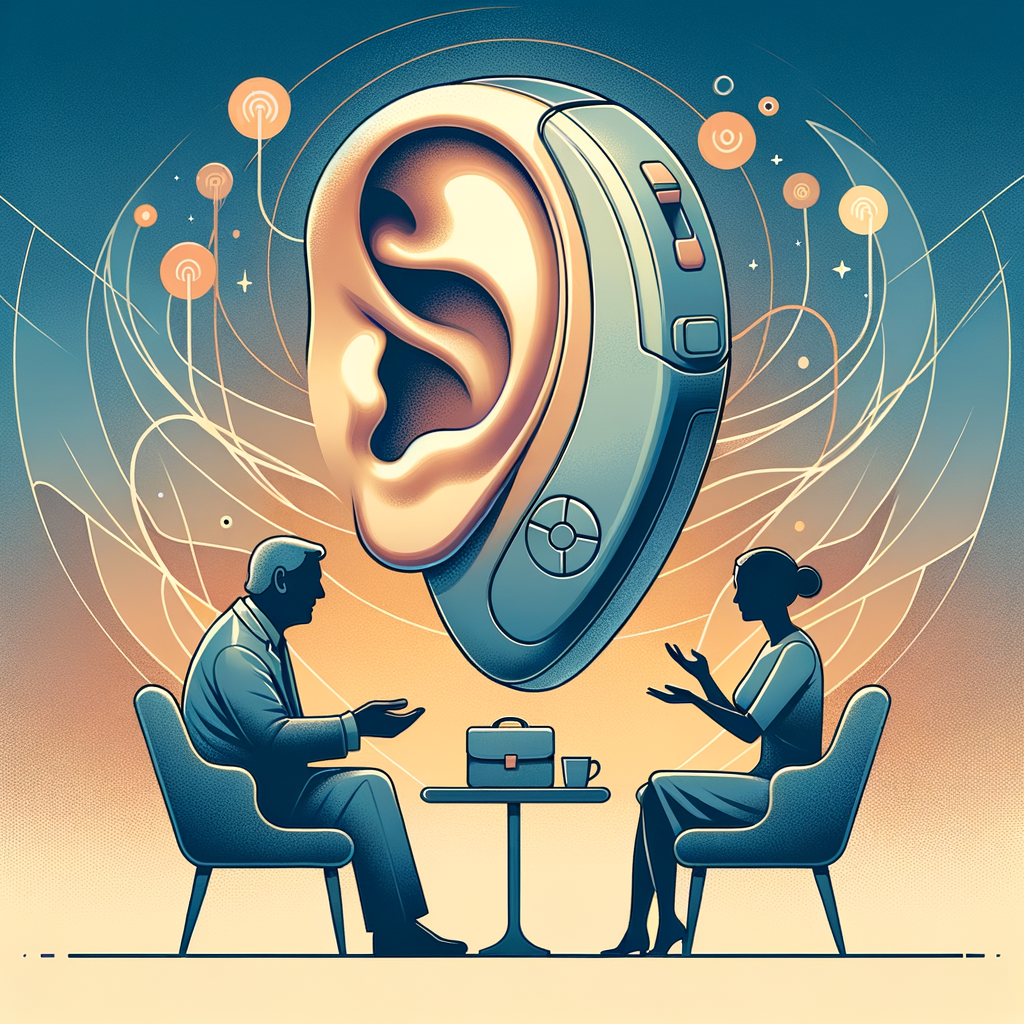
Hearing aids have long been a driving force in assisting individuals with hearing impairments. However, technological advancements are introducing a new era of hearing aids that are smarter and more efficient, transforming lives astonishingly. Smart hearing aids are not just compensatory tools; they are intelligent devices capable of adapting to the environment, personalizing user experience, and integrating with other smart technologies and apps. These transformative devices are bridging the gap, providing not only clearer hearing but also enabling users to engage more fully with their world. This shift toward smarter, more dynamic hearing solutions marks a revolutionary trend in audiology and personal health technology. Understanding how these smart devices work, what makes them stand out from traditional models, and their daily life applications is crucial to appreciating the transformative impact they can have.
Technological Innovations Behind Smart Hearing Aids
Modern smart hearing aids are powered by advanced digital signal processing, artificial intelligence, and machine learning technologies. These tools allow the devices to process sounds in real-time more effectively. A distinct innovation is their ability to autonomously differentiate between speech and noise, allowing users to focus on conversations even in noisy environments. This tech employs complex algorithms to reduce background noise and amplify desirable sounds.
The use of AI in hearing aids is pivotal, enabling these devices to learn user preferences over time. By recognizing and adapting to the user’s listening environment automatically, they offer an unprecedented, personalized experience. The use of Bluetooth technology further enhances functionality, allowing seamless connectivity with smartphones, TVs, and other media devices. Streaming audio directly into hearing aids is beneficial, enabling users to enjoy media or take calls directly through their aids.
Personalization and Adaptability
One of the most life-altering aspects of smart hearing aids is their capacity for personalization. Users can tailor device settings through dedicated smartphone apps, which often include capabilities such as adjusting volume, changing programs for different environments, and monitoring battery life. Some apps even utilize GPS data to automatically adjust hearing aid settings based on user location. For instance, if the user frequents a specific café, the hearing aid can memorize the acoustic setting of that café and adjust accordingly whenever the user visits.
Voice recognition technology plays a significant role in personalization as well. By recognizing individual voices, smart hearing aids can focus specifically on conversations rather than indiscriminately amplifying all sounds. This feature allows users to participate more actively and comfortably in group conversations, meetings, or social gatherings, removing the anxiety of missing important information.
Health Benefits and Integration with Healthcare
Smart hearing aids contribute significantly to overall health and wellbeing. They do more than just assist hearing; they also offer features like fitness tracking, heart rate monitoring, and reminders for medications. By integrating with health apps, they provide comprehensive health data that can be shared with healthcare providers for better, more informed healthcare decisions.
Additionally, these intelligent aids play a key role in mental health. Improved hearing aids reduce feelings of isolation and depression in users, as they facilitate better communication and social engagement. The psychological benefits are profound, as users are more likely to maintain active social lives and pursue hobbies or activities that require good hearing.
Economic Impact and Accessibility
The development of smart hearing aids also reflects on their economic impact and accessibility. These devices, albeit initially more expensive than traditional models, offer long-term benefits by increasingly becoming more common and, therefore, more economically viable. Their efficiency in reducing trips to audiologists for adjustments and the independence they promote can lead to cost savings over time.
Initiatives strive to make these life-changing devices accessible to a larger demographic. Many developers offer financing options or work in conjunction with insurance companies to help mitigate upfront costs. There are also efforts within regulatory and healthcare systems to recognize the essential nature of these devices, proposing strategies for subsidies or coverage expansions to include smart hearing aids as standard options.
Overcoming Social Stigma and Fostering Acceptance
A key challenge smart hearing aids address is the social stigma traditionally associated with hearing aid use. With sleek, discreet designs and technological allure akin to other smart gadgets, these devices are gradually reshaping perceptions. They signal a move toward acceptance, where wearing a hearing aid is as socially conventional as donning earphones or smartwatches.
For younger users, who might be reluctant to wear traditional hearing aids due to aesthetic reasons, smart hearing aids offer a cool, modern alternative. Their integration with popular tech ecosystems places them in the domain of desirable tech, effectively reducing the stigma and fostering greater acceptance across age groups. As they become more normalized, discussions around hearing health are likely to become more open, encouraging testing and early adoption of hearing support technologies.
Real-World Applications and Success Stories
Many success stories highlight the remarkable transformations smart hearing aids bring. Users often report drastic improvements not just in hearing, but in overall confidence and lifestyle quality. One might consider individuals who have reintegrated into their professional lives after feeling sidelined due to hearing impairments. The technology has allowed them to actively partake in pivotal career moments—meetings, presentations, and negotiations—without feeling disadvantaged.
Beyond professional reintegration, personal stories abound. Elderly individuals find renewed joy in fulfilling conversations with grandchildren, while young adults report newfound comfort in noisier social gatherings. In educational settings, students who struggle with conventional hearing aids thrive in environments where smart aids can seamlessly adjust to various audio settings, from lecture halls to study groups, fostering enhanced academic performance.
The Future of Smart Hearing Aids
The future promises continual evolution in smart hearing aid technology, with manufacturers constantly innovating to enhance user experience. We can expect integration with more advanced AI capabilities, allowing aids to diagnose and troubleshoot issues in real-time autonomously. There’s also potential for these devices to further integrate with other aspects of smart home ecosystems, contributing to a holistic, connected lifestyle.
Collaboration among tech companies, healthcare professionals, and audiologists is crucial for developing more sophisticated and customized solutions. By prioritizing user feedback and conducting extensive research, these partnerships can ensure that smart hearing aids keep pace with technological advancement and user needs.
Conclusion
Smart hearing aids are undeniably transformative technology, with the power to reshape lives by fostering better communication, reducing isolation, and promoting overall health and wellbeing. Their impact spans beyond the individual, touching on societal improvements in inclusivity and understanding of the importance of hearing health. As they become more accessible and widely accepted, the stigma surrounding hearing aids will continue to diminish, leading to new opportunities for individuals with hearing impairments to thrive in all areas of life.
As the technology continues to evolve, driven by advancements in artificial intelligence, machine learning, and digital connectivity, the possibilities for further transformation and integration are endless. In the coming years, smart hearing aids will not just be about enhanced hearing but will signify a broader stride toward comprehensive health augmentation through technology. By emphasizing innovation, inclusivity, and accessibility, these remarkable devices offer a future where hearing impairments are less a barrier and more of a bridge to new realms of engagement and potential.
Frequently Asked Questions
1. What makes smart hearing aids different from traditional hearing aids?
Smart hearing aids are a significant leap forward from traditional models due to their advanced technology and adaptability. Unlike conventional hearing aids, which primarily amplify sound to assist individuals with hearing impairments, smart hearing aids use sophisticated algorithms and wireless connectivity to offer a more personalized and dynamic listening experience. They are designed to automatically adjust to different environments by analyzing sounds in real time. Whether you’re in a noisy restaurant or a quiet park, these devices tailor their settings to ensure you hear what you want without being overwhelmed by background noise. Moreover, smart hearing aids can integrate with smartphones and other devices, allowing users to control settings through an app and receive software updates that continually improve the device’s performance.
2. How do smart hearing aids improve the user’s daily life?
Smart hearing aids drastically improve the quality of life by offering enhanced sound quality and greater convenience. For instance, they have noise reduction features which help in distinguishing speech from background noises, making conversations clearer and more enjoyable. Additionally, by connecting to smartphones and tablets, users can stream phone calls, music, or media directly to their hearing aids, turning them into highly effective wireless earbuds. Many smart aids come with rechargeability options, eliminating the hassle of frequently replacing batteries. Moreover, they support remote adjustments, which means that a hearing care provider can tweak the settings via a connected app without the user having to make an in-office visit. This ease of use and flexibility help users feel more confident and engaged in their social and professional lives.
3. Can smart hearing aids be customized according to individual needs?
Yes, customization is one of the standout features of smart hearing aids. After an audiologist assesses a user’s specific hearing loss profile, smart hearing aids can be finely tuned to complement their hearing needs. This customization extends to different listening environments, where the device can automatically adjust itself or be manually controlled via smartphone apps. Users can adjust the volume, focus on particular sound sources, and even store personalized settings for various environments they frequent, like home, work, or public places. The adaptability of smart hearing aids means they can evolve with the user’s lifestyle and preferences, providing a truly individualized auditory experience.
4. Are smart hearing aids compatible with other smart devices and apps?
Absolutely, smart hearing aids are designed to be part of an interconnected ecosystem of smart devices. They can pair seamlessly with smartphones, tablets, and even smart TVs, allowing users to maintain connectivity across their digital life. This compatibility extends to voice assistants such as Siri or Google Assistant, enabling users to control their hearing aids through voice commands. In addition, there are dedicated apps that let users adjust the hearing aid settings and monitor battery life right from their phone. This level of integration not only maximizes the device’s functionality but also aligns with the increasing demand for tech-savvy solutions in today’s digital age.
5. What is the process for updating and maintaining smart hearing aids?
Maintaining smart hearing aids is simplified thanks to their digital nature. Updates for smart hearing aids are usually released through smartphone apps connected to the manufacturers’ services. Users will receive a notification when an update is available, allowing them to keep their devices functioning at optimal levels with the latest enhancements and features. For maintenance, most smart hearing aid models are designed for durability but still require regular cleaning to ensure peak performance. Users should periodically check for earwax buildup and clean the microphones and receivers as instructed by the manufacturer. Regular check-ups with an audiologist are recommended to recalibrate the device and ensure it continues to meet the user’s hearing requirements. With smart hearing aids, maintenance becomes a straightforward affair, so you can focus more on your daily activities and less on upkeep.