
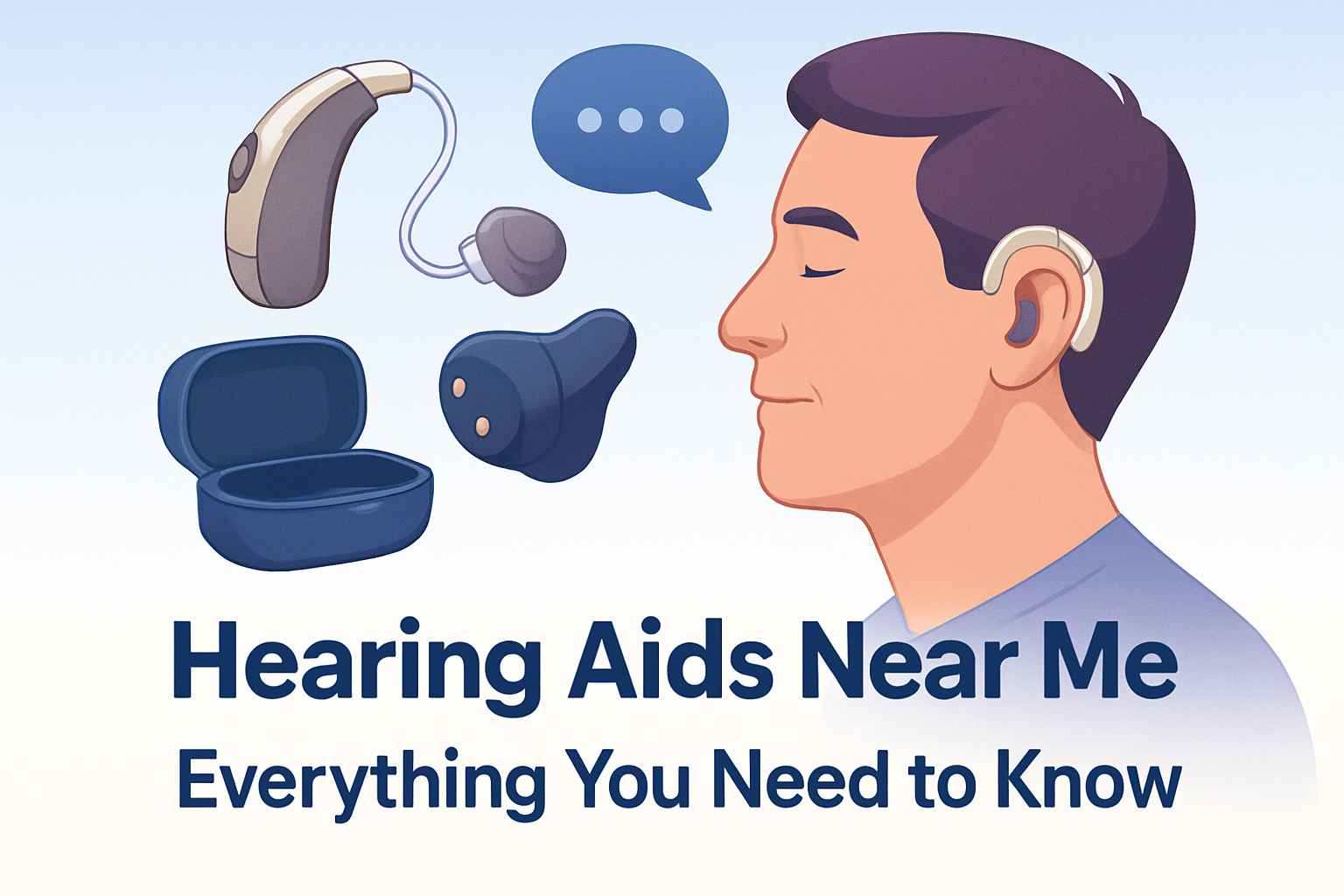
In the modern world, hearing aids have become indispensable tools that significantly enhance the quality of life for individuals with hearing impairments. They are advanced electronic devices designed to amplify sound and improve the ability to hear clearly. The need for hearing aids can arise from various causes, such as age-related hearing loss, exposure to loud noises, or medical conditions. As hearing is a critical sense for effective communication and interaction, addressing hearing loss is crucial. In this comprehensive guide, we delve into everything you need to know about finding hearing aids near you, the different types available, how they work, and why selecting the right device matters. Choosing the appropriate hearing aid can profoundly impact your communication abilities and overall daily experience.
Types of Hearing Aids Available
When exploring hearing aids near you, it’s important to recognize the different types available, as each type caters to specific needs and preferences. The main types of hearing aids include Behind-the-Ear (BTE), In-the-Ear (ITE), In-the-Canal (ITC), and Completely-in-Canal (CIC) devices. Behind-the-Ear models have the hearing components situated in a case placed behind the ear, with a tube connecting to an ear mold inside the ear canal. This type is popular for its versatility and ability to accommodate more advanced features.
In-the-Ear aids fill the outer portion of the ear and are tailored to the contours of each individual’s ear. They are less conspicuous than BTE models and are suitable for a range of hearing impairments. In-the-Canal aids fit partly in the ear canal, offering a middle ground between visibility and functionality. Finally, Completely-in-Canal aids are the smallest and least visible, but they may not be suitable for severe hearing loss due to their size limitations.
To illustrate, consider Sarah, who began experiencing hearing difficulties. After an audiological evaluation, her audiologist recommended an ITC model, which was ideal for her lifestyle and level of hearing loss. The ITC model offered the necessary features while being discreet and comfortable enough for daily use.
Factors to Consider When Choosing a Hearing Aid
Selecting the right hearing aid involves assessing several critical factors, including lifestyle needs, severity of hearing loss, device features, and budget. Lifestyle considerations assess how active the individual is, as those engaged in outdoor or social activities might benefit from models with noise reduction and directional microphones.
Next, the severity of hearing loss is instrumental in determining the appropriate device. More profound hearing loss often necessitates stronger amplification, which may only be offered by specific models. Additionally, advanced features like wireless connectivity, rechargeable batteries, and customization options can enhance the overall experience and convenience of usage.
Budget is also an essential component, as hearing aids can range from a few hundred to several thousand dollars. It’s important to consider whether they are covered by insurance or if financial assistance options are available. Robert, for example, was overwhelmed by the choices and costs. His audiologist offered a detailed breakdown and prioritized devices offering a combination of essential features and affordability.
How to Find Hearing Aids Near You
Finding hearing aids near you requires some research and planning. Consulting with a licensed audiologist or hearing specialist is often the best starting point. They can conduct thorough assessments and recommend appropriate devices based on your specific needs. Alternatively, many reputable retailers and clinics offer hearing aid services both in-store and online. It’s advisable to verify their credentials and reviews to ensure high-quality service.
The American Speech-Language-Hearing Association (ASHA) provides a directory of qualified professionals across cities, allowing individuals to locate recognized audiologists nearby. Additionally, community health centers and insurance providers may have resources to locate affordable hearing aids.
| Platform | Contact Method | Advantages |
|---|---|---|
| Audiologist Office | In-Person Visit | Personalized Recommendations, Accurate Diagnostics |
| Online Retailer | Virtual Consultation, Email | Wide Selection, Home Convenience |
| Community Health Center | In-Person Visit, Phone | Affordable Options, Local Expertise |
Understanding the Technology Behind Hearing Aids
Modern hearing aids utilize advanced technology to deliver clear sound and amplification. They consist of four primary components: a microphone, an amplifier, a speaker, and a power source. The microphone detects sound waves, which are then converted into electrical signals. The amplifier increases the power of the signals, which are then delivered to the ear through the speaker. Most current devices are digital, meaning they employ digital signal processing (DSP) to enhance audio quality. This technology effectively filters noise and prioritizes speech clarity, making communication smoother even in noisy environments.
Many aids now incorporate Bluetooth technology, allowing them to connect to smartphones and other devices. This functionality provides seamless streaming of calls, music, and alerts directly to the hearing aids, enriching user experience and accessibility. John, an avid music enthusiast, appreciated this feature because it allowed him to enjoy his favorite tunes without compromising sound quality.
The Importance of Regular Maintenance and Follow-Up
Regular maintenance and follow-up are essential for the longevity and optimal performance of hearing aids. It’s crucial to clean the devices frequently to remove earwax and debris, using appropriate tools and solutions recommended by an audiologist. Many users are advised to schedule follow-up appointments to adjust settings and ensure the devices are functioning correctly.
During these follow-ups, audiologists can recalibrate the hearing aids according to any changes in the user’s hearing ability or listening environments. It’s also an opportunity to learn about any new features or updates available for the device. As high-tech equipment, hearing aids can occasionally encounter technical issues. For instance, Mary noticed intermittent issues with her aid’s volume; after a quick service appointment, the audiologist resolved the concern, keeping her device in perfect working order.
The Role of Auditory Rehabilitation
Auditory rehabilitation complements the use of hearing aids, aiming to enhance communication skills and overall auditory experience. It comprises training and exercises designed to improve speech recognition and listening ability. This process is especially beneficial for those who may have experienced hearing loss over an extended period and need to adapt to using hearing aids effectively.
Rehabilitation often incorporates techniques such as lip reading, situational strategies, and auditory exercises that improve the ability to decipher sounds and speech in challenging environments. Mark, who recently began using hearing aids, attended a three-month auditory rehabilitation program, which significantly improved his capacity to engage confidently in social interactions.
Summary and Next Steps
In summary, hearing aids are crucial devices for improving auditory capabilities for those experiencing hearing loss. Understanding the types available, such as BTE, ITE, ITC, and CIC models, is essential when selecting an appropriate device. Considering factors such as lifestyle, severity of hearing loss, and budget can guide effective decision-making.
Finding hearing aids often starts with consulting a qualified audiologist, backed by exploring online and local resources. Modern hearing aids feature advanced technology, including digital processing and Bluetooth connectivity, enhancing the user experience. Regular maintenance, follow-ups, and auditory rehabilitation play vital roles in maximizing the benefits of hearing aids.
For those ready to enhance their auditory experience, the next step is to schedule an appointment with an audiologist to discuss specific hearing needs and explore available options. Through careful consideration and the right support, individuals can significantly improve their communication abilities and quality of life.
Frequently Asked Questions
1. What are the different types of hearing aids available near me?
When exploring hearing aids near your area, you’ll discover a range of styles and features designed to cater to different needs and preferences. The main types of hearing aids include Behind-the-Ear (BTE), Receiver-in-Canal (RIC), In-the-Ear (ITE), In-the-Canal (ITC), and Completely-in-Canal (CIC). Each type has its unique benefits. BTE hearing aids are popular for their versatility and ease of use. RIC models offer a more discreet appearance with comfortable fitting, while ITE, ITC, and CIC variants are ideal for those seeking a more compact solution. Each type is designed to suit different levels of hearing loss and lifestyle demands, so discussing with an audiologist is crucial to finding the right fit for you.
2. How do I choose the right hearing aid provider near me?
Choosing the right hearing aid provider is an essential step to ensure you receive quality service and support. Begin your search by looking for reputable providers with certified audiologists who have a strong track record of customer satisfaction. Consider the provider’s offerings, including comprehensive audiological assessments, warranties, aftercare services, and financing options. It’s also beneficial to look for providers who offer a variety of brands and models. Personal recommendations from friends, family, or healthcare professionals can also guide your decision. Lastly, read online reviews and testimonials to gauge the experiences of other clients in your area.
3. What should I expect during a hearing test appointment?
A hearing test appointment with an audiologist is a crucial step in determining your hearing health and the potential need for hearing aids. Initially, the audiologist will gather a detailed medical history and inquire about any hearing difficulties you might be experiencing. The testing process typically involves several assessments to evaluate different aspects of your hearing. The first assessment is usually a visual inspection of the ears. Following this, you’ll undergo a pure-tone test to determine the faintest tones you can hear across various frequencies. Speech recognition tests may also be administered to evaluate your capacity to understand speech in different settings. Once testing concludes, the audiologist will explain the results and discuss the suitable options and next steps for your unique hearing needs.
4. How should I care for and maintain my hearing aids?
Proper care and maintenance are vital to ensure your hearing aids function optimally. Start by cleaning them regularly with a soft, dry cloth and use cleaning tools provided by your audiologist to remove any earwax buildup or dust in the microphone or receiver openings. Keeping your hearing aids dry is crucial; avoid exposing them to moisture, and if they’re not designed to be waterproof, remove them before swimming or showering. Store them in a protective case when not in use, and ensure the case offers a dry environment, possibly with a desiccant or dehumidifier. Regular check-ups with your audiologist can help keep your devices in top condition, allowing for professional cleaning and any necessary adjustments. Lastly, adhere to the manufacturer’s instructions and use only the recommended batteries and accessories.
5. What are the latest features in modern hearing aids that could benefit me?
Advancements in hearing aid technology have introduced numerous features designed to enhance the user experience significantly. Modern hearing aids often include Bluetooth connectivity, allowing seamless audio streaming from smartphones, televisions, or other Bluetooth-enabled devices directly to the hearing aid. Many are equipped with rechargeable batteries, eliminating the need for frequent battery replacements. Some models incorporate noise reduction and directional microphones to improve clarity in noisy environments. Apps for mobile devices enable easier control of settings, offering personalization and convenience at your fingertips. Additionally, certain hearing aids have built-in tinnitus masking features to alleviate symptoms of tinnitus. By staying informed about the latest technological developments, you can select hearing aids that perfectly match your lifestyle needs and preferences.