

The world of music is traditionally dominated by auditory experiences. However, within the Deaf community, music and performances take on a unique and vibrant form, shining a spotlight on the rich and diverse cultural expressions that go beyond sound. This article delves into the world of Deaf music and performances, examining how the Deaf community experiences, creates, and shares music through innovative and inclusive methods. By exploring these unique expressions, we aim to foster greater awareness and understanding of Deaf culture and traditions.
Introduction: Embracing Deaf Music and Performances
When most people think of music, they often envision melodies, rhythms, and harmonies experienced through hearing. But for the Deaf community, music is more than just sound. It’s a multi-sensory experience that involves visual, tactile, and emotional elements. Deaf musicians and performers creatively engage with music through visual rhythms, sign language, and vibrations, crafting remarkable experiences that transcend auditory boundaries.
Deaf culture places a strong emphasis on visual communication, which is evident in the ways music and performances are adapted and enjoyed. Sign language, in particular, plays a crucial role in conveying the emotions, messages, and stories within music. Additionally, the use of visual aids such as light displays, body movements, and facial expressions enhances the overall impact of these performances, making them accessible and enjoyable to all.
Through various forms of artistic expression, the Deaf community showcases its unique perspective on music. From Deaf-led bands and solo artists to theatrical productions and dance performances, there is a vibrant array of talents that highlight the creativity and resilience of Deaf individuals. As we explore this fascinating world, we will uncover the methods and innovations that make Deaf music and performances so special.
Connecting Through Visual and Tactile Elements
In Deaf music and performances, visual and tactile elements play a pivotal role in creating meaningful experiences. One of the most powerful ways Deaf performers connect with their audience is through visual rhythms. By using sign language, choreography, and facial expressions, performers can convey the tempo, mood, and narrative of a piece in a way that is both captivating and inclusive.
Sign language is a key component in these performances, serving as a medium to express lyrics, emotions, and stories. Performers often translate songs into sign language, skillfully matching the signs with the rhythm and melody of the music. This not only makes the music accessible to Deaf individuals but also enriches the overall performance for hearing audiences, who gain a deeper appreciation for the poetic beauty of sign language.
In addition to visual elements, tactile experiences are also incorporated into Deaf music. One common technique is the use of vibrations, which allow Deaf individuals to feel the beat and rhythm of the music. This can be achieved through the use of specialized equipment such as vibrating floors, subwoofers, and wearable technology. By physically feeling the music, Deaf performers and audience members can engage with the performance on a sensory level that is both profound and exhilarating.
Deaf Musicians and Performers: Breaking Barriers
The Deaf community boasts an impressive array of musicians and performers who have made significant contributions to the world of music and arts. These talented individuals break down barriers and challenge misconceptions about Deafness and musical expression.
One notable example is Sean Forbes, a Deaf rapper and co-founder of the Deaf Professional Arts Network (DPAN). Forbes has made waves in the music industry with his innovative approach to rap, blending American Sign Language (ASL) with powerful beats and lyrics. His work has paved the way for other Deaf artists, showing that music is not bound by auditory limitations.
Another influential figure is Mandy Harvey, a Deaf singer-songwriter who gained national recognition through her performances on “America’s Got Talent.” Despite losing her hearing at the age of 18, Harvey continues to create and perform music that resonates with audiences. Her incredible vocal talent, combined with her ability to convey emotion through sign language, has made her a celebrated artist in both the Deaf and hearing communities.
The contributions of Deaf musicians and performers extend beyond individual achievements. Inclusive theater groups, such as Deaf West Theatre, have revolutionized the performing arts scene by producing visually stunning and accessible productions that celebrate Deaf culture. These groups provide platforms for Deaf actors, dancers, and musicians to showcase their talents and share their stories with diverse audiences.
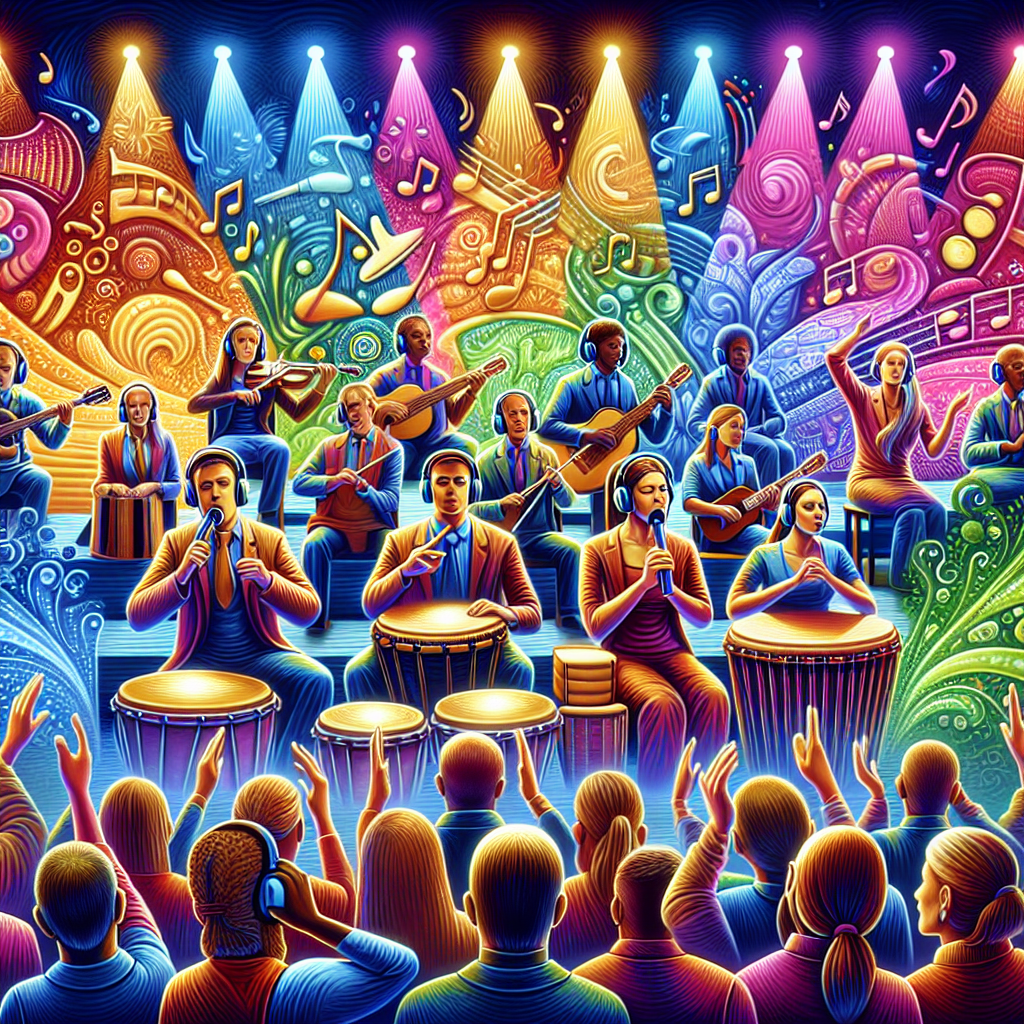
Innovative Performances: Fusing Technology and Art
The fusion of technology and art has opened new avenues for Deaf musicians and performers, enabling them to push the boundaries of creative expression. This innovative approach has led to the development of groundbreaking performances that captivate and inspire.
Visual music is one such innovation, where technology is used to translate sound into visual representations. This can include light displays, animations, and video projections that synchronize with the music, creating a dynamic and immersive experience. By turning sounds into visual stimuli, Deaf performers can convey the energy and emotion of a musical piece in a way that is accessible and engaging.
Wearable technology is another exciting development in the realm of Deaf music. Devices such as vibrating vests, haptic gloves, and tactile feedback systems allow performers to “feel” the music through vibrations and touch. This technology not only enhances the performance experience for Deaf individuals but also offers new possibilities for interactive and multisensory performances.
The integration of virtual reality (VR) and augmented reality (AR) in performances is also gaining traction within the Deaf community. These technologies provide immersive and customizable experiences, allowing audiences to interact with and explore the musical environment in novel ways. VR and AR can create inclusive spaces where Deaf and hearing individuals can enjoy music and performances together, fostering greater understanding and appreciation for different sensory experiences.
The Cultural Significance of Deaf Music
Deaf music and performances hold deep cultural significance within the Deaf community. They serve as a means of preserving and celebrating Deaf heritage, language, and identity, while also challenging mainstream perceptions of music and artistic expression.
For many Deaf individuals, music is a powerful form of self-expression and communication. It provides a platform to share personal stories, emotions, and experiences in a way that transcends traditional language barriers. Through music, Deaf performers can connect with their audience on a visceral level, creating moments of profound empathy and understanding.
The celebration of Deaf culture through music and performances also reinforces the importance of preserving sign languages and Deaf traditions. By showcasing the beauty and intricacy of sign language in artistic contexts, Deaf musicians and performers highlight the value of linguistic diversity and cultural heritage. This, in turn, fosters a greater appreciation for the Deaf community’s contributions to the arts and society as a whole.
Furthermore, Deaf music and performances challenge stereotypes and misconceptions about Deafness. They demonstrate that Deaf individuals are not limited by their hearing loss but are capable of creating and enjoying music in ways that are equally valid and enriching. By showcasing their talents and innovations, Deaf musicians and performers inspire both Deaf and hearing individuals to broaden their perspectives and embrace diverse forms of artistic expression.
The Future of Deaf Music and Performances
As technology continues to evolve, the future of Deaf music and performances holds exciting possibilities. Emerging innovations and a growing awareness of Deaf culture are paving the way for more inclusive and diverse artistic landscapes.
One area of potential growth is the development of new technologies that enhance the sensory experiences of music for Deaf individuals. For instance, advancements in haptic technology could lead to more sophisticated devices that provide nuanced tactile feedback, allowing Deaf musicians to interact with music on a deeper level. This could open up new avenues for creative expression and collaboration between Deaf and hearing artists.
Another promising trend is the increasing representation of Deaf artists in mainstream media and entertainment. As the visibility of Deaf musicians and performers grows, so does the opportunity for greater cultural exchange and understanding. This can lead to more inclusive and diverse programming, where Deaf and hearing audiences can enjoy and appreciate music together.
Educational initiatives and advocacy efforts also play a crucial role in shaping the future of Deaf music and performances. By promoting awareness of Deaf culture and providing support for Deaf artists, these efforts can help create an environment where Deaf individuals have equal access to artistic opportunities and resources. This, in turn, fosters a vibrant and inclusive artistic community that celebrates diverse talents and expressions.
Conclusion: Celebrating the Vibrancy of Deaf Music and Performances
The world of Deaf music and performances is a testament to the creativity, resilience, and innovation of the Deaf community. Through visual rhythms, tactile experiences, and technological advancements, Deaf musicians and performers have carved out a unique and vibrant space in the arts, challenging conventional notions of music and artistic expression.
By embracing diverse forms of expression, Deaf music and performances not only celebrate Deaf culture and traditions but also foster greater understanding and appreciation among hearing audiences. They demonstrate that music is not limited by auditory boundaries but can be experienced and enjoyed through multiple sensory modalities.
As we continue to explore and support the rich tapestry of Deaf music and performances, we contribute to a more inclusive and diverse artistic landscape. By recognizing and celebrating the talents of Deaf musicians and performers, we honor the cultural significance of their work and promote a deeper appreciation for the myriad ways in which humans can create and connect through art.
In doing so, we create a world where all forms of artistic expression are valued, and where every individual, regardless of their hearing ability, can participate in and enjoy the beauty of music and performance.