
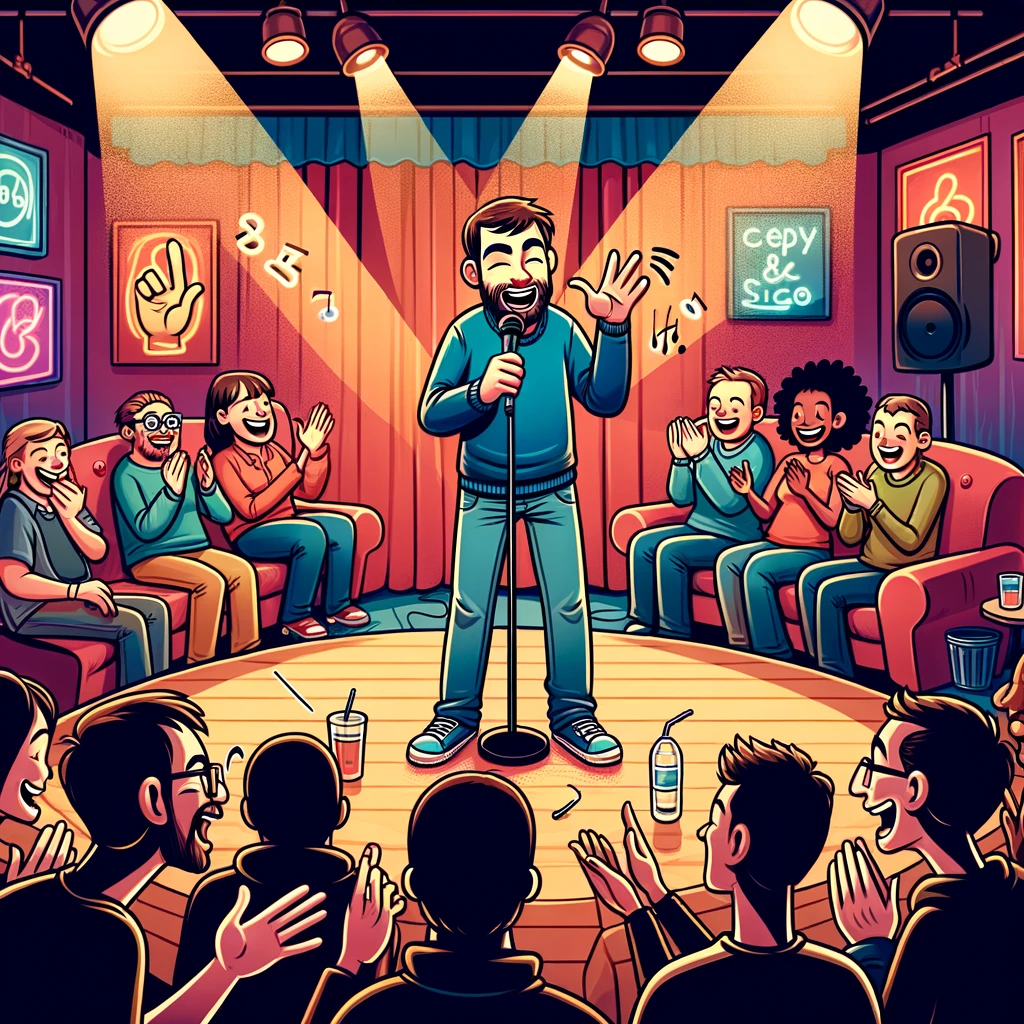
Deaf culture is a rich, vibrant, and dynamic social sphere that is often underappreciated by the hearing world. One of the most fascinating elements of Deaf culture is its unique sense of humor. Deaf humor is not just about making people laugh—it’s a powerful vehicle for expression, connection, and identity among Deaf individuals. Understanding Deaf humor allows us to appreciate the distinct cultural practices within the Deaf community and provides insight into the shared experiences that forge their collective identity.
The Role of Humor in Deaf Culture
Humor has a universal place in human societies, but the way it manifests varies widely across different cultures. In Deaf culture, humor takes on special significance. It’s a way of transcending communication barriers, addressing social issues, and creating solidarity within the community. Historically, Deaf individuals have faced numerous challenges, including discrimination and societal marginalization. Humor has served as a coping mechanism and a tool for empowerment, enabling the community to navigate and resist these adversities. Through jokes and comedic performances, Deaf individuals can critique societal norms, highlight their shared experiences, and reinforce their sense of pride and identity.
Types of Deaf Comedy and Jokes
Deaf humor can be visual, physical, and sometimes silent—but always profoundly engaging. Here are a few common types:
Visual Comedy
Visual comedy relies on facial expressions, body language, and gestures, which are integral components of American Sign Language (ASL). Deaf comedians often use exaggerated facial expressions and physical movements to create humor, making their performances highly visual and expressive. This type of comedy is not only entertaining but also highlights the beauty and richness of ASL.
Wordplay and Puns
Even though ASL doesn’t have a written form, wordplay and puns exist within the language, using hand shapes, sign movements, and sign locations. For example, similar signs used in different contexts can create humorous misunderstandings or play on the multiple meanings of a specific sign. This form of humor underscores the linguistic creativity within the Deaf community.
Situational Comedy
Many Deaf jokes revolve around everyday situations and experiences unique to Deaf individuals. Common themes include miscommunication with hearing people, the absurdities of lip-reading or using voice interpreters, and the intricacies of Deaf-hearing relationships. These jokes may seem niche, but they reflect the authentic lived experiences of Deaf people and resonate deeply within the community.
Notable Deaf Comedians
Several Deaf comedians have made significant contributions to both Deaf culture and the broader entertainment industry. Here are a few notable figures:
CJ Jones
CJ Jones is a celebrated Deaf comedian and actor known for his dynamic performances and compelling storytelling. He incorporates elements of mime, slapstick, and dance into his routines, all of which draw heavily on his personal experiences as a Deaf individual. His work not only entertains but also educates audiences about Deaf culture and issues.
Marlee Matlin
While Marlee Matlin is primarily known for her acting, she has also dabbled in stand-up comedy and humorous performances. Her work often addresses stereotypes and misconceptions about Deaf people, using humor to challenge these notions and foster greater understanding.
Keith Wann
Keith Wann is a CODA (Child of Deaf Adults) performer who bridges the gap between the Deaf and hearing worlds. His comedy often highlights the absurdities and misunderstandings that arise from being a hearing person in a Deaf family. His bilingual (ASL and spoken English) shows appeal to both Deaf and hearing audiences, promoting inclusivity and awareness.
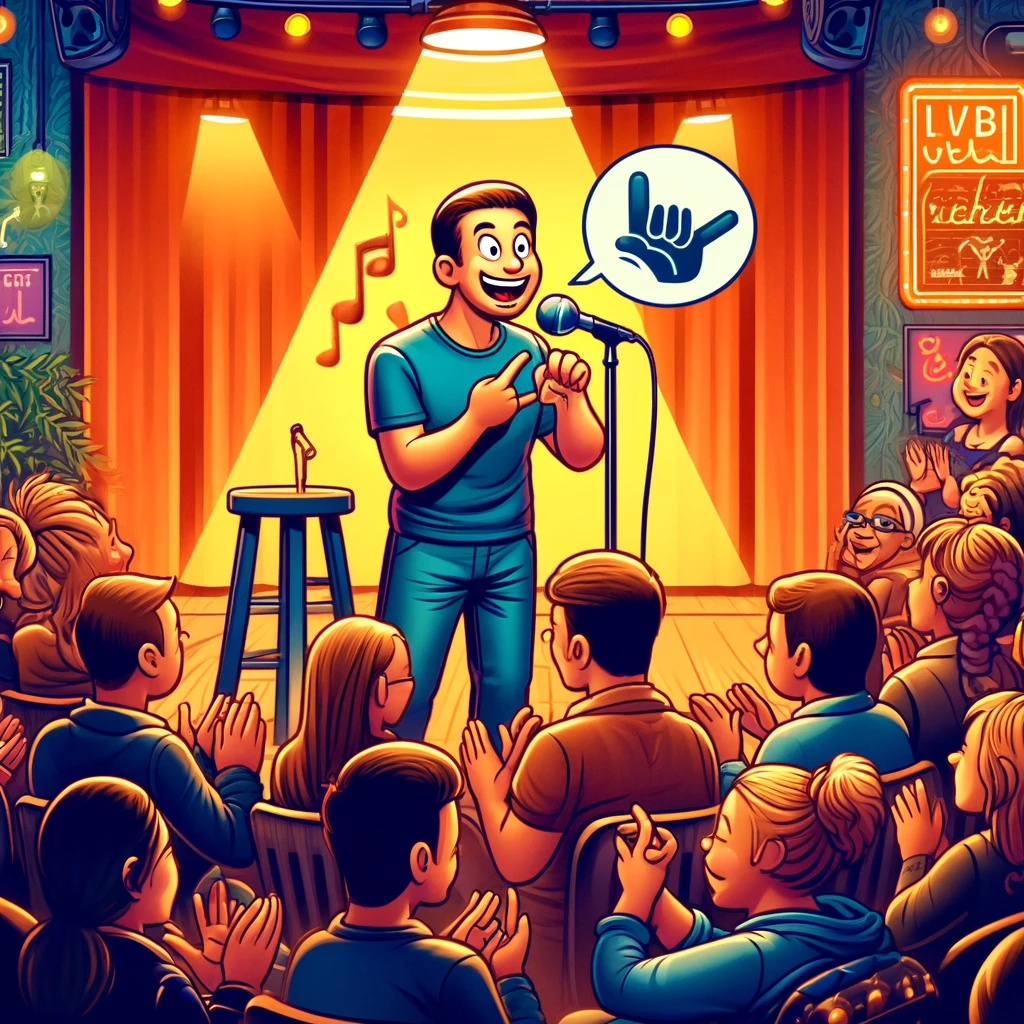
The Impact of Deaf Comedy
Deaf comedy is more than just entertainment; it has tangible social and cultural impacts. Here are a few key ways it contributes to the Deaf community and society at large:
Advocacy and Awareness
Deaf comedians often use humor to advocate for Deaf rights and raise awareness about Deaf issues. By engaging audiences with laughter, they can effectively communicate important messages about accessibility, equality, and inclusion. This form of advocacy is not only powerful but also accessible, reaching people who might not otherwise engage with these issues.
Cultural Preservation
Comedy is a vital medium for preserving and transmitting Deaf culture and traditions. Jokes and humorous stories convey cultural norms, values, and shared experiences, helping to sustain a collective Deaf identity. By passing down these humoristic traditions, the Deaf community ensures that its cultural heritage remains vibrant and alive.
Community Building
Laughter brings people together, and Deaf humor plays a significant role in fostering community bonds. Comedy events, performances, and festivals create spaces where Deaf people can connect, socialize, and celebrate their culture. These gatherings reinforce a sense of belonging and solidarity, strengthening the social fabric of the Deaf community.
Challenges and Misconceptions
Despite its importance, Deaf humor is often misunderstood or overlooked by the hearing world. Misconceptions about Deaf comedy can arise from a lack of awareness or exposure to Deaf culture. Here are a few common misconceptions:
Deaf People Can’t Be Funny
This stereotype stems from the erroneous belief that humor relies solely on spoken language. In reality, humor transcends linguistic boundaries, and Deaf individuals have a profound capacity for comedic expression. Their humor is rich, diverse, and deeply connected to their lived experiences.
Deaf Comedy is Just for Deaf People
While Deaf comedy does center on Deaf experiences, it is by no means exclusive to the Deaf community. Many Deaf comedians perform bilingually or in ways that make their humor accessible to hearing audiences. Moreover, hearing audiences can gain valuable insights and empathy by engaging with Deaf humor.
ASL is Not a “Real” Language
This misconception undermines the legitimacy of Deaf humor and culture. ASL is a fully-fledged language with its own grammar, syntax, and expressive capabilities. Dismissing ASL as a mere collection of gestures ignores its richness and the depth of communication it enables.
How to Appreciate and Support Deaf Comedy
For those new to Deaf humor, here are a few tips on how to appreciate and support it:
Educate Yourself
Start by learning about Deaf culture and ASL. Understanding the context and nuances of Deaf humor will enhance your appreciation and enjoyment of it. There are many resources available, including books, online courses, and community events.
Attend Deaf Comedy Shows
Many cities host Deaf comedy events and festivals. Attend these shows to experience Deaf humor firsthand and support Deaf performers. Be respectful and open-minded, and engage with the performances, even if some of the humor is initially unfamiliar.
Support Deaf Creators
Follow and support Deaf comedians on social media, watch their videos, and share their work with others. Financial contributions, such as purchasing tickets or donating to their projects, also go a long way in supporting their careers.
Promote Inclusivity
Advocate for more inclusive entertainment spaces that accommodate Deaf performers and audiences. This includes ensuring access to sign language interpreters, captioning, and other accessibility measures. By promoting inclusivity, we create a more equitable entertainment landscape for all.
Conclusion
Deaf humor is a vital, enriching aspect of Deaf culture that deserves recognition and appreciation. It transcends communication barriers, fosters community, and provides a powerful platform for advocacy and cultural preservation. By exploring and supporting Deaf comedy, we not only entertain ourselves but also deepen our understanding and empathy for the Deaf community. So, the next time you come across a Deaf comedian or a visual joke, take a moment to engage with it—you might just find yourself laughing and learning in equal measure.
- Bauman, H.D. L. (2008). Open Your Eyes: Deaf Studies Talking. University of Minnesota Press.
- Carty, B. (1996). Funny in Deaf: Discovering the Humorous Side of Deaf Culture. Deaf Studies Quarterly, 2(3), 245261.
- Drescher, M. A., & MacDougall, F. M. (2000). Deaf World: A Historical Reader and Primary Sourcebook. New York University Press.
- Prasangika, N. (2015). Humor and the Body: Humorous Conduct and Inflecting the Self in Deaf Community. Journal of Linguistic Anthropology, 25(3), 318337.
- Padden, C., & Humphries, T. (2005). Inside Deaf Culture. Harvard University Press.
- Pizzuto, E., Pietrandrea, P., & Russo, T. (2014). Verbal and Signed Languages: Comparing Structures, Constructs and Methodologies. De Gruyter Mouton.
- Roy, P. (207). The Art of Deaf Humor: Laughter and Storytelling in the Deaf Community. Journal of Deaf Studies and Deaf Education, 12(4), 594605.
- Schirmer, B. R. (1994). Language and Literacy Development in Children Who Are Deaf. Macmillan Publishing Company.
- Wilcox, S. (1989). The Play’s The Thing: Theatricality and Humour in Deaf Culture. Sign Language Studies, 63, 85102.
- Zeshan, U., & Panda, S. (2015). Sign Language Typology. The World Atlas of Language Structures. Oxford University Press.