
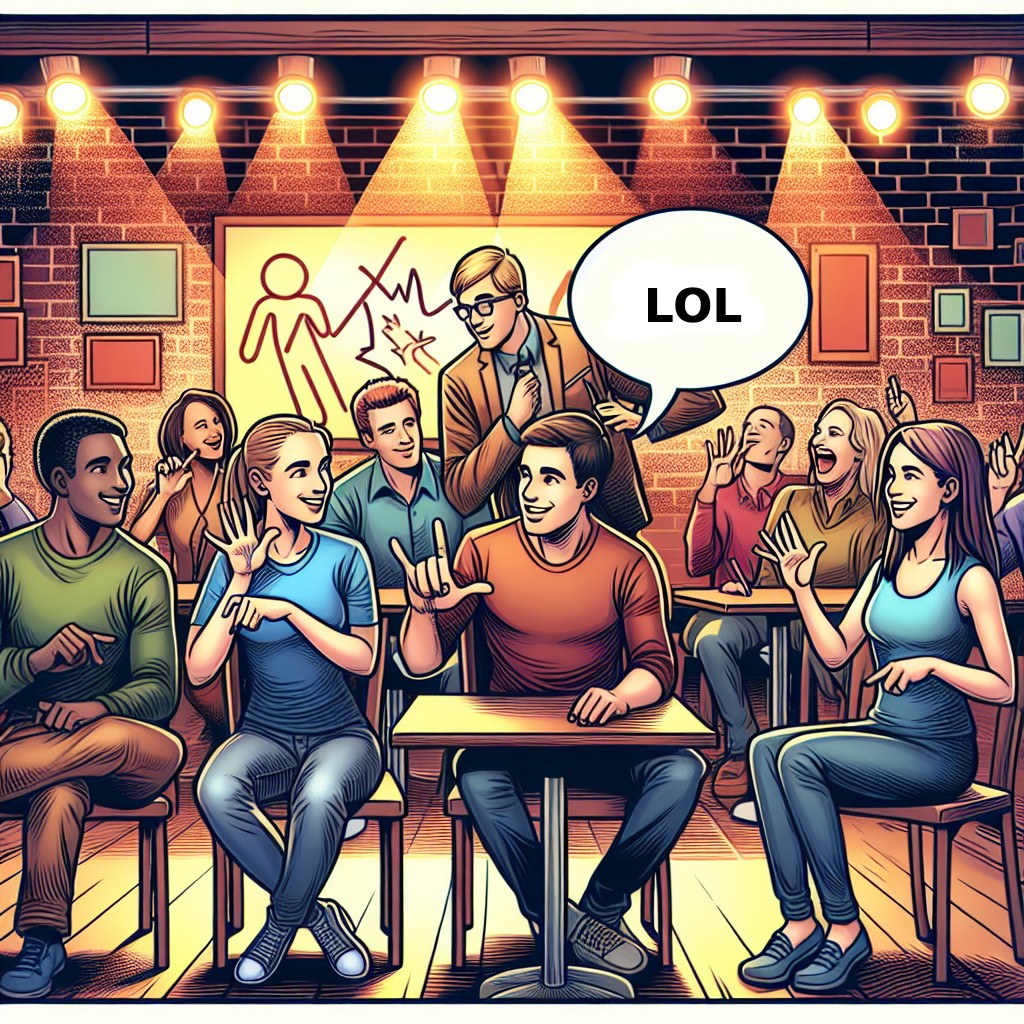
Humor is a universal human experience. It is an essential part of our daily lives, helping us connect with others, ease tensions, and improve our mental health. But what happens when humor intersects with one of the most distinct aspects of human experiences—deafness? Deaf humor and comedy offer a unique perspective that is not only entertaining but also enlightening. This article delves into the nuances of deaf humor, its cultural significance, and how it serves as a bridge between the deaf and hearing communities. Join us as we explore the world that brings laughter to life in a language of its own.
Understanding Deaf Culture and Its Unique Humor
The deaf community is rich with its own culture, norms, and language—American Sign Language (ASL) for those in the U.S. Within this vibrant culture lies a unique brand of humor that is deeply intertwined with the lived experiences of deaf individuals. Deaf humor often explores themes that highlight the quirks and challenges that come with deafness. These can range from everyday communication blunders to absurd situations that arise from misunderstandings between deaf and hearing people. By poking fun at these situations, deaf humor allows for a shared sense of identity and solidarity within the community.
The Importance of Representation in Comedy
Representation matters, not just in serious contexts but also in comedy. When deaf individuals see their experiences reflected and celebrated on stage or screen, it validates their identity and fosters a sense of belonging. Comedians like CJ Jones, a renowned deaf African-American comedian, and D.J. Demers, who brings his experiences with hearing aids to the comedy circuit, are crucial figures. They break down stereotypes and allow hearing audiences to gain insights into the deaf experience through laughter. By bringing deaf humor to mainstream platforms, these comedians help to normalize deafness and promote greater understanding and acceptance.
Visual Comedy: The Heart of Deaf Humor
Visual comedy is central to deaf humor. Unlike verbal jokes that rely on wordplay or auditory cues, deaf humor is often expressed through visual storytelling. This can include exaggerated facial expressions, physical comedy, and clever use of sign language. For example, ASL allows for a unique form of puns and wordplay that is entirely visually based. The inventive ways in which sign language can convey humor make it a rich medium for comedic expression. Additionally, mime and slapstick comedy hold significant appeal within the deaf community due to their visual nature, making them powerful tools for eliciting laughter without a single spoken word.
Comedy Clubs and Festivals for the Deaf
The growing proliferation of comedy clubs and festivals that cater specifically to the deaf community is a testament to the increasing recognition of deaf humor. Events such as the Toronto International Deaf Film and Arts Festival and the Deaffest in the UK spotlight deaf comedians and performers, fostering a sense of community and celebration. These platforms not only provide deaf artists an opportunity to showcase their talent but also invite hearing audiences to immerse themselves in deaf culture and humor. By transcending language barriers through humor, these events play a pivotal role in promoting inclusivity and mutual understanding between communities.
The Role of Technology in Promoting Deaf Comedy
The advent of digital technology and social media has vastly amplified the reach of deaf humor. Platforms like YouTube, TikTok, and Instagram have become crucial spaces for deaf comedians to share their content with a global audience. Captioned videos, vlogs, and skits in sign language are easily accessible, allowing for greater visibility and appreciation of deaf humor. Apps and websites specifically designed for the deaf community also provide resources and venues for enjoying comedy. Technology thus acts as a bridge, not just in terms of accessibility, but in creating a space for cross-cultural engagement and appreciation of diverse comedic forms.
Challenges and Opportunities in Deaf Comedy
While deaf comedy has made significant strides, challenges remain. Accessibility continues to be a key issue. For example, live performances without adequate interpreters or captioning can exclude a significant portion of the potential audience. Additionally, mainstream media often overlooks deaf comedians, limiting their exposure and opportunities. However, these challenges present opportunities for growth and advocacy. By championing inclusivity and pressuring media outlets and event organizers to improve accessibility, we can pave the way for a more equitable comedic landscape. Every laugh shared breaks down another barrier, making it imperative that the comedy world continues to evolve and embrace the richness of deaf humor.
Conclusion
Deaf humor and comedy offer a fascinating and valuable lens through which we can better understand the deaf experience. From visual jokes to shared cultural references, the humor that arises from the deaf community is both unique and universal. It bridges gaps, fosters empathy, and, most importantly, brings joy. As we celebrate the richness of deaf comedy, we must continue to advocate for greater representation and accessibility. By doing so, we not only honor the artistry of deaf comedians but also strengthen the bonds that unite us through the simplest yet most profound human experiences—laughter. Let us continue to explore, appreciate, and laugh together, regardless of the languages we use.