
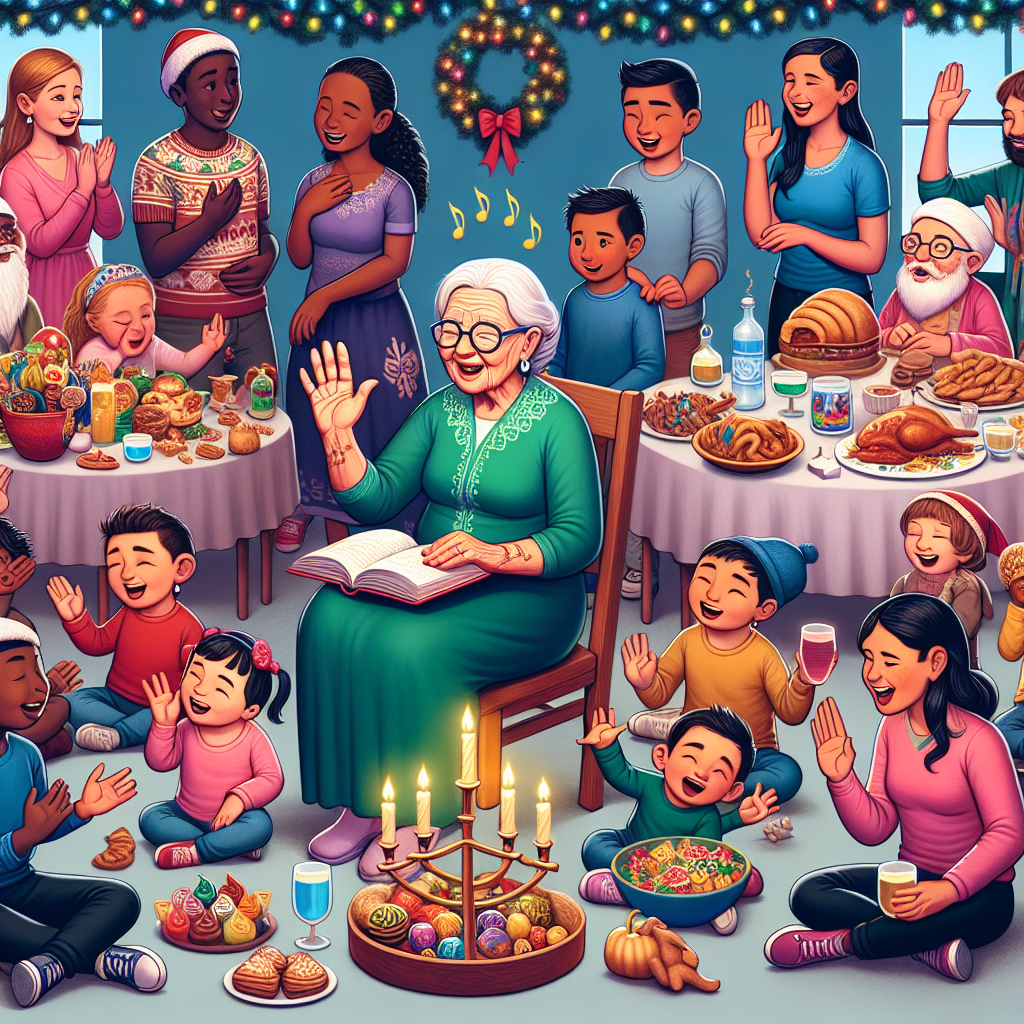
The holidays are a time for family, celebration, and tradition. For Deaf families, the way they celebrate these special occasions holds unique cultural significance and offers a glimpse into the richness of Deaf culture. By understanding and appreciating these traditions, we can become more aware of the values and customs that bind Deaf communities together. Navigating through generations, Deaf holiday traditions have evolved and yet retained their core essence. From cherished family stories to unique customs, these practices provide a comprehensive view of the cultural heritage in Deaf communities. Whether it’s Thanksgiving, Christmas, Hanukkah, or Kwanzaa, each festivity brings its own set of beautiful and meaningful traditions. In this article, we will explore various Deaf holiday traditions, recount family stories, and delve into the cultural practices observed by Deaf families during different holidays. We will also highlight how these traditions have been preserved and adapted over generations. The narrative may enlighten both Deaf and hearing individuals, fostering greater understanding and appreciation of Deaf culture.
Thanksgiving: A Feast of Gratitude and Connection
Thanksgiving is a time for gathering and expressing gratitude. For Deaf families, the holiday’s essence remains the same, but the modes of communication and cultural nuances add a unique flavor. The Thanksgiving table might feature the same traditional foods, but the way the meal is enjoyed often incorporates rich layers of Deaf culture. Visual storytelling becomes a major part of the celebration. Deaf grandparents might recount tales of past Thanksgivings using American Sign Language (ASL), bringing history to life through lively and expressive sign language. The use of visual communication methods fosters a sense of inclusion and connection that is palpable to everyone present. Family bonding is further enhanced through shared activities that do not rely solely on auditory senses. Instead of listening to a Thanksgiving Day parade on the radio, Deaf families might enjoy watching visual performances or engaging in interactive games that cater to visual and tactile senses. This makes the celebration more inclusive and enriches the experience for Deaf and hearing family members alike. Numerous Deaf families also engage in giving back to the community as part of their Thanksgiving tradition. Volunteering at local Deaf Agencies or schools for the Deaf is common. These acts of service not only embody the spirit of gratitude but also strengthen communal bonds, emphasizing the communal nature of Deaf culture.
Christmas: Cherishing Love, Light, and Heritage
Christmas in Deaf communities is adorned with customs that reflect the heritage and richness of Deaf culture. Deaf families often incorporate special traditions that have been handed down through generations, making the holiday a period of deep cultural connection. One such tradition is the Deaf Santa Claus. Many Deaf communities and schools arrange for a Deaf Santa who communicates in ASL, making the experience magical for Deaf children. This not only ensures that they can communicate their wishes directly but also boosts their sense of inclusion. Caroling might seem challenging in a Deaf context, but it takes on a beautiful form through sign language performances. ASL renditions of Christmas carols and songs are common, creating a visual and emotional experience that resonates deeply. Family gatherings might include sign language performances of “Silent Night” or other Christmas classics, encapsulating the joy and spirit of the season. Gift-giving customs are also often nuanced. Personalized gifts that emphasize touch, sight, and visual aesthetics are more common. The wrapping paper’s design, the visual presentation of gifts, and even the decorations themselves are chosen with a keen awareness of visual and tactile appeal. Christmas in Deaf families is also a time to illuminate their unique cultural heritage. Many include storytelling sessions where Deaf elders share tales of their upbringing, early Christmases, and the evolution of Deaf culture. Such stories provide context and continuity, linking the past with the present and fostering a deep sense of identity and pride.
Hanukkah: A Festival of Lights and Inclusion
For Jewish Deaf families, Hanukkah is a celebration filled with light, joy, and inclusive traditions that honor both their religious and cultural identities. The Menorah lighting ceremony, one of Hanukkah’s central practices, takes on a unique vibrancy as prayers are expressed through ASL. Deaf synagogues and Jewish Deaf organizations often hold community-wide Hanukkah celebrations. These gatherings provide a platform for Deaf individuals to come together, share traditions, and celebrate their dual heritage. The experience of communal prayer, song, and storytelling in ASL underscores the festival’s inclusive nature. Dreidel games are a core part of Hanukkah celebrations. For Deaf families, these games are not only a source of fun but also a vivid educational tool. Through playing, children learn about the miracle of Hanukkah and practice using ASL for numbers and storytelling. Food is another vital component of Hanukkah. Traditional dishes like latkes and sufganiyot are shared, with family recipes being passed down through generations. These culinary traditions are enriched by stories of past Hanukkah celebrations and cherished family memories, shared visually so that every family member, regardless of their ability to hear, can participate fully. Moreover, Hanukkah presents an excellent opportunity for intergenerational bonding. Deaf grandparents share stories of Hanukkah past, emphasizing values of perseverance and faith, thus reinforcing the cultural thread that binds the family through generations.
Kwanzaa: Celebrating Unity and Community
Kwanzaa is rooted in African heritage and places a strong emphasis on unity and community, making it particularly resonant for many Deaf families of African descent. The seven principles of Kwanzaa (Nguzo Saba) — Unity, Self-Determination, Collective Work and Responsibility, Cooperative Economics, Purpose, Creativity, and Faith — align beautifully with the values upheld within Deaf culture. Each evening of Kwanzaa involves lighting a candle on the Kinara, and families often incorporate ASL into these rituals. The principles of Kwanzaa are discussed in ASL, making the celebration inclusive for all family members. Creative expression is a key aspect of Kwanzaa, and Deaf families may engage in visual art projects, dance, and drama, all communicated through sign language. Storytelling, too, plays an important role. Deaf elders may recount stories of their heritage and history, often intertwining the struggles and triumphs of both African and Deaf cultures. Food also plays a central role in Kwanzaa celebrations. Traditional African dishes are prepared and shared, and the preparation becomes a collaborative event where family members bond and communicate through ASL. This not only preserves culinary traditions but also brings families closer together. Social gatherings during Kwanzaa often include various Deaf community activities, such as workshops and cultural exhibitions, that focus on unity and collaboration. These events serve to reinforce community bonds and provide opportunities for Deaf individuals to socialize and celebrate their shared heritage and culture.
New Year: Reflecting and Anticipating with Joy
The dawn of a New Year is a moment for reflection and anticipation, and for Deaf families, it is a time filled with unique traditions that blend personal reflection with communal joy. The New Year’s Eve celebrations are rich with visual and tactile experiences, ensuring that everyone can fully participate. Many Deaf families have the tradition of creating visual reflection boards. These boards display highlights from the past year, where family members use pictures, clippings, and even handwritten notes to reflect on the year’s significant events and milestones. Another widespread custom is the use of light shows and fireworks. Instead of relying on the sound, Deaf families enjoy the visual splendor of colorful fireworks displays. Technology also plays a vital role; vibrating alert devices ensure everyone feels the countdown’s excitement to midnight. ASL poetry and storytelling sessions are other popular activities. On New Year’s Eve, Deaf families gather to share poetic reflections on the past year and aspirations for the next. Such traditions foster a sense of unity and provide a platform for emotional expression through sign language. The New Year is also a time for setting intentions and goals. Deaf families may have traditions centered around writing resolutions and sharing them in ASL. This practice reinforces personal and collective growth, creating a sense of accountability and support within the family unit. In addition, Deaf community events are held to celebrate the New Year. These events often include visual performances, dance, and opportunities to socialize, emphasizing the communal aspect of Deaf culture and allowing individuals to start the New Year with a sense of belonging and joy.
Conclusion: Preserving and Celebrating Deaf Heritage
Deaf holiday traditions are vibrant and varied, reflecting the richness and diversity within Deaf culture. From Thanksgiving to New Year, these celebrations are deeply ingrained in family practices, with each generation adding its unique touch while preserving core values and customs. Understanding and appreciating these traditions helps bridge the gap between Deaf and hearing communities, fostering greater awareness and inclusivity. The visual and tactile experiences that characterize Deaf holiday celebrations offer a compelling narrative of how culture can adapt and thrive, even in the absence of auditory elements. By sharing the stories, customs, and practices observed by Deaf families during holidays, we not only honor their heritage but also contribute to a broader understanding and appreciation of Deaf culture. These traditions are not mere repetitions of the past; they are living, evolving practices that connect individuals, strengthen bonds, and celebrate identity. Whether you are part of the Deaf community or a hearing ally, recognizing the significance of these traditions can lead to deeper, more meaningful connections. As we celebrate the holidays, let us remember and honor the diverse ways in which families come together, creating spaces that are inclusive and reflective of the richness of our shared human experience.