
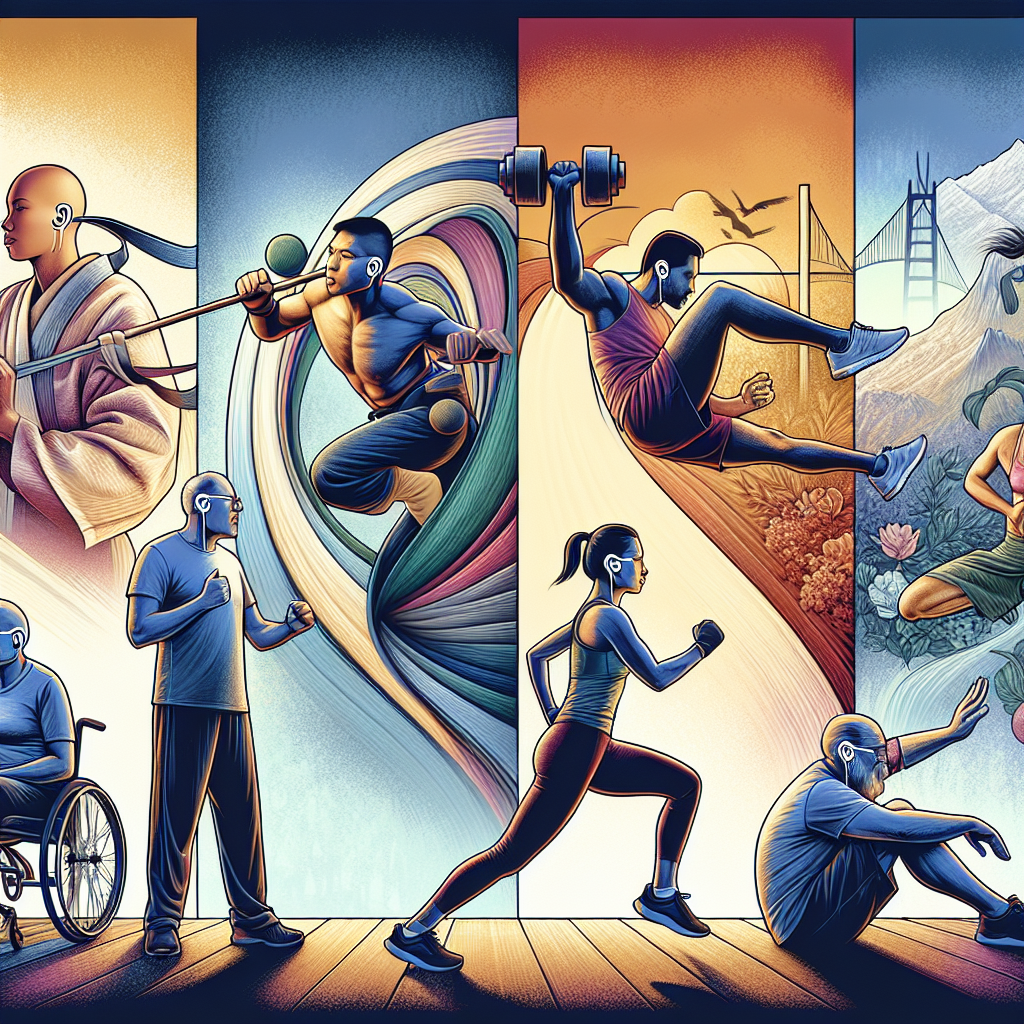
Deafness, while often discussed in terms of communication challenges, also intersects significantly with health and wellbeing. A growing trend in awareness is shining a light on the fitness journeys of deaf individuals. These stories are not merely about workouts and diets; they represent incredible harrowing journeys of resilience, determination, and triumph over physical limitations. Deaf individuals face unique challenges in achieving fitness goals, but they also bring unique strengths and perspectives to the fitness journey. Through diverse stories and examples, this article aims to highlight the importance of fitness in the lives of deaf individuals and inspire others to pursue their own fitness goals, irrespective of the physical limitations they may face.
Challenges in Deaf Fitness
Deaf individuals often experience a unique set of challenges when it comes to engaging in fitness activities. One of the main barriers is communication. Many fitness programs and classes rely heavily on verbal instructions, which can be particularly challenging for individuals who rely on sign language or other forms of visual communication. Furthermore, mainstream fitness centers may not always have staff trained to effectively communicate using these methods.
Moreover, the lack of accessible information about fitness routines, modifications, and general health advice sometimes leaves deaf individuals at a disadvantage. Without the proper support, motivation, and understanding, these barriers can become significant deterrents for deaf individuals wanting to engage in regular physical activity.
However, recognizing these challenges is the first step in overcoming them. Through increased awareness, better training for fitness professionals, and the availability of accessible resources, the fitness industry can become more inclusive and supportive of the deaf community.
Inspiring Success Stories
Despite the challenges, numerous deaf individuals have charted remarkable fitness journeys, embodying perseverance and strength. Take, for instance, the story of Roberto Velasquez, a deaf fitness instructor and bodybuilder. Diagnosed with profound deafness as a child, Roberto faced numerous barriers in his early fitness journey. But with sheer determination, he mastered lip reading and sought out mentors who could help him adapt exercises to fit his abilities.
Another inspiring story is that of Alesha Brown, a deaf marathon runner. Alesha began running in her late twenties, initially as a way to stay fit and cope with stress. Despite the initial difficulties in understanding training programs and the fear of not hearing traffic or race instructions, Alesha persevered. Today, she has completed multiple marathons and even coaches aspiring deaf runners.
These stories are not just exceptions; they’re part of a broader movement within the deaf community aiming to break stereotypes and demonstrate that fitness is for everyone, regardless of physical limitations. They serve as powerful testimonies and encourage others to start or continue their fitness journeys.
Building a Deaf-Friendly Fitness Environment
To create a welcoming and inclusive fitness environment for deaf individuals, fitness centers and gyms must take proactive steps. One crucial aspect is staff training. Fitness professionals should be encouraged to learn basic sign language or, at the very least, be familiar with alternative communication methods. This helps bridge the communication gap and ensures that deaf individuals receive the necessary guidance and support.
Another important factor is the availability of visual aids and resources. Fitness routines, instructions, and safety guidelines should be made accessible through videos, infographics, and written materials. Many deaf individuals rely on visual information, so gyms should make an effort to incorporate features like captioned instructional videos and visual demonstration of exercises.
Lastly, fostering a sense of community and empathy within the fitness center is paramount. Encouraging all members to be aware and respectful of those who communicate differently can create a more inclusive and supportive atmosphere. Gyms can host events and workshops that promote understanding and awareness about deafness and fitness, further embedding inclusivity within their culture.
Technology and Innovation in Deaf Fitness
Technological advancements and innovations play a crucial role in enhancing the fitness experiences of deaf individuals. From fitness apps to wearable devices, technology offers numerous ways to make fitness more accessible and engaging.
For instance, fitness apps with customizable workout plans and instructional videos that provide visual guides, captions, and sign language interpretation can empower deaf individuals to work out with greater independence. There are also specialized apps designed specifically for the deaf community, incorporating features like vibration alerts for timer functions and progress tracking through visual cues.
Wearable fitness technology, such as smartwatches and fitness trackers, can also be beneficial. With the ability to track heart rate, monitor physical activity, and provide visual feedback, these devices offer a personalized fitness experience. Some devices are even equipped with haptic feedback to alert users to important workout milestones or notifications, ensuring that deaf individuals can stay engaged and motivated.
As technology continues to evolve, it paves the way for more inclusive and adaptive fitness solutions, helping deaf individuals overcome barriers and achieve their fitness goals.
Inclusive Fitness Programs and Initiatives
Several organizations and initiatives are dedicated to promoting inclusive fitness for the deaf community. These programs often offer tailored classes, workshops, and support networks to help deaf individuals engage in fitness activities in a more accessible and supportive environment.
One such initiative is the Deaf Fitness Network, which connects deaf fitness professionals, enthusiasts, and instructors. By providing a platform for sharing resources and experiences, this network aims to facilitate a sense of community and inspiration among its members. They offer classes and workshops conducted by deaf instructors, ensuring accessible communication and support.
Similarly, organizations like the National Deaf Fitness Association (NDFA) work to promote fitness and well-being among deaf individuals. They offer educational resources, organize fitness events, and advocate for greater inclusivity within the fitness industry. Through their efforts, they aim to break down barriers and empower deaf individuals to take charge of their health and fitness journey.
These initiatives highlight the importance of creating an inclusive fitness culture and the positive impact it can have on the lives of deaf individuals, encouraging a more active and healthier lifestyle for all.
Conclusion
The journey towards fitness and well-being is deeply personal and can be especially challenging for those with physical limitations such as deafness. However, the inspiring stories of individuals like Roberto Velasquez and Alesha Brown showcase the incredible potential that exists within the deaf community to overcome barriers and achieve remarkable feats in fitness.
As society continues to progress toward a more inclusive approach to health and fitness, it is crucial to recognize the unique needs and strengths of the deaf community. By providing accessible resources, fostering supportive environments, and leveraging technological advancements, we can ensure that fitness becomes a realistic and empowering goal for everyone.
Ultimately, the collective effort to raise awareness, support, and inclusivity within the fitness industry will inspire more deaf individuals to embark on their own fitness journeys, leading to healthier and more fulfilling lives. Let the stories of resilience and triumph serve as a reminder that physical limitations do not define one’s ability to achieve greatness.