
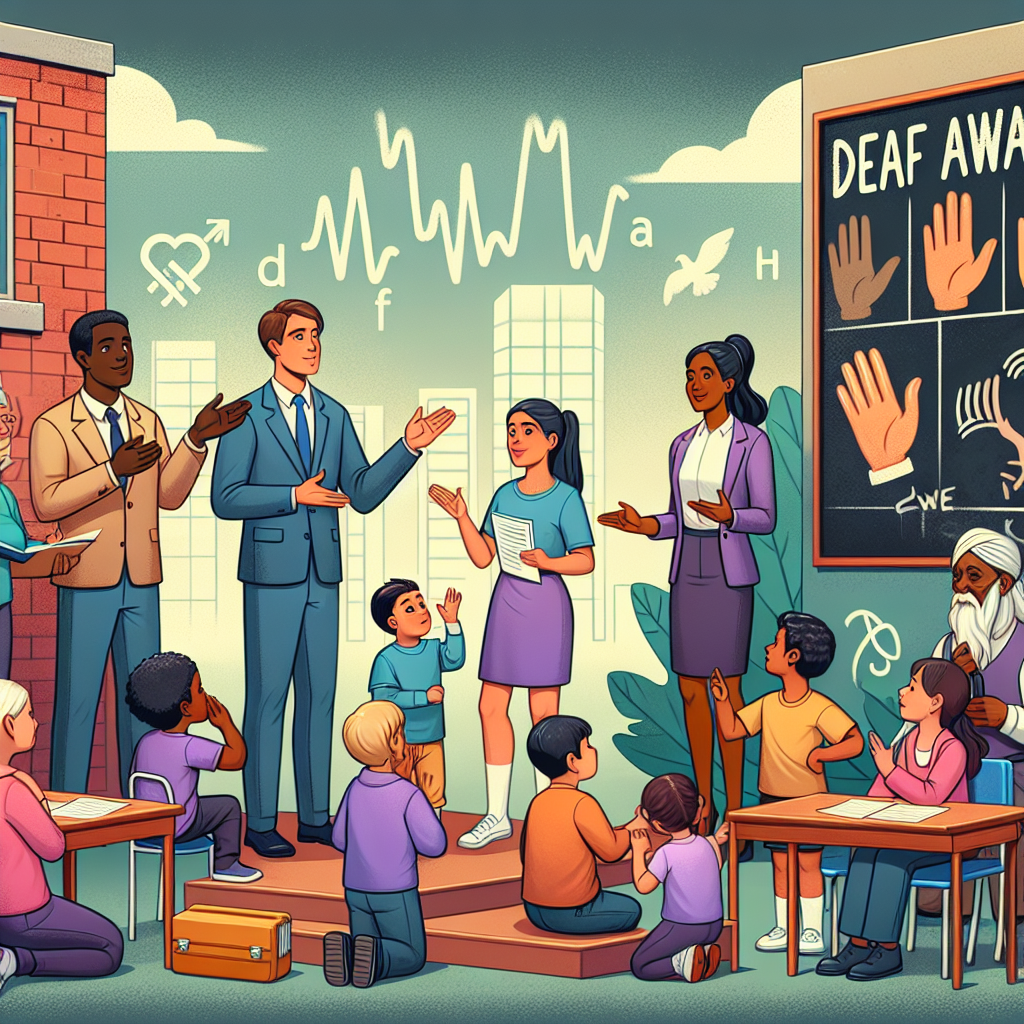
The annual Deaf Awareness Week is a powerful reminder of the rich, diverse culture and experiences of the Deaf community. This week is an opportunity to celebrate and empower individuals who are Deaf or hard of hearing while educating others about Deaf culture, language, and accessibility needs. Knowing about this awareness campaign prompts us to actively participate and contribute to a more inclusive society.
Deaf Awareness Week typically involves numerous activities such as community events, educational workshops, and social media campaigns designed to spread knowledge and appreciation for Deaf culture. Through these initiatives, we can challenge common misconceptions about Deafness and advocate for the rights and needs of the Deaf community. Let’s take a moment to explore the significance of Deaf Awareness Week and how you can take action to make a difference in your community.
The first step to making a meaningful impact during Deaf Awareness Week is understanding its history and core objectives. Established by the World Federation of the Deaf (WFD), this awareness week emphasizes human rights, equal access, and the importance of sign language. Each year, communities around the globe come together to celebrate and support the achievements and contributions of Deaf and hard of hearing individuals.
The Significance of Deaf Culture and Traditions
Deaf culture is a rich and unique community with its own language, traditions, and social norms. Central to Deaf culture is the use of sign language, which varies from region to region. American Sign Language (ASL) is the predominant form of sign language in the United States and parts of Canada, yet every country has its own distinct sign language system.
Deaf culture is deeply ingrained with its own set of values and traditions. For instance, storytelling is a vital aspect of Deaf culture, often shared through sign language. These stories, which can include folklore, personal anecdotes, and historical accounts, not only entertain but also educate and preserve the language and heritage.
The Deaf community also places a strong emphasis on mutual support, solidarity, and shared experiences. Schools for the Deaf, Deaf clubs, and various organizations provide essential platforms for social interaction, emotional support, and community building. These spaces foster a sense of belonging and identity among Deaf individuals.
Understanding and respecting Deaf culture and traditions is crucial for fostering inclusivity and empathy. It reminds us that the Deaf community is not just about a lack of hearing but a unique way of experiencing the world. By immersing ourselves in their stories, language, and customs, we build bridges of understanding and create a more inclusive society.
Challenges Faced by the Deaf Community
The Deaf community faces numerous challenges, many of which stem from a lack of awareness and understanding. Communication barriers are one of the most significant issues. Despite advancements in technology and accessibility, many Deaf individuals still struggle with accessing information and services that are readily available to the hearing population.
Educational barriers also pose a significant challenge. While there are specialized schools for Deaf students, mainstream educational institutions often lack the necessary resources and trained professionals to accommodate Deaf and hard of hearing students. This can lead to feelings of isolation, frustration, and educational inequity.
Employment discrimination is another critical issue. Despite being capable and highly skilled, many Deaf individuals face bias and exclusion in the workplace. Employers may have misconceptions about the abilities of Deaf employees or lack the resources to create an inclusive work environment.
Social isolation is another challenge that cannot be overlooked. The sense of being misunderstood or underestimated can lead to feelings of isolation and mental health struggles. It’s essential to recognize these barriers and work towards creating a more inclusive and equitable society for the Deaf community.

Taking Action: How to Spread Awareness in Your Community
Deaf Awareness Week is an excellent opportunity to take action and spread awareness in your community. Here are some practical steps you can take to make a difference:
- Organize educational workshops or seminars to educate others about Deaf culture, sign language, and the challenges faced by the Deaf community.
- Collaborate with local Deaf organizations to host events, such as storytelling sessions, cultural performances, or social gatherings, that showcase the richness of Deaf culture.
- Promote the use of sign language in your community by organizing sign language classes or awareness campaigns.
- Advocate for better accessibility in public spaces, such as captioned movie screenings, sign language interpreters at events, and accessible websites and services.
- Support Deaf-owned businesses and artists by buying their products, attending their events, and promoting their work.
Your active participation and advocacy can make a significant impact in creating a more inclusive and understanding community. Whether you are a hearing individual or part of the Deaf community, your efforts can help bridge the gap and foster a more inclusive society.
Resources for Further Learning
If you are interested in learning more about Deaf culture and awareness, there are numerous resources available to help you expand your knowledge and understanding. Here are some valuable resources:
- Books: There are several excellent books on Deaf culture and sign language, such as “Seeing Voices” by Oliver Sacks, “Deaf Culture: Exploring Deaf Communities in the United States” by Irene W. Leigh, and “Wonderstruck” by Brian Selznick.
- Websites: Websites like the World Federation of the Deaf (WFD), National Association of the Deaf (NAD), and Gallaudet University offer a wealth of information and resources on Deaf culture, advocacy, and services.
- Online Courses: Several online platforms offer courses in American Sign Language (ASL) and Deaf culture, such as Coursera, Udemy, and Gallaudet University’s online programs.
- Documentaries and Films: Educational films and documentaries offer insightful glimpses into the Deaf experience, such as “Sound and Fury,” “Through Deaf Eyes,” and “The Silent Child.”
- Community Organizations: Local and national Deaf organizations, like the NAD and regional Deaf societies, provide opportunities for community involvement, advocacy, and learning.
Utilizing these resources will deepen your understanding of Deaf culture and equip you with the knowledge to advocate for inclusivity effectively. Remember, continued learning and engagement are key to making a lasting impact.
Celebrating Deaf Awareness Week Together
Deaf Awareness Week is a time for unity and celebration. It is a week dedicated to recognizing the tremendous contributions, achievements, and talents of Deaf and hard of hearing individuals. By celebrating together, we honor the resilience, creativity, and cultural richness of the Deaf community.
Join in the celebrations by participating in events, sharing stories, and spreading positivity. Social media is a powerful tool for promoting awareness, so consider sharing posts, videos, and infographics that highlight Deaf culture and advocate for inclusivity. Use hashtags such as #DeafAwarenessWeek and #DeafCulture to connect with a broader audience and amplify your message.
Think about volunteering your time and resources to support Deaf organizations and initiatives. Whether it’s lending a hand at an event, providing financial support, or offering your skills and expertise, your contributions can significantly impact the Deaf community.
Most importantly, take the time to listen, learn, and engage with the Deaf community. Building genuine relationships and fostering understanding will contribute to a more inclusive and harmonious society for everyone.
Conclusion: Moving Forward with Inclusivity
Deaf Awareness Week is more than just a campaign; it is a call to action for all of us to build a world that values and includes everyone, regardless of their hearing abilities. By actively participating in Deaf Awareness Week, we show our commitment to inclusivity and justice for the Deaf community.
Inclusivity begins with awareness and education. Understanding the unique culture, language, and challenges faced by the Deaf community empowers us to be better allies and advocates. Whether through organizing events, learning sign language, or promoting accessible services, every action counts toward creating a more equitable society.
As we move forward, let’s carry the spirit of Deaf Awareness Week with us every day. Embrace the diversity that Deaf culture brings, celebrate the contributions of Deaf individuals, and work collectively to break down barriers. Together, we can create a world where everyone can thrive.
Let’s take the Deaf Awareness Week Challenge seriously. Take action, spread awareness, and make a difference in your community. Your efforts will contribute to a brighter, more inclusive future for all.