
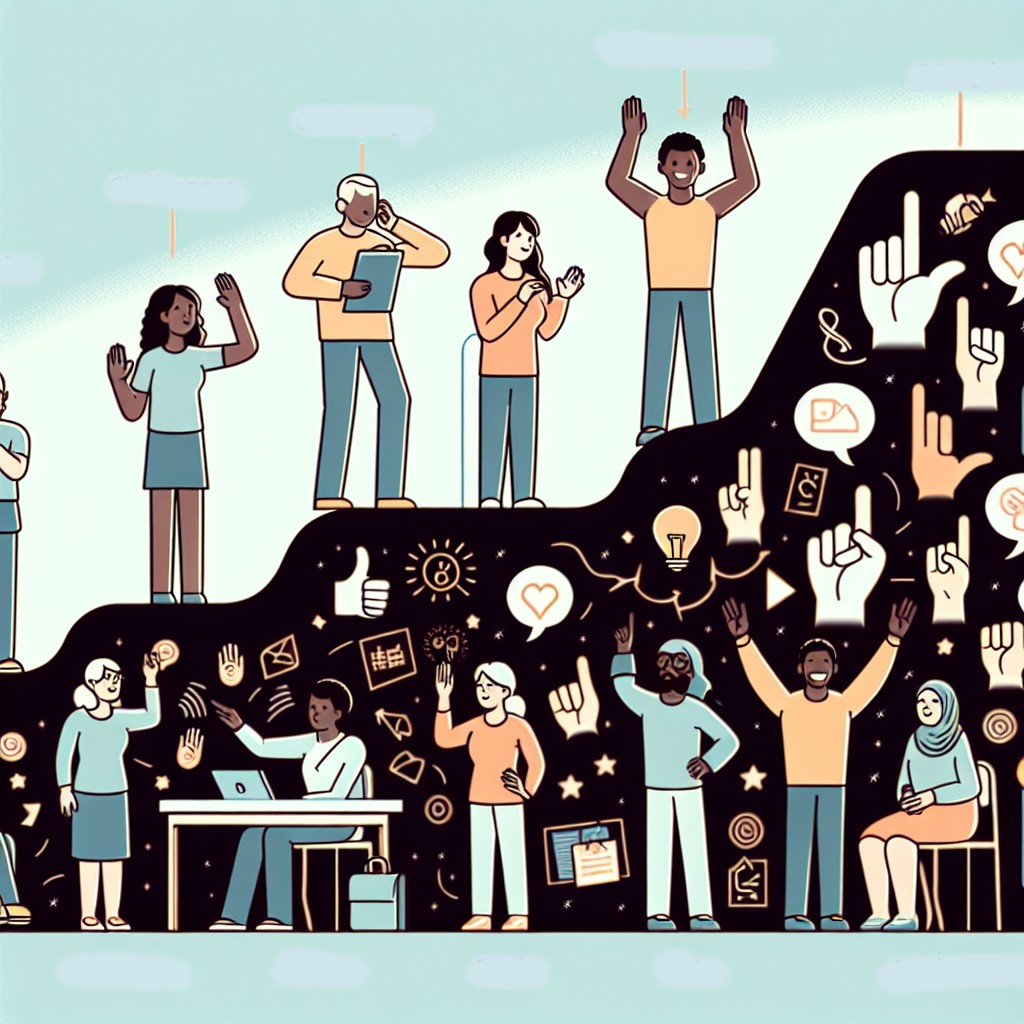
Deaf Awareness Month, celebrated every September, is a time dedicated to raising awareness about the Deaf community, their unique culture, and the challenges they face. This month-long observation provides an important opportunity for individuals to learn about the experiences of Deaf people and promote inclusivity and accessibility in society. It’s a period for reflection on how the Deaf community navigates the hearing world, often with great resilience and adaptability.
Deaf Awareness Month originated from the International Week of the Deaf, which was first celebrated by the World Federation of the Deaf in 1958. The month aims to foster greater understanding and appreciation for Deaf culture, as well as to advocate for the rights of Deaf individuals worldwide. Activities during this month include educational workshops, community events, and advocacy campaigns focused on bridging the communication gap and promoting equal opportunities.
For many Deaf individuals, this month is not just about broad public awareness but also about personal reflection. It is a time to look back on their own journeys, recognizing both the hurdles they’ve overcome and the achievements they’ve made. By sharing these stories, the Deaf community can illuminate the diverse experiences within it and foster a deeper sense of unity and solidarity.
In this article, we will explore the personal journeys, challenges, and triumphs of individuals within the Deaf community, shedding light on their daily experiences, the importance of Deaf education, and the significant strides being made toward greater inclusivity. Through these reflections, we hope to inspire and educate readers about the richness of Deaf culture and the ongoing fight for equality.
The Importance of Deaf Education
Deaf education is a fundamental aspect of personal and professional development for individuals with hearing loss. Educational institutions and programs tailored to the needs of Deaf students are crucial for fostering academic achievement and social integration. These programs provide specialized resources and teaching methods that accommodate different communication preferences, whether through American Sign Language (ASL), oral methods, or a combination of both.
Historically, Deaf education has faced numerous challenges, from a lack of understanding and resources to societal biases against sign language. However, significant progress has been made in recent years. Schools for the Deaf and mainstream schools with Deaf programs now offer a more inclusive and supportive environment, ensuring that Deaf students receive a quality education equal to their hearing peers.
One of the key components of Deaf education is the inclusion of Deaf culture and history in the curriculum. This empowers students by providing them with a sense of identity and belonging. Learning about prominent Deaf figures, milestones in Deaf history, and the evolution of sign language helps students understand their heritage and fosters pride in their community.
Accessibility is another critical factor. Implementation of technological aids such as hearing devices, captioning services, and visual alert systems in classrooms greatly enhances the learning experience for Deaf students. Furthermore, the presence of qualified interpreters and support staff ensures effective communication and participation in all aspects of school life.
Challenges Faced by the Deaf Community
Despite the progress in Deaf education and increasing awareness, the Deaf community continues to encounter various challenges. Communication barriers remain one of the most significant obstacles. In many social and professional settings, the lack of accessible communication methods, such as sign language interpreters or real-time captioning, can lead to exclusion and frustration for Deaf individuals.
Another major challenge is employment. Deaf individuals often face discrimination in the workforce, with employers hesitant to hire them due to misconceptions about their capabilities. This can lead to higher unemployment rates and limited career advancement opportunities. Advocacy for equal employment rights and workplace accommodations is crucial in addressing these disparities.
Access to healthcare is another critical area where Deaf individuals face difficulties. Medical professionals often lack the training to communicate effectively with Deaf patients, leading to misdiagnoses, inadequate treatment, and overall poorer health outcomes. Increasing the availability of sign language interpreters in healthcare settings and training medical staff to be more culturally competent are essential steps towards improving healthcare accessibility for Deaf patients.
Social isolation is an ongoing issue as well. In predominantly hearing environments, Deaf individuals may struggle to participate fully in social activities, leading to feelings of loneliness and marginalization. Promoting Deaf-friendly events and inclusive social practices can help bridge this gap, fostering a more inclusive and interconnected community.
Triumphs and Success Stories
Despite the challenges, the Deaf community has achieved numerous triumphs and continues to make significant strides in various fields. These success stories serve as powerful examples of resilience, determination, and the limitless potential of Deaf individuals.
In the realm of education, many Deaf individuals have excelled academically, breaking barriers and achieving advanced degrees. For instance, Dr. Glenn B. Anderson, a prominent Deaf scholar, became the first African American Deaf person to earn a doctoral degree. His accomplishments have paved the way for future generations of Deaf scholars.
In the arts, Deaf actors, musicians, and artists have gained recognition for their incredible talents. Marlee Matlin, an Oscar-winning actress, has been a trailblazer in Hollywood, demonstrating that Deaf actors can excel in mainstream media. Furthermore, Deaf musicians like Sean Forbes and Mandy Harvey have shown that music knew no boundaries, using vibrations and visual cues to create extraordinary performances.
The Deaf community has also made significant political strides. Leaders like Dr. I. King Jordan, the first Deaf president of Gallaudet University, have advocated for Deaf rights at national and international levels, pushing for policies that promote accessibility and equality. These leaders have inspired countless others to pursue activism and work towards positive change in their communities.
Advancing Deaf Awareness and Inclusivity
Promoting Deaf awareness and inclusivity requires a multifaceted approach involving education, advocacy, and community engagement. Public awareness campaigns play a vital role in dispelling myths about Deafness and highlighting the unique aspects of Deaf culture. These campaigns encourage people to learn sign language, understand the importance of accessibility, and appreciate the contributions of Deaf individuals.
Educational initiatives are crucial in advancing Deaf awareness. Incorporating sign language classes and Deaf culture studies in schools can foster a more inclusive environment from a young age. It not only benefits Deaf students but also equips hearing students with the skills and knowledge to interact effectively with their Deaf peers.
Advocacy organizations play a pivotal role in promoting policy changes that enhance the lives of Deaf individuals. Organizations such as the National Association of the Deaf (NAD) and the World Federation of the Deaf (WFD) work tirelessly to advocate for the rights of Deaf individuals, pushing for legislation that ensures equal access to education, employment, and healthcare.
Community engagement is equally important. Creating spaces where Deaf and hearing individuals can interact, share experiences, and collaborate fosters mutual understanding and respect. Deaf cultural events, such as Deaf festivals and performances, provide opportunities for socialization and celebration of Deaf identity, bridging the gap between the Deaf and hearing communities.
Conclusion: Embracing and Celebrating Deaf Culture
Deaf Awareness Month serves as a powerful reminder of the importance of embracing and celebrating Deaf culture. It is a time for reflection, education, and advocacy, highlighting the unique challenges and triumphs of the Deaf community. By understanding and appreciating the personal journeys of Deaf individuals, society can take meaningful steps towards greater inclusivity and equal opportunities.
The stories of resilience and success within the Deaf community are a testament to the strength and determination of individuals who have overcome significant obstacles. These narratives inspire us to challenge preconceived notions about Deafness and recognize the incredible contributions Deaf individuals make to society.
As we continue to promote Deaf awareness, it is essential to prioritize accessibility in all areas of life. Whether in education, employment, healthcare, or social settings, creating environments that accommodate Deaf individuals is crucial for fostering a truly inclusive society. By working together and advocating for change, we can ensure that the Deaf community thrives and flourishes.
Let Deaf Awareness Month be a call to action for everyone to engage with and support the Deaf community. Learn sign language, attend Deaf events, and advocate for policies that promote equal access and opportunities. Through these efforts, we can collectively build a world where Deaf individuals are celebrated, respected, and empowered to reach their full potential.