
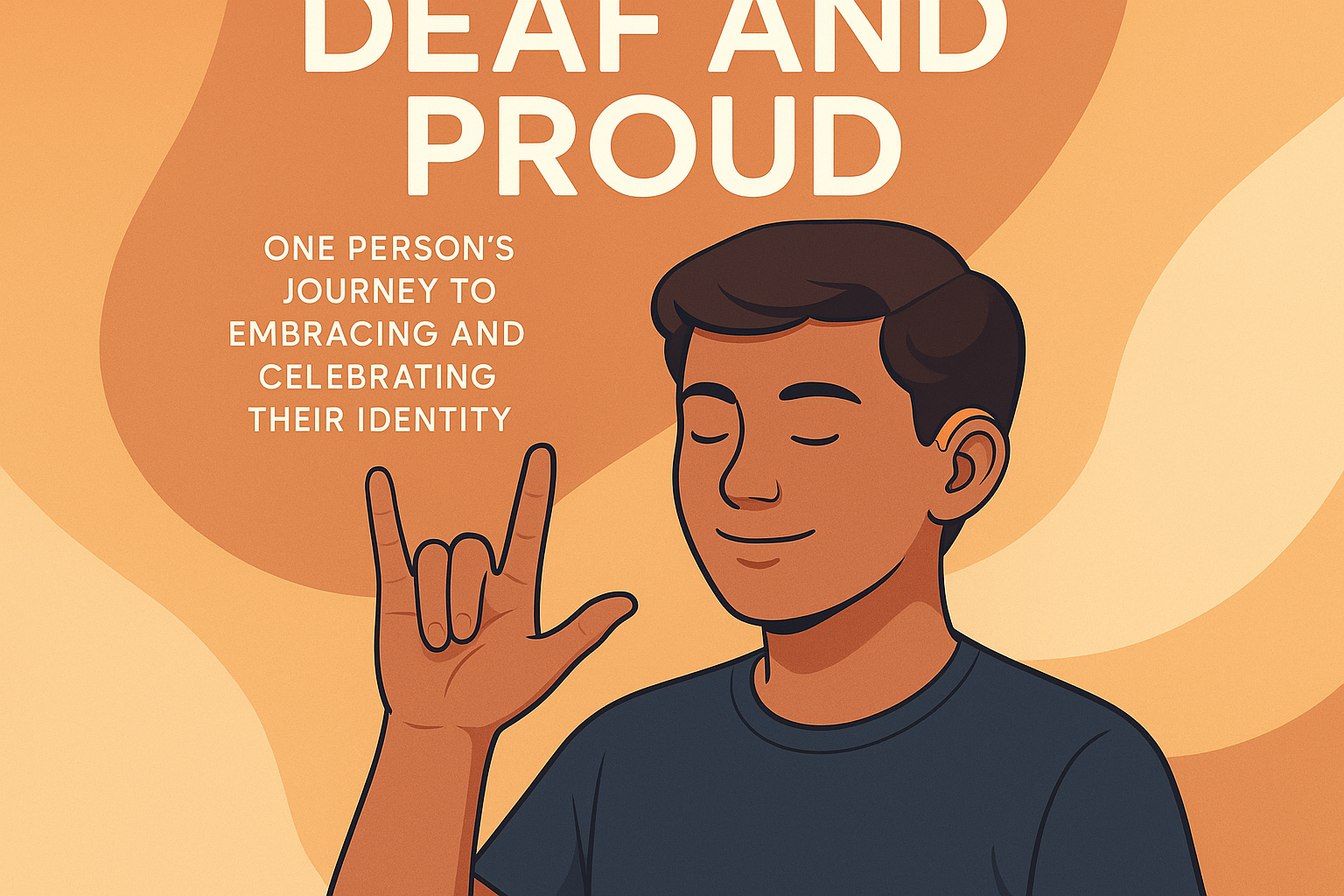
The journey of accepting oneself is often paved with hurdles, doubts, and significant realizations. For the Deaf community, these journeys often intertwine with a broader struggle for acceptance and understanding within a predominantly hearing world. The story of embracing a Deaf identity is not just about overcoming communication barriers; it’s about finding empowerment through self-acceptance, community support, and cultural pride. This narrative focuses on one individual’s transformative journey towards recognizing and celebrating their Deaf identity, a story that resonates with many who have trod a similar path.
Understanding the nuances of Deaf identity is crucial for both those living within the Deaf community and those outside it. “Deaf” with a capital ‘D’ refers to individuals who identify as culturally Deaf and often use sign language as their primary means of communication. It signifies more than a hearing status—it’s an acknowledgment of being part of a rich, vibrant culture. Embracing a Deaf identity means understanding one’s place in this unique tapestry and advocating for one’s rights and recognition in society. This matters because cultural assertion paves the way for greater inclusion and equality, challenging the societal norms that often marginalize or overlook Deaf individuals.
Navigating the Early Years: The Quest for Understanding
Our journey begins with the early years, a pivotal time when identity first starts to form. Many Deaf individuals initially grow up in hearing families, which can sometimes lead to misunderstandings or feelings of isolation. Our protagonist, let’s call them Alex, was no different. Born into a hearing family with no history of deafness, Alex’s early experiences were marked by a struggle to communicate and a prevailing sense of not quite fitting in.
In school, Alex was often the only Deaf student in the classroom. The lack of appropriate educational resources and the absence of peers who understood the Deaf experience were daunting challenges. However, it was during these formative years that Alex first encountered sign language through a dedicated teacher who introduced them to basic signs. This was a transformative experience—a gateway to a world where communication was unrestrained by spoken words.
The introduction to sign language was not merely a tool for communication but a pivotal moment in fostering a sense of belonging. Alex found solace in this new mode of expression and began to seek out others like them, yearning for connection and understanding. This quest for self-discovery and the support of key mentors were integral to Alex’s early understanding of their Deaf identity.
Discovering Deaf Culture: A Journey of Empowerment
As Alex grew, so did their understanding and appreciation of Deaf culture—a rich mosaic filled with history, language, and community. This cultural aspect of being Deaf was a revelation. It wasn’t merely about coping with auditory limitations; it was about belonging to a cultural group with its values, norms, and traditions. For Alex, discovering this culture was akin to finding a family, one that shared a common language and heritage.
To illustrate the significance of this cultural immersion, consider the manifold events and gatherings that bring the Deaf community together. Deaf festivals, theatrical performances in sign language, and social clubs serve as platforms to celebrate and preserve Deaf culture. For Alex, attending a national Deaf conference was particularly significant. It was an enlightening experience where Deaf individuals of all ages and backgrounds came together to share stories, advocate for rights, and celebrate their shared identity.
Through participating in such events, Alex found empowerment and inspiration. Engaging with role models and leaders within the Deaf community showed them that being Deaf is something to be proud of rather than a limitation. This shift in perception laid the groundwork for self-assurance and the confidence to navigate a world not always designed with Deaf individuals in mind.
Advocacy and Activism: Making a Difference
A significant turning point in Alex’s journey was their decision to embrace advocacy and activism. Understanding that societal change often requires active participation, Alex became involved in efforts to raise awareness and champion the rights of the Deaf community. This involvement took many forms, from volunteering at organizations promoting sign language education to participating in campaigns advocating for captioning and interpretation services in public spaces.
Let’s look at some key areas where Alex dedicated their efforts:
- Promoting inclusion in education by advocating for sign language interpreters in mainstream schools.
- Participating in policy discussions focused on media accessibility, ensuring televised content is accessible through captioning.
- Engaging in workshops that educate the hearing community about Deaf culture and sign language, bridging gaps in understanding.
Through these actions, Alex not only advocated for themselves but also benefited the wider community. Their activism became a source of pride and fulfillment, and they found allies and friends who were equally passionate about creating an inclusive future. By raising their voice, Alex contributed to a movement that seeks to dismantle barriers and promote equality and respect for Deaf individuals across all facets of life.
The Intersection of Technology and Access
As with many minority groups, technology has played a pivotal role in transforming the everyday lives of Deaf individuals. From video relay services to captioning apps, technological advances have dramatically expanded access to information and communication. For Alex, technology was both a bridge and a lifeline to the world beyond the limitations posed by their environment.
While Alex embraced these developments, they also became an advocate for technological inclusivity, ensuring advancements were accessible and affordable for all. They championed innovations like:
- Video communication tools, which facilitated real-time sign language conversations and reduced geographic barriers.
- Online platforms that offered sign language courses, making it easier for both Deaf and hearing individuals to learn and connect.
- Smart technologies embedded in public facilities, like speech-to-text applications in theaters and government offices, which improved accessibility to public services.
The marriage of technology and advocacy represented a profound alignment of resources and needs. This intersection enabled Alex to further embrace their identity and continue to bridge cultural and communicative gaps. It illustrated the power of innovation in transforming lives, creating a more connected and accessible world for all individuals.
The Role of Community in Self-acceptance
One of the most profound aspects of Alex’s journey was the pivotal role that community support played in their self-acceptance. Engaging with a network of individuals who shared similar experiences provided Alex with a strong sense of belonging and validation. It emphasized an understanding that they were not alone in their struggles and successes.
In particular, mentorship from seasoned members of the Deaf community was instrumental. These mentors provided guidance, shared strategies for overcoming challenges, and helped Alex navigate the complexities of identity and advocacy. The profound impact of community connections cannot be understated; they offered emotional support and practical advice that enriched Alex’s self-discovery process.
Furthermore, by actively participating in this community, Alex contributed back, becoming a mentor themselves and passing on the knowledge they had gained. This reciprocity in relationships reinforced the cultural thread that binds the Deaf community together, highlighting how each individual’s journey and achievements contribute to the collective narrative.
Conclusion: Embracing and Celebrating Deaf Identity
Alex’s story of embracing their Deaf identity is not just one of personal triumph; it is a testament to the resilience and vibrancy of the Deaf community. By navigating early struggles, uncovering cultural pride, engaging in advocacy, leveraging technology, and fostering community ties, Alex discovered the power and fulfillment that comes with being Deaf and proud.
For those within the Deaf community, Alex’s journey serves as a reminder of the strength found in shared experiences and cultural identity. For those outside the community, it emphasizes the importance of understanding, inclusion, and advocacy. By celebrating diversity and dismantling barriers, we create a more equitable and compassionate society.
As we navigate the complexities of identity and belonging, let Alex’s journey be an invitation to embrace and uplift all cultures and communities. Let us strive for a world where everyone, regardless of their abilities, is respected, included, and celebrated. If you’re inspired by Alex’s story, consider engaging with local Deaf organizations, learning sign language, or advocating for inclusive practices in your community. Together, we can foster understanding and empowerment, ensuring every voice is heard and valued.
Frequently Asked Questions
1. What does it mean to be “Deaf and proud”?
Being “Deaf and proud” is about embracing and celebrating one’s Deaf identity, often in a world that is not always accommodating or understanding of Deaf culture and communication needs. It involves a journey of self-acceptance and empowerment, where an individual realizes that their Deafness is not a limitation but an integral part of who they are. This pride is often rooted in a strong sense of community, cultural heritage, and shared experiences that go beyond mere communication and touch upon deep-seated connections with others who share similar journeys.
When a person identifies as “Deaf and proud,” they not only accept their Deafness, but actively celebrate it as a unique trait that contributes to their identity. It means understanding and appreciating Deaf culture, history, and language (such as sign languages) and finding strength and solidarity in a community where Deafness is seen as a normal and natural part of human diversity. This empowerment often leads to advocating for increased awareness, accessibility, and rights for themselves and for others within the Deaf community.
2. How does someone begin to embrace their Deaf identity?
Embracing a Deaf identity often starts with self-exploration and a willingness to confront societal norms and misconceptions about Deafness. This journey can begin in many ways, such as meeting others who are also Deaf, learning sign language, or becoming involved with the Deaf community. It may involve acknowledging and letting go of the stigma associated with hearing loss and recognizing the value and richness of Deaf culture. Learning about influential Deaf figures, history, and achievements can also inspire and reinforce positive aspects of being Deaf.
For many, support from mentors, family, or friends who appreciate and respect Deaf culture plays a crucial role in this process. Connecting with others who share similar experiences can provide reassurance, camaraderie, and the courage to embrace one’s identity fully. Additionally, engaging with Deaf literature, films, and art helps in understanding the depth and richness of the Deaf experience. Ultimately, the acceptance and celebration of a Deaf identity come from an inner acknowledgment that there is nothing to “fix” or “overcome,” but rather to cherish and celebrate.
3. What role does community support play in this journey?
Community support is often a cornerstone in the journey to embracing and celebrating a Deaf identity. The Deaf community serves as a fundamental resource for individuals seeking to understand and affirm their identity. It provides a sense of belonging and a shared space where Deaf individuals can freely express themselves without the pressure to conform to hearing-centric norms. Through community gatherings, events, and online forums, individuals can connect with others who have similar stories and experiences, fostering a sense of unity and resilience.
In these spaces, members of the Deaf community often find validation for their experiences and emotions. They can share challenges and triumphs, offer advice and support, and build lasting friendships. Community support also extends to advocacy for rights and accessibility, giving members a collective voice in efforts to improve social, educational, and professional environments for Deaf individuals. With such backing, a person navigating the journey to fully accept and cherish their Deaf identity feels empowered, understood, and capable of advocating for themselves and future generations.
4. What challenges do individuals face while embracing a Deaf identity?
The journey to embracing a Deaf identity often involves navigating various challenges. Societal misconceptions about Deafness can lead to feelings of isolation or misunderstanding. Individuals may encounter ignorance or bias from those who assume Deafness is a deficiency rather than a unique way of experiencing the world. Overcoming these biases can be challenging, especially when dealing with well-meaning but uninformed family members, colleagues, or teachers who may unintentionally perpetuate stereotypes.
Communication barriers can also present significant obstacles, as the world is predominantly designed for hearing people. Access to resources such as sign language interpreters, designated Deaf events, or even visual-centric mediums is not always guaranteed, making it harder for individuals to engage fully in society. Furthermore, internalized oppression and self-doubt, often a result of constant exposure to ableist rhetoric, are emotional hurdles that can delay the embrace of a Deaf identity.
Yet, through education, self-advocacy, and community involvement, many manage to overcome these challenges. By engaging in open dialogues, raising awareness, and championing their own narrative, individuals can redefine societal perceptions and promote a broader understanding and acceptance of Deaf culture.
5. How can hearing individuals support those embracing their Deaf identity?
Hearing individuals can support those embracing a Deaf identity by actively listening and seeking to understand the unique experiences and perspectives of Deaf individuals. It is important to approach conversations with an open mind, acknowledging and respecting the cultural richness and diversity within the Deaf community. Learning sign language shows both commitment and respect, bridging communication gaps and demonstrating a willingness to engage meaningfully.
Moreover, hearing individuals can be allies by advocating for greater accessibility and inclusion in public spaces, education, and the workplace. Supporting initiatives that promote Deaf culture, such as attending Deaf events or supporting Deaf artists and creators, also fosters inclusivity. Additionally, challenging and educating others about misconceptions and biases regarding Deafness can help dismantle systemic barriers. By valuing Deaf voices and experiences, hearing individuals contribute to a more inclusive and understanding world where Deaf identities are celebrated rather than marginalized.