
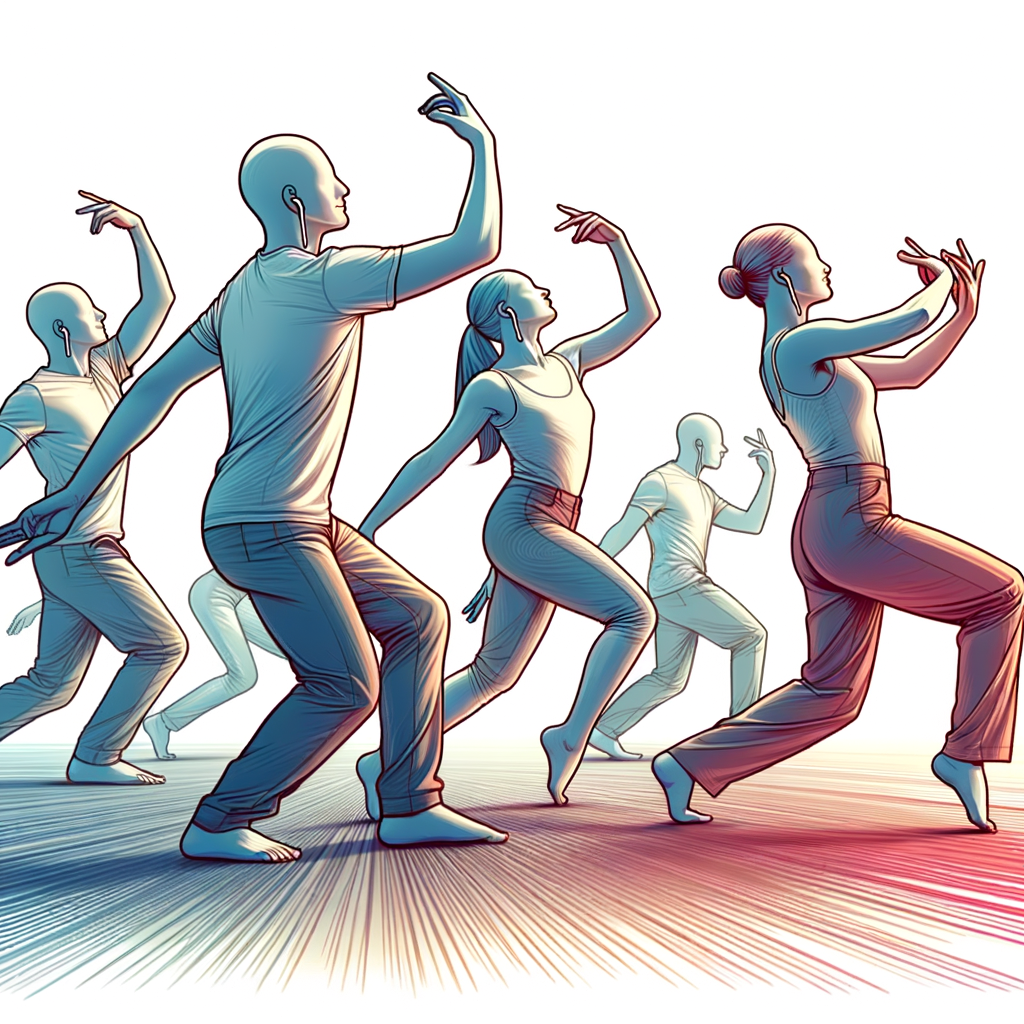
Dance is often perceived as an art form intrinsically tied to music, with rhythm guiding every movement. However, for deaf dancers, the connection to rhythm transcends auditory cues. Through innovative techniques and a profound understanding of their bodies, deaf dancers have developed unique methods to internalize and express rhythm, proving that the essence of dance is not confined to the ability to hear.
Visual Learning and Counting
One fundamental approach in teaching dance to deaf performers is the use of visual counting. Instructors often employ sign language to indicate counts, establishing the basic rhythm patterns visually. This method facilitates the development of an inner sense of timing, allowing dancers to synchronize their movements seamlessly.
Utilizing Vibrations
While feeling vibrations through the floor may seem like an intuitive method for deaf dancers to connect with music, it’s not always practical, especially when movements involve jumping or when performing on solid concrete surfaces. Instead, some dancers focus on the visual aspects of their performance, relying on cues from fellow dancers or instructors to maintain rhythm.
Memorization and Repetition
Deaf dancers often rely on memorization and repetition to internalize choreography. By practicing routines extensively, they develop muscle memory, enabling them to perform complex sequences without needing to hear the accompanying music. This dedication to rehearsal ensures precision and synchronicity in performances.
Technological Aids
Advancements in technology have also provided tools to assist deaf dancers. Some utilize visual metronomes or light systems that flash in time with the music, offering a visual representation of rhythm. Others may use tactile feedback devices that provide vibrations corresponding to musical beats, enhancing their connection to the music.
The Role of Deaf Dance Companies
Institutions like the Gallaudet Dance Company have been instrumental in developing and showcasing techniques that enable deaf dancers to excel. By creating an environment tailored to visual learning and emphasizing inner rhythm, these companies demonstrate that dance is a universal language, accessible to all.
Embracing Deaf Culture in Dance
Deaf dancers often incorporate elements of Deaf culture into their performances, using movements inspired by sign language and emphasizing visual storytelling. This not only enriches their artistic expression but also educates audiences about the Deaf community’s rich cultural heritage.
Challenges and Misconceptions
Despite their remarkable abilities, deaf dancers often face misconceptions about their capabilities. Some people mistakenly believe that without hearing, one cannot appreciate or perform dance effectively. However, the success and artistry of deaf dancers worldwide challenge this notion, proving that rhythm and movement are not solely the domains of the hearing.
Conclusion
The journey of deaf dancers illustrates that dance transcends auditory boundaries. Through visual learning, technological aids, and sheer determination, they connect deeply with rhythm, offering performances that resonate with all audiences. Their stories remind us that the human spirit’s capacity for creativity and expression knows no limits.